How Much Does a Plumber Cost in Kansas City, MO?
Wondering how much a plumber costs in Kansas City, MO? Explore pricing factors, common job estimates, repair timelines, and hidden costs here.


Need a Plumber in Kansas City, MO?
Plumbing Problem? Call for professional plumbing help.
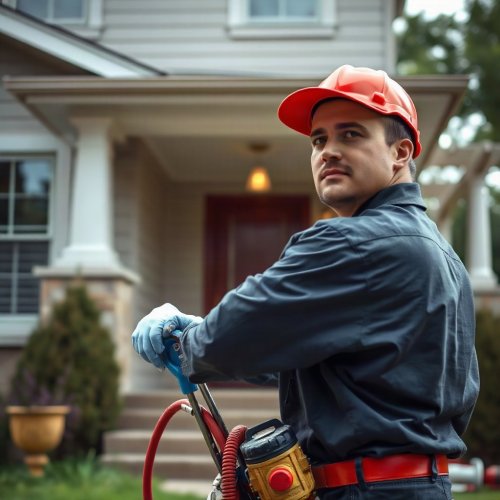
Get help with emergency plumbing, clogged drains, leaking pipes, water heaters, burst pipes and other residential plumbing problems in Kansas City, Missouri.
Need a Plumber in Kansas City, MO?
Plumbing Problem? Call for professional plumbing help.
Get help with emergency plumbing, clogged drains, leaking pipes, water heaters, burst pipes and other residential plumbing problems in Kansas City, Missouri.
How Much Does a Plumber Cost in Kansas City, MO?
Whether you are dealing with a sudden freeze-thaw pipe burst in historic Brookside, a backed-up main line in Northland, or a faulty water heater in Overland Park, pricing uncertainty is usually the first stressor homeowners face.
Plumbing issues don't just disrupt your daily routine; they bring the immediate anxiety of unexpected financial stress. Homeowners and business owners frequently search for plumbing costs because rates seem to vary wildly across Jackson and Clay counties.
Understanding how local plumbers price their work helps you plan accurately, spot fair estimates, and avoid overpaying or falling for cheap, low-quality fixes.
What Is the Real Cost of Plumbing in Kansas City?
When asking what a plumber costs in Kansas City, it helps to understand how professional trade services structure their pricing. Plumbing pricing is not a single flat fee. It reflects specialized skills, insurance coverage, heavy equipment investment, and local compliance requirements.
Common Pricing Structures Used by Local Plumbers
-
Hourly Rates: Many plumbers bill a base hourly fee for labor plus the actual cost of materials. In Kansas City, hourly pricing often includes a minimum service charge (usually covering the first hour or diagnostic trip).
-
Flat-Rate Pricing: Many modern plumbing providers inspect the issue first and provide a straightforward, upfront flat-rate price before work begins. This protects you from paying extra if a job takes longer than anticipated.
-
Service Call & Diagnostic Fees: A standard fee to send a fully stocked truck and certified technician to evaluate your system. Most reputable companies waive this fee if you move forward with the recommended repair.
Why Plumbing Problems Happen in Kansas City Homes
Plumbing pricing directly ties to the underlying causes of system failures across the metropolitan area:
-
Midwestern Freeze-Thaw Cycles: Kansas City winters bring sub-zero temperatures. Uninsulated pipes near exterior walls freeze, expand, and burst.
-
Shifting Clay Soils: The reactive clay soils in Missouri cause ground movement that strains, cracks, or disconnects underground water mains and sewer pipes.
-
Aging Infrastructure: Historic neighborhoods like Westport, Hyde Park, and Waldo feature original galvanized iron, lead, or terra cotta sewer lines that naturally degrade over decades.
-
Hard Water Accumulation: Mineral deposits build up inside water heaters, valves, and fixtures, leading to premature component failure and reduced pressure.
-
Tree Root Intrusion: Fast-growing mature trees aggressively target microscopic cracks in aging clay or cast-iron sewer lines searching for moisture.
Warning Signs You Should Never Ignore
Catching a leak early prevents a small repair from spiraling into an expensive emergency restoration project.
-
Unexplained Water Stains: Yellowish spots on ceilings or drywall point to concealed line leaks.
-
Slow-Draining Fixtures: Drains taking minutes to empty usually signal deep main-line clogs or root blockages.
-
Spikes in Utility Bills: A sudden jump in your water bill without extra water use almost always means a concealed leak or running toilet.
-
Damp Spots & Mold: Damp carpets, wet baseboards, or a musty smell indicate low-grade structural leaks.
-
Rattling or Knocking Pipes: Known as water hammer, this signals uncontrolled pressure surges that stress pipe joints.
-
Sewer Odors: Foul sewer gas smells near basement drains mean a broken seal, dry p-trap, or cracked vent stack.
Common Plumbing Issues Affecting Local Repair Costs
Plumbing repair costs vary depending on the severity of the problem, accessibility, materials required, emergency service, property type, and local labor rates.
-
Clogged Main Sewer Lines: Requires heavy-duty cabling or hydro jetting equipment.
-
Water Heater Failures: Burned-out heating elements, corroded anode rods, or complete tank ruptures.
-
Interior Pipe Leaks: Pin-hole leaks in copper lines or split CPVC fittings behind walls.
-
Slab Leaks: Leaks in water lines embedded underneath the concrete slab foundation.
-
Broken Fixtures: Leaky kitchen faucets, continuously running fill valves, or cracked toilet bowls.
Step-by-Step Professional Plumbing Process
A licensed, professional plumber follows a standardized routine to diagnose and resolve your plumbing issue safely:
+---------------------------------------------------------------------------------+
|                       PROFESSIONAL REPAIR PROCESS                              |
|                                                                                 |
|  [1. Initial Inspection] ---> Comprehensive site assessment & system check     |
|          |                                                                      |
|          v                                                                      |
|  [2. Accurate Diagnosis] ---> Video camera work, pressure checks, locating leak |
|          |                                                                      |
|          v                                                                      |
|  [3. Upfront Estimate]  ---> Clear options provided with fixed pricing          |
|          |                                                                      |
|          v                                                                      |
|  [4. Expert Repair]     ---> Licensed work performed to local code standards    |
|          |                                                                      |
|          v                                                                      |
|  [5. System Testing]    ---> High-pressure testing & flow inspection            |
|          |                                                                      |
|          v                                                                      |
|  [6. Site Cleanup]      ---> Work area thoroughly cleaned and sanitized        |
|          |                                                                      |
|          v                                                                      |
|  [7. Preventive Advice] ---> Professional maintenance recommendations provided  |
+---------------------------------------------------------------------------------+
Can You Fix Plumbing Issues Yourself?
While basic tasks are great for handier homeowners, knowing your limits keeps small problems from turning into expensive disasters.
-
Safe DIY Tasks: Replacing a toilet flapper, clearing a minor P-trap clog, or swapping a faucet aerator.
-
Temporary Fixes: Turning off isolation valves under sinks, applying pipe tape to external threads, or placing buckets under slow drips while waiting for service.
-
When DIY Gets Dangerous: Never attempt main line soldering, gas line repairs, water heater valve replacements, or main sewer line augering without professional training. A missed connection can cause structural flooding or gas leaks.
Specialized Tools Professionals Use to Save You Money
Modern plumbers don't guess—they use advanced technology to pinpoint problems precisely:
-
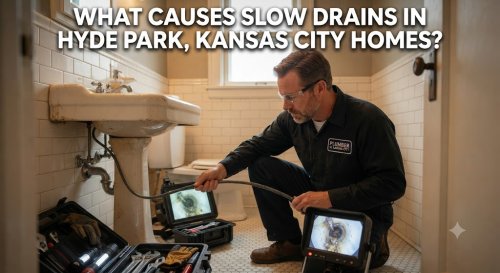
High-Definition Sewer Cameras: Micro-cameras travel hundreds of feet down pipes to locate blockages, root damage, or structural cracks without digging up your yard.
-
Acoustic & Thermal Leak Detectors: Advanced sensors listen through concrete slabs and walls to locate micro-leaks quietly.
-
Hydro Jetting Equipment: High-pressure water streams scour pipe interiors clean of grease, scale, and roots without damaging sound pipes.
-
Digital Pressure Gauges: Test exact system pressure to protect fixture valves from stress spikes.
How Long Do Plumbing Repairs Usually Take?
Repair timelines vary based on accessibility, system complexity, and job scope:
| Repair Category | Example Task | Typical Duration |
| Simple Repairs | Faucet repair, toilet flapper replacement, P-trap cleaning | 1 – 2 Hours |
| Moderate Repairs | Water heater replacement, drain snaking, garbage disposal install | 2 – 4 Hours |
| Major Repairs | Main sewer replacement, whole-house repiping, slab leak fix | 1 – 3 Days |
| Emergency Work | Burst main line isolation, active sewage backup clearance | Immediate Response (2–5 Hours) |
Key Factors That Determine Your Final Plumbing Bill
Several variables influence your total invoice when hiring a plumber in Kansas City, MO:
-
Diagnostic & Trip Fees: Covers dispatching a truck stocked with specialty parts to your site.
-
Parts & High-Grade Materials: Modern PEX-A, high-grade copper, brass valves, and commercial-grade fixtures vary in price.
-
Labor Rates & Time of Day: Standard weekday hours are lower than after-hours, weekend, or holiday emergency calls.
-
Specialized Equipment Needs: Heavy hydro jetters, excavators, or trenchless machinery carry daily operating costs.
-
Permitting & Code Compliance: City permits (e.g., inside Kansas City proper or surrounding municipalities) ensure structural safety but carry administrative fees.
-
Pipe Accessibility: Replacing pipes exposed in a basement floor is faster and cheaper than working behind tiled walls or under concrete slabs.
Hidden Truths Homeowners Should Know
-
Small Leaks Become Expensive Repairs: A minor drip left unfixed over six months can destroy floor joists, create mold, and double your utility bills.
-
Cheap Temporary Fixes Often Fail: Quick-fix putties and chemical tapes rarely withstand continuous house pressure for long.
-
Insurance May Not Cover Neglect: Most home insurance policies deny claims if water damage is traced to visible, unaddressed long-term corrosion.
-
Tree Roots Continuously Return: Chemical root treatments only slow growth; heavy root infestation eventually requires structural sewer repairs.
-
DIY Mistakes Increase Final Costs: Over-tightening plastic fittings, using improper pipe materials, or breaking hidden valves turns simple repairs into high-cost service calls.
-
Mold Develops Rapidly: Moist drywall in humid Midwestern summers can spawn mold within 24 to 48 hours.
15 Common Plumbing Mistakes Homeowners Make
-
Ignoring Minor Drips: Letting slow faucet or valve leaks drip for months.
-
Using Chemical Drain Cleaners: Caustic chemicals corrode metal pipes, damage porcelain, and create hazards for working plumbers.
-
Flushing "Flushable" Wipes: Wipes don't dissolve like toilet paper and stand as the leading cause of residential main line backups.
-
Pouring Cooking Grease Down Sinks: Warm liquid fat cools inside pipes, catching food particles and forming solid blockages.
-
Ignoring High Water Pressure: Operating over 80 PSI stretches internal valve seals and cracks line fittings.
-
Hiring Unlicensed, Uninsured Handymen: Lacking proper state licensing leaves you liable for accidental flooding damage.
-
Skipping Annual Inspections: Forgetting routine water heater flushes and sewer checkups.
-
Waiting for an Emergency to Search for a Plumber: Finding a trusted plumber in advance prevents frantic decision-making during floods.
-
Using Incompatible Metals: Joining copper directly to galvanized steel without a dielectric union triggers rapid galvanic corrosion.
-
Over-Tightening Plumbing Connections: Cracking fragile plastic nuts or stripping brass valve threads during DIY installs.
-
Leaving Garden Hoses Connected in Winter: Trapped water freezes back into interior spigot assemblies, causing split indoor lines.
-
Hanging Items from Exposed Pipes: Using basement supply lines as storage racks puts tension on solder joints.
-
Forgetting Main Valve Location: Wasting precious minutes looking for the main water shut-off while water floods your home.
-
Treating Garbage Disposals Like Trash Cans: Feeding stringy vegetables, potato peels, or eggshells down disposals.
-
Delaying Slab Leak Repairs: Hoping floor warm spots go away while soil beneath the foundation washes out.
Practical Maintenance Tips for Year-Round Savings
-
Test Your Main Shut-Off Valve: Turn your main valve once or twice a year to ensure it operates smoothly.
-
Insulate Pipes in Unheated Areas: Wrap pipes running through basements, garages, and crawl spaces with foam insulation before winter.
-
Flush Your Water Heater Annually: Drain accumulated sediment out of the bottom of your water heater tank to maintain energy efficiency.
-
Install Strainers in Drains: Use mesh traps in shower and sink drains to catch hair and soap scum.
-
Disconnect Hoses Before First Freeze: Disconnect and store all garden hoses before early winter cold snaps arrive.
-
Check Toilet Tanks for Silent Leaks: Drop a few drops of food coloring into your toilet tank. If color enters the bowl without flushing, replace your flapper.
-
Maintain Your Sump Pump: Pour a bucket of water into your basement sump pit every spring to confirm the float switch activates properly.
When Should You Call an Emergency Plumber?
Shut off your water main and contact an emergency plumber immediately if you experience:
-
Active Indoor Pipe Ruptures: Water flooding from ceilings, walls, or floorboards.
-
Complete Main Sewer Backups: Sewage backing up into bathtubs or floor drains when you run any water fixture.
-
Total Loss of Water: No running water available across all household fixtures.
-
Suspected Gas Line Leaks: Evacuate immediately, call your gas utility, and then reach out to a licensed technician.
-
Rapidly Rising Sump Pits During Storms: Impending basement flooding due to pump failure.
Frequently Asked Questions
Why is my water pressure suddenly low?
Sudden pressure loss usually points to a hidden pipe burst, a failing pressure-reducing valve (PRV), or a municipal line break in your neighborhood.
Can a clogged drain damage pipes?
Yes. Complete blockages trap water, increasing localized pressure and letting standing water erode pipe joints and seams over time.
Is hydro jetting safe for old pipes?
Professional hydro jetting is safe when preceded by a video camera inspection. If old cast iron or clay lines are cracked or collapsed, jetting pressures may require adjustment.
How do I know if my sewer line is broken?
Persistent sewer smells, wet patches in the lawn, recurring multi-fixture backups, and unexplained lawn indentation are classic symptoms of broken lines.
How long do water heaters last?
Traditional tank water heaters typically last 8 to 12 years. Tankless water heaters can last 15 to 20 years with proper routine flushing.
Why does my faucet drip?
Faucets drip due to worn internal O-rings, degraded rubber washers, or corroded ceramic valve cartridges.
What causes pipes to burst?
Pipes burst primarily from freezing water expansion inside sealed lines, severe corrosion thin-outs, high water pressure spikes, or mechanical damage.
Can plumbing leaks increase my water bill?
Absolutely. A running toilet can waste hundreds of gallons per day, while small hidden pinhole leaks add thousands of gallons to monthly billing.
When should I replace plumbing instead of repairing it?
Replace your plumbing if pipes show widespread structural corrosion, multiple leaks appear across the same run, or your lines are made of outdated materials like lead or galvanized steel.
What is included in a professional diagnostic fee?
Diagnostic fees cover dispatching a licensed technician, evaluating the issue with basic inspection tools, and presenting a formal repair proposal.
Why Choose Plumber in Kansas City?
When you need straightforward pricing, fast service, and trustworthy expertise, Plumber in Kansas City is ready to help.
-
Experienced Licensed Plumbers: Fully certified technicians who understand local municipal codes and Midwest plumbing requirements.
-
Upfront, Honest Estimates: No surprise billing—you review clear options before work starts.
-
Fast Response & Emergency Availability: Prepared to solve urgent pipe bursts, sewer backups, and heater failures.
-
Quality Workmanship & Modern Tools: Utilizing camera inspection, hydro jetting, and high-grade materials for lasting repairs.
-
Local Expertise: Proudly serving homeowners and business owners across Kansas City and neighboring communities.