Introduction
Discovering water pooling under your vintage bathroom sink or listening to your main sewer line gurgle mid-laundry cycle is enough to ruin anyone's afternoon. Securing a dependable plumber in Volker Kansas City becomes vital when unexpected pipe leaks, failing water heaters, or sudden blockages disrupt your daily routine. Volker's historic charm, filled with classic early 20th-century American Foursquare homes and mature neighborhood properties, brings unique infrastructure challenges. The region's intense Midwestern temperature swings, freezing winters, and shifting clay soils place severe structural stress on legacy water and drainage systems. Ignoring early red flags like slow drainage or subtle pressure drops can quickly result in expensive property damage, making prompt intervention by an experienced local professional essential.
Financial Breakdown: Cost Factors & Investment Realities
Plumbing repair expenditures fluctuate depending on the nature of the problem, the accessibility of the affected lines, and the materials deployed.
-
Diagnostic and service call dispatch fees: Cover the dispatch of a licensed technician equipped with advanced diagnostic gear to your Volker property.
-
Accessibility and labor complexity: Working within tight historic crawlspaces, stone-foundation basements, or excavating beneath concrete floors requires specialized technical labor.
-
Material quality selection: Premium piping materials like cross-linked polyethylene (PEX) or heavy-duty copper command higher initial costs than cheap plastics but offer superior long-term durability.
-
Permitting requirements: Major repiping or sewer line replacement jobs in Jackson County require formal local permits to protect structural integrity and property resale value.
Critical Warning Signs: When Your Home is Sounding the Alarm
Recognizing the subtle red flags of a failing plumbing system can save property owners thousands of dollars in emergency restoration costs.
-
Unexplained water meter spikes: If your municipal water meter continues spinning while all indoor fixtures and outdoor spigots are fully closed, a hidden underground or sub-slab leak is likely present.
-
Auditory clues: Pay attention to high-pitched whistling when opening faucets, rhythmic water hammering inside walls, or unusual gurgling sounds from toilet bowls when washing machines discharge.
-
Olfactory indicators: Persistent damp earth smells, musty mildew odors, or faint whiffs of sewer gas near floor drains point toward compromised vent stacks or cracked sewer lines.
-
Structural dampness: Soft drywall, bubbling paint, warped baseboards, or unexplained warm spots on flooring are classic symptoms of a compromised hot water supply line.
Professional Diagnostic & Repair Workflow
When you hire a licensed, insured plumbing specialist in Volker, the strategy to resolve your issue follows a meticulous, step-by-step framework.
-
Step 1: Non-Invasive Triage & Safety Isolation: The technician immediately identifies and shuts off localized water supply valves to halt active damage while ensuring electrical safety near fixtures.
-
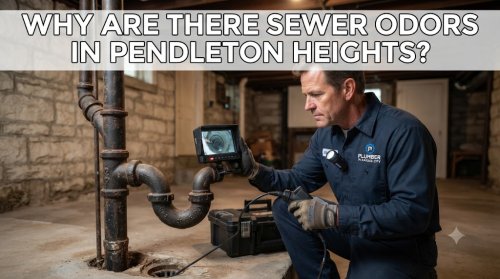
Step 2: Precision Diagnostic & Digital Video Inspection: Advanced equipment, including thermal imaging and push-rod cameras, locates the exact source of failure without unnecessary wall or floor demolition.
-
Step 3: Transparent, Upfront Options & Written Estimating: Before work begins, clear, flat-rate pricing options are presented detailing the repair path and municipal code requirements.
-
Step 4: Code-Compliant Remediation & Part Replacement: Repairs and component replacements utilize high-grade, corrosion-resistant materials matching Kansas City building codes.
-
Step 5: Pressure Testing, Flow Verification, & Clean-Up: The affected system undergoes rigorous pressure testing to confirm structural integrity before the workspace is meticulously cleaned.
Unique Expert Insights: Hard Truths Homeowners Learn Too Late
Navigating plumbing issues in historic neighborhoods requires insider knowledge to protect your property investment from repeating expensive mistakes.
-
Temporary patch kits mask deeper system failures: Rubber sleeves and epoxy tape applied to aging lines only delay the inevitable and can void insurance coverage during a blowout.
-
Chemical drain cleaners destroy pipe walls: Pouring harsh store-bought acid down slow drains creates extreme thermal reactions that corrode metal interiors and weaken PVC joints.
-
Unlicensed handymen create hidden code violations: Hiring cheap, unqualified labor often introduces improper venting or incorrect pipe slopes that fail during future real estate inspections.
-
Preventive maintenance is cheap insurance: Routine annual checkups cost a fraction of a midnight emergency extraction or a complete main line excavation.
-
Hard water accelerates fixture wear: Kansas City's mineral-dense water supply degrades faucet cartridges, flush valves, and water heater elements much faster than softened water systems.
What Is Volker Plumbing Strain? Decoding the Mechanism
Plumbing systems rely on a delicate balance of gravity, pressure, and air ventilation to operate efficiently. Under normal conditions, pressurized supply lines deliver clean water to household fixtures, while gravity-induced drainage carries wastewater safely away through a vertical vent stack that equalizes air pressure.
When a failure occurs—such as a partial obstruction in a main drain or heavy mineral buildup inside a supply pipe—this balance breaks down. Instead of smooth flow, turbulence and backpressure accumulate, forcing wastewater to find alternative exit routes or causing severe pressure drops across the property. In humid summer conditions, even a micro-leak behind a wall can foster mold growth within 48 hours.
Root Causes: Why This Problem Occurs in Volker Homes
Analyzing why plumbing failures occur in Volker requires looking closely at local environmental and architectural factors.
-
Aging infrastructure and historical materials: Many historic properties feature older cast iron or galvanized steel piping that degrades from the inside out after decades of continuous water exposure.
-
Hard water mineral scaling and calcification: High concentrations of minerals in local water supplies create heavy interior scaling, restricting flow and reducing water heater efficiency.
-
Municipal water pressure fluctuations: Sudden shifts in city water supply pressure can stress older residential connections and trigger premature valve failures.
-
Seasonal freeze-thaw cycles and ground shifting: Extreme winter temperature drops cause ground freezing and shifting, placing intense mechanical stress on rigid underground water and sewer lines.
-
Material degradation and wear over time: Constant thermal expansion and contraction gradually weaken standard gaskets, supply hoses, and soldered joints.
Advanced Diagnostics: The Professional Tool Arsenal
Modern plumbing relies heavily on sophisticated diagnostic technology that removes guesswork and prevents unnecessary property damage.
-
Electronic acoustic and thermal leak detectors: Amplify the sound of escaping water under concrete slabs or behind finished walls to pinpoint leaks precisely.
-
Push-rod high-definition drain and sewer cameras: Navigate through long stretches of piping to visually inspect for root intrusion, offset joints, grease buildup, or structural cracks.
-
Hydro-jetting high-pressure cleaning units: Deliver high-pressure water streams up to 4000 PSI to scour grease, scale, and stubborn blockages completely from pipe walls.
-
Electronic pipe locators and digital manometers: Accurately measure system pressure to diagnose failing pressure-reducing valves (PRVs) and protect household appliances from pressure surges.
DIY Reality Check: What You Can Safely Fix vs. When to Step Back
Knowing your limits when tackling plumbing issues prevents minor annoyances from escalating into major property disasters.
-
Safe homeowner actions: You can safely clear a minor clog using a standard plunger, reset a tripped garbage disposal unit, or shut off the main water supply valve during an emergency.
-
The danger zone: Never attempt DIY repairs on gas water heaters, main sewer lines, or electrical pump controls. Mistakes here risk structural flooding, electrocution, or major code violations.
-
When to drop the wrench: If a leak persists after tightening a visible slip nut, or if wastewater backs up into multiple home fixtures at once, drop the tools and call a licensed professional.
Comprehensive Home Plumbing Maintenance Framework
Proactive property upkeep is the single most effective way to safeguard your Volker home from unexpected plumbing emergencies.
-
Spring and Summer Maintenance Checks:
-
Test sump pumps and inspect discharge routes for blockages ahead of heavy spring rainstorms.
-
Inspect outdoor hose bibs for leaks, corrosion, or backflow prevention failures.
-
Monitor your municipal water meter monthly for unexplained consumption spikes.
-
-
Fall and Winter Preparation:
-
Flush your water heater tank annually to clear out corrosive mineral sediment buildup.
-
Insulate exposed exterior water supply lines and basement pipes to protect against freezing temperatures.
-
Check washing machine supply hoses for bulging, cracking, or stiffness.
-
-
Year-Round Habits:
-
Use mesh strainers in all showers and kitchen sinks to catch hair and food waste.
-
Locate your main water shut-off valve and ensure all household members know how to operate it.
-
Avoid pouring grease, coffee grounds, or harsh chemical drain cleaners down your drains.
-
Emergency Protocol: When Immediate Dispatch is Non-Negotiable
Certain plumbing scenarios demand an immediate 24/7 emergency response to prevent catastrophic property loss.
-
Catastrophic pipe bursts: A ruptured main supply line or frozen pipe spewing water across finished flooring requires an immediate shut-off and emergency extraction.
-
Main sewer line backups: Raw sewage backing up into bathtubs or floor drains poses severe biological health hazards and renders the home's plumbing unusable.
-
Total loss of potable water supply: A complete interruption of water delivery leaves a property without essential sanitation capabilities.
-
Overflowing fixtures threatening electrical panels: Water coming into contact with live electrical outlets or breaker boxes creates an immediate electrocution hazard.
Frequently Asked Questions (FAQs)
What causes sudden low water pressure in historic Volker homes?
Low pressure in older homes is typically caused by heavy mineral scaling inside galvanized steel lines, a failing pressure-reducing valve (PRV), or municipal supply main issues.
How often should I have my home's sewer lines inspected?
Property owners should schedule a professional video camera sewer inspection every two to three years, especially in historic neighborhoods featuring mature trees and clay lateral lines.
Can I use liquid chemical drain cleaners on slow drains?
No. Chemical cleaners generate heat that can warp PVC pipes and corrode metal components, often hardening clogs further down the drainage line.
What are the main signs of a main sewer line clog?
Key indicators include multiple fixtures backing up simultaneously, gurgling toilets when running the sink, and water bubbling up in floor drains during laundry cycles.
Why does my water heater make a popping noise during winter?
Popping or rumbling noises inside a water heater tank are caused by boiling water trapped beneath thick layers of hard water mineral sediment settling at the bottom.
Are permits required for plumbing repairs in Kansas City?
Yes, major plumbing renovations, water heater replacements, and main sewer or repiping projects require local permits to ensure compliance with municipal building codes.
How can I prevent frozen pipes during Kansas City winters?
Insulate vulnerable pipes in unheated crawlspaces and exterior walls, let faucets drip slightly during sub-freezing nights, and keep basement doors closed.
What should I do first during a major plumbing leak?
Locate your property's main water shut-off valve immediately and turn it a quarter-turn clockwise to stop water flow before calling an emergency plumber.