Main Drain Overflow in Northeast KC: What to Do Fast
Main drain overflowing in Northeast Kansas City? Learn immediate steps, root causes, costs, repair timelines, and how to fix main line sewer backups.

Need a Plumber in Kansas City, MO?
Plumbing Problem? Call for professional plumbing help.
Get help with emergency plumbing, clogged drains, leaking pipes, water heaters, burst pipes and other residential plumbing problems in Kansas City, Missouri.
Need a Plumber in Kansas City, MO?
Plumbing Problem? Call for professional plumbing help.
Get help with emergency plumbing, clogged drains, leaking pipes, water heaters, burst pipes and other residential plumbing problems in Kansas City, Missouri.
What to Do When a Main Drain Overflows in Northeast Kansas City
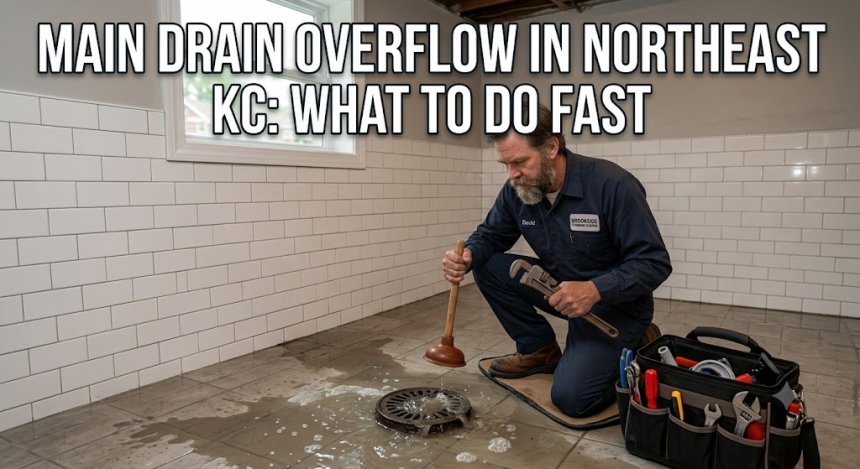
Few household disasters match the sheer panic of walking down to your basement or lower-level bathroom only to find dark, foul-smelling wastewater bubbling up through the floor drain or shower basin. If you live in Northeast Kansas City—whether in Historic Northeast, Pendleton Heights, Scarritt Point, or Lykins—a main drain overflow is a serious issue that demands immediate action.
Because many homes across Northeast Kansas City were built in the late 19th and early 20th centuries, their plumbing infrastructure faces unique pressure. Aging clay pipes, massive mature shade trees, heavy Midwest rainstorms, and decades of normal wear all combine to create the ideal conditions for main line blockages.
Homeowners frequently search for answers when every sink in the house slows down at once or when flushing an upstairs toilet forces raw sewage out of a downstairs drain. Knowing exactly what steps to take during the first 30 minutes of a sewer backup can mean the difference between a simple line clearing and thousands of dollars in structural damage and environmental cleanup. This practical guide covers immediate safety steps, root causes, professional repair processes, cost variables, and long-term prevention strategies.
What Is a Main Drain Overflow?
A main drain overflow occurs when the central sewer lateral line—the underground pipe that collects wastewater from every toilet, sink, tub, and appliance in your house and carries it to the city sewer main under the street—becomes completely blocked, collapsed, or damaged.
Because gravity pulls wastewater to the lowest possible point in your plumbing system, a downstream blockage in your main line forces all incoming wastewater to back up and spill out of your lowest drain fixtures, typically a basement floor drain, utility sink, or basement shower.
[ Upstairs Toilets & Sinks ] ──> Wastewater Flows Down ──> Main Sewer Line Clog
                                                                  │
[ Raw Sewage Spills Out ]   <── Lowest Drain (Basement) <────────┘
Common Situations & Symptoms
-
Whole-House Backup: Multiple fixtures across different floors fail to drain at the same time.
-
Fixture Reciprocation: Running your washing machine causes water to surge up into your kitchen sink, or flushing a toilet causes the basement tub to fill with dark water.
-
Gurgling Floor Drains: Air trapped behind a dense main line obstruction makes loud glug-glug sounds through P-traps throughout the house.
-
Standing Water Around Basements: Foul-smelling water pools near basement floor drains or around cleanout caps in crawl spaces.
Why Does This Plumbing Problem Happen?
A main drain overflow rarely happens without warning; it is usually the result of long-term mechanical breakdown, environmental pressure, or pipe material fatigue.
1. Invasive Tree Root Intrusion
In historic neighborhoods like Pendleton Heights and Scarritt Point, beautiful hundred-year-old oak and maple trees line the streets. Their aggressive root systems constantly seek out underground water sources. Hairline cracks or open joints in older clay lateral pipes allow tiny roots to slip inside. Once inside, they thrive on moisture, expanding into dense masses that trap toilet paper and solids until the line freezes completely.
2. Failing Historic Pipe Materials
Many homes in Northeast Kansas City still rely on original or mid-century sewer line materials:
-
Vitrified Clay Pipe: Common in older construction; highly susceptible to joint offset, snapping under ground settlement, and root invasion.
-
Cast Iron Lines: Vulnerable to internal flaking, rust build-up (scale), and bottom channel rotting over 50+ years of constant moisture.
-
Orangeburg Pipe: Bituminized fiber pipes installed mid-century that ovalize, flatten, and collapse under soil weight over time.
3. Grease and Non-Flushable Debris Accumulation
Over time, pouring cooking oils, animal fats, and grease down kitchen sinks creates a thick, hardened coating on main pipe walls. When combined with "flushable" wipes, paper towels, or feminine hygiene products, this grease layer catches debris like flypaper, quickly forming a dense plug in your main sewer lateral.
4. Heavy Kansas City Rainfall and Storm Surges
During torrential rainstorms across Jackson County, combined storm and sanitary municipal sewer systems can become overwhelmed. Excess storm runoff rushes through city mains, creating immense backpressure that forces municipal sewage backward into private residential sewer laterals if backwater valves are missing or broken.
Signs You Should Never Ignore
Spotting early warning signs gives you time to clear a main sewer line before raw sewage damages your home’s interior:
+------------------------------------+-----------------------------------------------------+
| Warning Sign                       | What It Indicates About Your Sewer Line             |
+------------------------------------+-----------------------------------------------------+
| Slow Draining Across All Fixtures  | Blockage in the main sewer trunk line, not individual sink.|
| Toilet Water Level Fluctuations    | Vent stack air restriction or main line backpressure.|
| Sewage Odors in Basement or Yard   | Cracked lateral pipe or loose cleanout plug leaking gas.|
| Green, Soggy Patches in Lawn       | Underground sewer pipe break leaking nutrient water. |
+------------------------------------+-----------------------------------------------------+
-
Multiple Slow Drains: When your kitchen sink, shower, and washing machine all drain sluggishly at once, the issue is downstream in the main sewer lateral.
-
Gurgling Sounds After Flushing: Gurgling toilets or shower drains mean wastewater is squeezing past a restriction, forcing trapped sewer air back up through water traps.
-
Sewage Odors Indoors or Outdoors: Methane and sulfur smells inside your home mean P-traps are drying out or wastewater is escaping through cracked subterranean lines.
-
Standing Water Near Floor Drains: Any water pooling around lower-level floor drains is a clear sign that wastewater has nowhere to go but back inside.
Common Plumbing Problems Related to Main Drain Overflows
When your main sewer line stops flowing, secondary damage happens quickly:
-
Subfloor and Framing Rot: Raw sewage seeping into basement concrete, wooden subfloors, and studs creates structural rot.
-
Foundation Wall Seepage: Leaking sewer laterals near foundation walls wash away supporting soil, leading to wall cracking and foundation settlement.
-
Fixture Seal Blowouts: Heavy hydraulic pressure behind blocked main lines forces water past toilet wax rings, causing hidden subfloor water damage.
Step-by-Step Professional Repair Process
When you call a licensed plumber to handle an overflowing main drain, they follow a systematic approach to secure your home, clear the line, and fix structural defects:
Step 1: Emergency Isolation and Safety Check
The plumber turns off main water sources to prevent accidental water usage, inspects electrical hazards near standing water, and sets up personal protective containment.
Step 2: High-Definition Video Camera Inspection
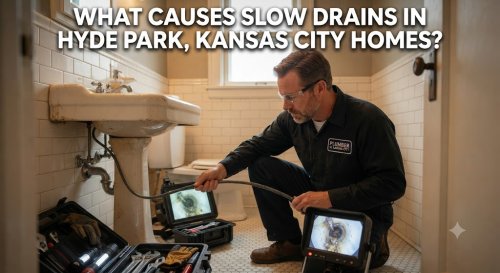
The technician feeds a flexible waterproof video camera into your main cleanout port. This allows both the plumber and homeowner to visually confirm the exact location, depth, and nature of the blockage (e.g., roots, broken pipe, offset joint, or grease plug).
Step 3: Diagnostic Assessment & Estimate
Based on camera footage, the plumber provides clear repair options—ranging from mechanical snaking and hydro jetting to structural pipe repair—complete with an upfront estimate.
Step 4: Line Clearing or Pipe Repair
Depending on the diagnosis:
-
Mechanical Cable Snaking: Heavy-duty rotating blades cut through tree roots and solid debris to restore emergency flow.
-
Hydro Jetting: High-pressure water stream scours grease, scale, and organic buildup off pipe walls, restoring full diameter.
-
Trenchless Pipe Lining (CIPP) or Excavation: Damaged or collapsed pipe sections are repaired internally using epoxy liners or dug up for physical replacement.
Step 5: Post-Repair Verification & Testing
The plumber runs a second camera inspection down the cleared line while flushing fixtures to verify continuous flow, proper slope, and smooth pipe walls.
Step 6: Cleanup and Decontamination
The work area around the cleanout is sanitized, equipment is disinfected, and safety checks are performed.
Step 7: Preventative Maintenance Plan
The plumber details long-term steps, such as regular root treatments or installing a backwater valve, to prevent future overflows.
Can You Fix It Yourself?
An overflowing main sewer line is a hazardous situation that requires professional intervention. DIY attempts often worsen the damage or expose your household to harmful pathogens.
                  SAFE DIY ACTIONS                            CALL A PROFESSIONAL
   +------------------------------------------+    +------------------------------------------+
   | • Turn off main household water valve    |    | • Operating heavy cable drain augers     |
   | • Stop using all sinks, tubs & toilets   |    | • Hydro-jetting clogged main sewer lines |
   | • Open main cleanout cap carefully       |    | • Video camera sewer line inspections    |
   | • Move valuables away from floor drains  |    | • Replacing cracked or collapsed pipes   |
   +------------------------------------------+    +------------------------------------------+
Safe Temporary Fixes Homeowners Can Do
-
Shut Off the Main Water: Immediately turn off your home’s main water shut-off valve to prevent household members from running sinks, showers, or toilets.
-
Stop Using All Plumbing Fixtures: Do not run dishwashers or washing machines until the main line is cleared.
-
Carefully Open Outdoor Cleanouts (If Accessible): If you have an exterior cleanout in your yard, carefully loosening the cap can relieve pressure and divert backing-up sewage onto the lawn rather than inside your basement.
Why DIY Chemical Cleaners and Small Snakes Fail
Pouring grocery store chemical drain openers down an overflowing main drain is dangerous. Caustic chemicals sit on top of the deep blockage, failing to break through heavy root masses while creating chemical burn hazards for technicians using mechanical tools. Additionally, small hand augers lack the power, reach, and cable stiffness required to clear 4-inch underground sewer pipes.
Tools Professionals Use for Main Line Sewer Repairs
Licensed plumbing contractors use specialized commercial equipment to resolve main line sewer emergencies safely:
-
Commercial Sewer Cables (Snakes): Heavy 3/4-inch steel cables fitted with specialized root-cutting blades designed to clear tough blockages deep underground.
-
Hydro Jetters: Industrial pumps that blast water at 3,000 to 4,000 PSI to wash away grease, sludge, and tree roots without damaging pipes.
-
Sewer Cameras with Sonde Locators: High-resolution digital lenses equipped with radio transmitters that tell plumbers the exact depth and location of underground pipe breaks from above ground.
-
Trenchless Epoxy Lining Rigs: Inversion equipment used to repair broken sewer pipes under lawns or driveways without digging trenches.
How Long Does the Repair Usually Take?
Repair timelines depend on the severity of the blockage and structural condition of the pipe:
-
Standard Main Line Snaking (1–2 Hours): Clearing active root or paper blockages through an accessible cleanout.
-
Hydro Jetting & Full Line Scouring (2–4 Hours): Deep-cleaning grease, scale, and heavy root masses from pipe walls.
-
Trenchless Pipe Lining (1 Day): Inserting and curing an epoxy pipe liner inside an existing broken sewer pipe.
-
Open-Trench Sewer Line Replacement (1–3 Days): Excavating deep soil, replacing collapsed pipe runs, backfilling, and restoring site surfaces.
Cost Factors in Main Drain Repair
Plumbing repair costs vary depending on the severity of the problem, accessibility, materials required, emergency service, property type, and local labor rates.
Key cost components include:
-
Emergency vs. Standard Scheduling: After-hours, weekend, or holiday dispatch calls carry different rates than standard business hours.
-
Accessibility of Cleanouts: If your home lacks an accessible main sewer cleanout, plumbers may need to pull a toilet to reach the main line, increasing labor time.
-
Extent of Line Damage: Clearing a simple clog vs. repairing structural pipe collapses deep under driveways or historic landscaping.
-
Permitting & Utility Location: Municipal excavation permits required by local city departments for street-line connections.
-
Lining vs. Digging: Non-invasive trenchless repairs avoid costly lawn, sidewalk, and driveway reconstruction expenses.
Hidden Truths Homeowners Should Know
Understanding practical plumbing realities helps protect your property investment and family health:
-
You Own the Sewer Line to the Main: In Kansas City, homeowners are responsible for maintaining and repairing their private sewer lateral all the way to the municipal main connection under the street.
-
Cable Snaking Is a Temporary Root Solution: Snaking cuts a hole through root masses to restore flow, but roots regrow within 6 to 12 months unless the pipe is sealed, lined, or replaced.
-
Standard Home Insurance Excludes Sewer Backups: Standard insurance policies usually exclude backup water damage unless you have purchased an explicit Sewer and Drain Backup endorsement rider.
-
Wipes Are Never Flushable: Despite label marketing claims, non-woven synthetic wipes do not dissolve in water and remain the leading cause of residential main line clogs.
-
Raw Sewage Is a Serious Biohazard: Sewage contains harmful bacteria, viruses, and parasites. Thorough professional decontamination is necessary after any indoor overflow.
15 Common Mistakes Homeowners Make
-
Continuing to Run Water During a Backup: Running sinks or showers while main lines are blocked forces more sewage into the basement.
-
Pouring Chemical Drain Cleaners into Main Lines: Caustic chemicals burn pipes and create safety hazards for plumbers without clearing heavy clogs.
-
Flushing "Flushable" Wipes: Disposing of wipes, baby towels, or paper towels down toilets.
-
Pouring Grease Down Kitchen Drains: Allowing hot grease to cool and coat main line pipe walls.
-
Ignoring Gurgling Drain Noises: Dismissing warning sounds until raw sewage backs up inside.
-
Planting Deep-Rooted Trees Near Sewer Lines: Placing maples, willows, or elms directly over buried lateral lines.
-
Hiring Unlicensed Handymen: Working with unvetted workers who lack video camera tools, permits, and proper insurance.
-
Removing Cleanout Plugs Indoors During Backups: Uncapping basement cleanouts while lines are pressurized floods living spaces with raw sewage.
-
Skipping Pre-Purchase Sewer Camera Inspections: Buying older homes without inspecting main clay lateral lines.
-
Burying Cleanout Access Points: Covering yard cleanouts under mulch, decks, or concrete during landscaping projects.
-
Failing to Add Sewer Riders to Insurance: Leaving properties exposed to costly cleanup bills after sewer backups.
-
Delaying Professional Inspection: Allowing minor backups to cause structural rot and toxic mold growth.
-
Using Incorrect Replacement Pipe Materials: Connecting mismatched pipe materials without approved transitional fittings.
-
Over-Tightening Plastic Cleanout Caps: Cracking cleanout threads during simple maintenance checks.
-
Forgetting to Install a Backwater Valve: Leaving low-lying basements unprotected against municipal storm sewer surges.
Practical Maintenance Tips for Homeowners
Protect your main sewer line and reduce the risk of backups with these simple habits:
-
Schedule Annual Camera Inspections: Inspect your sewer line annually if your property has mature trees or older clay pipes.
-
Enzyme Treatments for Organic Buildup: Use non-caustic, natural enzyme cleaners monthly to break down organic matter in main lines.
-
Dispose of Grease in the Trash: Allow cooking oils to cool in containers and discard them in the trash, never down the sink.
-
Keep Cleanouts Accessible: Ensure exterior cleanouts remain uncovered by dirt, mulch, or concrete structures.
-
Install a Backwater Valve: Protect low-level basement drains by installing a one-way backwater valve that prevents municipal main surges from entering your home.
-
Winterize Outdoor Drains: Clear leaves and debris from yard drains before Midwest winter freezes set in.
When Should You Call an Emergency Plumber?
Main drain overflows require fast professional response to limit property damage and health risks:
                               EMERGENCY PLUMBING DECISION TREE

              Is raw sewage actively backing up into your basement or shower?
                                    │
                  ┌─────────────────┴─────────────────┐
                 YES                                  NO
                  │                                   │
      [ Shut off main water line ]     Is only a single sink draining slowly?
      [ Call Emergency Plumber ]                      │
                                        ┌─────────────┴─────────────┐
                                       YES                          NO
                                        │                           │
                          [ Safe DIY / Schedule Visit ]  [ Multiple Drains Slow ]
                                                         [ Schedule Inspection ]
-
Raw Sewage Overflowing from Lower Drains: Any active backup of wastewater in basements, floor drains, or tub basins.
-
Multi-Fixture Total System Stoppage: Complete loss of drainage across all toilets, sinks, and showers simultaneously.
-
Strong Sewer Gas Odors Indoors: Persistent methane gas smells indicating open pipe breaks or blown water traps.
Frequently Asked Questions
Why is my main drain backing up into the basement?
A main drain backs up when an underground obstruction—such as invasive tree roots, grease accumulation, broken pipes, or severe root masses—blocks your sewer lateral, forcing incoming wastewater out through your home's lowest drains.
Can a clogged main sewer line clear itself?
No. Main line clogs caused by tree roots, collapsed pipes, or heavy grease buildup will not clear on their own and will worsen until professionally cleared or repaired.
How much does main sewer line clearing cost in Kansas City?
Plumbing repair costs vary depending on the severity of the problem, accessibility, materials required, emergency service, property type, and local labor rates. A video camera inspection provides an accurate diagnostic scope.
Is hydro jetting safe for old clay sewer pipes?
Yes, when performed by an experienced technician following a video camera inspection. Hydro-jetting pressures are adjusted to clear scale and roots without damaging structurally sound clay pipes.
How do I know if my sewer line is broken or just clogged?
A simple clog can be cleared with a cable machine, and water flow will return to normal. If camera inspection shows offset joints, crushed sections, ovalized pipes, or immediate root re-entry, the line is broken and requires repair.
How long does it take to hydro jet a main sewer line?
Hydro jetting a residential main sewer line typically takes between 2 and 4 hours, depending on pipe length, cleanout access, and the severity of grease or root buildup.
Will insurance pay for clean-up after a sewer backup?
Standard homeowner policies typically exclude sewer backups unless you have added a specific Sewer and Drain Backup endorsement rider to your policy before the event occurred.
What is the difference between snaking and hydro jetting?
Snaking uses a rotating cable to puncture holes through clogs and clear immediate blockages, while hydro jetting uses high-pressure water to scour the entire inner pipe wall clean of grease, scale, and roots.
What causes gurgling noises in toilets when the shower runs?
Gurgling noises occur when air is trapped behind a main sewer line restriction. As water flows down one pipe, air is forced up through nearby P-traps, creating a bubbling sound.
How often should old sewer lines be camera inspected?
Homes older than 40 years or properties with large shade trees near buried utility lines should have a sewer camera inspection performed once every 12 to 18 months.
Why Choose Plumber in Kansas City
When dealing with a main drain overflow emergency, working with a prompt, trustworthy local expert is critical.
At Plumber in Kansas City, we serve homeowners and business owners across the metro area—including Historic Northeast, Pendleton Heights, Scarritt Point, Westport, Waldo, Brookside, Overland Park, and surrounding communities.
-
Experienced Licensed Sewer Specialists: Our licensed technicians have extensive local experience diagnosing historic pipe systems across Kansas City.
-
Upfront Pricing & Honest Recommendations: We perform detailed video camera inspections to show you the exact condition of your sewer line before work begins, offering clear upfront estimates.
-
Advanced Equipment: From high-definition camera diagnostics to hydro-jetters and trenchless pipe lining technology, we solve main line emergencies efficiently.
-
Fast Emergency Response: We understand that a sewer backup is a severe hazard, offering fast scheduling to protect your property and health.