Introduction
Standing ankle-deep in water on a Sunday night while your basement drain gurgles a greeting of impending doom is an experience no property owner wants to face. When your plumbing system fails, stress spikes immediately. Finding a reliable plumber in Westport Kansas City MO shouldn't add to that panic. Whether you live in a historic home near Westport Road or a modern build closer to midtown, Kansas City's shifting soils, aging infrastructure, and harsh temperature swings place immense strain on residential and commercial plumbing networks. Ignoring minor leaks or slow drains almost always leads to catastrophic structural damage, ruined flooring, and thousands of dollars in avoidable restoration costs.
What Is Local Plumbing Integrity? Decoding the Mechanism
At its core, a residential plumbing network is a closed-loop system divided into two distinct halves: supply and drainage. The supply side delivers pressurized potable water to your fixtures, while the drainage, waste, and vent (DWV) system relies on gravity to safely carry wastewater away through your sewer lateral.
-
The Ideal State: Clean water flows smoothly under regulated pressure, and wastewater exits instantly through sloped, vented pipes without resistance.
-
The Failure State: When mineral buildup restricts supply or root intrusion compromises your drain lines, the hydraulic balance breaks down. Pressure spikes, slow drains turn into complete backups, and pressurized joints begin to weep or rupture.
Imagine a classic 1920s bungalow in Westport. Its original cast-iron waste stack has weathered a century of thermal expansion and contraction. The interior walls of the pipe have scaled up with rust and grease, narrowing the inner diameter until a single clump of stubborn waste creates a total household deadlock. Water has nowhere to go, so it forces its way backward out of the lowest basement floor drain.
Critical Warning Signs: When Your Home is Sounding the Alarm
Plumbing failures rarely happen without warning. Your home speaks to you through subtle sensory clues long before a pipe bursts. Ignoring these indicators accelerates hidden structural damage:
-
Sensory Indicators:
-
Visual Clues: Unexplained damp patches on drywall, buckling hardwood floors, peeling wallpaper, and sudden spikes on your municipal water bill.
-
Auditory Clues: Loud banging when turning off a faucet (water hammer), high-pitched whistling from pressure-reducing valves, gurgling sounds from toilet bowls when running the washing machine, and phantom toilet flushing.
-
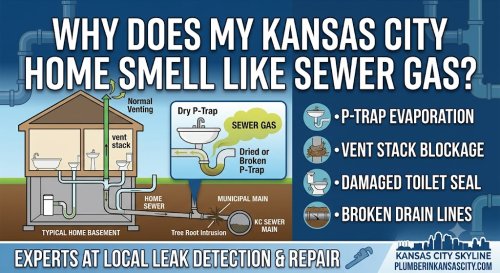
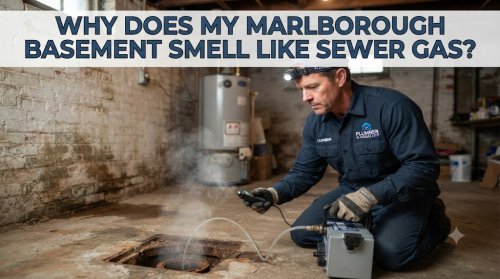
Olfactory Clues: Persistent odors of sulfur or damp earth near floor drains, signaling dried-out P-traps or cracked sewer vent stacks.
-
-
Cascading Risks: Delaying intervention allows moisture to seep into foundational framing, encouraging aggressive black mold colonies to form within 24 to 48 hours, compromising structural load-bearing timber and indoor air quality.
Root Causes: Why This Problem Occurs in Kansas City Homes
Kansas City presents a unique environment that tests the durability of every plumbing fixture. Several regional factors drive frequent service calls:
-
Aging Infrastructure & Historic Piping: Many homes throughout Westport and surrounding urban cores feature aging cast iron, clay tile, or fragile galvanized steel supply lines that have long exceeded their expected service life.
-
Hard Water Mineral Scaling: The local municipal water supply carries high concentrations of calcium and magnesium. Over time, these minerals precipitate out of hot water, calcifying inside water heaters, faucet aerators, and supply lines, severely restricting flow rates.
-
Extreme Seasonal Freeze-Thaw Cycles: Mid-Missouri winters bring bone-chilling freezes followed by rapid thaws. Uninsulated pipes in crawlspaces, exterior walls, or unheated basements freeze, expand, and split at the seams.
-
Foundation Shifting & Expansive Clay Soils: Kansas City's clay-heavy soils swell when saturated with spring rains and shrink during dry summer droughts. This constant ground movement exerts shear stress on underground sewer lines, pulling joints apart and snapping brittle clay pipes.
Professional Diagnostic & Repair Workflow
A licensed master plumber doesn't guess; they execute a repeatable, methodical workflow to isolate issues and fix them permanently:
-
Non-Invasive Triage & Safety Isolation: The technician immediately shuts off local or main water valves, assesses electrical hazards near standing water, and determines the scope of the emergency.
-
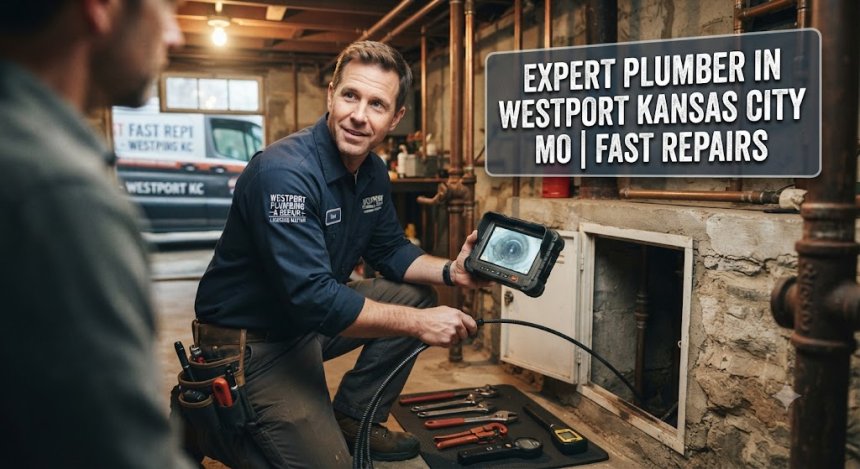
Precision Diagnostic & Digital Video Inspection: A high-definition push camera is fed directly into the sewer lateral or supply line to visually record root intrusion, offsets, bellies, or scale buildup in real time.
-
Transparent, Upfront Options & Written Estimating: Before turning a single wrench, the plumber provides clear, flat-rate pricing options tailored to repair, line-relining, or total replacement paths.
-
Code-Compliant Remediation & Part Replacement: Repairs are executed using modern, high-grade materials like cross-linked polyethylene (PEX) and schedule 40 PVC, strictly adhering to local municipal plumbing codes.
-
Pressure Testing, Flow Verification, & Clean-Up: The system undergoes rigorous pressure testing to confirm structural integrity, fixtures are flow-tested, and the workspace is left immaculate.
Advanced Diagnostics: The Professional Tool Arsenal
Modern plumbing relies heavily on diagnostic technology. Professionals bypass guesswork by deploying specialized industrial equipment:
-
Electronic Acoustic & Thermal Leak Detectors: Pinpoint hidden leaks behind tiled walls or beneath concrete slab foundations without tearing up your flooring.
-
Push-Rod High-Definition Drain & Sewer Cameras: Provide crystal-clear digital views of pipe interiors to locate cracks, grease blockages, and structural failures precisely.
-
Hydro-Jetting High-Pressure Cleaning Units: Deliver up to 4,000 PSI of water pressure to scour grease, scale, and heavy root masses completely off interior pipe walls.
-
Electronic Pipe Locators & Digital Manometers: Map out the exact depth and path of underground utility lines and measure micro-fluctuations in household water pressure.
Financial Breakdown: Cost Factors & Investment Realities
Plumbing investments vary widely based on job complexity. Professional plumbing is priced through flat-rate models that account for several variables:
-
Diagnostic & Service Dispatch Fees: Covers the travel time and specialized troubleshooting expertise required to diagnose complex hidden failures.
-
Specialty Equipment Deployment: Utilizing hydro-jets, sewer cameras, or electronic leak detectors adds efficiency and precision to the job.
-
Material Quality & Accessibility: Replacing easily accessible exposed PEX piping costs significantly less than excavating beneath a concrete basement floor to replace a collapsed cast-iron sewer lateral.
-
Permitting & Code Requirements: Major system overhauls require municipal permits and inspections to protect property resale value and ensure safety.
-
Repair vs. Total Replacement: Patching a localized leak is cost-effective, but if a piping system is structurally compromised throughout, proactive total repiping prevents recurring emergency expenses.
DIY Reality Check: What You Can Safely Fix vs. When to Step Back
While DIY spirit saves money on weekend projects, plumbing is one area where mistakes can cause catastrophic water damage.
-
Safe Homeowner Actions: Clearing a basic sink strainer, plunging a minor toilet clog with a standard flange plunger, shutting off the main water supply valve during an emergency, and resetting a garbage disposal motor.
-
The Danger Zone: Attempting to clear main sewer line clogs with cheap rented augers can snap cables inside the pipe. Soldering copper pipes near wooden studs risks house fires, and working on gas lines or high-voltage water heater elements carries severe electrocution and explosion hazards.
-
When to Call a Pro: If a clog refuses to clear after two gentle plunges, if water backs up simultaneously in multiple fixtures, or if you smell gas or notice active leaks near electrical panels, drop the wrench immediately and call a licensed professional.
Unique Expert Insights: Hard Truths Homeowners Learn Too Late
Years in the field reveal recurring patterns that separate costly mistakes from smart homeownership:
-
Temporary patch kits and rubber wrap tapes only mask deeper system failures and can void homeowners insurance clauses when they eventually burst under pressure.
-
Liquid chemical drain cleaners generate extreme exothermic reactions that warp plastic pipes and severely corrode metal pipe walls from the inside out.
-
Unlicensed handymen frequently violate municipal plumbing codes, creating hidden defects that fail instantly during real estate home buyer inspections.
-
Preventive maintenance plans cost a fraction of a single emergency midnight water extraction and extend the lifespan of expensive appliances like water heaters by years.
Comprehensive Home Plumbing Maintenance Framework
Protecting your plumbing investment requires consistent, seasonal attention:
-
Spring & Summer Checks:
-
Test outdoor hose bibs for proper backflow and pressure.
-
Flush and test sump pump operation before heavy spring storms hit.
-
Inspect exterior foundation grading to ensure rainwater flows away from your home's perimeter.
-
-
Fall & Winter Preparation:
-
Disconnect, drain, and store outdoor garden hoses; shut off interior isolation valves to exterior spigots.
-
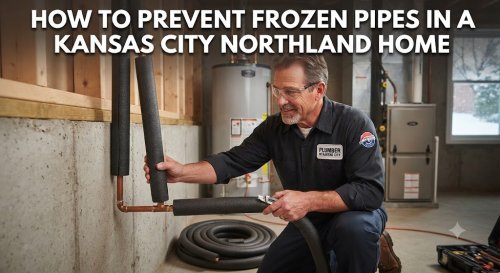
Insulate exposed pipes located in unheated crawlspaces, garages, and exterior walls.
-
Flush sediment buildup from traditional tank water heaters annually.
-
-
Year-Round Habits:
-
Use mesh hair and food strainers in all sink and shower drains.
-
Test your pressure-reducing valve (PRV) annually to ensure household pressure stays below 80 PSI.
-
Never pour grease, coffee grounds, or fibrous food waste down kitchen sink disposals.
-
Emergency Protocol: When Immediate Dispatch is Non-Negotiable
Some plumbing issues cannot wait until morning. Call for emergency dispatch immediately if you encounter:
-
Catastrophic Pipe Bursts: Uncontrolled water gushing from broken supply lines, threatening your home's drywall, insulation, and electrical systems.
-
Main Sewer Line Backups: Wastewater backing up into multiple basement floor drains, bathtubs, and showers simultaneously.
-
Total Loss of Potable Water: Complete disruption of water supply to your home, impacting sanitation and basic living needs.
-
Electrical Proximity Hazards: Water overflowing from fixtures directly onto active electrical outlets, appliance cords, or breaker panels.
Frequently Asked Questions (FAQs)
How do I know if my sewer line is damaged in Westport?
Look for slow-draining tubs, gurgling toilets, foul sewer odors in the yard, or lush, bright green patches of grass above your underground sewer lateral. A professional video camera inspection provides definitive proof.
Can hard water damage my home plumbing in Kansas City?
Yes. High mineral content causes scale buildup inside water heaters and supply pipes, reducing water flow, burning out heating elements prematurely, and shortening the lifespan of fixtures.
Why is my water bill suddenly higher without increased usage?
An unexplained spike in your water bill is almost always the signature of a hidden plumbing leak, such as a running toilet flapper, a cracked underground supply line, or a leaking slab pipe.
Is it safe to use store-bought chemical drain openers?
No. Chemical drain cleaners use caustic acids or lye that eat away at older cast-iron and PVC pipe walls, often hardening clogs into a cement-like consistency rather than clearing them.
What should I do while waiting for an emergency plumber to arrive?
Immediately locate and turn off your home's main water supply shut-off valve to stop active flooding. Move valuable items away from standing water and avoid using electrical appliances near wet areas.
How often should I flush my residential water heater?
You should flush your water heater tank at least once a year to remove mineral sediment buildup, improve energy efficiency, and extend the overall lifespan of the appliance.
What causes loud banging noises in my pipes when I turn off faucets?
This is known as water hammer. It occurs when fast-moving water stops abruptly, sending a shockwave through the pipe network. Installing water hammer arrestors permanently resolves the issue.
Are tankless water heaters worth the investment in Kansas City?
Yes. Tankless water heaters provide endless on-demand hot water, take up a fraction of the space, and operate more efficiently during cold midwestern winters when incoming water temperatures drop significantly.