Kansas City Sewer Lateral Repair: Signs & Solutions
Is your sewer line backing up? Learn warning signs, repair costs, DIY limits, and expert sewer lateral solutions for your Kansas City home.

Need a Plumber in Kansas City, MO?
Plumbing Problem? Call for professional plumbing help.
Get help with emergency plumbing, clogged drains, leaking pipes, water heaters, burst pipes and other residential plumbing problems in Kansas City, Missouri.
Need a Plumber in Kansas City, MO?
Plumbing Problem? Call for professional plumbing help.
Get help with emergency plumbing, clogged drains, leaking pipes, water heaters, burst pipes and other residential plumbing problems in Kansas City, Missouri.
How to Tell If Your Kansas City Sewer Lateral Needs Repair
Few plumbing emergencies cause as much panic for a homeowner as walking into the basement to find raw sewage seeping out of a floor drain. In older, tree-lined neighborhoods across Kansas City, sewer lateral issues are among the most serious infrastructure problems a property owner can face.
Your sewer lateral is the underground pipe that carries all wastewater from your toilets, sinks, showers, and appliances away from your house and into the main city sewer line. Because this pipe sits buried several feet underground, damage often develops out of sight for months or even years. Homeowners frequently search for answers when multiple drains slow down at once, strange smells enter the yard, or green patches sprout in the lawn.
Catching sewer line damage early is the difference between a minor localized repair and an expensive excavation project that destroys your landscaping. This comprehensive guide breaks down how your sewer lateral works, critical warning signs, professional repair options, cost factors, and steps you can take today to protect your property.
What Is a Kansas City Sewer Lateral?
A sewer lateral is the private underground sewer line connecting your building’s interior plumbing to the municipal sewer main running under your street or alley. In Kansas City and surrounding areas in Jackson County, Johnson County, and Wyandotte County, the property owner is generally responsible for maintaining and repairing the entire length of this pipe from the house connection all the way to the city main.
[ House Plumbing ] ──> Private Sewer Lateral (Your Responsibility) ──> City Sewer Main
Common Situations & Symptoms
-
Multi-Fixture Backups: Flushing a main-floor toilet causes dark water to bubble up in your lower-level bathtub or basement floor drain.
-
Persistent Yard Indentations: Soil above the buried sewer line collapses or sinks due to escaping wastewater washing away dirt underground.
-
Sewer Odors Outdoors: Strong methane or rotten-egg smells hover around your yard, patio, or foundation.
-
Lush Patches of Grass: A strip of grass in your lawn stays remarkably green and grows much faster than the surrounding turf, fertilized by leaking sewage underneath.
Why Does This Plumbing Problem Happen?
Sewer line failures rarely happen overnight. They are usually the result of long-term environmental stress, aging materials, or soil shifts beneath your lawn.
1. Tree Root Intrusion
Tree roots are the single leading cause of sewer lateral damage in established neighborhoods like Waldo, Brookside, Westport, and Prairie Village. Thirsty roots grow toward the moisture and nutrients surrounding sewer pipes. Even microscopic hairline cracks or loose joints allow hair-like roots to enter. Once inside, they feed on wastewater, expanding into dense masses that snag paper and completely block the pipe.
2. Aging and Corroded Materials
Depending on when your Kansas City home was built, your sewer line may be constructed from outdated materials:
-
Clay Tile Pipes: Common in older homes; highly susceptible to joint separation and root penetration.
-
Cast Iron Pipes: Vulnerable to internal rust buildup (channeling and scale) that catches solid waste and eventually causes structural collapse.
-
Orangeburg Pipes: Used mid-century; made from wood pulp compressed with coal tar. Over time, these pipes ovalize, flatten, and collapse under soil weight.
3. Soil Shifting and Ground Settlement
Kansas City experiences significant seasonal weather swings—from hot, dry summers to freezing winters. Expansive clay soils swell when wet and shrink when dry. This continuous soil movement causes buried pipes to shift, creating low spots ("bellies") where waste pools, or shearing pipes at joint connections.
Signs You Should Never Ignore
Ignoring minor plumbing symptoms can transform a simple line clearing into a major environmental hazard inside your living space. Watch for these crucial warning signs:
+------------------------------------+-----------------------------------------------------+
| Warning Sign                       | What It Indicates About Your Sewer Lateral          |
+------------------------------------+-----------------------------------------------------+
| Multiple Slow Drains               | Restriction in the main line, not isolated sinks.   |
| Sewage in Floor Drains             | Main line is fully blocked; water seeks lowest exit.|
| Mold or Damp Basement Walls        | Underground leaks seeping back through foundation.  |
| Pest Outbreaks (Rats/Flies)        | Cracks in sewer pipes allowing pests an entry point.|
+------------------------------------+-----------------------------------------------------+
-
Gurgling Toilets and Drains: Air trapped behind a sewer obstruction bubbles up through standing P-trap water when fixtures empty.
-
Unexplained High Water Bills: Leaking water pipes or constantly running toilets trying to clear sluggish lines raise utility bills dramatically.
-
Soggy Spots in the Yard: Standing wastewater pooling in your lawn during dry weather points directly to a severed or cracked sewer pipe.
Common Plumbing Problems Related to Sewer Lateral Damage
When your main sewer line breaks down, it creates backpressure and structural threats across your entire property:
-
Slab Leaks: Water leaking beneath concrete basement floors undermines structural integrity and causes foundation cracking.
-
Recurring Fixture Clogs: Individual drain clearing provides only temporary relief because the main downstream pipe remains constricted.
-
Fixture Seal Failures: High backpressure from blocked lines forces wastewater past rubber seals and wax rings, damaging subflooring.
Step-by-Step Professional Repair Process
When you contact a licensed professional to inspect your main sewer line, they execute a detailed repair sequence to restore structural integrity to your system:
Step 1: Video Camera Inspection
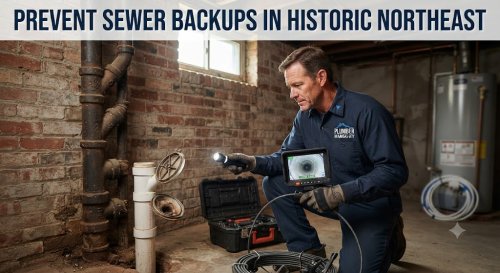
The plumber feeds a high-definition video camera with a location transmitter down your cleanout port. This allows the technician and homeowner to visually inspect pipe conditions, pinpoint blockages, and measure exact distance and depth.
Step 2: Line Clearing and Diagnosis
Before determining if structural repairs are needed, the line is cleared using a mechanical snake or high-pressure hydro-jetter to remove standing debris and roots.
Step 3: Repair Strategy Estimate
The plumber reviews camera footage to present options: localized trench repair, full pipe replacement, or non-invasive trenchless lining.
Step 4: Line Repair or Replacement
Depending on the chosen method:
-
Trenchless Pipe Lining (CIPP): An epoxy-saturated liner is pulled into the existing pipe and cured in place, creating a seamless new pipe inside the old one without tearing up the yard.
-
Pipe Bursting: A hydraulic head breaks the old pipe outward while pulling a new high-density polyethylene (HDPE) pipe into place.
-
Traditional Open-Trench Excavation: Heavy equipment digs down to exposed pipe sections for direct structural replacement.
Step 5: Final Camera Testing
The plumber runs a second camera inspection down the newly repaired line to verify proper pitch, seamless flow, and joint seals.
Step 6: Backfilling and Site Cleanup
Excavated trenches are carefully backfilled, compacted, and sanitized to protect your property's landscaping.
Step 7: Ongoing Maintenance Advice
The plumber provides personalized guidance on preventive measures based on the specific pipe material installed.
Can You Fix It Yourself?
Sewer lateral repairs are not suitable for DIY efforts. The line sits deep underground, carries biohazardous waste, and connects directly to public infrastructure.
                  SAFE DIY ACTIONS                            CALL A PROFESSIONAL
   +------------------------------------------+    +------------------------------------------+
   | • Plunging individual toilets or sinks   |    | • Clearing main line roots or heavy clogs|
   | • Cleaning drain strainers & pop-ups     |    | • Conducting video camera inspections    |
   | • Pouring hot water down slow drains     |    | • Trenchless epoxy pipe lining (CIPP)    |
   | • Checking basement cleanout caps        |    | • Excavating buried sewer pipes          |
   +------------------------------------------+    +------------------------------------------+
Temporary DIY Measures
If your main line backs up, turn off the main water shut-off valve to prevent family members from running sinks, showers, or washing machines until a plumber arrives. Do not pour chemical drain openers down a main line backup; caustic chemicals accumulate behind sewer clogs, creating severe chemical burn hazards for technicians using heavy cable machines.
Tools Professionals Use for Sewer Repairs
Modern plumbing contractors use advanced technology to diagnose and fix sewer laterals cleanly and accurately:
-
HD Sewer Inspection Cameras: Waterproof digital lenses with built-in transmitters that pinpoint pipe breaks down to the exact inch.
-
Pipe Locators: Handheld receivers that detect signal frequencies sent by the camera head, mapping exact pipe depth and direction above ground.
-
Hydro-Jetting Machines: High-pressure rigs operating at 3,000 to 4,000 PSI that scour grease, root masses, and scale off pipe walls without harsh chemicals.
-
Trenchless Inversion Drums: Equipment that uses compressed air or water pressure to insert epoxy liners into damaged underground pipes without digging trenches.
How Long Does Sewer Repair Usually Take?
The repair duration depends on the extent of damage and access conditions:
-
Hydro-Jetting & Root Clearing (1–3 Hours): Clearing active root blockages and washing away grease build-up.
-
Trenchless Pipe Lining (4–8 Hours): Installing and curing an epoxy pipe liner in a single working day.
-
Traditional Open-Trench Replacement (1–3 Days): Excavating, replacing deep pipe lines, backfilling soil, and restoring site surfaces.
Cost Factors in Sewer Lateral Repair
Plumbing repair costs vary depending on the severity of the problem, accessibility, materials required, emergency service, property type, and local labor rates.
Key variables affecting your quote include:
-
Depth and Location: Pipes buried 10 feet deep beneath concrete driveways cost more to access than lines 4 feet deep under open lawn.
-
Repair Method: Trenchless lining avoids lawn restoration expenses, while open-trench digging may require repaving driveways or sidewalks.
-
Permitting Fees: Municipal permits and inspection fees required by local city utility departments.
-
Extensiveness of Replacement: Repairing a 5-foot section near the foundation vs. replacing a 100-foot run to the city main.
Hidden Truths Homeowners Should Know
Understanding underground plumbing reality helps you make smart long-term decisions:
-
Municipalities Rarely Pay for Laterals: Most homeowners assume the city covers sewer lines outside their foundation. In most Kansas City Metro areas, you own the pipe all the way to the main line connection.
-
Cheap Rooter Clearing is Temporary: Cable cutting clears a pathway through tree roots, but roots will regrow thicker within 6 to 12 months unless the pipe is permanently lined or sealed.
-
Standard Homeowners Insurance Excludes Sewer Backups: Sewer line failure and resulting water damage typically require a special endorsement rider added to your policy.
-
Small Underground Leaks Cause Sinkholes: Escaping wastewater continuously washes away surrounding soil, causing sudden driveway or yard collapses over time.
-
Wipes Are Never Flushable: Wipes do not break down in sewer lines; they snag on root tendrils, accelerating full line blockages.
15 Common Mistakes Homeowners Make
-
Ignoring Slow Drains: Treating widespread slow drainage as a minor inconvenience.
-
Over-Using Chemical Drain Cleaners: Eating away at old cast-iron pipes with caustic chemicals.
-
Flushing Foreign Objects: Disposing of baby wipes, paper towels, or feminine hygiene products down toilets.
-
Pouring Cooking Grease Down Sinks: Allowing fats to congeal inside underground pipes.
-
Planting Trees Over Sewer Mains: Placing aggressive willow, maple, or elm trees near sewer lines.
-
Hiring Unlicensed Contractors: Working with unvetted handymen who lack video camera technology and proper insurance.
-
Waiting for Total System Collapse: Delaying inspections until sewage floods the home.
-
Plunging Violently During Main Backups: Forcing waste past wax seals beneath toilets.
-
Skipping Regular Camera Checks: Buying an older home without conducting a pre-purchase sewer camera inspection.
-
Burying Cleanout Access Ports: Covering sewer cleanouts during landscaping or patio paving projects.
-
Assuming High Water Bills are Just Rates: Ignoring sudden spikes caused by cracked underground lines.
-
Using Wrong Replacement Pipe Materials: Connecting mismatched materials without proper transition couplings.
-
Neglecting Seasonal Inspection: Forgetting to clear roof drains and gutters, adding unnecessary runoff load near foundations.
-
Over-Tightening Mechanical Cleanout Plugs: Cracking plastic threads on cleanout caps during simple maintenance.
-
Failing to Add Sewer Backup Coverage to Home Insurance: Leaving your home unprotected against costly basement cleanup expenses.
Practical Maintenance Tips for Homeowners
Keep your main sewer line operating smoothly with these preventive habits:
-
Schedule Pre-Purchase Sewer Inspections: Always conduct a video sewer inspection before closing on any home older than 20 years.
-
Perform Bi-Annual Drain Treatments: Use enzyme-based (non-caustic) drain cleaners monthly to break down organic buildup safely.
-
Keep Cleanouts Accessible: Ensure your main sewer cleanout cap remains visible and accessible in your yard or basement.
-
Dispose of Household Fats in the Trash: Collect cooking grease in jars and toss them in the trash, never down the sink.
-
Map Underground Utilities: Know where your sewer line runs before planting trees, installing fences, or digging deck footings.
-
Schedule Annual Camera Checks: If your property has large, mature trees, schedule an annual video inspection to catch roots early.
When Should You Call an Emergency Plumber?
Certain sewer scenarios demand immediate intervention to protect your property and health:
                               EMERGENCY PLUMBING DECISION TREE

              Is raw sewage backing up into your basement or low drains?
                                    │
                  ┌─────────────────┴─────────────────┐
                 YES                                  NO
                  │                                   │
      [ Shut off main water line ]     Is only a single sink draining slowly?
      [ Call Emergency Plumber ]                      │
                                        ┌─────────────┴─────────────┐
                                       YES                          NO
                                        │                           │
                          [ Safe DIY / Schedule Visit ]  [ Multiple Drains Slow ]
                                                         [ Schedule Inspection ]
-
Multiple Fixture Overflow: Sewage backing up into showers or floor drains whenever a toilet is flushed.
-
Sewer Odors Inside Living Areas: Heavy sewer gas fumes leaking through floor drains or walls.
-
Uncontrollable Foundation Flooding: Large volumes of wastewater pooling around foundation footings.
Frequently Asked Questions
How do I know if my sewer line is broken underground?
Signs of a broken underground sewer line include persistent multi-fixture backups, sewage smells in your yard or basement, unexplained soggy spots on your lawn, and sudden dips or sinkholes in your grass or driveway.
Is hydro jetting safe for old clay sewer pipes?
Yes, when performed by a qualified plumber after a camera inspection. Professional hydro-jetting pressure is adjusted to clean scale and roots thoroughly without damaging structurally sound clay pipes.
How much does sewer camera inspection cost?
Plumbing repair costs vary depending on the severity of the problem, accessibility, materials required, emergency service, property type, and local labor rates. A video camera inspection is an affordable diagnostic service that prevents expensive guesswork.
How long do underground sewer pipes last?
Cast iron lines typically last 50 to 75 years, clay pipes last around 50 to 60 years, while modern PVC and HDPE pipe materials can last 100 years or more.
Does homeowners insurance cover sewer lateral repair?
Standard homeowner insurance policies usually exclude sewer lateral repairs caused by normal wear, corrosion, or tree roots unless you have added a specific water/sewer line backup endorsement to your policy.
Can tree roots ruin a sewer line completely?
Yes. Left unchecked, tree roots grow thick enough to crack, offset, and break sewer pipe walls, eventually causing total pipe collapse.
What is trenchless sewer repair?
Trenchless sewer repair is a modern repair method (like CIPP lining or pipe bursting) that fixes or replaces broken underground sewer lines through small access points without digging long trenches across your yard.
Why do my drains make a gurgling sound when I flush the toilet?
Gurgling sounds indicate restricted airflow caused by a clog in your main sewer line or roof vent stack, forcing trapped air up through water seals in nearby sink or shower drains.
Can chemical drain openers clear a main sewer line clog?
No. Chemical drain cleaners are designed for minor localized clogs in sink P-traps. They are not powerful enough to clear thick root masses or main line blockages deep underground.
When should I replace my sewer line instead of repairing it?
You should replace your sewer line if video camera inspection reveals continuous structural failure, pipe sagging, crushed sections, or if root intrusion returns within months of repeated clearings.
Why Choose Plumber in Kansas City
When dealing with complex underground plumbing issues, working with a dependable local specialist makes all the difference.
At Plumber in Kansas City, we serve residential and commercial properties throughout the Greater Kansas City metro area—including Waldo, Brookside, Westport, Prairie Village, Overland Park, Leawood, and surrounding communities.
-
Licensed & Experienced Sewer Specialists: Our licensed plumbers bring deep local experience diagnosing historic and modern drainage systems across Kansas City.
-
Honest Recommendations & Clear Pricing: We perform video camera inspections to show you the exact condition of your pipe, providing transparent, upfront estimates.
-
Modern Equipment: From high-resolution camera diagnostics to hydro-jetters and trenchless lining technology, we solve main line issues efficiently.
-
Rapid Response: We offer fast scheduling and emergency service availability to minimize property damage and restore peace of mind.