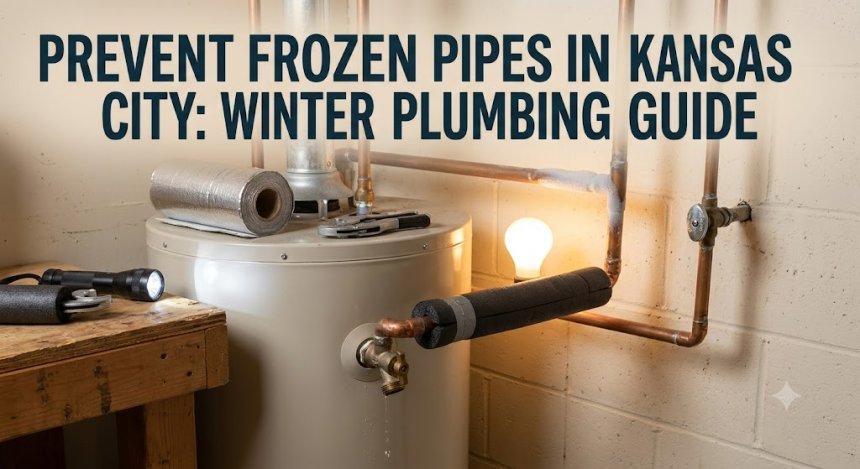
Prevent Frozen Pipes in Kansas City: Winter Plumbing Guide
Protect your Kansas City home from frozen and burst pipes this winter. Learn causes, warning signs, DIY fixes, maintenance tips, and when to call a plumber.

Need a Plumber in Kansas City, MO?
Plumbing Problem? Call for professional plumbing help.
Get help with emergency plumbing, clogged drains, leaking pipes, water heaters, burst pipes and other residential plumbing problems in Kansas City, Missouri.
Need a Plumber in Kansas City, MO?
Plumbing Problem? Call for professional plumbing help.
Get help with emergency plumbing, clogged drains, leaking pipes, water heaters, burst pipes and other residential plumbing problems in Kansas City, Missouri.
How to Prevent Frozen Pipes During a Kansas City Winter
Midwest winters bring harsh arctic blasts, sudden sub-zero snaps, and biting winds to the Greater Kansas City metropolitan area. When temperatures drop overnight, residential and commercial plumbing systems face immense stress. Water standing inside unprotected pipes freezes, expands, and exerts massive pressure outward, threatening to split lines open and trigger devastating indoor flooding.
Whether you live in an older bungalow in Brookside, a two-story home in Overland Park, or manage a commercial property in Downtown KC, frozen pipes are a seasonal reality. Homeowners frequently search for preventive advice because a single burst line can spill hundreds of gallons of water into a home within hours, destroying floors, drywall, and personal keepsakes while driving up repair costs. Taking proactive steps to prepare your plumbing before the winter chill sets in is the most effective way to protect your investment.
What Is Frozen Pipe Prevention?
Frozen pipe prevention involves insulating, sealing, and managing household water lines so standing water cannot drop to freezing temperatures ($32^\circ\text{F}$ or $0^\circ\text{C}$) during severe cold snaps.
                                  +-------------------------------------------------+
                                  |         Principles of Pipe Freeze Protection    |
                                  +-------------------------------------------------+
                                                           |
                 +-----------------------------------------+-----------------------------------------+
                 |                                         |                                         |
                 v                                         v                                         v
    [Thermal Retention]                          [Draft Elimination]                       [Pressure Relief]
   Insulating exposed water                    Sealing gaps around rim                   Dripping faucets to relieve
   lines in unheated zones                     joists and foundation vents               trapped hydraulic force
Key Winter Plumbing Concepts
-
Thermal Retention: Adding tubular foam insulation or heat tape to water supply lines running through unheated spaces.
-
Draft Elimination: Sealing exterior cracks, rim joists, and foundation vents to stop sub-zero wind from hitting exposed plumbing.
-
Pressure Relief: Allowing taps on exterior walls to trickle slowly during extreme cold to prevent static pressure build-up behind an ice blockage.
Common Situations & Symptoms
Freeze threats usually emerge during extended sub-freezing stretches or sudden atmospheric cold drops. Standard indicators that lines are actively freezing include:
-
Faucets delivering only a trickle of water when turned wide open.
-
Frost buildup visible on bare copper, PEX, or galvanized lines in basements, crawlspaces, or utility rooms.
-
Unusual clunking or whistling sounds coming from indoor fixtures when running water.
-
Bulging, misshapen, or heavily sweating pipes along outer walls.
Why Does This Plumbing Problem Happen?
Pipes freeze and burst due to a combination of environmental conditions, structural vulnerabilities, and system wear.
                  +-----------------------------------------------------------------+
                  |   Why Pipes Freeze in Kansas City Plumbing Systems              |
                  +-----------------------------------------------------------------+
                                                   |
      +------------------+-------------------------+-------------------------+------------------+
      |                  |                         |                         |                  |
      v                  v                         v                         v                  v
[Severe Weather]   [Inadequate Insulation]   [Air Leaks & Drafts]     [Aging & Corrosion]   [Poor Installation]
Arctic blasts      Unheated basements &      Unsealed rim joists &     Thin copper walls &   Supply lines run too
& rapid freezes    shallow crawlspaces       dryer vent penetrations   corroded fittings     close to outer siding
-
Seasonal Weather Swings: Kansas City winters bring rapid temperature drops. A plunge from $40^\circ\text{F}$ down to single digits in a few hours leaves little time for uninsulated structures to retain heat.
-
Inadequate Insulation: Many older homes in historic neighborhoods feature supply lines routed through uninsulated crawlspaces, fieldstone basements, or unheated attics.
-
Cold Air Drafts: Small gaps near foundation vents, dryer exhausts, or outdoor sillcocks pull freezing wind directly onto nearby supply lines. Cold air moving across a pipe freezes it far faster than still air at the same temperature.
-
Aging Pipes & Corrosion: Older metal lines lose wall thickness over decades of service, making them much less resilient to internal expansion forces.
-
Improper Installation: Supply lines placed too close to exterior wall siding without proper thermal barrier protection freeze easily during prolonged cold snaps.
-
Thermostat Management Issues: Turning indoor heat off completely during winter vacations or setting thermostats too low allows interior wall cavities to cool below freezing.
Signs You Should Never Ignore
Catching freeze issues early prevents catastrophic pipe ruptures. Pay close attention to these warning signs:
-
Sudden Drop in Water Pressure: Reduced flow from a single faucet or showerhead points to ice restricting the interior diameter of a supply line.
-
Frost or Heavy Condensation on Exposed Piping: Visual frost on lines in garages, basements, or crawlspaces confirms the pipe temperature has fallen below freezing.
-
Strange Noises when Running Water: Groaning, banging, or high-pitched whistling indicates water forcing its way through a narrowing ice restriction.
-
Unexplained Water Stains on Drywall: Damp spots on walls or ceilings below upper-floor bathrooms mean a line has split and is leaking slowly as surrounding ice thaws slightly.
-
Bad Smells coming from Floor Drains: Frozen trap seals or icy roof vent stacks trap sewer gas, causing foul odors to back up into basement drains or utility rooms.
Common Plumbing Problems Related to Frozen Pipes
A frozen pipe is rarely an isolated issue—it often triggers secondary failures throughout your property:
[Frozen Supply Line] ──> [Pressure Buildup] ──> [Pipe Rupture / Flooding]
                                                      │
                                                      ├──> [Slab & Foundation Leaks]
                                                      ├──> [Fixture & Cartridge Damage]
                                                      └──> [Sewer / Vent Stack Freezes]
-
Burst Supply Lines: High internal pressure cracks copper joints, splits PEX tubing, or ruptures PVC pipes.
-
Fixture Cartridge Damage: Ice expansion ruins delicate inner mixing valves inside tub spouts and shower controls.
-
Slab and Sub-Floor Leaks: Freeze-thaw cycles in soil shift shallow underground lines, putting stress on supply pipes beneath basement slabs.
-
Sewer and Vent Line Blockages: Frost formation inside roof stack vents prevents drain lines from breathing properly, slowing drainage across all fixtures.
Step-by-Step Professional Repair Process
When you call a licensed plumbing company to address frozen, leaking, or damaged pipes, qualified technicians follow a methodical process:
+-------------------------------------------------------------------------+
| STEP 1: Main Water Isolation & Initial Safety Audit                     |
+-------------------------------------------------------------------------+
                                     │
                                     ▼
+-------------------------------------------------------------------------+
| STEP 2: Thermal Camera Diagnostics & Freeze Location                    |
+-------------------------------------------------------------------------+
                                     │
                                     ▼
+-------------------------------------------------------------------------+
| STEP 3: Upfront Itemized Estimate & Repair Plan                         |
+-------------------------------------------------------------------------+
                                     │
                                     ▼
+-------------------------------------------------------------------------+
| STEP 4: Safe Controlled Thawing & Damaged Section Replacement           |
+-------------------------------------------------------------------------+
                                     │
                                     ▼
+-------------------------------------------------------------------------+
| STEP 5: System Pressure Testing & Leak Verification                     |
+-------------------------------------------------------------------------+
                                     │
                                     ▼
+-------------------------------------------------------------------------+
| STEP 6: Site Cleanup & Winterization Advice                             |
+-------------------------------------------------------------------------+
Step 1: Emergency Isolation
The plumber locates and turns off your main water meter or house valve to stop water flow and prevent flooding as lines begin to thaw.
Step 2: System Inspection & Diagnosis
Using thermal cameras and acoustic leak detectors, the plumber pinpoints ice blockages and hidden cracks behind walls or ceilings without unnecessary demolition.
Step 3: Upfront Estimate
You receive a clear written scope of work explaining the required repairs, replacement options, and exact pricing before work begins.
Step 4: Controlled Safe Thawing
Technicians use specialized electrical pipe thaws or commercial heating units to melt ice safely without creating fire hazards or thermal shock.
Step 5: Section Replacement & Repair
Ruptured or weakened pipe segments are removed and replaced with commercial-grade copper or flexible PEX piping using secure crimp or solder connections.
Step 6: System Testing & Repressurization
The team slowly turns your water supply back on, monitoring pressure gauges and inspecting all newly repaired joins for leaks.
Step 7: Clean-Up & Maintenance Plan
The workspace is cleaned, and the technician recommends long-term fixes—such as adding pipe sleeves or rerouting vulnerable lines—to protect your property from future freezes.
Can You Fix It Yourself?
Understanding what you can do safely—and when professional help is required—keeps your home safe.
| Safe DIY Solutions | Dangerous DIY Actions (Avoid!) |
| Opening under-sink cabinet doors to let heated air reach pipes. | Using blowtorches, heat guns, or open flames on frozen pipes. |
| Warming exposed indoor lines with a hair dryer or safe space heater. | Leaving space heaters unmonitored in small crawlspaces. |
| Letting faucets on exterior walls trickle slowly during deep freezes. | Forcefully turning frozen or stuck main water shut-off valves. |
| Installing self-sealing foam insulation sleeves on accessible basement lines. | Pouring boiling water directly onto frozen PVC or cold metal lines. |
When Professional Plumbing is Necessary
-
The frozen pipe section sits inside drywall, plaster, or structural ceilings.
-
You see split seams, bulges, or active water spraying from a pipe.
-
Applying safe heat sources yields no results after 30 to 45 minutes.
-
You are unable to locate or safely operate your main water shut-off valve.
Tools Professionals Use for Winter Plumbing Repairs
Licensed plumbing contractors use specialized equipment to fix frozen and damaged lines efficiently:
                  +-----------------------------------+
                  |   Professional Diagnostic Tools   |
                  +-----------------------------------+
                                    |
   +--------------------+-----------+-----------+--------------------+
   |                    |                       |                    |
   v                    v                       v                    v
[Thermal Cameras]   [Pipe Thaw Units]     [Leak Detectors]     [Press Crimping Tools]
Locate cold spots   Send safe low-voltage  Pinpoint hidden      Make tight flame-free
behind drywall      current to melt ice   water sprays in wall pipe connections
-
Thermal Imaging Cameras: Identify freeze points and hidden temperature drops inside wall cavities without cutting open drywall unnecessarily.
-
Electrical Pipe-Thawing Units: Deliver safe, low-voltage current through metallic piping to melt ice blockages quickly without fire risk.
-
Acoustic Leak Detectors: Pinpoint subterranean or in-wall leaks caused by hairline pipe cracks.
-
ProPress Crimping Systems: Connect new copper or PEX lines securely without using open-flame torches in tight, high-risk spaces.
How Long Does the Repair Usually Take?
Repair times vary based on pipe location, structural accessibility, and the extent of freeze damage.
Simple Thaw (Accessible Basement Line)     [==] 1 - 2 Hours
In-Wall Thaw & Section Replacement         [====] 2 - 4 Hours
Major Burst Repair & Multi-Line Replacement [========] 4 - 8+ Hours
-
Simple Thawing (1 to 2 Hours): Unfreezing an accessible basement or under-sink pipe using commercial heating tools.
-
In-Wall Repair & Replacement (2 to 4 Hours): Opening wall sections, replacing damaged pipe segments, and re-testing system pressure.
-
Major Multi-Line Restoration (4 to 8+ Hours): Fixing multiple split lines across crawlspaces or basements following a severe arctic freeze.
Cost Factors for Frozen Pipe Prevention and Repairs
Plumbing repair costs vary depending on the severity of the problem, accessibility, materials required, emergency service, property type, and local labor rates.
Key factors that influence overall project costs include:
-
Accessibility: Lines hidden behind tiled walls, concrete, or low-clearance crawlspaces require more labor and time to reach.
-
Severity of Rupture: Simple line thaws cost less than replacing several feet of split copper and repairing structural damage.
-
Material Choices: Upgrading old galvanized plumbing to modern PEX or copper piping affects overall material expenses.
-
After-Hours Service: Severe winter weather often increases demand for emergency, holiday, or weekend plumbing calls.
-
Permits and Code Requirements: Major structural rerouting or utility line repairs may require local municipal permits and code inspections.
Hidden Truths Homeowners Should Know
+---------------------------------------------------------------------+
| 1. Small leaks damage walls long before ice thaws completely.       |
| 2. Insurance policies often reject claims if heat was turned off.   |
| 3. Chemical drain openers generate heat that shatters frozen PVC.   |
| 4. Electric heat cables degrade over time and must be tested.       |
| 5. Pressure breaks fittings downstream, not just at the ice block.  |
+---------------------------------------------------------------------+
-
Small Leaks Cause Massive Damage: A hairline crack in a frozen pipe can leak thousands of gallons of water once the line thaws, damaging subflooring and encouraging mold growth within 24 to 48 hours.
-
Insurance Coverage Has Limits: Home insurance policies may deny freeze-damage claims if property owners failed to maintain heat (typically $55^\circ\text{F}$ or higher) while away.
-
Chemical Cleaners Are Dangerous: Pouring harsh liquid chemical drain openers into frozen lines creates chemical reactions that can rupture cold pipes and spray toxic substances.
-
Heat Cables Require Seasonal Checks: Electric heat tape wraps degrade over time; they must be inspected and tested every autumn to ensure proper thermostat operation.
-
Water Pressure Causes the Burst: Pipes rarely burst right where the ice forms; they split downstream where trapped water pressure rises to dangerous levels.
15 Common Mistakes Homeowners Make During Winter
-
Leaving Garden Hoses Connected: Traps water inside frost-proof sillcocks, causing wall pipes to freeze and burst.
-
Setting Thermostats Too Low: Lowering indoor heat below $55^\circ\text{F}$ ($13^\circ\text{C}$) to save energy exposes wall pipes to freezing.
-
Using Open Flames to Thaw Pipes: Using torches on icy pipes creates high fire risks and risks cracking cold metal through thermal shock.
-
Ignoring Foundation Air Drafts: Leaving crawlspace vents unsealed allows sub-zero wind to strip heat from supply lines.
-
Forgetting Internal Shut-Off Valves: Failing to turn off indoor valves leading to outdoor spigots causes hidden winter leaks.
-
Keeping Cabinet Doors Closed: Restricts warm room air from reaching sink plumbing installed along exterior walls.
-
Closing Interior Room Doors: Prevents warm air from circulating evenly throughout your home during cold spells.
-
Relying Only on Foam Sleeves: Foam insulation slows heat loss but cannot keep stagnant water warm during extended sub-zero weather without a heat source.
-
Turning Off the Heat During Vacations: Shutting off the furnace while away during winter leaves pipes vulnerable to deep freezes.
-
Delaying Main Water Shut-Off: Waiting to turn off the main valve after discovering a frozen pipe leads to flooding as soon as lines thaw.
-
Over-Tightening Frozen Valves: Forcing frozen shut-off handles breaks internal seals and snaps valve stems.
-
Pouring Boiling Water on Cold Metal: Thermal shock can warp, shatter, or split cold pipes instantly.
-
Leaving Space Heaters Unattended: Running heaters unmonitored near walls or insulation poses serious fire hazards.
-
Skipping Seasonal Plumbing Checks: Ignoring small autumn drips leads to larger freeze breaks during extreme cold snaps.
-
Hiring Unlicensed Handymen: Improperly installed lines missing code-compliant insulation are prone to freezing year after year.
Maintenance Tips to Prevent Frozen Pipes
Protecting your plumbing requires proactive fall preparation and smart winter habits. Follow these steps to safeguard your home:
Fall Winterization Checklist
-
Disconnect, drain, and store all garden hoses before the first autumn frost.
-
Shut off internal isolation valves serving outdoor sillcocks, then drain any remaining water from exterior taps.
-
Seal cracks, gaps, and utility openings around foundation walls using expanding foam or exterior-grade caulk.
-
Slip thick foam insulation sleeves over exposed copper, PEX, or steel pipes in unheated basements, crawlspaces, and garages.
-
Inspect electrical heat tape cables along vulnerable pipes to confirm built-in thermostats operate correctly.
       [Fall Prep Checklist]                      [Deep Freeze Protocol]
  - Disconnect Exterior Hoses              - Dripping Faucets (Warm & Cold)
  - Shut Off Hose Bibb Valves     ===>     - Keep Under-Sink Cabinets Open
  - Seal Foundation Air Gaps               - Maintain Heat at 68°F (20°C)+
  - Insulate Bare Exposed Lines            - Keep Interior Doors Open
Deep-Freeze Winter Protocols
-
Allow faucets on exterior walls to drip slowly (a combination of warm and cold water) during extreme cold spells.
-
Open kitchen and bathroom vanity cabinet doors to let warm room air reach sink supply lines.
-
Maintain a steady indoor thermostat setting day and night; do not lower temperatures overnight during severe weather.
-
Keep garage doors completely closed if supply lines run through garage ceilings or exterior wall framing.
-
Leave interior bedroom and hallway doors open to help central furnace heat circulate evenly.
When Should You Call an Emergency Plumber?
Certain winter plumbing issues demand immediate professional service to prevent extensive property damage:
-
Active Burst Water Lines: Water spraying or flooding from walls, ceilings, or basement foundations.
-
Complete Loss of Household Water: Zero water flow across all taps indicates a main service line freeze near the meter pit.
-
Sewage Backups or Frozen Drains: Gurgling toilets, slow floor drains, or foul sewer odors caused by frozen vent stacks or main sewer lines.
-
Stuck or Frozen Main Shut-Off Valves: Inability to isolate your water supply during an active leak or freeze emergency.
-
Leaks Near Electrical Equipment: Water dripping onto electrical panels, outlets, or water heater systems.
Frequently Asked Questions
Why is my water pressure suddenly low during a cold spell?
A sudden drop in pressure during sub-freezing weather usually means ice is forming inside your supply pipes. As ice thickens, flow drops, which can lead to a complete freeze if ignored.
How do I know if my pipes are frozen or just blocked?
If outdoor temperatures are below freezing and multiple taps on exterior walls drop to a trickle or stop working, your lines are likely frozen. Standard clogs typically affect only a single sink or drain fixture.
Can a frozen pipe thaw out on its own without bursting?
Pipes can thaw naturally as outdoor temperatures rise, but this carries risk. If ice expansion cracked the pipe, water will leak rapidly as soon as the ice block melts.
Should I leave faucets dripping with cold or hot water?
Leave a slight drip of both hot and cold water running from faucets fed by exterior-wall pipes. Relieving internal pressure keeps water moving and prevents static ice blockages from forming.
What temperature causes pipes to freeze?
Unprotected water pipes generally start freezing when ambient outdoor temperatures drop to $20^\circ\text{F}$ ($-6^\circ\text{C}$) or lower for several consecutive hours, especially with high wind chill.
Is PEX piping completely freeze-proof?
While flexible PEX pipe expands more than rigid copper or PVC before splitting, it is not immune to freezing. Extended sub-zero exposure can still rupture PEX lines and fittings.
How do I locate my home's main water shutoff valve?
Main shutoff valves are usually in the basement near the front foundation wall, inside utility closets near the water heater, or inside an outdoor meter pit near the curb.
Can chemical drain cleaners thaw frozen pipes?
No. Chemical openers need flowing water to reach clogs and create heat through chemical reactions that can warp cold PVC or crack cast iron. Never use harsh drain chemicals to thaw frozen lines.
How much water can a burst pipe leak per hour?
A split supply line operating under standard residential water pressure ($40\text{--}80\text{ PSI}$) can spill 400 to 800 gallons of water per hour, quickly causing severe flooding.
Will homeowners insurance cover burst pipe repairs?
Most standard homeowners insurance policies cover water damage caused by burst pipes, provided you kept the home heated and took reasonable steps to prevent freezing.
Why Choose Our Plumbing Team?
When winter plumbing emergencies strike, you need dependable local experts who respond quickly. We deliver practical solutions and honest service across Kansas City, Overland Park, Olathe, Lee's Summit, Shawnee, and surrounding communities.
-
Licensed Master Plumbers: Certified experts who adhere to regional building codes and winterization standards.
-
24/7 Rapid Emergency Response: Service vans stocked with parts, ready to respond to burst pipe calls day or night.
-
Upfront Itemized Estimates: Clear pricing provided before work begins, with no hidden fees or surprising emergency add-ons.
-
Advanced Freeze-Thaw Equipment: Thermal imaging cameras, electric thaw units, and press-fitting tools that resolve freeze issues safely without open flames.
-
Local Midwestern Experience: Deep familiarity with local housing styles, older historic foundations, and Midwest winter weather conditions.
Keep Your Kansas City Home Safe This Winter
Don't wait for an arctic cold snap to discover vulnerable pipes in your home. Whether you need professional pipe insulation, emergency thawing, or seasonal winterization, our licensed plumbing team is here to help.
Call our team today or visit