Introduction
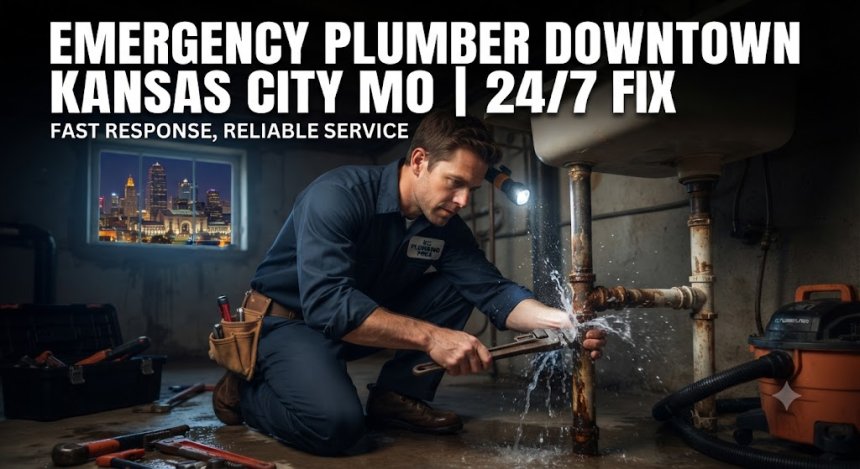
When water is actively gushing across your hardwood floors or raw sewage is backing up into your basement at two o'clock in the morning, panic is a natural reaction. Finding a reliable emergency plumber downtown kansas city mo shouldn't add to your stress. Urban living in Downtown KC means navigating everything from historic lofts with aging galvanized piping to modern high-rises and dense commercial developments. When a plumbing failure hits, structural damage escalates by the minute. Local property owners frequently face sudden pipe bursts, catastrophic main line blockages, and failing sump systems driven by the region's intense weather shifts and shifting clay soils. Immediate professional intervention is the only way to safeguard your investment, prevent mold growth, and restore order to your home or business.
Unique Expert Insights: Hard Truths Homeowners Learn Too Late
Experience in the field reveals that property owners often make well-intentioned mistakes that turn minor plumbing hiccups into expensive disasters. Navigating a crisis successfully requires understanding a few raw industry realities:
-
Temporary rubber patch kits and tape wrap fixes only mask deeper structural failures, often masking leaks until they silently rot underlying framing or void home insurance clauses.
-
Store-bought chemical drain cleaners rely on caustic acids or lye that eat away at pipe walls from the inside out, particularly degrading older cast iron and PVC joints.
-
Unlicensed handymen often patch symptoms while creating hidden code violations that fail instantly during future real estate home inspections.
-
Enrolling in routine preventive maintenance programs costs a fraction of a single emergency midnight extraction and parts replacement.
-
Shut-off valves that are never tested annually tend to seize up entirely right when you need them to close during a crisis.
What Is Emergency Plumbing? Decoding the Mechanism
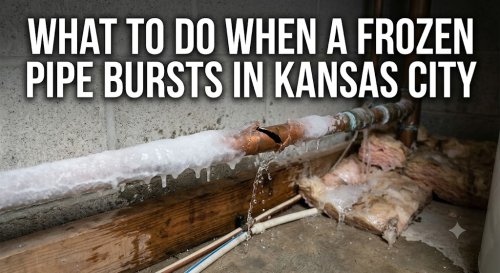
Emergency plumbing refers to rapid-response interventions designed to stop active property destruction caused by uncontrolled water flow, sewage backup, or complete utility failure. Plumbing systems rely on a delicate balance of gravity, supply pressure, and venting. Supply pipes push pressurized clean water into your fixtures, while drainage systems use gravity and proper venting to safely carry waste away. When a blockage, structural fracture, or pressure spike disrupts this balance, water takes the path of least resistance—spilling out behind walls, under floors, or up through your lowest drains. Consider a classic historic loft in the Crossroads district: decades of mineral buildup narrow the interior diameter of a cast iron stack, and a sudden thermal shift causes a brittle fracture, resulting in an immediate interior flood.
Root Causes: Why This Problem Occurs in Downtown KC Homes
Plumbing vulnerabilities in the Kansas City area are heavily influenced by local architecture, municipal infrastructure age, and environmental factors. Several primary culprits drive emergency service calls:
-
Aging Infrastructure: Many properties in Downtown, the Crossroads, and the Historic West Bottoms feature aging cast iron or galvanized steel lines that have exceeded their 50-to-70-year operational lifespans.
-
Hard Water Scaling: High mineral content in municipal supplies causes rapid calcium and magnesium calcification inside pipes and water heaters, narrowing flow channels.
-
Ground Shifting & Clay Soils: Kansas City's notorious clay-heavy soils expand and contract dramatically with moisture changes, putting immense external stress on underground sewer lines.
-
Freeze-Thaw Cycles: Mid-winter temperature plunges freeze unprotected exterior lines and basement walls, expanding trapped water and bursting pipe walls.
-
Municipal Pressure Spikes: Fluctuations in city water mains can stress residential plumbing, particularly if a pressure reducing valve (PRV) has failed.
Critical Warning Signs: When Your Home is Sounding the Alarm
Catastrophic plumbing failures rarely happen without warning. Property owners who know what to look and listen for can often call for help before a minor leak becomes an indoor swimming pool.
-
Auditory Clues: Listen for loud banging when turning off a faucet (water hammer), high-pitched whistling, mysterious gurgling sounds from idle floor drains, or ghost flushing toilets.
-
Olfactory Indicators: Persistent odors of damp earth, mildew, or pungent sewer gas indicate cracked vent stacks or dry trap seals.
-
Visual & Structural Red Flags: Unexplained spikes on your municipal water meter, sudden damp patches on drywall, buckling flooring, or peeling paint signal hidden leaks.
Delaying intervention allows moisture to seep into structural lumber and insulation, accelerating toxic mold growth within 24 to 48 hours and compromising subflooring integrity.
Comprehensive Home Plumbing Maintenance Framework
Proactive upkeep drastically reduces the risk of midnight plumbing emergencies. Implementing a structured seasonal maintenance routine protects your property year-round:
Spring and Summer Checks
-
Inspect and test your sump pump by pouring a bucket of water into the basin to ensure the float switch triggers immediate discharge.
-
Check outdoor hose bibs for cracks, leaks, or backflow preventer functionality after the final freeze.
-
Examine exterior yard grading to ensure rainwater slopes away from your foundation and window wells.
Fall and Winter Preparation
-
Insulate exposed water supply lines in unheated areas like crawlspaces, garages, and exterior walls using foam pipe sleeves.
-
Disconnect, drain, and store all garden hoses indoors before the first hard freeze hits the Midwest.
-
Flush your water heater tank to clear out sediment buildup that forces the unit to work harder during peak winter heating cycles.
Year-Round Habits
-
Install mesh strainers in all kitchen sinks, showers, and tubs to catch hair, grease, and food debris before they enter the drain.
-
Test your main water shut-off valve semi-annually to ensure it turns smoothly and completely stops incoming flow.
-
Eliminate the use of harsh chemical drain cleaners entirely, opting instead for biological enzyme treatments or mechanical clearing.
Professional Diagnostic & Repair Workflow
When a licensed, insured plumber arrives at your property, they follow a systematic, safety-first protocol to resolve the issue efficiently:
-
Non-Invasive Triage & Safety Isolation: The technician immediately locates and closes necessary regional or main water shut-off valves to stop active flooding, while checking for electrical hazards.
-
Precision Diagnostic & Digital Video Inspection: Using specialized tools, they evaluate the exact scope of the failure without tearing up unnecessary drywall or flooring.
-
Transparent, Upfront Options & Written Estimating: You receive clear, flat-rate pricing options detailing the repair path before any wrench touches a pipe.
-
Code-Compliant Remediation & Part Replacement: The plumber executes the repair using commercial-grade, durable materials that meet or exceed local municipal building codes.
-
Pressure Testing, Flow Verification, & Cleanup: The system is pressurized, checked for leaks, and the work area is thoroughly cleaned and sanitized.
Advanced Diagnostics: The Professional Tool Arsenal
Modern plumbing relies heavily on technology to eliminate guesswork and prevent unnecessary property damage. Professional technicians deploy heavy-duty diagnostic gear:
-
Push-Rod High-Definition Cameras: Waterproof fiber-optic cameras travel deep inside drain lines to reveal root intrusions, cracks, and bellies on a live monitor.
-
Electronic Acoustic & Thermal Detectors: Highly sensitive listening devices pinpoint the exact hiss of a pressurized leak hidden beneath concrete slabs or behind tiled walls.
-
Hydro-Jetting Units: High-pressure water scouring systems blast away decades of grease, scale, and stubborn roots from sewer lines far more effectively than standard cabling.
-
Digital Manometers & Pipe Locators: Precision gauges test system pressure stability while radio-frequency surface locators map out underground pipe paths precisely.
DIY Reality Check: What You Can Safely Fix vs. When to Step Back
Knowing your limits is essential for safety and financial preservation. Homeowners can safely tackle minor tasks, but certain scenarios demand immediate professional intervention.
-
Safe DIY Actions: Plunging a simple toilet clog with a flange plunger, resetting a tripped garbage disposal unit, or turning off the individual supply valve beneath a leaking sink.
-
The Danger Zone: Attempting to clear main sewer lines with manual hand snakes, repairing gas-connected water heaters, or dealing with leaks near electrical panels and main service drops.
-
When to Call a Pro: If water is pooling near electrical appliances, raw sewage is backing up into living areas, or multiple fixtures clog simultaneously, drop the wrench and call a licensed professional immediately.
Financial Breakdown: Cost Factors & Investment Realities
Understanding how plumbing pricing works helps property owners evaluate service bids realistically. Professional plumbing repairs utilize flat-rate pricing models based on the complexity and scope of the job rather than open-ended hourly rates. Key variable cost inputs include:
-
Service Call & Dispatch Fees: Covers the cost of deploying a fully stocked emergency vehicle and licensed technician to your location at any hour.
-
Accessibility & Labor Intensity: Working inside cramped historic crawlspaces, breaking through concrete slabs, or digging deep trenches increases labor requirements.
-
Material Selection: High-grade materials like cross-linked polyethylene (PEX) or copper carry different cost profiles compared to standard PVC fittings.
-
Permitting & Code Requirements: Major main line replacements or gas line modifications in Kansas City often require municipal permits and inspections.
-
Repair vs. Replacement Economics: Sometimes investing in a complete fixture or line replacement is more cost-effective long-term than repeatedly patching an obsolete system.
Emergency Protocol: When Immediate Dispatch is Non-Negotiable
Certain plumbing scenarios cannot wait until normal business hours. Recognizing a true emergency prevents structural collapse and health hazards:
-
Catastrophic pipe bursts or active structural flooding threatening multiple rooms.
-
Complete main sewer line blockages forcing raw sewage up through floor drains and bathtubs.
-
Total loss of potable water supply to a residential or commercial facility.
-
Overflowing fixtures leaking directly into or near active electrical outlets and breaker panels.
Frequently Asked Questions (FAQs)
What should I do first if a pipe bursts in my home?
Locate your main water shut-off valve immediately and turn it clockwise to stop the flow. If you cannot find the main valve, turn off the water at the street meter box, move electronics and valuables away from standing water, and call an emergency plumber.
Why do my drains gurgle when I flush the toilet?
Gurgling drains usually indicate a blockage or venting issue in your main sewer line. When air cannot escape properly through the roof vent stack, the suction pulls air from other traps in the house, creating bubbles and gurgling noises.
How much does an emergency plumber cost in Kansas City?
Emergency plumbing costs vary based on the time of day, severity of the issue, and materials required. Reputable local companies provide transparent, flat-rate pricing after diagnosing the problem on-site so you never face surprise fees.
Are chemical drain cleaners safe for older pipes?
No. Chemical drain cleaners generate heat and use harsh acids that corrode older metal and PVC pipe joints, frequently resulting in cracked pipes and more severe leaks down the road.
How can I find the main water shut-off valve?
In most homes, the main shut-off valve is located where the main water line enters the foundation, often in the basement, crawlspace, or utility room near the front exterior wall. It is typically a gate valve or a quarter-turn ball valve.
What causes frequent sewer backups in historic urban homes?
Historic urban homes often feature clay or cast iron sewer lines that have experienced root infiltration, structural settling, or interior scaling over decades of use, catching toilet paper and debris easily.
Can hard water damage my water heater?
Yes. Mineral scaling settles at the bottom of the water heater tank, insulating the water from the heating element. This forces the unit to run longer, leading to popping noises, premature tank failure, and reduced energy efficiency.
When is a plumbing issue considered a true emergency?
Any situation involving active structural flooding, sewage backing up into living spaces, a major gas leak odor, or total lack of clean water supply constitutes a true emergency requiring 24/7 dispatch.