Finding Underground Water Leaks in Blue Valley | KC Guide
High water bill or a soggy yard in Blue Valley? Learn the professional signs and methods for finding underground water leaks before calling a plumber.

Need a Plumber in Kansas City, MO?
Plumbing Problem? Call for professional plumbing help.
Get help with emergency plumbing, clogged drains, leaking pipes, water heaters, burst pipes and other residential plumbing problems in Kansas City, Missouri.
Need a Plumber in Kansas City, MO?
Plumbing Problem? Call for professional plumbing help.
Get help with emergency plumbing, clogged drains, leaking pipes, water heaters, burst pipes and other residential plumbing problems in Kansas City, Missouri.
How to Find an Underground Water Leak in Blue Valley
Owning a home in Blue Valley often means beautiful, manicured lawns and reliable utilities. However, like any property, infrastructure doesn’t last forever. The most frustrating—and potentially destructive—plumbing issue you might face is an underground water leak.
These aren't the dramatic bursts seen in movies; usually, they are silent, relentless leaks occurring deep beneath your yard, driveway, or even your home's foundation slab. Homeowners typically search for this topic when they receive a jaw-dropping water bill that doesn't match their usage, or when a mysterious, soggy patch appears on their front lawn during a dry Blue Valley summer. Immediate attention is critical because an ignored leak doesn't just waste water and money; it undermines your property's foundation, leads to mold, and erodes soil, potentially causing dangerous sinkholes.
What Is a Main Water Line Leak?
An underground water leak (specifically in your main service line) is a breach in the pipe that carries pressurized water from the municipal water main—often managed by entities like Water District No. 1 of Johnson County (WaterOne)—to your home.
This pipe must travel underground to protect it from freezing and damage. Because the water is under pressure, even a small crack will continuously spew water 24/7. This differs from sewer leaks, which carry waste and are usually not pressurized, or drain leaks that only leak when water is actively running. A slab leak is a specific type of underground leak occurring in the pipes embedded within or beneath the concrete foundation of your home.
Why Do Underground Pipes Leak in Kansas City Properties?
The ground in the Kansas City metro area can be brutal on plumbing infrastructure. Several factors contribute to pipe failure:
-
Expansive Clay Soil: KC is notorious for clay soil that expands dramatically when wet and shrinks when dry. This constant "movement" puts immense stress on buried pipes, leading to cracking or joint separation.
-
Aging Pipes: Many older Blue Valley properties still have original supply lines made of materials with finite lifespans, such as blue poly, galvanized steel, or older copper that is nearing its end of life.
-
Corrosion: Soil chemistry, hard water, or electrolysis (electrical current traveling through the ground) can cause chemical breakdown of metallic pipes.
-
High Water Pressure: If your household pressure is too high (typically above 80 PSI), it places constant, undue stress on joints and weak spots.
-
Improper Installation: Minor damage to the pipe during initial installation or inadequate bedding (soil support around the pipe) can take years to manifest as a serious leak.
Signs You Should Never Ignore: Warning Signs of a Buried Leak
You cannot see an underground leak directly, so you must know the indirect signs. Blue Valley homeowners must stay vigilant:
-
Unexplained Spike in Water Bills: This is usually the first sign. If your family usage habits haven’t changed, yet your bill is $100 more than usual, something is wrong.
-
Soggy or Green Spots in the Yard: If one section of your lawn is lush and bright green while the rest is dry Blue Valley turf, or if there’s a persistent "puddle" with no source, water is leaking upward.
-
Low Water Pressure: A leak in the main line can steal flow from your home’s fixtures, resulting in weak showers or slow-filling washing machines.
-
Sounds of Running Water: If you hear water rushing or hissing when every single fixture in your home is turned off, water is actively escaping somewhere in the system.
-
Crackling Sounds Near the Foundation: In slab leaks, homeowners sometimes report odd sounds as water pressure hits the concrete or soil beneath the floor.
-
Cracks in Foundation Walls or Flooring: Water accumulating under the house can cause the slab to settle or heave, leading to structural cracks.
Common Plumbing Problems Related to Underground Leaks
Finding an underground leak often uncovers related issues within the home's water distribution system:
-
Burst Pipes: Severe soil shifting or freezing can escalate a small crack into a complete pipe rupture.
-
Slab Leaks: These require significantly different repair methods (rerouting pipes vs. cutting concrete).
-
Fixture Damage: If you are constantly running fixtures with low pressure, it can increase wear on appliance valves and shower cartridges.
-
Water Heater Failures: In some cases, a very large cold water leak can indirectly cause the water heater to work harder than necessary.
Professional Leak Detection & Repair Process
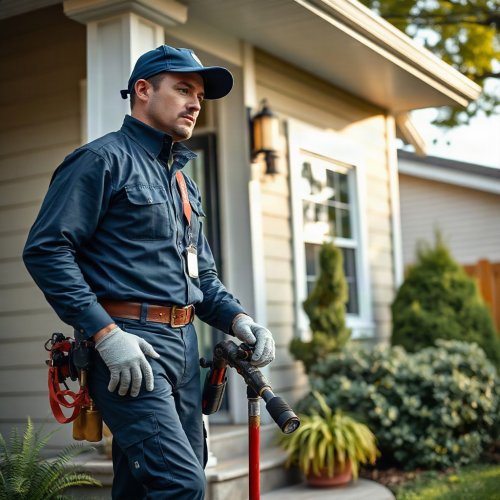
While you might suspect a leak, finding its exact location requires a professional, non-invasive process. A licensed leak detection plumber in Kansas City follows these steps:
Step 1: Inspection & Assessment
The plumber will first perform a full audit of your home. They will double-check that toilets aren't leaking, irrigation valves are shut down, and the pool fill line is closed. This confirms the leak is indeed outside the interior fixtures.
Step 2: Confirmation
The plumber will close the main shut-off valve inside your house and check the water meter. If the meter still shows activity, the leak is confirmed to be on the underground main line between the meter and the house.
Step 3: Precise Diagnosis (Location)
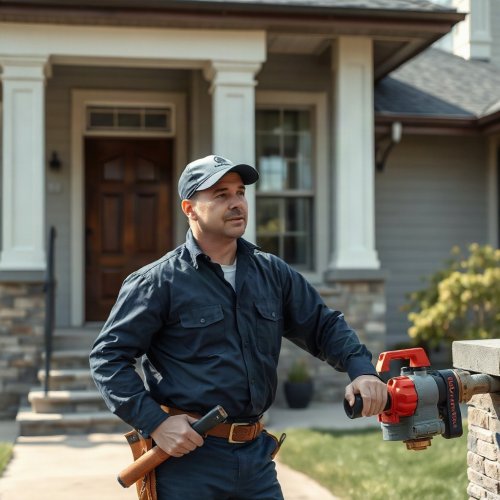
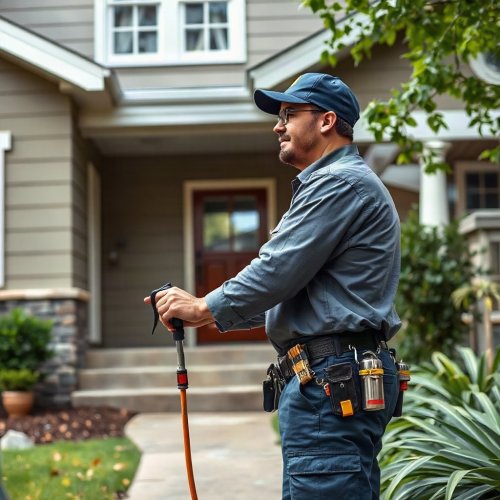
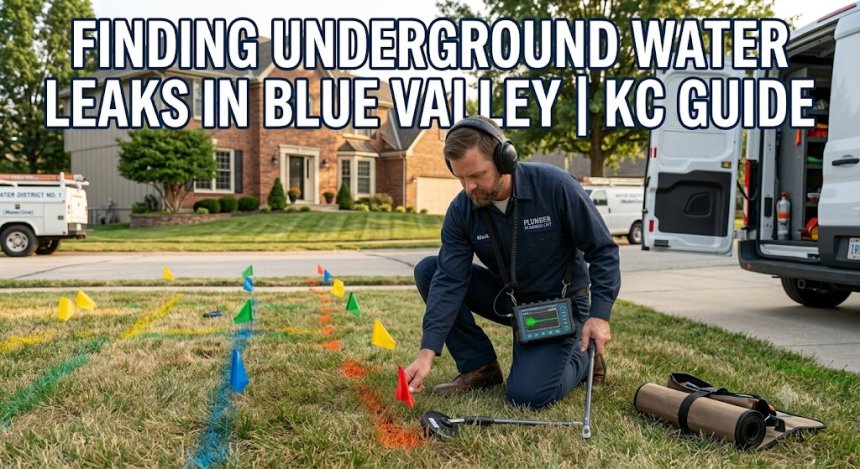
This is where specialized tools are used. Plumbers use highly sensitive acoustic equipment (amplified listening devices) to "hear" the high-pressure spray of the leak. They may also use tracing dyes, or tracer gas (pumping a harmless gas into the depressurized line and using a sniffer tool on the ground to detect where it escapes).
Step 4: Estimate & Planning
Once located, the plumber provides an accurate, conversion-focused repair plan. We explain why the specific repair is needed, whether it involves simple joint repair, sectional pipe replacement, or whole-line replacement (epoxy lining or new installation).
Step 5: Professional Repair
Repairs often involve careful excavation using hydro-vac tools (high-pressure water and vacuum) to expose the pipe without damaging nearby utilities. We cut out the failed section and install new, code-compliant pipe and fittings.
Step 6: Pressure Testing
Crucially, the repaired line must be pressure-tested before being buried again. We ensure it holds pressure for an extended period, verifying that the new joints are sound.
Step 7: Cleanup & Cleanup advice
The soil is backfilled and compacted to prevent future settlement, and the plumber provides maintenance advice to prevent future issues.
Can You Find it Yourself? (When DIY Meets Danger)
Finding an underground leak is almost never a successful DIY project. Homeowners simply do not have the expensive, non-invasive acoustic or gas detection tools required to locate the leak precisely.
Safe, Temporary Fixes homeowners CAN safely do:
-
Shut off the Main Water Valve: If you find the internal main valve and shut it, you can sometimes stop the leak if the leak is after that valve. Usually, underground leaks are before the internal valve, but checking is always safe.
-
Monitor the Water Meter: Learning how to read your meter and performing a "usage shut-off" test is the single best DIY diagnostic you can perform to confirm you have a leak.
-
Check Appliances: Ensure your ice maker, irrigation timer, and whole-house humidifier are not malfunctioning and running constantly.
When DIY becomes dangerous:
-
Random Digging: Homeowners think they see a wet spot and start digging with a shovel. Never do this. Buried under your yard are high-voltage power lines, gas lines, and fiber-optic cables. Hand-digging without a proper utility mark (Kansas One-Call / 811) is illegal and incredibly dangerous.
-
Ineffective Repairs: Trying to wrap a cracked main line with rubber and clamps is a temporary measure that usually fails under high pressure, wasting money on excavation and materials.
Tools Professionals Use to Find Underground Leaks
We don't guess; we use modern technology to improve leak location accuracy and minimize damage to your property:
-
Acoustic Leak Detectors: High-powered amplifiers with specialized microphones that can detect the specific sound frequencies made by water escaping pressurized pipes through soil or concrete.
-
Leak Detection Gas (Tracer Gas): Depressurizing the water line and filling it with a specialized, inert gas (like helium or a hydrogen blend). A sensitive 'sniffing' device on the surface then detects precisely where that gas is rising, pinpointing the leak.
-
Pipe Locators: High-frequency tools that allow us to map the precise path of your underground metal pipes, ensuring we don't dig blindly.
-
Pressure Testing Equipment: Gauges that confirm the precise pressure drop rate, confirming the severity of the leak.
Timeline: How Long Does the Repair Usually Take?
The duration of the job depends heavily on how difficult the leak is to find and its location:
-
Detection: Locating the leak typically takes 1–4 hours of focused, professional effort, assuming the ground is dry and exterior noise is minimal.
-
Simple Yard Repairs: Once exposed, a simple repair (such as a single joint fix) on a shallow pipe in an open lawn may take 2–5 hours of labor.
-
Slab Leak Repairs (Rerouting): If the leak is under the slab and requires rerouting the water main inside the house walls, this can be a 1–2 day project, depending on the home layout.
-
Whole-Line Replacement (New Install): A full line trenching or pipe-pull installation generally takes 1 full working day.
Hidden Truths Blue Valley Homeowners Should Know
When we say we are committed to being a practical, trustworthy plumbing voice, we mean sharing the uncomfortable realities of homeownership in Blue Valley:
-
Small Leaks Become Expensive Repairs: That tiny drip under your driveway? It will eventually wash out the soil, leading to the concrete cracking and potentially collapsing. A $500 plumbing repair is cheaper than a $5,000 concrete replacement.
-
Delaying Repairs Causes Structural Damage: Water undermines foundations. Ignoring a slab leak can cause foundation settlement, resulting in doors that stick, cracks in your walls, and thousands in structural repair.
-
Hidden Leaks Increase Utility Bills silently: A massive, relentless 10-gallon-per-minute leak is noisy and messy. But a quiet 1 GPM leak (like a failed joint) can still waste over 43,000 gallons in a month, costing you hundreds.
-
DIY Mistakes Increase Repair Costs: Hand-digging without locates and hitting a gas line is a catastrophic and expensive mistake. Professional hydro-vac excavation is safer.
-
Hard Water Shortens Pipe and Fixture Lifespan: Kansas City hard water contributes to mineral buildup and corrosion in metallic pipes, increasing the risk of weak spots and failure.
-
Annual Plumbing Maintenance Saves Money: Just as you get your HVAC checked, having a licensed plumber perform a full, professional system inspection (including water heater and pressure check) once a year can identify issues before they become emergencies.
15 Common Mistakes Homeowners Make
When we arrive on-site, we frequently find that homeowners inadvertently make situations worse. Avoid these common blunders:
-
Ignoring the First High Water Bill: Many think it’s just a WaterOne rate hike or that they used the sprinkler too much. Never ignore your bill.
-
Digging Before Utility Markings: Randomly shoving a shovel in the yard is incredibly dangerous. Always call 811.
-
Assuming the Meter Pit is the Homeowner's Issue: The city owns the meter. In Blue Valley, homeowners generally own the pipe from the meter pit connection to the house.
-
Waiting to Call a Plumber: Trustworthy plumbing repair is urgent. A leak left for a month wastes massive amounts of water and money.
-
Using Temporary Clamps as Permanent Fixes: Homeowner-applied clamps fail. Call a professional for a sound, permanent solution.
-
Flushing Chemical Drain Cleaners down Water Lines: Never do this. These are for drains only and will ruin supply pipes.
-
Ignoring Lowered Water Pressure: This is a classic symptom of a leak. If every shower in the home feels weak, investigate.
-
Hiring Unlicensed Plumbers: A cheap "plumber" without a license in Kansas or Missouri may not have the tools for detection and can leave you with unpermitted, dangerous work.
-
Failing to Reroute Slab Leaks: Sometimes the most practical option for a slab leak is rerouting a new line through the walls, not jackhammering your finished kitchen floor.
-
Delaying Insurance Claims: If you suspect the leak is covered (such as a burst pipe leading to floor damage), call your agent immediately.
-
Over-Tightening Plumbing Fittings: A common DIY mistake when patching. Snug, not tight.
-
Planting Trees Over Water Mains: Tree roots will seek out moisture, potentially damaging joints. Keep aggressive trees far away.
-
Plumbing Leaks Can Breed Mold: In humid Blue Valley basements, a slow water leak can quickly lead to widespread mold issues.
-
Assuming "No Running Water" means a Utility Issue: Sometimes it means your main line has burst so badly no pressure reaches the house.
-
Over-reliance on DIY Advice from the Web: Plumbing systems are practical engineering. Trustworthy advice comes from licensed, experienced experts who understand local Kansas City conditions.
Comprehensive Maintenance Tips for Blue Valley Homes
Prevent future issues by treating your plumbing system proactively:
-
Schedule an Annual Professional Inspection: A licensed plumber can check water pressure, examine the water heater, and perform fixture tests.
-
Know Your Home's Water Pressure: Check your pressure (it requires a simple, inexpensive gauge). Blue Valley pressure should ideally be 50–70 PSI. Above 80 is dangerously high.
-
Exercise the Main Valve: Once a year, shut off the internal main water valve and turn it back on to ensure it doesn't freeze in place.
-
Insulate Pipes in Crawl Spaces: If your home has an older Blue Valley crawl space, protect pipes from Kansas City’s bitter winters.
-
Monitor Sprinkler Systems: Irrigation timers often malfunction. Check that your zones aren’t running all night.
-
Manage Hard Water: Consider a whole-home water softener to reduce mineral corrosion.
-
Disconnect Hoses in the Fall: Leaving hoses connected during a KC freeze can cause the internal pipe to burst inside your wall.
-
Inspect Water Heater: Look for signs of corrosion or moisture around the tank.
Emergency Plumbing: When to Call We Fast
Not every leak is an emergency, but you must recognize when immediate action is needed. Underground leaks require urgent (not standard) response, but some situations are critical:
Call Our We Emergency Team Immediately if:
-
There is a Complete Burst: If your yard is actively sinking or massive gushes of water are appearing.
-
No Water Pressure is Reaching the House: If the leak is so severe it has stole all flow to your fixtures.
-
Widespread Flooring is Damaged (Slab Leak): If your carpets are already soaked and your wood floors are buckling.
-
Wastewater is Backing Up (Related Problem): Sewer backups (the topic for another article) are always emergencies.
A conversion-focused professional plumbing company (like our We) always makes availability for urgent infrastructure failures.
Why Our We Plumbing in Kansas City is the Trustworthy Blue Valley Choice
An underground water leak can be overwhelming, but we are here to offer trustworthy, educational, and helpful advice. At our We, we aren’t interested in high-pressure sales; we want Blue Valley homeowners to receive practical, conversion-focused advice that genuinely helps them protect their properties.
Choosing us means you receive:
-
Experienced, Licensed Experts: Our plumbers are licensed in both Kansas and Missouri, ensuring code-compliant repairs and comprehensive expertise.
-
Upfront Estimates (No Hidden Fees): We provide a conversion-focused professional plumbing repair plan that explains the why and the how before we start.
-
Quality Workmanship: We stand behind our repairs, using modern materials and code-compliant techniques.
-
Modern, Non-Invasive Equipment: We arrive with the specialized tools (acoustic, hydro-vac, pipe locator) needed to solve your leak without blindly jackhammering or trenching your entire lawn.
-
Fast, Professional Response: We understand that underground infrastructure doesn’t fit on a 9-to-5 schedule.
Contact us today at আমাদের Website
Local Blue Valley EEAT Requirements
Blue Valley (and the general Johnson County area) features unique factors such as deep sewer lines, WaterOne meter ownership, and distinct city-specific building codes. A plumber must demonstrate experience navigating these local realities. As a long-standing Kansas City company, we have decades of direct experience servicing these specific communities, from the rolling hills of Blue Valley to the historic streets of Old Overland Park. This direct expertise ensures we provide practical, authoritative advice. We prioritize your family's safety and your property's value, which is why we never guarantee repair outcomes, only professional workmanship and code compliance.
Frequently Asked Questions
1. Why is my water pressure suddenly low across the whole house?
This is a classic sign of a main line leak. Water escapes the pressurized underground pipe, stole flow that should be reaching your fixtures.
2. How much does leak detection cost in Blue Valley?
It varies depending on complexity, but specialized acoustic detection often costs between $300 and $600 in the KC metro area, before excavation and repair.
3. Can a clogged drain damage water pipes?
Generally, no. A drain clog blocks the wastewater path. Supply pipes (the ones that leak underground) are totally separate and pressurized. However, the hydraulic pressure from plunging can strain sewer joints, not supply lines.
4. Can professional hydro jetting be safe for old KC pipes?
For sewer lines, hydro jetting (the topic for another article) is extremely effective. However, hydro-jetting is never used for underground water lines. Water line clearing is impossible; full replacement is needed.