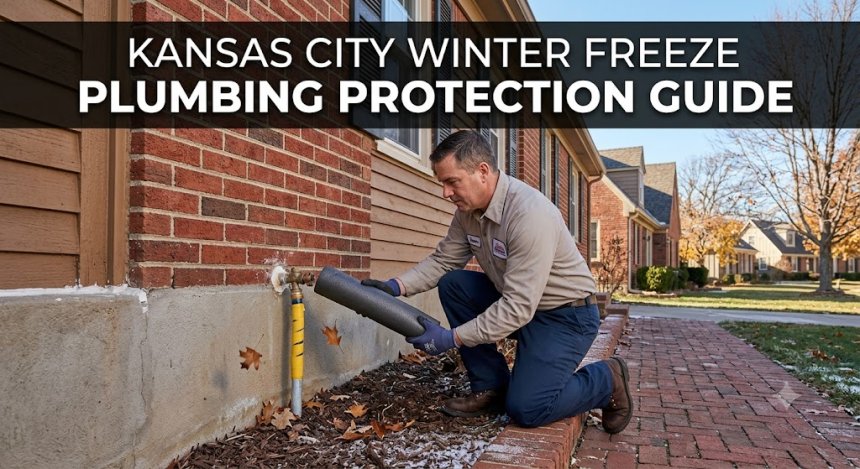
"Kansas City Winter Freeze Plumbing Protection Guide",
"Protect outdoor plumbing from Kansas City winter freezes. Learn winterization tips, freeze warnings, and how to avoid burst pipes this season.",

Need a Plumber in Kansas City, MO?
Plumbing Problem? Call for professional plumbing help.
Get help with emergency plumbing, clogged drains, leaking pipes, water heaters, burst pipes and other residential plumbing problems in Kansas City, Missouri.
Need a Plumber in Kansas City, MO?
Plumbing Problem? Call for professional plumbing help.
Get help with emergency plumbing, clogged drains, leaking pipes, water heaters, burst pipes and other residential plumbing problems in Kansas City, Missouri.
How to Protect Outdoor Plumbing From Kansas City Winter Freezes
Winter in the Kansas City metro area brings severe cold snaps, plunging temperatures overnight well below freezing. For homeowners across Jackson County, Clay County, and surrounding neighborhoods like Brookside, Waldo, and Overland Park, these sudden drops pose a massive threat to outdoor plumbing fixtures.
Frozen pipes and burst spigots are among the most common winter plumbing emergencies we respond to. Water expands as it freezes, exerting incredible force against metal and plastic lines. When outdoor faucets, exposed pipes, and sprinkler connections freeze, the damage can spread indoors rapidly, flooding basements and ruining walls before you even realize a rupture occurred. Taking proactive steps to prepare your home before the cold hits saves you stress, prevents emergency repairs, and protects your property value.
What Is Outdoor Plumbing Winterization?
Protecting outdoor plumbing from winter freezes involves preparing and isolating all water lines exposed to exterior temperatures. This includes hose bibs (spigots), outdoor showers, irrigation lines, backflow preventers, and piping passing through unheated crawlspaces or garages.
During normal operations in mild weather, water sits inside these lines right up to the valve handle. In a typical freeze scenario, water trapped inside an exterior spigot solidifies, expands, and splits the pipe behind the exterior wall. Symptoms often remain hidden until spring thaw or until you turn the valve back on, at which point water rushes into your basement or subfloor.
Why Does This Plumbing Problem Happen?
Understanding the physical causes behind winter freeze damage helps you implement effective protection strategies:
-
Seasonal Weather & Extreme Cold: Kansas City winters feature rapid temperature drops that freeze standing water inside uninsulated exterior lines within hours.
-
Aging Pipes: Decades-old copper or galvanized metal lines become brittle, making them far more susceptible to cracking under pressure.
-
Improper Installation: Outdoor faucets installed without a downward slope trap water inside the valve body instead of draining out.
-
Attached Garden Hoses: Leaving a garden hose connected to a frost-free spigot holds water inside the barrel, preventing auto-draining and guaranteeing a winter split.
-
Uninsulated Crawlspaces & Garages: Water lines running through unheated crawlspaces experience freezing conditions similar to exterior pipes.
-
Corrosion & Wear: Pre-existing corrosion weakens pipe walls, reducing their capacity to handle normal thermal expansion.
Signs You Should Never Ignore
Keep a close eye out for these critical warning indicators when cold weather sets in:
-
No Water Flow at Spigots: If you open an exterior faucet on a cold day and nothing comes out, the line is likely frozen solid.
-
Frost or Ice on Exposed Pipes: Visible frost on copper or PVC lines inside unheated areas indicates ice has formed within.
-
Low Water Pressure Indoors: A sudden drop in indoor fixture pressure during a cold snap can indicate ice restriction or an active split downstream.
-
Water Stains on Basements or Ceilings: Discolored patches on interior walls directly behind outdoor spigots point to a hidden burst pipe.
-
Strange Noise in Walls: Clunking, whistling, or bubbling sounds when running indoor water can signal ice blockages or pressure imbalances.
-
High Water Bills: An unexpected spike in your winter water bill often indicates a subterranean or subfloor leak from a burst outdoor supply line.
Common Plumbing Problems Related to This Issue
Winter freeze damage rarely isolates itself to just a simple dripping faucet. When outdoor plumbing freezes, it triggers a chain reaction of related issues:
-
Burst Exterior Pipes: Massive water release inside walls once the pipe thaws.
-
Water Heater Failures: Overworking systems when supply lines fill with slush or lose pressure.
-
Drain Clogs & Frozen Vent Stacks: Ice accumulation inside roof vents causing slow drainage indoors.
-
Slab Leaks: Cracks in water lines buried beneath concrete foundations due to ground freezing and shifting.
-
Fixture & Valve Failure: Cracking of internal ceramic discs and rubber washers inside outdoor faucets.
Step-by-Step Professional Repair Process
If an outdoor plumbing line freezes or bursts, licensed plumbers follow a safe, systematic restoration protocol:
-
Inspection: We visually inspect all exterior spigots, exposed lines, and interior connections to trace the damage path.
-
Diagnosis: Using leak detection equipment and pressure testing, we locate hidden splits within walls or subfloors.
-
Estimate: We provide an upfront, itemized repair plan detailing necessary pipe replacement or frost-proof valve installation.
-
Repair: The damaged pipe section is cut out and replaced with modern, freeze-resistant piping or frost-free hose bibs.
-
Testing: We pressurize the supply network to ensure watertight performance throughout the system.
-
Cleanup: Our team clears out debris, dries accessible damp areas, and leaves the workspace clean.
-
Maintenance Advice: We walk you through proper winterization steps for your specific home layout to prevent future incidents.
Can You Fix It Yourself?
Homeowners can safely perform essential winterization tasks to prevent problems before they start:
-
Disconnect Hoses: Detach, drain, and store all garden hoses before the first hard freeze.
-
Shut Off Interior Valves: Locate interior shut-off valves for outdoor spigots, turn them off, and drain the excess water by opening the outside valve.
-
Install Insulated Covers: Place foam faucet covers over all exterior spigots as an added layer of thermal defense.
However, DIY thaws become dangerous when using open flames, torches, or space heaters near exposed wood and insulation. Never attempt to thaw a pipe with a blowtorch, as this poses extreme fire hazards and causes sudden steam explosions inside pipes. If a pipe has already split, call a professional immediately to prevent devastating home flooding.
Tools Professionals Use
Professional plumbers use dedicated tools to handle freeze repairs quickly and cleanly:
-
Leak Detection Equipment: Acoustic sensors and thermal cameras locate hidden leaks behind drywall without unnecessary demolition.
-
Pipe Freeze Kits: Specialized freezing units isolate sections of piping without shutting off water to the entire building during repairs.
-
Pressure Testing Gauges: High-precision instruments verify system pressure integrity.
-
Pipe Inspection Cameras: High-definition cameras inspect interior line conditions for structural stress.
How Long Does the Repair Usually Take?
Thawing a frozen line without pipe damage takes roughly 1 to 2 hours. Replacing an accessible burst spigot or installing a new frost-free hose bib takes about 1 to 3 hours. Major structural repairs involving hidden wall splits or underground line replacements can take half a day to a full day, depending on pipe accessibility.
Cost Factors
Plumbing repair costs vary depending on the severity of the problem, accessibility, materials required, emergency service, property type, and local labor rates. Key factors include diagnostic fees, replacement parts (such as frost-free spigots), labor duration, equipment needed, permit costs (if structural changes are required), and whether structural wall openings are needed to access damaged lines.
Hidden Truths Homeowners Should Know
-
Small leaks become expensive repairs: A minor trickle behind a basement wall can destroy drywall, subfloors, and finished areas in hours.
-
Cheap temporary fixes often fail: Plastic tape or rubber wraps placed over frozen cracks burst as soon as main pressure returns.
-
Insurance may not cover neglected plumbing: Insurers often deny burst pipe claims if the home was left unheated or hoses were left attached.
-
Tree roots can repeatedly damage sewer lines: Freezing topsoil drives roots deeper into existing microscopic pipe cracks during winter.
-
Hard water shortens fixture lifespan: Mineral deposits prevent frost-free valves from sealing tightly, leaving water exposed to freezing air.
-
DIY mistakes increase repair costs: Incorrect soldering or using wrong fittings causes pressure blowouts down the line.
-
Delaying repairs causes structural damage: Water seepage rots floor joists and weakens foundation framing.
-
Hidden leaks increase utility bills: Sustained underground fractures waste thousands of gallons of municipal water.
-
Mold develops quickly: Damp insulation inside walls fosters mold growth within 24 to 48 hours following a freeze burst.
-
Annual maintenance saves money: Spending twenty minutes preparing your pipes each autumn completely eliminates freeze risk.
15 Common Mistakes Homeowners Make
-
Leaving garden hoses attached to exterior faucets during winter.
-
Assuming "frost-free" spigots cannot freeze (they can if hoses remain attached).
-
Forgetting to drain the residual water from line shut-off valves inside the basement.
-
Using open flame torches to thaw frozen water lines.
-
Leaving garage doors open when water lines pass through garage ceilings.
-
Setting indoor thermostats below 55°F when traveling during winter months.
-
Ignoring slow exterior drips during autumn months.
-
Failing to insulate exposed pipes in unheated crawlspaces.
-
Relying on cheap chemical drain cleaners or tape to fix cracked exterior lines.
-
Forgetting to drain underground sprinkler systems and backflow devices.
-
Over-tightening valve handles, damaging internal rubber seals.
-
Blocking heating vents in rooms adjacent to exterior plumbing lines.
-
Hiring unlicensed handymen for complex pipe replacements.
-
Waiting until temperatures drop below freezing to buy insulated covers.
-
Neglecting routine autumn plumbing inspections.
Maintenance Tips for Kansas City Winter Prep
-
Disconnect and store all outdoor hoses before November.
-
Shut off interior supply valves dedicated to outdoor faucets.
-
Open outdoor spigots after shutting off interior valves to drain residual water completely.
-
Install fitted, insulated foam covers over every hose bib.
-
Wrap exposed water pipes in crawlspaces and basements with pipe insulation sleeves.
-
Seal air leaks near foundation walls, basement windows, and dryer vents with caulk or spray foam.
-
Keep garage doors fully closed if water pipes pass through the structure.
-
Maintain a minimum indoor temperature of 68°F during extreme cold snaps.
-
Open sink cabinet doors along exterior walls during severe freezes to allow warm room air to circulate around pipes.
-
Allow a thin trickle of water to run from interior faucets fed by vulnerable exterior lines during sub-zero nights.
-
Schedule a professional irrigation blow-out for sprinkler systems before the first frost.
-
Know the exact location of your main house water shut-off valve.
-
Inspect outdoor spigot wall plates to ensure tight sealing against exterior siding.
-
Upgrade old standard hose bibs to modern frost-proof models.
-
Schedule an annual autumn plumbing checkup with a licensed local expert.
When Should You Call an Emergency Plumber?
Call an emergency plumber immediately if you encounter any of the following cold-weather scenarios:
-
A pipe has visibly burst and is actively spraying or leaking water.
-
Severe sewage backup into low-lying drains due to frozen sewer lines.
-
Multiple indoor faucets lose water flow during a deep freeze (indicating widespread frozen main lines).
-
An overflowing toilet that will not stop, combined with frozen supply lines.
-
Gas line concerns near gas-fired outdoor heaters or water heaters.
-
Water stains suddenly appear on walls, ceilings, or floorboards near outdoor spigot connections.
-
Active basement flooding caused by a split main supply pipe.
Frequently Asked Questions
-
Why is my water pressure suddenly low? Ice may be forming inside your supply lines, restricting water flow and signaling an impending freeze or hidden leak.
-
How much does leak detection cost? Costs vary based on equipment needs and accessibility; contact us for a transparent, upfront quote.
-
Can a clogged drain damage pipes? Yes, standing water in blocked drains expands when frozen, bursting surrounding pipes.
-
Is hydro jetting safe for old pipes? Plumbers inspect old or fragile lines first to ensure jetting pressure won't compromise historic pipes.
-
How do I know if my sewer line is broken? Persistent backups, strange smells, or wet patches in frozen soil indicate sewer damage.
-
How long do water heaters last? Standard water heaters typically last between 8 and 12 years with proper maintenance.
-
Why does my faucet drip? Worn internal washers or mineral scale prevent the valve from seating properly, requiring repair or replacement.
-
What causes pipes to burst? Extreme cold freezing trapped water, combined with high water pressure and pipe corrosion, causes bursts.
-
Can plumbing leaks increase my water bill? Yes, even a small hairline split in an outdoor pipe can waste hundreds of gallons daily.
-
When should I replace plumbing instead of repairing it? Replace lines if they show severe recurring corrosion, repeated freeze splits, or outdated materials.
Why Choose Our Plumbing Company
At Plumber in Kansas City, our experienced licensed plumbers deliver honest recommendations, upfront estimates, fast response times, and emergency availability across Kansas City, Jackson County, and surrounding communities. We bring local expertise, modern equipment, and dedicated quality workmanship to ensure your home remains safe, dry, and fully protected through every harsh Midwest winter.