Introduction
Nothing halts daily life quite like walking into your basement to find wastewater pooling around the floor drains. When your main sewer line gives out, panic sets in immediately, but getting professional sewer line repair in Hyde Park, Kansas City, MO quickly can prevent total property devastation. Homeowners throughout historic neighborhoods like Hyde Park face unique challenges, from aging infrastructure and towering mature trees to shifting midwestern clay soils that place immense physical stress on underground sewer laterals. Ignoring a slow-draining tub or a recurring gurgle in your toilet almost always results in a catastrophic main line collapse, forcing raw sewage into your living space and triggering expensive emergency restorations.
Emergency Protocol: When Immediate Dispatch is Non-Negotiable
Certain plumbing scenarios demand an immediate, 24/7 professional response to protect your family's health and structural safety:
-
Complete Main Sewer Line Backups: Wastewater actively flooding multiple basement floor drains, showers, and toilets simultaneously.
-
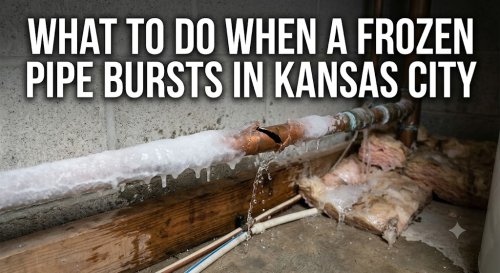
Catastrophic Pipe Bursts: Major water or sewage line ruptures actively eroding soil beneath your foundation or saturating drywall and structural framing.
-
Total Loss of Sanitary Facilities: Complete disruption of your home's ability to discharge wastewater, making the property uninhabitable.
-
Electrical Proximity Hazards: Sewage or water overflowing from fixtures and threatening active electrical outlets, subpanels, or appliance cords.
What Is Main Sewer Line Failure? Decoding the Mechanism
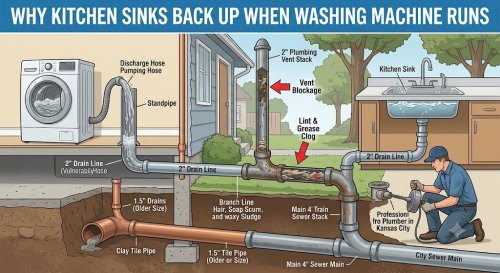
Your home's sewer lateral is the underground pipe responsible for carrying every ounce of wastewater from your toilets, sinks, and showers out to the municipal main in the street.
-
The Ideal State: Gravity pulls wastewater smoothly through a sloped, seamless pipe without obstruction, letting waste exit your property cleanly.
-
The Failure State: When structural cracks form, joints separate, or tree roots breach the interior walls, wastewater stalls. Solids accumulate at the breach point, causing a complete hydraulic blockage that forces liquid backward into your lowest home fixtures.
Picture a classic craftsman home in Hyde Park built in the 1920s. Its original clay tile or brittle cast-iron sewer lateral has settled over decades. A tiny hairline fracture lets out nutrient-rich moisture, drawing aggressive silver maple roots right through the pipe wall. Within months, a dense root mass chokes the interior flow, turning every flush into a game of roulette.
Critical Warning Signs: When Your Home is Sounding the Alarm
Sewer lines rarely fail overnight without giving clues. Property owners can spot trouble early by paying attention to subtle sensory indicators:
-
Sensory Indicators:
-
Visual Clues: Unusually lush, green patches of grass directly above your yard's sewer line path during a dry summer, or unexplained pooling water in the lawn.
-
Auditory Clues: Gurgling sounds echoing from your toilet bowls when you run the washing machine or drain the bathtub.
-
Olfactory Clues: Persistent odors of sulfur, damp earth, or raw sewage lingering near floor drains or in the basement.
-
-
Cascading Risks: Postponing remediation allows toxic black water to saturate soil and subflooring, destroying foundation footings and encouraging rapid mold growth that ruins indoor air quality.
Root Causes: Why This Problem Occurs in Kansas City Homes
Midwestern environmental factors and historical urban development put severe wear and tear on underground infrastructure:
-
Aging Infrastructure & Historic Piping: Many Hyde Park properties still rely on century-old cast iron, Orangeburg, or clay tile sewer pipes that have long exceeded their design lifespan.
-
Aggressive Tree Root Intrusion: Mature maples, oaks, and elms lining Kansas City streets constantly hunt for moisture, forcing microscopic roots through tiny pipe joints.
-
Foundation Shifting & Expansive Clay Soils: Local clay soils swell aggressively during heavy spring rains and shrink during summer droughts, shifting underground pipes and snapping brittle lines.
-
Grease, Scale, and Structural Wear: Decades of accumulated cooking grease, soap scum, and scale buildup narrow the interior diameter of waste pipes until they catch debris and lock up completely.
Financial Breakdown: Cost Factors & Investment Realities
Sewer line investments vary based on project scale and accessibility. Professional plumbers use transparent, flat-rate pricing structures influenced by several variables:
-
Diagnostic & Service Dispatch Fees: Covers the technical expertise, travel, and initial assessment required to pinpoint sub-surface failures accurately.
-
Specialty Equipment Deployment: Utilizing high-definition sewer cameras, electronic line locators, and heavy-duty hydro-jetters adds precision to the repair process.
-
Material Quality & Depth: Repairing a shallow, accessible PVC line is straightforward, whereas excavating deep beneath a concrete basement floor or restoring a collapsed yard trench requires heavier labor.
-
Permitting & Municipal Code Requirements: Local Kansas City plumbing codes mandate specific permits and inspections for main line replacements to safeguard public health and property value.
-
Repair vs. Total Replacement: Spot repairs fix localized root intrusions, but if an entire lateral is structurally compromised, proactive trenchless replacement prevents recurring emergency bills.
Professional Diagnostic & Repair Workflow
Licensed master plumbers follow a strict, systematic methodology to diagnose and resolve sewer failures permanently:
-
Non-Invasive Triage & Safety Isolation: The technician assesses the scope of the backup, advises residents on water usage restrictions, and secures the work area.
-
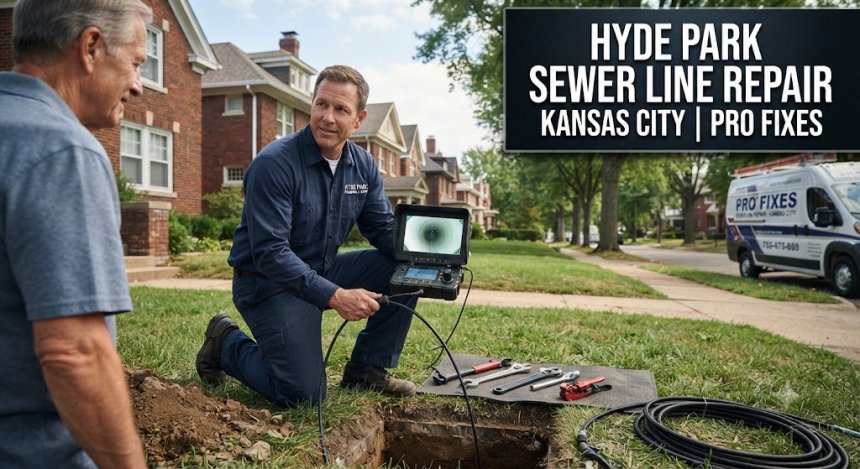
Precision Diagnostic & Digital Video Inspection: A high-definition push-rod camera is navigated through the cleanout to record structural breaks, root mats, and pipe offsets in real time.
-
Transparent, Upfront Options & Written Estimating: The plumber presents clear repair paths—ranging from targeted spot excavation to modern trenchless pipe lining—with fixed pricing before any work begins.
-
Code-Compliant Remediation: Repairs are executed using durable materials like schedule 40 PVC or seamless epoxy liners, strictly meeting local building codes.
-
Pressure Testing, Flow Verification, & Clean-Up: The restored line undergoes rigorous flow and pressure verification before the work area is thoroughly sanitized and restored.
Advanced Diagnostics: The Professional Tool Arsenal
Modern plumbing relies heavily on advanced tech to eliminate guesswork entirely:
-
Push-Rod High-Definition Drain & Sewer Cameras: Deliver crystal-clear visuals of pipe interiors to identify structural cracks, bellies, and heavy scale.
-
Hydro-Jetting High-Pressure Cleaning Units: Blasts water at up to 4,000 PSI to scour away stubborn grease, calcification, and dense root bundles completely.
-
Electronic Pipe Locators & Sondes: Transmit a radio signal from inside the sewer line, allowing technicians to map the exact depth and route of underground pipes from the surface.
-
Electronic Acoustic Leak Detectors: Pinpoint hidden pressurized leaks without tearing up floors or tearing down finished walls.
DIY Reality Check: What You Can Safely Fix vs. When to Step Back
Tackling plumbing maintenance yourself can save money, but sewer lines are high-stakes territory where mistakes get expensive fast.
-
Safe Homeowner Actions: Clearing a basic sink hair clog with a manual hand snake, using a standard flange toilet plunger on minor clogs, and managing water conservation during a partial backup.
-
The Danger Zone: Renting heavy industrial augers from a local hardware store can twist metal cables inside your sewer line, puncturing old pipes or trapping the machine underground. Pouring harsh chemical acid down backed-up drains risks severe chemical burns and pipe corrosion.
-
When to Call a Pro: If plunging fails, if multiple drains back up simultaneously, or if you smell raw sewage in your living space, drop the DIY tools immediately and call a licensed professional.
Unique Expert Insights: Hard Truths Homeowners Learn Too Late
Years of hands-on field experience reveal hard truths that save homeowners from costly mistakes:
-
Temporary patch kits and expanding rubber plugs only mask structural failures and often fail during peak holiday loads, causing indoor flooding.
-
Liquid chemical drain openers generate extreme heat that warps plastic pipes and accelerates corrosion in older metal sewer lines from the inside out.
-
Unlicensed handymen frequently skip municipal permits, creating hidden code violations that cause major deal-breakers during real estate home sales.
-
Preventive maintenance cleanings cost a fraction of a single emergency midnight sewage extraction and extend the structural life of your home's drainage network.
Comprehensive Home Plumbing Maintenance Framework
Protecting your sewer system requires consistent, seasonal attention:
-
Spring & Summer Checks:
-
Inspect your basement floor drains to ensure P-traps are full of water and blocking sewer gas.
-
Check outdoor grading to ensure rainwater slopes away from your foundation and doesn't swamp sewer cleanouts.
-
Test sump pump operation before heavy spring storms arrive.
-
-
Fall & Winter Preparation:
-
Keep heavy vehicle traffic parked away from your front lawn where shallow underground sewer lines run.
-
Flush water heaters and check main house shut-off valves for smooth operation.
-
-
Year-Round Habits:
-
Install mesh strainers on all sinks, tubs, and showers to catch hair and debris.
-
Never flush "flushable" wipes, paper towels, hygiene products, or grease down your drains.
-
Schedule a professional preventative sewer camera inspection every few years if you live near large mature trees.
-
Frequently Asked Questions (FAQs)
How do I know if my main sewer line is broken in Hyde Park?
Key indicators include multiple slow-draining fixtures, gurgling toilets, foul sewage odors in the basement or yard, and wet, sunken patches of grass outdoors. A digital camera inspection provides absolute confirmation.
What is trenchless sewer repair, and how does it work?
Trenchless sewer repair allows plumbers to replace or rehabilitate a damaged sewer line underground without digging up your entire lawn or driveway. Methods include pipe bursting and cured-in-place pipe (CIPP) lining.
Can tree roots really destroy my sewer pipes?
Yes. Tree roots seek out moisture and nutrients through tiny joints or cracks in older clay and cast-iron pipes. Once inside, they expand rapidly, choking the line and causing severe blockages.
Are chemical drain cleaners safe for clearing main sewer clogs?
No. Chemical drain cleaners are rarely effective on main line blockages caused by roots or structural breaks, and their caustic formulas can severely damage older pipe materials.
How long do residential sewer lines typically last?
Traditional cast iron and clay tile sewer lines generally last between 50 to 75 years. Modern PVC sewer pipes installed correctly can last 100 years or more.
What should I do immediately if my sewer line backs up?
Stop using all water fixtures in the house immediately to prevent further sewage overflow. Turn off washing machines and dishwashers, and call a licensed emergency plumber right away.
Do I need a permit to replace a sewer line in Kansas City?
Yes. Municipal codes in Kansas City require proper permits and inspections for major sewer line repairs and replacements to ensure compliance and protect your property value.
How can I prevent future sewer line backups?
Avoid flushing wipes, grease, and feminine products down your toilets and drains. Schedule routine hydro-jetting or rooter maintenance if your property features large mature trees.