What to Do When a Pipe Bursts in Your Kansas City Home
Learn what to do when a pipe bursts in your Kansas City home. Step-by-step emergency actions, cost factors, repair timelines, and maintenance tips.

Need a Plumber in Kansas City, MO?
Plumbing Problem? Call for professional plumbing help.
Get help with emergency plumbing, clogged drains, leaking pipes, water heaters, burst pipes and other residential plumbing problems in Kansas City, Missouri.
Need a Plumber in Kansas City, MO?
Plumbing Problem? Call for professional plumbing help.
Get help with emergency plumbing, clogged drains, leaking pipes, water heaters, burst pipes and other residential plumbing problems in Kansas City, Missouri.
What to Do When a Pipe Bursts in Your Kansas City Home
Few domestic emergencies cause as much immediate panic as hearing water gushing through a ceiling or discovering your basement ankle-deep in water. During severe Midwest winter freezes, a single ruptured line can discharge hundreds of gallons of water into your living space within an hour, destroying drywall, ruining hardwood flooring, and causing structural damage.
Homeowners and business owners across Jackson, Clay, and Platte counties often search for urgent advice when dealing with freeze-thaw damage, aging copper lines, or sudden water pressure surges. Knowing exactly what steps to take in the first ten minutes after a pipe bursts protects your property, keeps your family safe, and saves thousands of dollars in restoration fees before a licensed plumber arrives.
What Is a Burst Pipe Emergency?
A burst pipe occurs when an internal water supply line or main line suffers a structural failure, tearing open under hydrostatic pressure and releasing pressurized municipal water into your home.
Common Burst Pipe Scenarios in Kansas City
-
Winter Freeze-Thaw Ruptures: Uninsulated water lines running through exterior walls, basements, or crawlspaces freeze, expanding until the pipe wall splits.
-
Corroded Pipe Failures: Older galvanized iron lines in historic neighborhoods like Brookside or Waldo thin out over time until standard water pressure tears them open.
-
High-Pressure Blowouts: Household water pressure exceeding 80 PSI weakens soldered copper joints or PEX crimps over time, causing sudden disconnects.
Why Does This Plumbing Problem Happen?
Pipe ruptures happen due to a combination of regional weather conditions, soil structure, and plumbing wear:
-
Sub-Zero Midwestern Temperatures: When water inside a pipe freezes, it expands by approximately 9%. Trapped between the ice block and a closed faucet, the expanding water creates immense internal pressure that ruptures the pipe wall.
-
Aging Infrastructure & Galvanic Corrosion: Over decades, metal pipes oxidize internally. Dissimilar metals connected without insulating unions corrode rapidly, weakening the pipe walls.
-
Shifting Kansas City Clay Soils: Ground movement strains main underground water service lines entering your home, leading to shear cracks near foundation walls.
-
Unchecked Water Pressure Spikes: Fluctuations in municipal supply lines put continuous stress on internal fittings and aging valve assemblies.
Signs You Should Never Ignore
Recognizing warning signs early helps you spot a developing leak before a complete pipe rupture occurs:
-
Sudden Loss of Water Pressure: A sharp drop in pressure across multiple taps often indicates an active hidden break discharging water elsewhere.
-
Damp Walls or Ceiling Water Stains: Discolored rings, sagging drywall, or wet plaster indicate leaking overhead pipes.
-
Unexplained Rattling or Clanging Noises: Known as water hammer, pipe movement signals unsecured lines or severe pressure surges.
-
Spikes in Your Water Bill: Unusually high municipal water bills without changes in household use point directly to hidden line leaks.
-
Musty Odors & Mold Spots: Continuous low-grade moisture encourages rapid mold colonization behind drywall and under subflooring.
-
Standing Water or Wet Basement Spots: Water pooling near foundation walls or basement slabs without recent rain indicates main service line failure.
Common Plumbing Issues Related to Burst Pipes
A burst pipe rarely happens in isolation; it frequently connects to broader household plumbing vulnerabilities:
-
Slab Leaks: High-pressure line ruptures beneath concrete basement slabs.
-
Drain Clogs & Backups: Main sewer lines backing up into lowest-level fixtures due to root intrusion or pipe collapse.
-
Water Heater Failures: Ruptured inlet lines or pressure relief valves releasing scalding water.
-
Fixture Supply Line Splits: Old braided rubber hoses under sinks or toilets bursting under pressure.
Immediate Action: What to Do in the First 10 Minutes
When a pipe bursts, follow these critical steps immediately to mitigate damage:
-
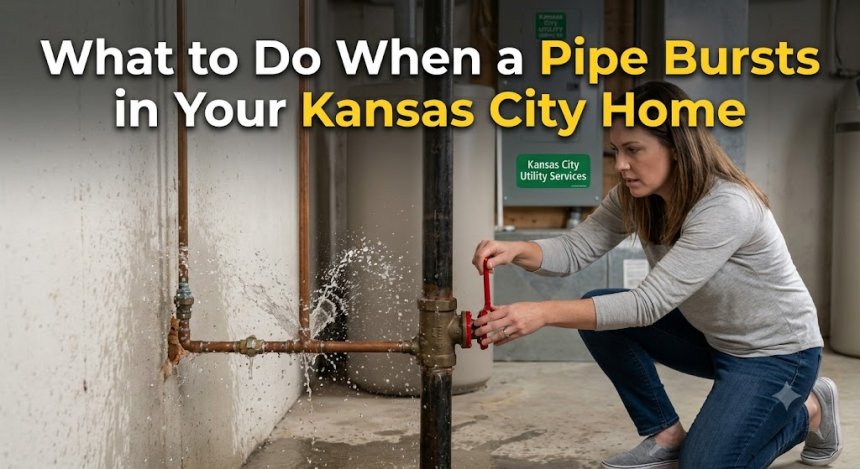
Shut Off the Main Water Supply: Locate your home's main shut-off valve (usually located in the basement, garage, or near the water meter) and turn it completely off.
-
Drain Remaining Water from the System: Open your lowest-level faucets (such as a basement utility sink or outdoor spigot) and highest-level taps to relieve residual line pressure and empty trapped water.
-
Turn Off Electrical Power: If water is pooling near outlets, electrical panels, or appliances, shut off power at the breaker box safely. Do not step into standing water to reach the panel.
-
Document the Damage: Take clear photos and videos of wet structures, damaged belongings, and the visible pipe leak for home insurance claims.
-
Call a Professional Plumber: Contact a certified local plumbing contractor immediately to perform structural repairs and restore safe service.
Step-by-Step Professional Repair Process
When a licensed technician arrives at your property, they perform a structured repair sequence to restore your system safely:
+---------------------------------------------------------------------------------+
|                    PROFESSIONAL BURST PIPE REPAIR PROCESS                       |
|                                                                                 |
|  [1. System Isolation & Safety Check] ---> Isolate water & assess structural safety|
|          |                                                                      |
|          v                                                                      |
|  [2. Diagnostic Leak Location]       ---> Use cameras & acoustic equipment     |
|          |                                                                      |
|          v                                                                      |
|  [3. Upfront Written Estimate]        ---> Present repair options & costs       |
|          |                                                                      |
|          v                                                                      |
|  [4. Structural Repair / Repiping]   ---> Cut away damaged section & replace line|
|          |                                                                      |
|          v                                                                      |
|  [5. High-Pressure System Testing]   ---> Re-pressurize system & check joints  |
|          |                                                                      |
|          v                                                                      |
|  [6. Site Cleanup & Sanitization]    ---> Remove debris & dry immediate area   |
|          |                                                                      |
|          v                                                                      |
|  [7. Preventive Maintenance Plan]    ---> Provide freeze-proofing guidance     |
+---------------------------------------------------------------------------------+
Can You Fix a Burst Pipe Yourself?
Handling a burst pressurized pipe requires specialized equipment and training.
-
Safe Temporary Fixes: Shutting off the main water valve, wrapping a rubber patch sleeve tightly over a minor pinhole leak with hose clamps, or applying emergency silicone tape to stop small drips while waiting for emergency service.
-
Safe DIY Tasks: Draining water lines, placing catch buckets, and cutting away wet insulation around exposed pipes.
-
When DIY Gets Dangerous: Never attempt to solder copper lines near wet wood or insulation without fire safety shields, and never cut into gas lines or main sewer stacks. DIY patches are temporary and cannot withstand full municipal pressure long-term.
Advanced Tools Professionals Use for Precise Repairs
Modern plumbing contractors use advanced machinery to isolate and fix pipe ruptures efficiently:
-
Acoustic & Ultrasonic Leak Detectors: Pinpoint underground or in-wall leaks by listening to high-frequency pressure sounds.
-
Thermal Imaging Cameras: Detect temperature differences behind drywalls to trace hidden water flows without tearing down walls blindly.
-
High-Definition Pipe Inspection Cameras: Inspect internal pipe conditions to confirm line integrity before and after repairs.
-
Pipe Freezing & Press-Fitting Tools: Allow technicians to perform precise, flame-free pipe joints inside tight, flammable building cavities.
How Long Does a Burst Pipe Repair Usually Take?
| Repair Type | Scope of Work | Estimated Duration |
| Simple Repair | Replacing an exposed section of copper or PEX in an open basement | 1 – 2 Hours |
| Moderate Repair | Cutting drywall to replace concealed interior supply lines or shut-off valves | 2 – 4 Hours |
| Major Repair | Repairing main service lines, slab leaks, or multi-room freeze damage | 1 – 3 Days |
| Emergency Stabilization | Shutting off main valves, draining lines, and installing bypass patches | Under 1 Hour |
Key Factors That Determine Your Total Repair Cost
Plumbing repair costs vary depending on the severity of the problem, accessibility, materials required, emergency service, property type, and local labor rates.
-
Diagnostic & Emergency Dispatch Fees: After-hours, weekend, or holiday service dispatch charges.
-
Pipe Accessibility: Exposed pipes in unfinished basements cost less to access than lines buried beneath concrete slabs or hidden behind tiled shower walls.
-
Materials & Pipe Types: Modern PEX-A, high-grade copper, brass valves, and specialized fittings vary in cost.
-
Scope of Repair vs. Full Repiping: Patching a single split section versus replacing an entire corroded branch line.
-
Permit & Inspection Requirements: Local municipal code compliance and utility shut-off coordination fees when main service lines are replaced.
Hidden Truths Homeowners Should Know
-
Small Pinholes Cause Major Structural Rot: A microscopic pinhole leak dripping silently over weeks can rot subflooring and destroy support joists.
-
Cheap Temporary Clamps Always Fail: Emergency rubber sleeves are temporary holding measures—they cannot support continuous system pressure long-term.
-
Insurance May Reject Neglect Claims: Home insurance providers often deny claims if damage traces back to unheated properties or unaddressed long-term corrosion.
-
Tree Roots Continuously Attack Sewer Lines: Clearing roots out of a cracked sewer pipe is temporary; damaged pipe sections must eventually be replaced.
-
DIY Mistakes Increase Final Costs: Over-tightening plastic fittings or using incompatible pipe metals accelerates corrosion and causes secondary leaks.
-
Mold Spreads within 24–48 Hours: In humid Midwestern climates, mold spores germinate on wet drywall and carpet padding within two days of exposure.
15 Common Mistakes Homeowners Make
-
Ignoring Minor Drips: Letting slow valve drips turn into midnight line ruptures.
-
Using Caustic Chemical Cleaners: Caustic drain cleaners generate heat that weakens aging thin-walled pipes.
-
Flushing "Flushable" Wipes: Wipes bind inside sewer mains, causing severe line backups.
-
Pouring Cooking Fats Down Drains: Grease hardens inside cold lines, trapping debris and creating blockages.
-
Ignoring High Water Pressure: Operating over 80 PSI stresses pipe joints, flexible hoses, and valve seals.
-
Hiring Unlicensed Handymen: Lacking proper licensing leaves homeowners unprotected against accidental structural damage.
-
Skipping Annual Inspections: Neglecting routine water heater maintenance and shut-off valve checks.
-
Waiting for Emergencies to Find a Plumber: Frantically hiring unvetted contractors during a midnight flood.
-
Connecting Dissimilar Metals Directly: Joining copper directly to steel without dielectric unions causes rapid galvanic corrosion.
-
Over-Tightening Brass Connections: Applying excessive force strips threads and cracks valve bodies.
-
Leaving Garden Hoses Connected in Winter: Trapped water freezes back into interior sillcocks, splitting pipes inside walls.
-
Using Supply Lines as Storage Racks: Hanging clothes or items from exposed basement copper lines strains soldered joints.
-
Not Knowing Where the Main Shut-Off Valve Is: Wasting precious time looking for shut-off valves while water floods the property.
-
Overloading Garbage Disposals: Packing fibrous vegetables, bones, or rice into disposals creates main line clogs.
-
Delaying Slab Leak Fixes: Hoping floor warm spots disappear while water washes away foundation soil.
15 Practical Maintenance Tips for Kansas City Property Owners
-
Locate & Label Your Main Shut-Off Valve: Tag your main valve with a bright label so family members can locate it quickly during a leak.
-
Test Your Valve Semi-Annually: Turn your main valve off and back on twice a year to prevent mineral scale from seizing the mechanism.
-
Disconnect Outside Hoses Before Winter: Remove all garden hoses from exterior spigots before the first freeze.
-
Insulate Pipes in Unheated Spaces: Wrap foam pipe insulation around water lines in basements, crawlspaces, and garages.
-
Keep Cabinet Doors Open During Deep Freezes: Allow warm indoor air to circulate around kitchen and bathroom pipes during cold snaps.
-
Let Taps Drip Slightly During Sub-Zero Weather: Maintain a tiny trickle on exterior-wall faucets to prevent ice pressure from building up.
-
Replace Rubber Washing Machine Hoses: Upgrade to braided stainless steel supply lines every 3 to 5 years.
-
Flush Water Heater Tanks Annually: Drain accumulated mineral sediment out of the tank to prolong heating element and valve life.
-
Install Mesh Drain Strainers: Catch hair and soap scum before they accumulate in P-traps.
-
Monitor Water Pressure: Use a hose-bibb pressure gauge to ensure domestic pressure remains safely between 40 and 60 PSI.
-
Check Toilet Tanks for Silent Leaks: Drop food coloring into the tank; if color leaks into the bowl without flushing, replace the flapper.
-
Upgrade Gate Valves to Ball Valves: Replace old wheel-style main valves with reliable quarter-turn brass ball valves.
-
Clean Sump Pump Basins Springly: Test your sump pump by pouring a bucket of water into the pit before heavy spring rains arrive.
-
Inspect Exposed Pipes Monthly: Look for green corrosion marks, white mineral scale, or moisture under sink connections.
-
Schedule Annual Professional Inspections: Have a licensed technician evaluate your overall plumbing system once a year.
When Should You Call an Emergency Plumber?
Shut off your main water valve and contact a licensed plumber immediately if you encounter:
-
Active Ruptured Pipes: High-volume water discharging into walls, ceilings, or living spaces.
-
Sewage Backups: Raw waste bubbling up through basement floor drains, showers, or toilets.
-
Complete Water Loss: Total loss of water pressure across your property during a freeze.
-
Suspected Gas Line Leaks: Evacuate immediately, contact your local gas utility, and call a certified technician.
-
Ruptured Water Heater Tanks: Water flooding continuously from hot water storage tanks.
Frequently Asked Questions
Why is my water pressure suddenly low?
A sudden drop in water pressure usually signals an active hidden pipe burst, a failing pressure-reducing valve (PRV), or a municipal main line break nearby.
How much does leak detection cost?
Diagnostic leak detection pricing depends on line depth and equipment needs. Specialized acoustic or thermal imaging tools isolate hidden slab or wall leaks accurately without damaging property.
Can a clogged drain damage my pipes?
Yes. Total line blockages trap water under hydrostatic pressure, forcing wastewater into pipe joints and accelerating internal corrosion.
Is hydro jetting safe for older pipes?
Hydro jetting is safe when preceded by a camera inspection. If old cast iron or terra cotta lines show cracks or structural collapse, jetting pressure is adjusted accordingly.
How do I know if my sewer line is broken?
Common signs include recurring multi-fixture backups, sewer gas smells in the basement, extra green patches on the lawn, or ground sinkholes.
How long do water heaters last?
Traditional tank water heaters typically last 8 to 12 years. Tankless water heating units can last 15 to 20 years with annual maintenance and flushing.
Why does my faucet keep dripping?
Faucets drop when internal rubber O-rings wear out, brass seats corrode, or ceramic disc cartridges collect mineral deposits.
What causes pipes to burst in winter?
Trapped water inside uninsulated pipes freezes, expands, and exerts extreme internal pressure, splitting metal or plastic pipe walls.
Can plumbing leaks increase my water bill?
Yes. A running toilet or small concealed supply leak can waste hundreds of gallons per day, significantly increasing utility bills.
When should I replace plumbing lines instead of repairing them?
Replace lines when pipes show widespread external corrosion, suffer repeated leaks across the same branch, or consist of obsolete materials like lead or galvanized iron.
Why Choose Plumber in Kansas City?
When a pipe bursts in your property, you need rapid response, clear pricing, and reliable craftsmanship. Plumber in Kansas City is ready to protect your home:
-
Experienced Licensed Technicians: Fully certified plumbers equipped to resolve burst pipes, slab leaks, and sewer main emergencies safely.
-
Upfront, Honest Pricing: Clear estimates before work starts—no hidden surprises during emergency calls.
-
Fast Response & Emergency Availability: Prepared to respond quickly when unexpected leaks threaten your property.
-
Advanced Equipment: Utilizing thermal imaging, high-definition camera inspection, and modern press-fit repair technology.
-
Local Expertise: Proudly serving residential and commercial property owners across Kansas City and surrounding communities with quality workmanship.
Website: