Why Does My Drain Keep Clogging in Kansas City Homes?
Recurring drain clogs in Kansas City? Discover root causes, signs, DIY limits, repair timelines, cost factors, and when to call a plumber.


Need a Plumber in Kansas City, MO?
Plumbing Problem? Call for professional plumbing help.
Get help with emergency plumbing, clogged drains, leaking pipes, water heaters, burst pipes and other residential plumbing problems in Kansas City, Missouri.
Need a Plumber in Kansas City, MO?
Plumbing Problem? Call for professional plumbing help.
Get help with emergency plumbing, clogged drains, leaking pipes, water heaters, burst pipes and other residential plumbing problems in Kansas City, Missouri.
Why Does My Drain Keep Clogging in My Kansas City Home?
Clearing a kitchen sink or bathroom tub only to watch it back up again a week later is one of the most frustrating home maintenance headaches. When a plunger or hand snake only provides temporary relief, the problem usually isn't just a surface clog—it's a sign of a deeper structural or systemic issue within your plumbing network.
Homeowners and business owners across Jackson, Clay, and Platte counties—from historic residences in Hyde Park, Waldo, and Brookside to sprawling properties in Northland, Lee's Summit, and Overland Park—deal with recurring drain blockages every year. Understanding why drains repeatedly fail gives you the knowledge to address the root cause, protect your property from costly water damage, and know exactly when it’s time to call a professional.
What Are Recurring Drain Clogs?
A recurring drain clog occurs when a specific sink, tub, toilet, or main household sewer line continuously backs up despite repeated clearing efforts.
How Drain Systems Fail
Household drainage relies on gravity, proper pipe pitch, and smooth interior pipe walls to push wastewater into municipal sewers.
-
Isolated Fixture Clogs: Blockages confined to a single branch line, such as a bathroom vanity or kitchen sink.
-
Systemic Main Line Clogs: Deep sewer lateral blockages that force wastewater back up through low-lying basement floor drains or shower pans across the home.
Why Does This Plumbing Problem Happen?
Repeated drain failure is rarely accidental. In Kansas City properties, recurring blockages typically trace back to key structural, environmental, or usage factors:
-
Tree Root Intrusion: Clay, cast iron, and older fiber conduit pipes common in mature neighborhoods naturally attract invasive tree roots searching for moisture. Roots enter microscopic pipe joints and build dense nets that catch hair and debris.
-
Pipe Sagging or "Bellies": Shifting Midwestern soil or poor ground compaction causes sections of underground sewer lines to sag. Standing water accumulates in these dips, creating constant sludge traps.
-
Accumulated Fats, Oils, and Grease (FOG): Warm kitchen grease poured down drains solidifies as it cools inside main lines, forming rock-hard blockages over time.
-
Aging, Corroded Iron and Galvanized Pipes: Older metal pipes rust and flake internally. The resulting rough interior surfaces snag toilet paper and organic waste.
-
Hard Water Scale Deposits: High mineral content in municipal water leaves calcium scale inside pipes, narrowing internal diameter year after year.
-
Improper Pipe Pitch or Misaligned Joints: Incomplete DIY additions or poor original construction leave pipes without enough slope for gravity to clear solids efficiently.
Warning Signs You Should Never Ignore
Ignoring early signals from your drainage system leads to messy sewage overflows and structural damage. Keep an eye out for these critical signs:
-
Slow-Draining Water: Standing water taking several minutes to clear from tubs, sinks, or utility basins.
-
Gurgling & Bubble Noises: Glug-glug sounds coming from toilets or nearby drains when running laundry or washing dishes.
-
Foul Sewage Odors: Pungent smells escaping from sinks, shower stalls, or basement floor drains due to decaying organic matter.
-
Water Backups in Secondary Fixtures: Flushing a toilet causes dirty water to gurgle up into the adjacent shower pan.
-
Persistent Dampness or Damp Drywall: Wet spots around basement floor drains or lower drywall seams signaling subterranean drain line leaks.
-
Unusual Sinkholes or Bright Green Grass Patches: Soggy, over-luxuriant grass spots in your yard marking underground main sewer line ruptures.
Common Plumbing Issues Related to Recurring Drain Clogs
Continuous drain backups put immense pressure on surrounding fixtures and lines:
-
Pipe Joint Leaks: Back-pressure forces standing wastewater through weakened pipe connections inside walls or crawlspaces.
-
Main Sewer Line Backups: Sewage returning into lower levels, creating severe health hazards and property destruction.
-
Slab Leaks: Corroded, pressurized drain lines cracking beneath concrete foundation slabs.
-
Fixture Seal Damage: Repeated chemical or mechanical clearing eroding rubber wax rings and toilet base seals.
Step-by-Step Professional Repair Process
When a licensed technician inspects a recurring clog, they follow a methodical process to resolve the underlying issue permanently:
-
Initial Fixture Assessment: Inspect visible drains, cleanout access points, and surrounding plumbing fixtures.
-
High-Definition Sewer Camera Inspection: Feed a fiber-optic video camera down the cleanout to pinpoint the exact location, pipe composition, depth, and nature of the obstruction.
-
Upfront Transparent Estimate: Provide an itemized, written repair plan—such as hydro jetting, cable augering, or trenchless pipe lining.
-
Mechanical Clearing or Hydro Jetting: Blast away heavy grease, scale, and intrusive tree roots using high-pressure water streams or heavy-duty cutting augers.
-
Post-Cleaning Camera Verification: Re-insert the video camera to inspect cleaned pipe walls and verify complete obstruction removal.
-
Sanitization & Site Cleanup: Disinfect work areas, clean floor drains, and remove all protective dropsheets.
-
Long-Term Preventive Advice: Deliver clear maintenance suggestions tailored to your pipe material and property age.
Can You Fix It Yourself?
Knowing what you can safely clean yourself prevents accidental pipe destruction and costly emergency calls.
-
Safe DIY Checks: Clean hair out of removable shower pop-up stoppers. Use a rubber cup plunger on minor sink or toilet clogs. Remove and clear under-sink P-traps safely over a bucket.
-
Temporary Fixes: Pouring hot water mixed with mild dish soap down kitchen drains helps dissolve fresh, soft grease coatings.
-
When DIY Becomes Dangerous: Avoid chemical drain cleaners entirely. Their harsh caustic ingredients generate intense heat that softens PVC fittings, eats away at old cast iron, and creates hazardous chemical pools when lines remain blocked. Never force oversized rental drain snakes into pipes without professional training, as binding cables can break wrists or puncture hidden lines.
Advanced Tools Professionals Use
Modern plumbing services use specialized diagnostic and clearing machinery to ensure long-lasting results:
-
Sewer Camera Inspection Systems: High-definition waterproof cameras with digital depth locators locate cracks, sags, and tree root invasions pinpoint accuracy.
-
Industrial Hydro Jetters: Heavy-duty machines pumping water at 3,000 to 4,000 PSI to strip pipe walls down to bare material without chemicals.
-
Motorized Cable Augers: Commercial drain snakes featuring specialized metal cutting blades designed to shear through stubborn root masses.
-
Trenchless Pipe Repair Equipment: Cured-in-place pipe (CIPP) lining tools that restore cracked underground drain lines without destroying lawns or driveways.
How Long Does Professional Drain Repair Take?
| Repair Type | Scope of Work | Estimated Duration |
| Simple Drain Clearing | Snake hair or minor debris from a single branch line or fixture trap | 30 – 60 Minutes |
| Main Line Hydro Jetting | Deep cleaning grease and roots out of main lateral cleanouts with camera checks | 1 – 3 Hours |
| Trenchless Pipe Lining | Relining an underground damaged sewer lateral using CIPP resin technology | 4 – 8 Hours |
| Emergency Backup Restoration | Clearing main line obstructions and sanitizing affected basement areas | 2 – 4 Hours |
Key Factors That Determine Repair Costs
Plumbing repair costs vary depending on the severity of the problem, accessibility, materials required, emergency service, property type, and local labor rates.
-
Diagnostic & Video Inspection Fees: Utilizing high-definition camera technology to pinpoint deep underground pipe defects.
-
Location & Cleanout Accessibility: Cleaning lines through accessible exterior cleanouts costs less than pulling toilets or working inside tight crawlspaces.
-
Obstruction Severity & Equipment Needs: Standard mechanical snaking versus high-pressure hydro jetting or trenchless pipe rehabilitation.
-
Repair vs. Full Replacement: Patching small lateral sections versus excavating or relining an entire deteriorated sewer main.
Hidden Truths Homeowners Should Know
-
Small Leaks Become Expensive Repairs: Unaddressed slow drains place pressure on joints, sparking hidden wall leaks and structural rotting.
-
Cheap Temporary Fixes Often Fail: Over-the-counter liquid drain clearers bore tiny holes through clogs, leaving 90% of buildup behind to clog again within days.
-
Insurance May Not Cover Neglected Plumbing: Standard homeowners policies typically exclude backups caused by gradual lack of maintenance unless specific sewer riders are active.
-
Tree Roots Return Continually: Cutting roots out of a cracked pipe offers short-term relief; roots will invade again until the pipe wall is sealed or replaced.
-
Hard Water Shortens Fixture Lifespan: Untreated mineral scale reduces pipe volume and snags debris rapidly.
-
DIY Mistakes Increase Costs: Over-tightening fittings or jamming rental cables often breaks buried lines, doubling original repair bills.
-
Mold Develops Rapidly: Sewage moisture trapped under floors creates active mold colonies within 24 to 48 hours.
15 Common Mistakes Homeowners Make
-
Ignoring Slow-Draining Fixtures: Waiting until water stops moving completely before seeking help.
-
Using Caustic Chemical Cleaners: Pouring harsh liquids that corrode pipe walls and destroy rubber gaskets.
-
Flushing "Flushable" Wipes: Discarding synthetic wipes that fail to break down inside main sewer lines.
-
Pouring Cooking Oil Down Sinks: Allowing warm fats to congeal into solid FOG blockages.
-
Ignoring High Water Pressure: Letting excessive home PSI strain pipe joints and increase clog susceptibility.
-
Hiring Unlicensed Handymen: Entrusting complex main lateral lines to unvetted workers lacking proper licenses or insurance.
-
Skipping Annual Inspections: Forgetting routine camera checks on older properties with surrounding mature trees.
-
Waiting Until Midnight Emergencies: Ignoring warning signs until a complete backup occurs during off-hours.
-
Using Wrong Pipe Materials: Joining incompatible materials like copper directly to galvanized steel during home repairs.
-
Over-Tightening Threaded Fittings: Stripping plastic sink trap threads during home cleaning attempts.
-
Leaving Garden Hoses Connected in Winter: Trapping ice that bursts interior supply and drain lines.
-
Using Supply Lines as Clothes Racks: Straining exposed basement lines can break soldered copper joints.
-
Not Knowing Main Shut-Off Locations: Wasting valuable time searching for main valves during active overflows.
-
Overloading Garbage Disposals: Forcing thick organic scraps down disposals that choke branch lines.
-
Delaying Leak Repairs: Hoping slow drains or basement dampness will resolve naturally.
15 Practical Maintenance Tips for Kansas City Property Owners
-
Install Mesh Strainers: Keep hair and debris out of shower, tub, and vanity drains.
-
Scrape Plates into the Trash: Remove all food scraps before rinsing dishes in the sink.
-
Dispose of Grease in Cans: Allow fats to cool in containers before placing them in solid waste bins.
-
Flush Lines with Hot Water: Run hot tap water down kitchen drains for 60 seconds after washing dishes.
-
Use Baking Soda & Vinegar Monthly: Flush half a cup of baking soda followed by vinegar down drains, then rinse with hot water.
-
Never Flush Personal Hygiene Products: Keep cotton swabs, wipes, and dental floss out of toilets.
-
Locate Your Main Sewer Cleanout: Ensure your outdoor sewer access cap is exposed, intact, and easy to reach.
-
Schedule Periodic Sewer Camera Checks: Inspect older clay lateral lines every 1 to 2 years if mature trees surround your property.
-
Clean Garbage Disposals Safely: Scour internal blades with ice cubes and citrus peels to remove grease buildup.
-
Keep Basement Floor Drains Clear: Ensure floor drains near utility equipment remain uncovered by boxes or rugs.
-
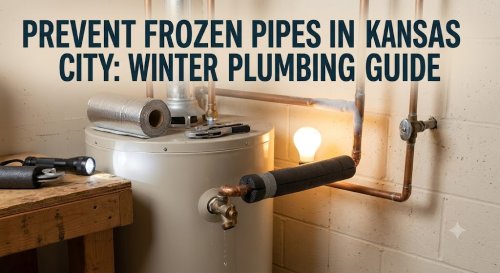
Insulate Exposed Plumbing: Protect pipes in unheated crawlspaces and basements ahead of winter freezes.
-
Check Toilet Tank Flappers: Replace worn flappers to stop continuous water leaks down drain lines.
-
Inspect Outdoor Cleanout Caps: Keep threaded cleanout plugs sealed tightly to prevent storm runoff debris from entering.
-
Treat Slow Drains Promptly: Address sluggish flow before it turns into a main line backup.
-
Invest in Professional Hydro Jetting: Keep older main sewer lines free of scale and grease with professional jetting every 2 to 3 years.
When Should You Call an Emergency Plumber?
Turn off your home's main water line and contact a professional immediately if you experience:
-
Raw Sewage Backups: Waste coming up through basement floor drains, showers, or tubs.
-
Multiple Blocked Fixtures: Running one water fixture causes sewage or dirty water to rise in others.
-
Uncontrolled Water Overflow: Sinks or toilets overflowing rapidly onto subfloors.
-
Pungent Gas Odors: Strong sewer gas smells indicating cracked main stack vents or severed underground pipes.
-
Complete Loss of Drainage: Inability to run water anywhere in the home without triggering immediate backups.
Frequently Asked Questions
Why is my water pressure suddenly low?
A sudden drop across your home usually indicates a failing Pressure-Reducing Valve (PRV), a partially closed main shut-off valve, or a serious main line leak.
How much does leak detection cost?
Diagnostic costs vary depending on pipe depth and property layout. High-tech equipment pinpoints hidden leaks non-invasively.
Can a clogged drain damage pipes?
Yes. Severe blockages trap standing wastewater under pressure, weakening joint seals and accelerating pipe corrosion.
Is hydro jetting safe for old pipes?
Hydro jetting is safe when preceded by a camera inspection. Technicians adjust water pressure to clear old cast iron or clay safely without damaging pipe walls.
How do I know if my sewer line is broken?
Signs include recurring multi-fixture backups, sewer odors, lush green patches in your lawn, or ground sinkholes over the lateral path.
How long do water heaters last?
Traditional tank water heaters last 8 to 12 years, while tankless models can last 15 to 20 years with proper maintenance.
Why does my faucet keep dripping?
Faucets drip when internal rubber O-rings wear out, brass valve seats corrode, or ceramic cartridges collect mineral scale.
What causes pipes to burst in winter?
Water inside uninsulated lines freezes, expands, and exerts extreme hydrostatic pressure that tears metal or PEX pipe walls open.
Can plumbing leaks increase my water bill?
Yes. Even a small hidden leak or running toilet can waste hundreds of gallons of water daily, drastically increasing utility charges.
When should I replace plumbing lines instead of repairing them?
Replace lines when pipes show severe structural degradation, suffer repeated leaks on the same branch, or consist of obsolete materials like lead or galvanized steel.
Why Choose Plumber in Kansas City?
When dealing with frustrating, recurring drain blockages, you need fast response times, accurate diagnosis, and durable repairs. Plumber in Kansas City is dedicated to restoring your peace of mind:
-
Experienced Licensed Plumbers: Highly qualified technicians skilled in advanced leak detection, hydro jetting, and sewer line restoration.
-
Upfront Written Estimates: Transparent pricing provided before work begins—no surprise fees.
-
Rapid Emergency Availability: Ready to respond quickly to severe sewage backups and plumbing emergencies.
-
Modern Diagnostic Tools: Equipped with fiber-optic cameras, digital line locators, and commercial-grade cleaning equipment.
-
Local Expertise: Trusted by residential and commercial property owners across Kansas City for exceptional workmanship and customer service.