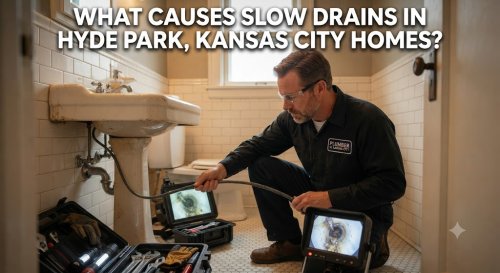
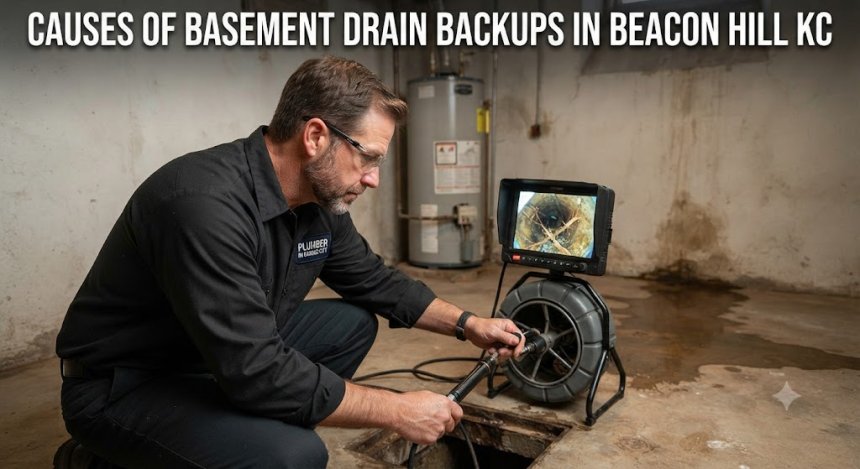
Causes of Basement Drain Backups in Beacon Hill KC
Dealing with basement drain backups in Beacon Hill, Kansas City? Learn the causes, warning signs, DIY limits, and when to call a plumber.

Need a Plumber in Kansas City, MO?
Plumbing Problem? Call for professional plumbing help.
Get help with emergency plumbing, clogged drains, leaking pipes, water heaters, burst pipes and other residential plumbing problems in Kansas City, Missouri.
Need a Plumber in Kansas City, MO?
Plumbing Problem? Call for professional plumbing help.
Get help with emergency plumbing, clogged drains, leaking pipes, water heaters, burst pipes and other residential plumbing problems in Kansas City, Missouri.
Introduction
Discovering water pooling around your basement floor drain is one of the most stressful experiences a property owner can face. For residents living in the historic Beacon Hill neighborhood of Kansas City, dealing with older neighborhood infrastructure is a unique challenge. Positioned within Jackson County near downtown, Midtown, and Crossroads, Beacon Hill features a blend of classic homes and newer developments. Unfortunately, aging clay sewer lines, heavy midwestern rainstorms, and mature neighborhood trees frequently combine to create severe drainage failures. Understanding why basement backups occur and knowing how to respond quickly protects your home from extensive property damage and expensive structural repairs.
What Is a Basement Drain Backup?
A basement drain backup happens when wastewater or stormwater is blocked from exiting through your main sewer line, forcing it to reverse flow and push up through the lowest drains in your home.
Common situations include noticing a foul odor rising from your laundry room floor drain after running the washing machine, or seeing sewage bubble up during a heavy downpour. Symptoms usually start as slow-draining utility sinks before escalating into standing water mixed with debris. In Kansas City properties, this issue is typically triggered by main lateral blockages, municipal sewer overloads, or collapsed underground lines.
Why Does This Plumbing Problem Happen?
Basement drains do not back up without a major obstruction or structural failure along your private sewer lateral or the city main.
-
Aging pipes: Historic Beacon Hill homes often rely on decades-old clay or cast-iron pipes that crack, sag, or disintegrate over time.
-
Corrosion: Interior pipe scaling and rust accumulation catch grease, hair, and solid waste, narrowing the inner diameter.
-
Tree roots: Aggressive roots from mature neighborhood trees infiltrate tiny pipe joints, expanding and crushing lines from the inside out.
-
Hard water: Mineral-heavy Kansas City water coats pipe interiors with scale buildup, trapping organic sludge.
-
High water pressure: While pressure affects supply lines, sudden municipal surges can exacerbate underlying drainage vulnerabilities.
-
Improper installation: Incorrect pipe sloping or unpermitted DIY alterations prevent wastewater from flowing smoothly outward.
-
Poor maintenance: Neglecting routine cleanings allows everyday grease and debris to harden into immovable blockages.
-
Seasonal weather: Heavy spring storms overwhelm combined city sewer systems, forcing water backward into residential basements.
-
Frozen pipes: Extreme winter freezes can compromise shallow outdoor sewer traps and exterior drainage lines.
-
Clogs: Accumulated flushable wipes, paper towels, and cooking grease form dense barriers in the main line.
-
Sewer backups: Municipal main blockages push city wastewater directly into connected residential lateral lines.
-
Worn plumbing fixtures: Damaged backwater valves fail to prevent reverse flow during high-capacity events.
Signs You Should Never Ignore
Recognizing early warning signs of a failing drainage system allows you to address blockages before raw sewage floods your basement.
-
Water stains: Ring marks or discoloration around basement floor drains indicate previous minor overflows.
-
Slow drains: When your shower, sink, and basement drain all empty sluggishly at the same time, a main line clog is forming.
-
Low water pressure: While distinct, widespread plumbing strain can occasionally accompany major utility issues.
-
High water bills: Running fixtures or hidden leaks can artificially inflate your municipal utility statements.
-
Damp walls: Moisture creeping up lower basement walls points to surrounding saturation and poor exterior drainage.
-
Mold growth: Musty, earthy odors and visible fungal patches near baseboards signal chronic subfloor dampness.
-
Strange noises: Gurgling sounds echoing from your toilet or floor drain when running the washing machine signal trapped air.
-
Bad smells: Persistent sewage odors lingering in utility rooms indicate dry traps or partial line blockages.
-
Standing water: Puddles gathering around floor drains after heavy household water use.
-
Discolored water: Murky or rust-tinted water backing up into laundry tubs or utility sinks.
Common Plumbing Problems Related to Isue
A basement drain backup frequently indicates or triggers secondary structural and mechanical failures throughout your home.
-
Pipe leaks: Extreme backup pressure stresses vulnerable pipe joints, causing hidden cracks in subfloor lines.
-
Drain clogs: Branch lines connected to the main stack quickly back up once the primary sewer lateral is blocked.
-
Sewer backups: Raw municipal waste entering living spaces creates severe biological contamination risks.
-
Water heater failures: Rising basement water can flood burner assemblies and electrical controls, ruining water heaters.
-
Burst pipes: Freezing or extreme pressure spikes can split water supply lines running through the basement.
-
Slab leaks: Shifting ground and compromised sewer lines beneath concrete slabs cause major structural settling.
-
Fixture damage: Corrosive wastewater ruins basement flooring, drywall, and baseboard framing.
Step-by-Step Professional Repair Process
When you call a licensed Kansas City plumbing team to resolve a basement drain backup, they follow a systematic diagnostic and repair protocol.
-
Step 1 Inspection: Plumbers use high-resolution fiber-optic cameras to visually inspect the entire length of your underground sewer lateral.
-
Step 2 Diagnosis: Technicians pinpoint the exact location and nature of the blockage, whether it is roots, scale, or a structural break.
-
Step 3 Estimate: You receive a clear, upfront cost breakdown and repair proposal before any physical work begins.
-
Step 4 Repair: Professionals clear the obstruction using professional cabling or high-pressure hydro jetting, or perform targeted pipe replacement.
-
Step 5 Testing: The system is thoroughly tested with water flow checks and re-inspected with a camera to confirm complete clearance.
-
Step 6 Cleanup: The work area is sanitized, disinfected, and restored to a clean, safe condition.
-
Step 7 Maintenance Advice: Your plumber provides personalized recommendations to prevent future backup incidents.
Can You Fix It Yourself?
Property owners frequently wonder whether clearing a backed-up basement drain is a safe do-it-yourself project.
-
Safe DIY solutions: Pouring boiling water down minor surface grease clogs or plunging a simple localized sink backup.
-
Temporary fixes: Ceasing all indoor water usage (laundry, showers, flushing) immediately when a basement backup begins to limit flooding.
-
When DIY becomes dangerous: Renting heavy industrial snaking equipment without experience can punch holes in fragile historic pipes or cause physical injury.
-
When professional plumbing is necessary: Any main sewer line blockage, raw sewage backup, or recurring drainage failure requires certified professional intervention.
Tools Professionals Use
Professional plumbing contractors utilize advanced technological equipment to diagnose and resolve complex underground drainage problems with precision.
-
Drain cameras: Waterproof push-cameras allow plumbers to see inside dark sewer lines in real time.
-
Leak detection equipment: Acoustic sensors pinpoint hidden underground pipe fractures without exploratory digging.
-
Hydro jetting: High-pressure water streams scour pipe walls completely clean of roots, grease, and scale.
-
Pipe locators: Radio transmitters paired with surface detectors map the exact depth and path of buried sewer lines.
-
Pressure testing equipment: Gauges evaluate system integrity to ensure lines hold proper operating pressure.
-
Trenchless equipment: Advanced pipe bursting and relining tools repair damaged sewer lines with minimal property excavation.
How Long Does the Repair Usually Take?
The duration of a basement drain repair depends heavily on the severity and underlying cause of the obstruction.
-
Simple repairs: Clearing a standard main line clog with a motorized auger takes 1 to 2 hours.
-
Moderate repairs: Performing comprehensive hydro jetting and root removal takes 2 to 4 hours.
-
Major repairs: Excavating and replacing a collapsed section of sewer lateral takes 1 to 3 days.
-
Emergency repairs: Immediate response and temporary mitigation for active backups begin within an hour of your call.
Cost Factors
Plumbing repair investments fluctuate based on several distinct variables unique to your property and situation.
-
Diagnostic fees: Professional time and camera technology required to locate hidden line failures.
-
Parts and materials: Costs for replacement pipe sections, cleanout installations, or backwater valves.
-
Labor rates: Professional expertise and local market pricing structures across the Kansas City area.
-
Accessibility: Depth of the buried sewer line and obstructions like concrete patios or mature landscaping.
-
Emergency service charges: Fees associated with urgent, after-hours dispatching during nights, weekends, or severe storms.
Plumbing repair costs vary depending on the severity of the problem, accessibility, materials required, emergency service, property type, and local labor rates.
Hidden Truths Homeowners Should Know
Understanding the practical realities of residential sewer systems helps you protect your home investment in Jackson County.
-
Small, recurring slow drains nearly always indicate a developing main sewer line collapse or heavy root invasion.
-
Cheap chemical drain openers rarely clear main line backups and can severely corrode older metal plumbing.
-
Standard homeowner insurance policies generally exclude damage caused by neglected sewer line maintenance and backups.
-
Invasive tree roots will repeatedly re-enter damaged sewer lines until the compromised pipe joints are professionally repaired or relined.
-
Hard water deposits silently narrow pipe diameters year after year, drastically reducing drainage capacity.
-
Amateur DIY plumbing mistakes often worsen pipe damage, turning a simple blockage into an expensive excavation project.
-
Delaying sewer repairs allows wastewater to saturate soil foundations, risking major structural settling and foundation cracks.
-
Hidden drainage leaks attract pests and rot wooden floor joists beneath your living space.
-
Mold colonies can proliferate within 24 to 48 hours following a basement water backup event.
-
Annual preventative maintenance and camera inspections save thousands of dollars in emergency repair bills.
15 Common Mistakes Homeowners Make
-
Ignoring slow drains: Assuming sluggish basement floor drains will resolve themselves without professional inspection.
-
Using chemical drain cleaners: Pouring harsh acid cleaners into blocked lines that sit and corrode aging pipes.
-
Flushing non-flushable wipes: Dropping wet wipes, paper towels, and hygiene products down toilets.
-
Pouring grease into drains: Disposing of cooking oils and fats that solidify inside cold basement pipes.
-
Ignoring water pressure issues: Failing to check how municipal surges interact with home plumbing systems.
-
Hiring unlicensed handymen: Trusting complex underground sewer repairs to unqualified individuals without warranties.
-
Skipping maintenance: Never scheduling routine sewer line cleanings or preventative root treatments.
-
Waiting until emergencies: Delaying service calls until raw sewage floods living areas.
-
Using wrong pipe materials: Patching historic cast-iron lines with incompatible modern PVC fittings.
-
Over-tightening fittings: Cracking fragile pipe connections by applying excessive wrench pressure.
-
Forgetting backwater valves: Failing to install check valves that block municipal backflows.
-
Planting trees near lines: Placing large shade trees directly over underground sewer lateral paths.
-
Ignoring gurgling sounds: Disregarding auditory warnings of trapped air in the drainage stack.
-
Skipping insurance riders: Not adding water backup coverage to your homeowner insurance policy.
-
Delaying professional help: Putting off expert intervention while minor seepage worsens into structural disaster.
Maintenance Tips
-
Schedule annual inspections: Have a licensed Kansas City plumber run a camera through your sewer line every year.
-
Watch what you flush: Keep wipes, grease, feminine products, and coffee grounds completely out of your plumbing.
-
Install a backwater valve: Protect your basement from municipal backups with a professional check valve installation.
-
Clear yard debris: Keep surface window wells and outdoor stairwell drains free of leaves and trash.
-
Manage nearby landscaping: Avoid planting large trees with aggressive root systems near your underground sewer lateral.
-
Test sump pumps: Check your basement sump pump before the spring rainy season begins.
-
Insulate basement pipes: Protect exposed utility lines from freezing temperatures during winter cold snaps.
-
Use mesh strainers: Catch hair and solid debris in all utility and laundry sinks.
When Should You Call an Emergency Plumber?
Certain plumbing crises demand immediate professional response to safeguard your property and family health.
-
Raw sewage backup: Wastewater continuously flooding up through basement floor drains and toilets.
-
Burst water pipes: Major supply line failures spraying water across utility areas.
-
Complete loss of drainage: All household fixtures backing up simultaneously with nowhere to go.
-
Severe flooding: Rapid accumulation of water threatening electrical panels or heating systems.
-
Gas line concerns: Smelling sulfur or rotten eggs near utility hookups (if licensed service is offered).
Frequently Asked Questions
Why is my water pressure suddenly low?
A sudden pressure drop typically points to a partially closed main water shutoff valve, a failing pressure regulator, or a hidden leak.
How much does leak detection cost?
Leak detection costs vary based on home size and complexity, but professional electronic location saves money by preventing random excavation.
Can a clogged drain damage pipes?
Yes, severe blockages exert intense hydraulic pressure on pipe walls, leading to joint separation, cracks, and structural leaks.
Is hydro jetting safe for old pipes?
An experienced technician must inspect older lines first, as excessive pressure can damage fragile, heavily deteriorated historic piping.
How do I know if my sewer line is broken?
Warning signs include multiple slow drains, gurgling plumbing fixtures, foul sewage odors, and soggy depressions in your yard.
How long do water heaters last?
Standard tank water heaters generally last between 8 to 12 years depending on water quality and routine maintenance.
Why does my faucet drip?
Dripping faucets are usually caused by worn internal washers, corroded O-rings, or damaged ceramic valve cartridges.
What causes pipes to burst?
Freezing winter temperatures cause water inside pipes to expand, generating extreme pressure that splits metal or plastic lines.
Can plumbing leaks increase my water bill?
Yes, even a minor hidden leak can waste thousands of gallons monthly, driving up your municipal utility charges significantly.
When should I replace plumbing instead of repairing it?
If your home features aging, deteriorating pipes prone to frequent failures, a complete repiping project is more cost-effective than endless spot repairs.
Why Choose Our Plumbing Company
Partnering with a reliable, local plumbing team ensures your Beacon Hill property receives expert care backed by transparency and superior workmanship.
-
Experienced licensed plumbers: Our certified professionals understand the unique plumbing infrastructure of historic Kansas City neighborhoods.
-
Honest recommendations: We provide clear, straightforward advice without pushing unnecessary repairs or hidden fees.
-
Upfront estimates: You receive transparent pricing before any work begins so you stay in complete control of your budget.
-
Fast response: We respect your time and arrive promptly to resolve urgent drainage emergencies efficiently.
-
Quality workmanship: Every repair is executed to strict industry standards for long-lasting reliability and safety.
-
Modern equipment: We utilize state-of-the-art camera and hydro jetting tools to protect your property.
-
Customer satisfaction: Our local reputation across Jackson County is built on trust, integrity, and exceptional service.