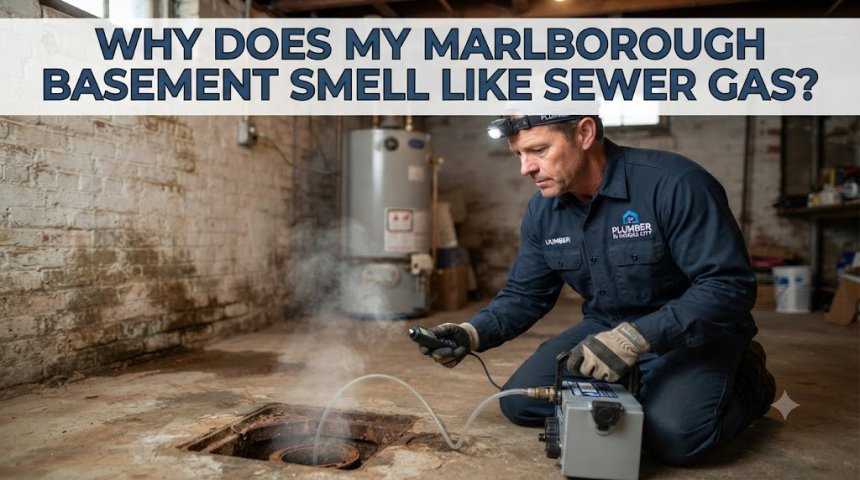
Why Does My Marlborough Basement Smell Like Sewer Gas?
Discover why your Marlborough basement smells like sewer gas. Learn causes, warning signs, professional repair steps, and expert prevention tips.

Need a Plumber in Kansas City, MO?
Plumbing Problem? Call for professional plumbing help.
Get help with emergency plumbing, clogged drains, leaking pipes, water heaters, burst pipes and other residential plumbing problems in Kansas City, Missouri.
Need a Plumber in Kansas City, MO?
Plumbing Problem? Call for professional plumbing help.
Get help with emergency plumbing, clogged drains, leaking pipes, water heaters, burst pipes and other residential plumbing problems in Kansas City, Missouri.
Why Does My Basement Smell Like Sewer Gas in Marlborough?
Walking down the basement stairs of your home and being greeted by an unmistakable, unpleasant sulfur or rotten-egg odor is an alarming experience that demands immediate attention. For homeowners living in the historic Marlborough neighborhood of Kansas City, discovering sewer gas odors in the lower level is a surprisingly frequent concern. Marlborough features a wonderful mix of established residential properties with rich character, mature trees, and classic architecture throughout Jackson County. However, many of these homes rely on older drainage systems, vintage floor drains, and clay sewer laterals that are susceptible to drying traps, minor cracks, or root intrusions. When sewer gas begins to permeate your basement living space, it is more than just an obnoxious nuisance—it is an indicator that your plumbing's protective gas barrier has been compromised. Plumber in Kansas City is here to help local homeowners identify why these odors occur, what warning signs to monitor, and when it is time to call a licensed professional.
What Is a Basement Sewer Gas Odor?
A basement sewer gas odor is a noxious mixture of toxic and non-toxic gases—including hydrogen sulfide, methane, and carbon dioxide—escaping from your home's waste drainage network into living spaces.
Common situations involve walking into the basement after a dry spell and noticing a faint sulfur stench lingering near floor drains or laundry utility sinks. Symptoms range from intermittent rotting smells when running upstairs fixtures to a persistent, heavy odor that fills the entire lower level. For example, if your basement floor drain has not been used or filled with water for several months, the internal P-trap evaporates, opening a direct highway for sewer gases to vent right into your home.
Why Does This Plumbing Problem Happen?
Persistent sewer gas smells in basement environments are driven by a combination of environmental conditions, material aging, and mechanical issues:
-
Aging pipes: Decades-old cast-iron or clay drainage lines developing hairline cracks or pinhole corrosion holes that leak gas.
-
Corrosion: Rusted out metal waste stack connections or deteriorating floor drain strainers allowing vapor escape.
-
Tree roots: Fine root fibers infiltrating underground outdoor sewer laterals, creating venting bottlenecks and pipe breaches.
-
Hard water: High mineral content scaling up internal pipes and restricting proper vent stack air balance.
-
High water pressure: While pressure affects supply lines, severe drainage surges can push air backward through dry traps.
-
Improper installation: Missing or improperly sized roof vent stacks that fail to equalize atmospheric pressure in the drainage system.
-
Poor maintenance: Failing to pour water down infrequently used basement floor drains to replenish evaporated P-traps.
-
Seasonal weather changes: Dry winter heating cycles or hot summer drafts causing rapid water evaporation in floor drain traps.
-
Frozen pipes: Uninsulated basement rim joist areas experiencing extreme cold that affects waste and vent pathways.
-
Clogs and debris: Lint, hair, and soap scum trapping air bubbles and decaying organic matter in waste lines.
-
Sewer backups: Main city sewer line obstructions forcing air and gas backward through home traps.
-
Worn plumbing fixtures: Damaged wax rings beneath basement toilets or dried-out rubber gaskets on laundry standpipes.
Signs You Should Never Ignore
Recognizing the early warning indicators of escaping sewer gas can protect your family's health and prevent major property contamination:
-
Water stains: Dark moisture rings on basement concrete slabs or walls near waste lines indicating hidden pipe weeping.
-
Slow drains: Basement laundry tubs or floor drains receding sluggishly during heavy household water use.
-
Low water pressure: While distinct from drainage, pressure anomalies often accompany older plumbing overhauls.
-
High water bills: Unexplained usage spikes if a sub-floor waste or supply line is continuously leaking.
-
Damp walls: Foundation walls feeling moist or showing efflorescence due to chronic moisture and poor ventilation.
-
Mold growth: Musty mildew proliferating around basement corners, floor drain rims, and baseboards.
-
Strange noises: Gurgling or burping sounds echoing from floor drains when washing machines discharge water.
-
Bad smells: Persistent rotten egg, sulfur, or damp earth odors concentrated in the lower level.
-
Standing water: Puddles lingering around basement floor drains or water heater platforms.
-
Discolored water: Murky backup water appearing in floor drains when multiple upper fixtures operate simultaneously.
Common Plumbing Problems Related to This Issue
Basement sewer gas odors are frequently linked to or accompanied by several other serious property plumbing challenges, including:
-
Pipe leaks: Compromised waste joints releasing both wastewater and toxic vapor into wall cavities.
-
Drain clogs: Blocked branch lines trapping decomposing material that generates intense local odors.
-
Sewer backups: Main sewer lateral failures forcing raw sewage and heavy gas pressures upward.
-
Water heater failures: Venting issues or tank leaks creating stagnant, humid conditions in the basement.
-
Burst pipes: Severe winter freezing cracking rigid basement drain or supply lines.
-
Slab leaks: Sub-foundation drainage fractures undermining concrete basement slabs and letting soil gases enter.
-
Fixture damage: Rusted floor drain strainers and cracked toilet flanges failing to seal gases out.
Step-by-Step Professional Repair Process
When you contact Plumber in Kansas City to resolve persistent basement sewer gas odors, our licensed team follows a thorough, structured resolution process designed to protect your home:
-
Step 1 Inspection: Technicians perform a comprehensive evaluation of all basement floor drains, cleanouts, vent stacks, and waste lines.
-
Step 2 Diagnosis: Using advanced smoke testing equipment or waterproof micro-cameras, professionals pinpoint the exact source of escaping sewer gas.
-
Step 3 Estimate: The plumber provides a clear, transparent cost breakdown detailing the recommended trap priming, pipe sealing, or line repair approach.
-
Step 4 Repair: Experts seal cracked joints, replace damaged wax rings, repair vent connections, or clear obstructed waste pipes safely.
-
Step 5 Testing: Smoke tests or water flow checks are performed to verify that the drainage system is airtight and properly trapped.
-
Step 6 Cleanup: Technicians sanitize the work area, clear away any debris, and leave your basement fresh and spotless.
-
Step 7 Maintenance Advice: Homeowners receive customized guidance on trap maintenance and floor drain priming schedules.
Can You Fix It Yourself?
Many homeowners attempt to eliminate basement sewer gas smells by burning scented candles, spraying heavy air fresheners, or pouring random chemicals down floor drains. Masking sewer gas with aerosols is dangerous because it ignores toxic hydrogen sulfide and methane buildup; pouring harsh chemical drain cleaners into dry traps can also corrode metal strainers and worsen the issue. While homeowners can easily fix a dry floor drain by pouring a bucket of water mixed with a tablespoon of vegetable oil down the drain to prevent evaporation, any structural pipe crack, broken vent stack, or main sewer line breach requires professional intervention. Attempting DIY repairs on main waste stacks risks major health hazards and property contamination.
Tools Professionals Use
Professional plumbers utilize advanced diagnostic and repair technology to locate and eliminate sewer gas leaks safely and efficiently:
-
Smoke testing machines: Specialized equipment that blows non-toxic, visible smoke through the plumbing system to reveal hidden cracks and unsealed vent leaks instantly.
-
Drain cameras: Waterproof fiber-optic borescopes that allow technicians to inspect the interior of underground waste lines for cracks and root damage.
-
Gas sniffers and detectors: Electronic sensors calibrated to detect combustible gases and hydrogen sulfide concentrations in tight spaces.
-
Hydro jetting: High-pressure water scrubbing equipment that completely scours built-up organic sludge and grease from smelly pipe walls.
-
Pipe locators: Electromagnetic transmitters that trace the exact underground path of buried sewer laterals.
-
Pressure testing gauges: Precision instruments used to test drainage system airtightness.
-
Trenchless equipment: Advanced repair tools designed to rehabilitate damaged sewer lines without tearing up basement concrete.
These professional instruments ensure safe, precise elimination of hazardous home odors.
How Long Does the Repair Usually Take?
Resolution timelines for basement sewer gas odors vary depending on the underlying cause:
-
Simple repairs: Priming a dry floor drain or replacing a loose toilet wax ring takes 30 to 45 minutes.
-
Moderate repairs: Sealing accessible waste pipe joints or clearing minor branch line blockages takes 1 to 2 hours.
-
Major repairs: Repairing broken vent stacks behind walls or replacing damaged underground cast-iron sections takes 3 to 6 hours.
-
Emergency repairs: Immediate after-hours dispatch for severe main sewer line gas leaks is handled promptly to restore safety.
Factors affecting this timeline include pipe accessibility, finished basement wall structures, and the complexity of smoke testing diagnostics.
Cost Factors
Reputable plumbing providers never quote blind fixed rates before inspecting the property because odor diagnostic and repair costs depend on several critical variables:
-
Diagnostic fees: Smoke testing, electronic gas detection, and camera inspections.
-
Parts and materials: Replacement floor drain strainers, P-trap assemblies, wax rings, or new vent pipe sections.
-
Labor: Crew hours required for careful diagnostic smoke testing and physical pipe repairs.
-
Emergency service charges: After-hours, weekend, or holiday dispatch premiums for urgent hazardous odor calls.
-
Equipment needed: Deployment of smoke generators, electronic sniffers, and camera gear.
-
Permit costs: Local Kansas City municipal permits where major waste or vent line replacement is required.
-
Replacement vs repair: Simple trap maintenance versus replacing cracked underground cast-iron waste stacks.
-
Accessibility of pipes: Obstructions like finished basement drop ceilings, drywall, or thick concrete slabs blocking access.
Plumbing repair costs vary depending on the severity of the problem, accessibility, materials required, emergency service, property type, and local labor rates.
Hidden Truths Homeowners Should Know
Operating a historic property in Marlborough comes with practical realities that every homeowner should understand:
-
Minor sewer gas odors in basements are never normal and usually signal a failing trap seal or hidden pipe crack that will worsen over time.
-
Cheap air fresheners and scented candles do nothing to stop toxic hydrogen sulfide or methane gas from entering your living space.
-
Standard homeowner insurance policies may deny claims if indoor air quality issues stem from long-neglected, broken plumbing vents.
-
Historic cast-iron basement waste stacks develop pinhole rust fractures that leak invisible, foul-smelling gases behind finished walls.
-
Dry floor drains are the single most common cause of basement sewer smells and require zero tools to fix temporarily.
-
DIY plumbing mistakes during amateur pipe patching nearly always fail to create an airtight gas seal.
-
Delaying professional odor investigations exposes your family to prolonged indoor air pollution and health discomforts.
-
Hidden pipe corrosion drives up structural decay and leaves behind unappealing dampness throughout your lower level.
-
Professional annual plumbing maintenance and drain checks save homeowners from unexpected hazardous air emergencies.
Taking a proactive approach preserves the safety, air quality, and value of your Marlborough home.
15 Common Mistakes Homeowners Make
Avoiding these common pitfalls protects your home's air quality and prevents unexpected property hazards:
-
Ignoring basement odors: Disregarding faint sulfur smells until they become overpowering throughout the entire house.
-
Using air fresheners instead of fixing leaks: Masking hazardous sewer gas with chemical sprays instead of finding the source.
-
Allowing floor drains to dry out: Failing to add water periodically to infrequently used basement floor drains.
-
Using chemical drain cleaners incorrectly: Pouring harsh acid liquids down smelly drains, which damages metal P-traps.
-
Neglecting roof vent stacks: Failing to clear leaves, animal nests, and ice from roof vents that equalize system pressure.
-
Hiring unlicensed handymen: Trusting complex gas-leak and vent diagnostics to unqualified contractors without proper licensing.
-
Skipping annual maintenance: Failing to have older home drainage networks inspected by a licensed professional.
-
Waiting until emergencies: Calling a plumber only after toxic odors overwhelm the home instead of acting on early warnings.
-
Using wrong pipe materials: Splicing incompatible plastics and metals that fail to maintain airtight seals.
-
Over-tightening fittings: Cracking brittle legacy plastic or cast-iron drain fittings by applying excessive manual torque.
-
Covering up cleanouts: Sealing over basement sewer cleanout plugs permanently with drywall or flooring.
-
Ignoring gurgling sounds: Disregarding bubbling noises in floor drains when laundry appliances run.
-
Overlooking toilet wax rings: Failing to replace deteriorated wax seals that leak gas around basement commodes.
-
Failing to check laundry standpipes: Leaving utility standpipe traps unprimed or improperly vented.
-
Delaying professional smoke tests: Putting off thorough diagnostic testing when sewer odors keep returning.
Maintenance Tips
Keeping your basement smelling fresh and preventing sewer gas leaks requires consistent, sensible care throughout the year:
-
Pour a gallon of water down every basement floor drain and utility sink trap once a month to prevent evaporation.
-
Add a tablespoon of vegetable oil on top of standing water in infrequently used floor drains to slow down evaporation.
-
Inspect roof vent stacks seasonally to ensure they remain free of leaves, twigs, and bird nests.
-
Check basement toilet wax rings and supply connections periodically for signs of moisture or odor.
-
Schedule a professional plumbing inspection and smoke test every few years in older historic homes.
-
Keep emergency plumber contact numbers readily accessible on your refrigerator.
-
Keep basement laundry standpipes properly secured and vented to avoid trap siphonage.
-
Address minor slow drains or gurgling sounds promptly before they compromise trap water seals.
-
Inspect basement waste pipe joints for rust flakes, moisture spots, or powdery white deposits.
-
Consider installing automated trap primers on commercial-grade or infrequently used basement drains.
-
Hire licensed professionals for any major plumbing modifications or vent stack alterations.
-
Stay informed about local Kansas City plumbing best practices for historic property preservation.
-
Avoid flushing harsh chemical solvents down basement drains that can degrade pipe seals.
-
Test basement sump pump and ejector pit covers to ensure they feature airtight gas gaskets.
-
Keep basement areas well-ventilated to monitor indoor air quality effectively.
When Should You Call an Emergency Plumber?
Certain plumbing scenarios involving severe gas leaks or drainage failures require immediate, professional emergency intervention:
-
Overpowering sewer gas odor: A heavy, suffocating sulfur or methane smell filling the home that causes nausea or headaches.
-
Sewage backup: Raw wastewater bubbling up through basement floor drains, showers, or utility sinks.
-
Total drainage failure: Complete absence of water flow from all home fixtures due to a main sewer line collapse.
-
Flooding: Water pooling rapidly across basement floors, threatening structural framing and electrical systems.
-
Uncontrollable leaks: Major pipe bursts or joint separations releasing wastewater and gas simultaneously.
Immediate action mitigates health hazards, protects your home's structural framing, and restores safe living conditions in your Marlborough property.
Frequently Asked Questions
-
Why is my water pressure suddenly low? Sudden low water pressure is typically caused by a failing pressure regulator, a partially closed main valve, or mineral scale accumulation inside aging pipes.
-
How much does leak detection cost? Leak detection costs vary based on property layout and accessibility, but professional acoustic and smoke tools pinpoint hidden problems accurately without destructive guesswork.
-
Can a clogged drain damage pipes? Yes, severe clogs and hydrostatic pressure can cause pipes to crack, separate at joints, or burst completely.
-
Is hydro jetting safe for old pipes? Professional plumbers inspect pipe condition first; while excellent for modern lines, highly deteriorated historic pipes require careful evaluation before jetting.
-
How do I know if my sewer line is broken? Warning signs include multiple slow drains, gurgling toilets, foul odors in the basement, and soggy lawn patches above the pipe run.
-
How long do water heaters last? Standard tank water heaters typically last between 8 to 12 years depending on maintenance, water quality, and anode rod replacement.
-
Why does my faucet drip? Faucets drip when internal rubber washers, O-rings, or ceramic cartridges wear out over time due to friction and mineral deposits.
-
What causes pipes to burst? Pipes burst due to freezing winter temperatures, severe root pressure, high water pressure, or advanced material corrosion.
-
Can plumbing leaks increase my water bill? Yes, even a minor running toilet or hidden pipe leak can waste thousands of gallons of water, driving up your utility bills significantly.
-
When should I replace plumbing instead of repairing it? If your plumbing system suffers from recurring failures, extensive corrosion, or outdated materials, full replacement is more cost-effective than continuous spot repairs.
Why Choose Our Plumbing Company
When you face challenging plumbing issues in Marlborough and surrounding Kansas City neighborhoods, partnering with a trusted local expert ensures peace of mind. Plumber in Kansas City is committed to delivering honest, high-quality service tailored to your property's needs.
-
Experienced licensed plumbers equipped with advanced technical training and local knowledge.
-
Honest recommendations focused on practical, long-term solutions rather than temporary band-aids.
-
Upfront estimates ensuring complete pricing transparency before any repair work begins.
-
Fast response times for urgent residential and commercial plumbing service calls.
-
Emergency availability when unexpected plumbing and odor crises strike your home.
-
Quality workmanship backed by industry best practices and respect for your property.
-
Modern equipment designed to diagnose and resolve issues with minimal disruption.
-
Customer satisfaction rooted in respectful, friendly, and reliable communication.
-
Deep local expertise serving historic Kansas City neighborhoods with pride.
Contact Plumber in Kansas City today for professional plumbing services you can trust.