When to Replace Old Galvanized Pipes in Valentine
Learn how to identify failing galvanized pipes in your Valentine home. Discover warning signs, professional replacement steps, and expert tips.

Need a Plumber in Kansas City, MO?
Plumbing Problem? Call for professional plumbing help.
Get help with emergency plumbing, clogged drains, leaking pipes, water heaters, burst pipes and other residential plumbing problems in Kansas City, Missouri.
Need a Plumber in Kansas City, MO?
Plumbing Problem? Call for professional plumbing help.
Get help with emergency plumbing, clogged drains, leaking pipes, water heaters, burst pipes and other residential plumbing problems in Kansas City, Missouri.
How to Tell If Old Galvanized Pipes Need Replacement in Valentine
Turning on the morning shower in a historic Valentine neighborhood home only to watch a sluggish, rusty stream trickle from the tap is a disheartening wake-up call. For property owners living in this charming, historic Kansas City enclave near Midtown, aging plumbing infrastructure is an ongoing concern. Valentine is celebrated for its wonderful early-to-mid 20th-century character, tree-lined streets, and timeless architectural appeal. However, many of these classic residential properties still conceal decades-old galvanized steel water supply lines inside their walls and ceilings. Over a span of forty to sixty years, zinc coatings wear away, leaving the underlying steel vulnerable to heavy internal mineral buildup and severe rust accumulation. When water pressure begins to plummet or tap water turns discolored, it usually indicates that your galvanized piping network has reached the end of its functional lifespan. Plumber in Kansas City helps local homeowners recognize when it is time to transition away from aging metal lines and upgrade to modern, reliable piping materials.
What Is Galvanized Pipe Degradation?
Galvanized pipe degradation is a progressive plumbing process where steel water supply lines corrode internally due to decades of exposure to minerals and oxygen, severely constricting water flow.
Common situations involve opening multiple faucets in the house and noticing an immediate drop in pressure accompanied by a reddish-brown tint in the water. Symptoms range from sputtering faucets as loose rust flakes block aerators to persistently discolored laundry. For example, if your Valentine home features original basement supply pipes that show lumpy, calcified exterior crusts and deliver lukewarm water with low velocity, internal rust scaling has choked your water delivery system.
Why Does This Plumbing Problem Happen?
Internal pipe corrosion and failure are driven by a combination of material aging, chemical reactions, and environmental factors:
-
Aging pipes: Steel pipes installed decades ago naturally exceed their expected 50-year structural service limits.
-
Corrosion: Water chemistry reacting with unprotected steel causes iron oxidation that eats away at pipe walls from the inside out.
-
Tree roots: While roots affect outdoor sewer and water service lines, ground pressure can stress rigid indoor metal entries.
-
Hard water: High mineral content in Kansas City municipal water accelerates mineral crystallization and scale accumulation inside narrow pipes.
-
High water pressure: Excessive municipal supply pressure can stress weakened, thinned-out galvanized pipe joints, triggering sudden leaks.
-
Improper installation: Mixing copper and galvanized steel without dielectric unions, which accelerates galvanic corrosion through metal incompatibility.
-
Poor maintenance: Failing to monitor water pressure regulators and pressure spikes over decades of homeownership.
-
Seasonal weather changes: Extreme freeze-thaw cycles in Jackson County can stress rigid, brittle supply lines running through exterior walls.
-
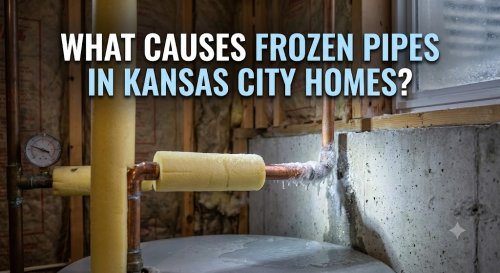
Frozen pipes: Uninsulated historic wall cavities experiencing sub-freezing temperatures that expand internal ice and crack rusted steel.
-
Clogs and debris: Loose rust tubercles breaking free and clogging fixture aerators and valve cartridges.
-
Sewer backups: Unrelated main line issues compounding overall plumbing stress in older basement environments.
-
Worn plumbing fixtures: Corroded shut-off valves and faucets struggling to operate under fluctuating pressure conditions.
Signs You Should Never Ignore
Recognizing the early warning indicators of failing galvanized plumbing can prevent catastrophic pipe bursts and costly structural water damage:
-
Water stains: Brown or yellow patches on ceilings and walls beneath second-story bathrooms signaling slow pinhole leaks.
-
Slow drains: While distinct from supply lines, drainage issues often accompany general remodeling of old homes.
-
Low water pressure: A steady reduction in flow velocity when running showers and kitchen sinks simultaneously.
-
High water bills: Unexplained usage spikes if a hidden pipe corrosion leak is steadily weeping inside a wall cavity.
-
Damp walls: Drywall or plaster feeling moist to the touch near vertical pipe runs.
-
Mold growth: Musty odors and mold proliferating behind bathroom vanities and kitchen sink cabinets.
-
Strange noises: Banging or whistling sounds (water hammer) echoing through pipes when valves close suddenly.
-
Bad smells: Metallic or sulfurous odors originating from degraded internal pipe linings.
-
Standing water: Puddles gathering around basement main water entry points or hot water storage tanks.
-
Discolored water: Red, brown, or yellow-tinted water emerging from taps after periods of non-use.
Common Plumbing Problems Related to This Issue
Failing galvanized water supply pipes are frequently linked to or accompanied by several other serious property plumbing challenges, including:
-
Pipe leaks: Pinholes forming where rust has completely thinned the steel wall.
-
Drain clogs: Unrelated secondary blockages in older waste stacks.
-
Sewer backups: Main sewer line obstructions coinciding with overall aging home systems.
-
Water heater failures: Rust flakes and sediment from galvanized lines settling at the bottom of water heater tanks.
-
Burst pipes: Severely corroded pipe sections snapping apart under sudden pressure surges.
-
Slab leaks: Sub-foundation water line fractures undermining concrete basement slabs.
-
Fixture damage: Rust particles clogging ceramic cartridges in high-end modern faucets and shower valves.
Step-by-Step Professional Repair Process
When you contact Plumber in Kansas City to evaluate or replace failing galvanized pipes, our licensed team follows a thorough, structured resolution process designed to protect your home:
-
Step 1 Inspection: Technicians perform a comprehensive evaluation of your home's water supply system, checking basement mains and fixture flow rates.
-
Step 2 Diagnosis: Using advanced diagnostic methods, professionals assess the extent of internal corrosion and pipe wall thinning.
-
Step 3 Estimate: The plumber provides a clear, transparent cost breakdown detailing partial repairs versus a complete whole-house repiping strategy.
-
Step 4 Repair: Experts carefully cut out corroded steel sections and install modern PEX or copper piping with proper dielectric connections.
-
Step 5 Testing: The new supply lines are pressurized and thoroughly tested to verify steady flow and zero leakage across all fixtures.
-
Step 6 Cleanup: Technicians sanitize the work areas, patch access holes cleanly, and leave your home spotless.
-
Step 7 Maintenance Advice: Homeowners receive guidance on pressure regulation and water filtration to protect new plumbing assets.
Can You Fix It Yourself?
Many homeowners attempt to remedy low pressure or discolored water from galvanized pipes by cleaning faucet aerators or applying temporary pipe wrap tape. Applying surface tape or tightening fittings on heavily corroded galvanized steel is dangerous and ineffective; the metal itself is compromised from the inside out, meaning external patches will quickly blow out under standard water pressure. While homeowners can safely clean mineral scale off removable aerators, any attempt to cut, thread, or replace galvanized supply lines requires specialized plumbing tools, pipe wrenches, and professional expertise. Attempting DIY repiping without proper training risks major indoor flooding and structural damage.
Tools Professionals Use
Professional plumbers utilize advanced diagnostic and replacement equipment to evaluate and upgrade aging water supply systems safely and efficiently:
-
Drain cameras: While primarily used for waste lines, specialized micro-cameras help inspect accessible pipe interiors where possible.
-
Leak detection equipment: Acoustic listening devices used to locate hidden pinhole leaks behind finished walls.
-
Hydro jetting: Used for clearing drain lines, while water supply health is evaluated via pressure testing and visual inspection.
-
Pipe locators: Electromagnetic transmitters that trace metal supply lines hidden behind plaster and drywall.
-
Pressure testing gauges: Precision instruments used to measure static and dynamic water pressure across home manifolds.
-
PEX expansion and crimping tools: Specialized professional equipment used to install modern flexible piping cleanly and securely.
-
Trenchless equipment: Advanced tools used where underground water service entries require replacement.
These professional instruments ensure safe, damage-free modernization of your home's water supply network.
How Long Does the Repair Usually Take?
Resolution timelines for galvanized pipe issues vary depending on the scope of the project:
-
Simple repairs: Replacing a short section of corroded supply pipe or shut-off valves takes 1 to 2 hours.
-
Moderate repairs: Upgrading branch lines feeding a single bathroom or kitchen takes 4 to 8 hours.
-
Major repairs: Performing a whole-house repiping project in a historic multi-level home takes 2 to 5 days.
-
Emergency repairs: Immediate after-hours dispatch for sudden pipe bursts is handled promptly to limit property damage.
Factors affecting this timeline include wall finish materials, home size, and ease of access to vertical pipe chases.
Cost Factors
Reputable plumbing providers never quote blind fixed rates before inspecting the property because repiping and repair costs depend on several critical variables:
-
Diagnostic fees: System pressure tests and comprehensive corrosion evaluations.
-
Parts and materials: Selection of modern PEX tubing, copper fittings, manifolds, and shut-off valves.
-
Labor: Crew hours required for careful wall access, old pipe extraction, and new line routing.
-
Emergency service charges: After-hours, weekend, or holiday dispatch premiums for urgent pipe failure calls.
-
Equipment needed: Deployment of professional crimping tools and leak detection gear.
-
Permit costs: Local Kansas City municipal permits required for major plumbing renovations.
-
Replacement vs repair: Patching isolated corroded spots versus executing a comprehensive whole-house repiping.
-
Accessibility of pipes: Obstructions like lath-and-plaster walls, finished basements, or tight crawlspaces.
Plumbing repair costs vary depending on the severity of the problem, accessibility, materials required, emergency service, property type, and local labor rates.
Hidden Truths Homeowners Should Know
Operating a historic property in Valentine comes with practical realities that every homeowner should understand:
-
Small pinhole leaks in galvanized pipes are symptoms of systemic internal wall collapse rather than isolated flaws.
-
Cheap temporary pipe clamps and epoxy patches nearly always fail under sustained municipal water pressure.
-
Standard homeowner insurance policies may deny claims if water damage stems from long-neglected, severely corroded pipe networks.
-
Galvanized steel pipes narrow silently over decades, reducing water volume long before a total blockage occurs.
-
Hard water mineral deposits accelerate internal corrosion and shorten the functional lifespan of metal piping.
-
DIY plumbing mistakes during partial pipe modifications nearly always multiply ultimate professional repair costs.
-
Delaying full-house repiping invites sudden, catastrophic pipe ruptures that ruin historic hardwood floors and plaster.
-
Hidden pipe corrosion drives up utility strain and leaves behind discolored water that stains laundry and fixtures.
-
Professional whole-house repiping investment dramatically increases the resale value of historic neighborhood properties.
Taking a proactive approach preserves the safety, structural integrity, and value of your Valentine home.
15 Common Mistakes Homeowners Make
Avoiding these common pitfalls protects your water supply network and prevents unexpected property emergencies:
-
Ignoring discolored water: Disregarding red or brown tap water until pressure drops completely.
-
Using chemical drain cleaners: While meant for drains, pouring harsh chemicals near corroded metal joints accelerates degradation.
-
Relying on temporary tape: Attempting to stop high-pressure supply leaks with duct tape or rubber patches.
-
Skipping pressure regulator checks: Failing to monitor high municipal water pressure that stresses fragile old pipe walls.
-
Mixing metals improperly: Connecting copper directly to galvanized steel without dielectric unions, causing rapid galvanic corrosion.
-
Hiring unlicensed handymen: Trusting complex historic repiping projects to unqualified contractors without proper licensing.
-
Skipping annual maintenance: Failing to have older home supply systems inspected by a licensed professional.
-
Waiting until emergencies: Calling a plumber only after a major pipe bursts instead of acting on low pressure warnings.
-
Using wrong pipe materials: Splicing incompatible materials that fail under thermal expansion.
-
Over-tightening fittings: Cracking brittle legacy threaded joints by applying excessive manual torque.
-
Neglecting main shut-off valves: Not knowing how to locate or operate the primary water supply shut-off.
-
Ignoring banging noises: Disregarding water hammer sounds that shake weakened pipe connections.
-
Overlooking hidden wall dampness: Failing to investigate small moisture spots near vertical pipe chases.
-
Failing to flush water heaters: Neglecting sediment buildup caused by rust flakes entering the tank.
-
Delaying whole-house upgrades: Patching the same failing pipe line repeatedly instead of investing in full replacement.
Maintenance Tips
Keeping your water supply clean and preventing unexpected failures requires consistent, sensible care throughout the year:
-
Monitor your home water pressure regularly and install a pressure-reducing valve if pressure exceeds 80 PSI.
-
Check under all sinks and in the basement monthly for early signs of moisture, rust stains, or weeping joints.
-
Clean faucet aerators and showerheads quarterly to remove trapped rust flakes and mineral scale.
-
Know the exact location of your main water shut-off valve and ensure every household adult knows how to use it.
-
Schedule a professional plumbing inspection every few years for homes built before 1970.
-
Keep emergency plumber contact numbers readily accessible on your refrigerator.
-
Flush your water heater annually to clear out accumulated rust sediment from aging supply lines.
-
Insulate exposed basement water pipes to protect against winter freezing and temperature extremes.
-
Consider installing whole-house water filtration to reduce mineral accumulation on new fixtures.
-
Address minor pressure drops or discoloration promptly before they develop into major leaks.
-
Hire licensed professionals for any major plumbing modifications or repiping projects.
-
Stay informed about local Kansas City plumbing best practices for historic property preservation.
-
Avoid using harsh abrasive cleaners on corroded shut-off valves.
-
Test main water shut-off valves annually to ensure they operate smoothly in an emergency.
-
Plan ahead for budget-friendly whole-house repiping before galvanized lines fail entirely.
When Should You Call an Emergency Plumber?
Certain plumbing scenarios involving severe supply failures require immediate, professional emergency intervention:
-
Burst pipes: Major pipe ruptures spraying water uncontrollably inside walls, ceilings, or the basement.
-
Total water loss: Complete absence of water flow from all home fixtures due to a main supply line collapse.
-
Flooding: Water pooling rapidly across floors, threatening structural framing and electrical systems.
-
Uncontrollable leaks: Major joint separations or pinhole blowouts that cannot be stopped by closing local valves.
-
Severe pressure drops accompanied by flooding: Sudden structural pipe failure requiring immediate main shut-off.
Immediate action mitigates catastrophic water damage, protects your home's structural framing, and restores safe living conditions in your Valentine property.
Frequently Asked Questions
-
Why is my water pressure suddenly low? Sudden low water pressure is typically caused by a failing pressure regulator, a partially closed main valve, or heavy mineral scale accumulation inside aging galvanized pipes.
-
How much does leak detection cost? Leak detection costs vary based on property layout and accessibility, but professional acoustic tools pinpoint hidden problems accurately without destructive guesswork.
-
Can a clogged drain damage pipes? Yes, severe clogs and hydrostatic pressure can cause pipes to crack, separate at joints, or burst completely.
-
Is hydro jetting safe for old pipes? Professional plumbers inspect pipe condition first; while excellent for modern lines, highly deteriorated historic pipes require careful evaluation before jetting.
-
How do I know if my sewer line is broken? Warning signs include multiple slow drains, gurgling toilets, foul odors in the basement, and soggy lawn patches above the pipe run.
-
How long do water heaters last? Standard tank water heaters typically last between 8 to 12 years depending on maintenance, water quality, and anode rod replacement.
-
Why does my faucet drip? Faucets drip when internal rubber washers, O-rings, or ceramic cartridges wear out over time due to friction and mineral deposits.
-
What causes pipes to burst? Pipes burst due to freezing winter temperatures, severe root pressure, high water pressure, or advanced material corrosion.
-
Can plumbing leaks increase my water bill? Yes, even a minor running toilet or hidden pipe leak can waste thousands of gallons of water, driving up your utility bills significantly.
-
When should I replace plumbing instead of repairing it? If your plumbing system suffers from recurring failures, extensive corrosion, or outdated materials like galvanized steel, full replacement is more cost-effective than continuous spot repairs.
Why Choose Our Plumbing Company
When you face challenging plumbing issues in Valentine and surrounding Kansas City neighborhoods, partnering with a trusted local expert ensures peace of mind. Plumber in Kansas City is committed to delivering honest, high-quality service tailored to your property's needs.
-
Experienced licensed plumbers equipped with advanced technical training and local knowledge.
-
Honest recommendations focused on practical, long-term solutions rather than temporary band-aids.
-
Upfront estimates ensuring complete pricing transparency before any repair work begins.
-
Fast response times for urgent residential and commercial plumbing service calls.
-
Emergency availability when unexpected plumbing and supply crises strike your home.
-
Quality workmanship backed by industry best practices and respect for your property.
-
Modern equipment designed to diagnose and resolve issues with minimal disruption.
-
Customer satisfaction rooted in respectful, friendly, and reliable communication.
-
Deep local expertise serving historic Kansas City neighborhoods with pride.
Contact Plumber in Kansas City today for professional plumbing services you can trust.