Common Causes of Low Water Pressure in Kansas City Homes
Discover why your Kansas City home is experiencing low water pressure. Learn common causes, from mineral buildup to hidden leaks, and how to troubleshoot them.

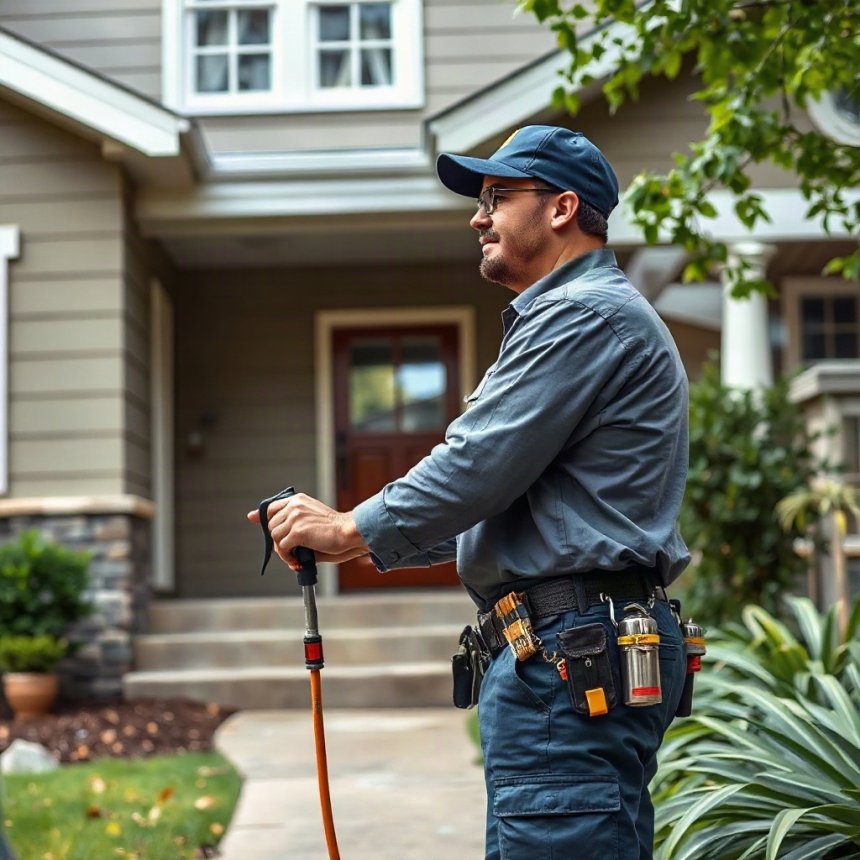
Need a Plumber in Kansas City, MO?
Plumbing Problem? Call for professional plumbing help.
Get help with emergency plumbing, clogged drains, leaking pipes, water heaters, burst pipes and other residential plumbing problems in Kansas City, Missouri.
Need a Plumber in Kansas City, MO?
Plumbing Problem? Call for professional plumbing help.
Get help with emergency plumbing, clogged drains, leaking pipes, water heaters, burst pipes and other residential plumbing problems in Kansas City, Missouri.
Dealing with a weak trickle from your shower or struggling to rinse dishes efficiently can turn daily routines into a frustrating chore. Low water pressure is a common headache for many property owners in the Kansas City metropolitan area, affecting both historic homes in older urban neighborhoods and newer constructions across the suburbs. Understanding what causes this drop in performance is the first step toward restoring a strong, steady flow throughout your household.
Understanding Water Pressure Issues
Water pressure refers to the force that pushes water through your plumbing system, measured in pounds per square inch (PSI). When that force drops significantly, it rarely happens without a reason. Sometimes the issue is isolated to a single fixture, while other times it points to a broader problem within your home's main water supply lines. Pinpointing whether the pressure loss affects hot water, cold water, a single room, or the entire house helps narrow down the potential culprits.
Frequent Culprits Behind Low Water Pressure
Plumbing systems are complex networks, and several distinct factors can restrict the movement of water:
- Mineral Buildup and Sediment: Water hardness varies across the region. Over time, calcium and mineral deposits can accumulate inside aerators, showerheads, and supply pipes, gradually choking off the water flow.
- Partially Closed Valves: The main water shutoff valve near your water meter or inside your basement may not be fully open, restricting the volume of water entering your home.
- Corroded or Aging Pipes: Older properties in Kansas City equipped with galvanized steel pipes often suffer from internal rust accumulation, which narrows the interior diameter of the piping and strangles water pressure.
- Pressure Regulator Malfunctions: A pressure reducing valve (PRV) controls the incoming municipal water pressure to protect your plumbing. When a PRV fails, it often defaults to a closed position, drastically dropping household pressure.
- Hidden Leaks: Undetected leaks in underground supply lines or behind finished basement walls divert water away from your fixtures, resulting in a noticeable drop in pressure.
Single Fixture vs. Whole-House Pressure Loss
A quick diagnostic step involves checking multiple taps. If only one kitchen sink or bathroom faucet has low pressure, the problem is usually localized. Unscrewing the faucet aerator often reveals trapped mineral flakes or debris that can be cleaned out easily. However, if every shower, toilet fill valve, and sink in the house suffers from weak pressure, the issue originates further upstream at the main supply, the PRV, or a concealed leak.
Seasonal Factors in Kansas City
The climate in Missouri and Kansas brings distinct seasonal shifts that can indirectly impact plumbing systems. Ground shifting caused by freeze-thaw cycles during winter months can stress underground service lines connecting your home to the municipal water main. Additionally, municipal supply demands fluctuate during peak summer heat, which can sometimes influence baseline neighborhood water pressure.
When to Consult a Professional Plumber
While clearing a clogged faucet aerator is a straightforward DIY task, diagnosing whole-house pressure drops requires specialized diagnostic tools, such as a pressure gauge attached to an outdoor hose bib. If adjusting the main valve or cleaning fixtures yields no improvement, or if you suspect a hidden leak or a failing pressure regulator, bringing in an experienced Kansas City plumber ensures the underlying issue is identified and resolved safely without risking damage to your home's infrastructure.
Frequently Asked Questions
How can I test my home's water pressure?
You can screw a water pressure gauge onto any threaded outdoor hose bib or a laundry sink connection. Turn the faucet completely on and read the dial. Normal residential pressure typically falls between 40 and 80 PSI.
Could my water heater cause low water pressure?
If low pressure affects only your hot water lines, sediment buildup inside the water heater tank or a partially clogged inlet valve on the heater may be restricting the flow of hot water.
What is a pressure reducing valve and where is it located?
A pressure reducing valve (PRV) is a bell-shaped device usually located on the main water supply pipe where it enters your basement or crawlspace. It regulates high municipal pressure down to a safe level for household pipes.
Are older homes in Kansas City more prone to low water pressure?
Yes. Properties built decades ago frequently feature aging galvanized pipes that narrow internally due to rust and corrosion, severely limiting water volume and pressure over time.