When Should You Call an Emergency Plumber in Kansas City?
Facing a plumbing crisis? Learn when to call an emergency plumber in Kansas City, how to spot warning signs, temporary fixes, costs, and prevention

Need a Plumber in Kansas City, MO?
Plumbing Problem? Call for professional plumbing help.
Get help with emergency plumbing, clogged drains, leaking pipes, water heaters, burst pipes and other residential plumbing problems in Kansas City, Missouri.
Need a Plumber in Kansas City, MO?
Plumbing Problem? Call for professional plumbing help.
Get help with emergency plumbing, clogged drains, leaking pipes, water heaters, burst pipes and other residential plumbing problems in Kansas City, Missouri.
When Should You Call an Emergency Plumber in Kansas City?
A plumbing emergency doesn't wait for a convenient time. It strikes on Christmas Eve, in the middle of the Super Bowl, or at 3 AM on a Tuesday. As homeowners or business owners in Kansas City, we are all too familiar with the panic that sets in when water starts rushing, sewage backs up, or the heat fails during an arctic blast.
When a crisis occurs, the most important question is: Is this truly an emergency? The distinction matters because calling out an emergency plumber usually involves premium costs for dispatch fee, labor, or parts. Many homeowners search for advice, hoping a problem can wait until standard business hours, but others underreact, leading to severe property damage and much higher costs. Immediate attention is crucial because plumbing disasters—whether they are frozen pipes or overflowing sewage—cause damage that increases exponentially every minute they go unaddressed.
This guide is written by real, experienced plumbing experts to help you cut through the confusion. We won't give you generic fluff. You will finish reading this understanding exactly which situations require an immediate, 24/7 response, how to implement temporary fixes to buy time, and what factors determine the true cost of emergency plumbing in Kansas City.
What Is an Emergency Plumbing Issue?
An emergency plumbing issue is any situation that poses an immediate risk to property, safety, or health, or prevents the essential use of the building. The line between a major inconvenience and a genuine emergency is often defined by two things: control and sanitation.
Definition of a Plumbing Emergency
A plumbing problem becomes an emergency when:
-
Water is Uncontrollable: It is flowing rapidly and cannot be isolated (shut off) by the homeowner or business owner.
-
Health is at Risk: The issue involves sewage contamination, mold growth due to constant moisture, or a potential gas leak.
-
Property Damage is Active: The water is structurally damaging floors, ceilings, walls, or electrical systems.
-
Essential Systems are Offline: You have no usable toilet, no hot water during freezing weather, or no water service at all.
Common Emergency Situations
We regularly see calls from frustrated and panicked clients who need immediate help with:
-
A pipe that has completely burst due to Kansas City's extreme freeze-thaw cycles.
-
A sewer line backup that is sending raw wastewater into a basement floor drain or a shower.
-
A water heater failure that has flooded a utility closet.
-
A toilet that is overflowing or completely clogged when it's the only one in the house.
Why Do Emergency Plumbing Problems Happen?
Plumbing systems are complex and durable, but they are not immortal. Emergencies rarely happen in a vacuum; they are often the sudden culmination of ignored issues, environmental factors, or severe accidents.
Common Causes of Sudden Failures
We've diagnosed countless emergencies, and the root cause often traces back to these common factors:
1. Seasonal Weather (Especially Kansas City Winters)
Frozen pipes are the single leading cause of emergency calls during a KC winter. When the temp drops below freezing, water trapped in uninsulated supply lines—often in crawlspaces, outer walls, or attached garages—freezes and expands. That internal hydraulic pressure is immensely strong; it doesn't just split the pipe at the freeze point, it causes it to fail somewhere else. The disaster occurs when the pipe thaws, and unmanaged water rushes out.
2. Aging Infrastructure and Corrosion
Older homes in neighborhoods like Brookside or Historic Northeast often have galvanized steel or aging copper pipes. As they age, they rust or corrode from the inside. This structural weakness is a ticking time bomb, and it can suddenly blow under normal water pressure.
3. High Water Pressure
High water pressure might feel good in a shower, but it is destructive. If your home's water pressure is constantly above 80 PSI (pounds per square inch), it stresses every joint, fixture, and pipe. Think of it like constant hypertension; eventually, a weakness will give way catastrophically.
4. Hard Water
Kansas City water is relatively good, but many areas have mineral deposits (calcium and magnesium) that create "scale" buildup. Scale constricts water flow and hardens around the heating elements and valves of water heaters, leading to failure or severe leaks.
5. Poor Maintenance and Clogs
Many emergencies start as ignored slow drains. When you continue to use a clogged drain or toilet, the pressure and volume back up. Grease, hair, and non-flushable wipes (even the "flushable" ones) build up until the system cannot manage, leading to a major drain backup or overflow.
6. Root Infiltration
Mature trees—one of Kansas City’s defining features—have roots that seek moisture. If your sewer line is older (clay tile or old cast iron), tiny fractures are an invitation. Tree roots enter, grow, and completely block or collapse the sewer lateral, causing devastating backups.
Signs You Should Never Ignore
Plumbing systems almost always warn you before they fail. Ignoring these signals is the most common mistake that homeowners make, and it always turns a manageable repair into an emergency.
| Warning Sign | Why It Matters (The Real Risk) |
| Water Stains (Ceiling or Wall) | Water is actively leaking behind your walls. By the time you see a stain, structural damage or mold growth has already started. |
| A Sudden Drop in Water Pressure | This suggests a major leak or restriction in your main line. If a main service line is broken, you could be losing thousands of gallons of water underground. |
| A Gurgling Toilet or Drain | This noise happens when air is trapped, usually by a partial blockage in the main sewer line. It is the number one sign of an impending sewer backup. |
| Strange Bad Smells | Sulfur (rotten egg) or raw sewage smells should never be ignored. This indicates a dried-out trap (easy fix) or a major sewer line failure/gas leak (major emergency). |
| A High Water Bill (Unexplained) | Your bill increased dramatically but your habits haven't? You have a hidden leak, likely underground or in a slab, which is wasting money and damaging your foundation. |
| Water Marks Around the Water Heater Base | This indicates a failed seal, pressure relief valve, or an actively rusting tank. If the tank fails completely, it can dump 40-50 gallons of water in minutes. |
| A Toilet That Continues to Run | While it seems minor, a single running toilet can waste over 10,000 gallons of water a month, leading to a massive utility bill. |
Step-by-Step Professional Emergency Repair Process
If you have a plumbing crisis, you need to know how we will handle it. We operate with speed and transparency to minimize your stress and damage.
The Typical Emergency Call Timeline
Here is how a reputable emergency plumber in Kansas City should handle your crisis:
-
Step 1: Rapid Dispatch and Arrival Our top priority is to stabilize the situation. We aim to be on site as quickly as possible.
-
Step 2: Emergency Containment and Shut-off The first thing we do upon arrival is turn off the main water shut-off valve to contain the disaster. If the main valve is frozen or broken, we will shut it off at the water meter (which usually requires a specific wrench we carry). This stops the water flow and active damage immediately.
-
Step 3: Damage Inspection and Evaluation With the water contained, we inspect the failure. We look at the failed pipe, fixture, or appliance to diagnose the root cause. We also assess surrounding water damage to structural elements.
-
Step 4: Honest Upfront Estimate Before any definitive repair begins, we will give you a clear, written estimate that explains the recommended repair, required parts, and labor cost. We won't surprise you with hidden fees.
-
Step 5: Immediate Repair Our service trucks are fully stocked. We can perform almost any standard pipe repair, drain clearing, or emergency fixture swap on the spot.
-
Step 6: System Testing and Integrity Check After the repair, we slowly turn the water back on and pressure test the new installation. We also check other related components (like water pressure and valves) to ensure the system is stable.
-
Step 7: Clean-up and Long-term Prevention Advice We won't just "leave it to the dry-out team." We will help you with initial cleanup and give you practical, specific maintenance advice (e.g., about water pressure regulation or insulation) to prevent this from happening again.
Can You Fix It Yourself? (And When It’s Dangerous)
The key to DIY in an emergency is understanding the difference between a permanent repair and a temporary contain-and-buy-time solution.
| What Homeowners Can Safely Do (Temporary Holds) | What Homeowners Should NEVER Do (DIY Disasters) |
| Turn off the main water shut-off valve: Every person in your home should know where this is. | Never attempt a permanent pipe repair on a pressurized line: Epoxy putty, duct tape, or wire-on temporary patches will eventually fail, and often burst worse later. |
| Use a plunger correctly on a clogged toilet or sink: Master the correct plunging technique to clear local clogs. | Never use chemical drain cleaners on a complete blockage: They are ineffective on tough clogs and will create a highly corrosive "soup" that can burn skin, damage eyes, and melt pipes. |
| Contain water leaks with buckets or towels: Stabilize the damage to the structure until the plumber arrives. | Never leave an electric water heater energized with a major leak: It can create a lethal electrical shock hazard. |
| Apply a temporary rubber patch or a flexible water repair tape: Use specialized emergency repair products only to get through the night until professional help arrives. | Never attempt to fix a suspected gas leak yourself: This is an extreme fire/explosion risk and requires immediate evacuation and utility notification. |
How Long Does the Repair Usually Take?
Repair time varies, but we know your top concern is "When will the water be back on?"
-
Containment: The actual time to stop the active water flow should be minutes (5-15) after the plumber arrives on site.
-
Simple Repairs (1-3 Hours): Fixing a broken copper or PEX pipe joint, swapping a standard toilet valve, or clearing a standard drain clog.
-
Moderate Repairs (3-6 Hours): Replacing a water heater, rebuilding a complex fixture, or repairing multiple broken lines.
-
Complex or Emergency Dig-Up (6-12+ Hours): A collapsed main sewer line that requires emergency excavation or trenchless repair, or a main water service line break underneath a slab foundation.
Cost Factors for Emergency Plumbing in Kansas City
Let's address the elephant in the room: cost. An emergency call will be more expensive than a standard service call. Here is what determines the final number:
What Affects the Final Price
-
The Emergency Dispatch/Diagnostic Fee: This covers the cost of sending a fully stocked truck and a licensed plumber to your door on short notice.
-
Labor Rates (Premium/After-Hours): Emergency calls are usually charged at premium labor rates, which can be 1.5x to 2x the standard hourly fee. This premium compensates for nights, weekends, and holidays.
-
Severity of the Issue: A 1-hour PEX pipe repair costs significantly less than a 4-hour water heater swap or a main sewer dig-up.
-
Accessibility: Is the failed pipe inside a drywall ceiling? Under a concrete slab? Inside a tight crawlspace? Accessibility directly adds to labor time.
-
Materials Required: The cost difference between a specialized high-flow fixture, a copper replacement, and PEX tubing is substantial.
Crucial Reality: Plumbing repair costs vary depending on the severity of the problem, accessibility, materials required, emergency service surcharge, property type, and local labor rates. A reputable company will give you a detailed breakdown before starting the work.
Hidden Truths Homeowners Should Know
Plumbing doesn't always operate as intuitively as you might think. We believe in educating our clients about practical realities.
Small Leaks Become Expensive Crises
That tiny pinhole leak in your basement isn't harmless. It constant drips waste hundreds of gallons and often indicates widespread internal corrosion. Waiting for it to turn into a full blowout guarantees an emergency call (and premium rates).
Delaying Repairs Causes Major Structural Damage
Water doesn't just evaporate. It soaks into drywall, warps wood, and compromises structural framing. Within 24-48 hours of constant moisture, you will have mold. Fixing the pipe is only the first step of a major restoration project.
Cheap Temporary Fixes Often Fail (Catastrophically)
The "easy repair patch" from the big-box store or the quick fix from the handyman is almost never a permanent solution on a high-pressure line. These "fixes" degrade and eventually fail, usually by blowing out completely when no one is home.
Tree Roots Can Repeatedly Damage Sewer Lines
If you have persistent root problems, hydro jetting is only a maintenance fix. The roots will grow back until the entry point (the fracture in the old clay tile or cast iron) is permanently sealed via lining or section replacement.
DIY Mistakes Increase Repair Costs
We’ve been called out to countess jobs where a homeowner made things worse. Dropping an objects down a cleanout, overtightening a brass fitting, or pouring drain cleaner down a complete blockage always results in a significantly more complex and expensive professional repair.
Insurance May Not Cover Neglected Plumbing
If a pipe burst is caused by neglect—meaning you ignored a known slow drip for months or left a home unheated during winter—your homeowner’s insurance claim for the resulting water damage can be, and often is, denied.
Hard Water Shortens Fixture Lifespan
If your faucets, water heater, and dishwashers are failing years before they should, hard water scale is likely the cause. Installing a quality water softener is a high-yield investment.
15 Common Mistakes Homeowners Make
We help people with these exact errors daily. Learn from them:
-
Ignoring Leaks: Assuming a small drip or drop is harmless.
-
Skipping Annual Maintenance: Ignoring water heater flushes, water pressure checks, and drain inspections.
-
Using Chemical Drain Cleaners: They damage pipes and pose health risks.
-
Flushing "Flushable" Wipes: They do not break down and are the number one cause of local sewer clogs.
-
Pouring Grease into Drains: Grease solidifies like cement inside your sewer lines.
-
Ignoring Water Pressure Problems: Consistently high water pressure will destroy your fixtures.
-
Hiring Unlicensed Handymen: They lack proper licensing, liability insurance, and formal code training.
-
Waiting Until Emergencies to Call: Paying premium rates for issues that were manageable.
-
Using Wrong Pipe Materials: Mixing dissimilar metals (like copper and galvanized steel) creates rapid galvanic corrosion.
-
Overtightening Plumbing Fittings: This always crushes seals or cracks brass.
-
Dropping Heavy Objects on Drains: This fractures plastic or damages porcelain.
-
Using the Wrong Plunger: Use a bell plunger (flat bottom) for sinks, and a flange plunger (with the extended sleeve) for toilets.
-
Leaving a Home Unheated in Winter: A guaranteed recipe for frozen pipes.
-
Forgetting to Drain Irrigation Systems/Hose Bibbs: This causes main supply lines to freeze in wall cavities.
-
Not Knowing Where the Main Water Shut-Off Valve Is: Turning a 20-minute emergency containment into a 2-hour flood.
Pro Maintenance Tips to Avoid Emergency Calls
The best way to manage a plumbing emergency is to ensure it never happens. We want to work ourselves out of an emergency job.
15-20 Essential Maintenance Tips
-
Annual Water Heater Flush: Drain and flush your tank to remove corrosive sediment.
-
Pressure Valve Check: Check that your water heater's TPR (Temperature and Pressure Relief) valve is working.
-
Main Shut-Off Valve Exercise: Every six months, close and reopen your main water shut-off valve to ensure it doesn't freeze or lock up.
-
Regulator Check: Use a simple, cheap gauge on your hose bibb to ensure your household pressure is between 50-70 PSI.
-
Sink Trap Cleanout: Manually clean out P-traps under sinks where hair and soap scum accumulate.
-
Garbage Disposal Care: Never put rice, pasta, coffee grounds, eggshells, or high-fiber vegetables (like celery) down the disposal.
-
Lint Trap Check: Ensure your washing machine's lint trap is clean to prevent drain backups.
-
Root Maintenance: If you have mature trees, schedule annual root-killing foam treatments for your sewer lateral.
-
Hose Bibb Drain: Every autumn, disconnect all hoses from outdoor bibbs and ensure the indoor isolation valves (if present) are closed and the lines are drained.
-
Insulate Exposed Pipes: Wrap foam insulation sleeves around any exposed supply pipes in crawlspaces, basements, or unheated utility rooms.
-
Caulk Check: Inspect and re-caulk the seals around tubs, showers, and toilets where they meet the floor and walls.
-
Sump Pump Test: Manually test your sump pump by dumping a few gallons of water into the basin once a quarter.
-
Backflow Preventer Inspection: (Required annually for many Kansas City properties) Ensure your backflow system is tested by a certified professional.
-
Winter Temp Check: If you travel in winter, leave your heat set to at least 60°F ($15^\circ\text{C}$) and open cabinet doors under sinks.
-
Toilet Gasket Check: Inspect the wax ring seal at the base of your toilet for leaks.
-
Washing Machine Hose Check: Replace standard rubber washing machine hoses with durable, reinforced braided stainless steel lines every 5 years.
-
Faucet Aerator Clean: Remove and soak aerators in vinegar to clear mineral buildup and restore pressure.
-
Sewer Line Cam: If you buy a new property, always request a sewer camera inspection as part of your purchase.
-
Valve Identification Tagging: Use tags to clearly identify every main supply and isolation valve in your home.
-
Water Softener Maintenance: If you have a water softener, ensure you maintain the salt levels correctly.
When Should You Call an Emergency Plumber?
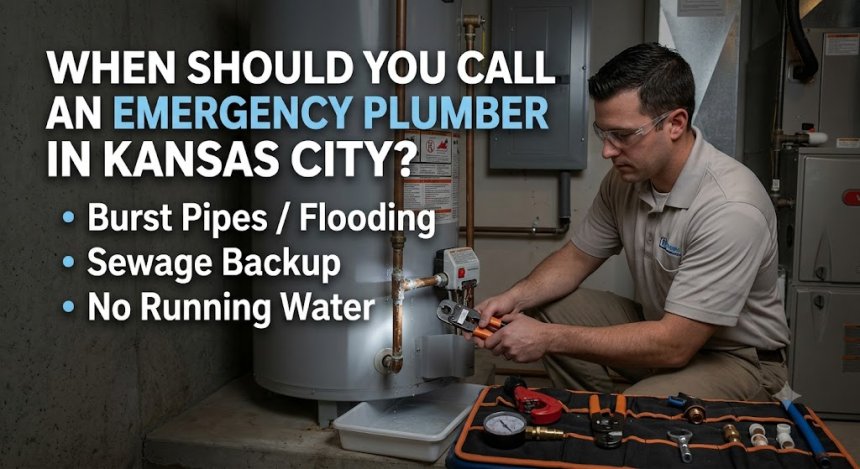
Let's summarize the crises that require immediate, 24/7 service. Call an emergency plumber now if you are facing:
-
Burst Pipes or Major Supply Leaks: Water is rapidly flooding your structure.
-
Sewage Backup: Raw sewage is actively entering your home or business through a drain or toilet.
-
Complete Loss of Water Service: You have no usable water in the entire house (after checking with neighbors to confirm it's not a municipal outage).
-
An Overflowing Toilet (the only toilet): Water is actively spilling onto the floor and cannot be isolated.
-
Water Heater Rupture: The tank itself has failed and is dumping water, requiring immediate containment and replacement.
-
A Flooded Basement: Active flooding due to a failed pipe or main drain backup.
Frequently Asked Questions
Why is my water pressure suddenly low?
This suggests a major leak or restriction in your main water service line. It requires leak detection to determine if you are losing thousands of gallons of water underground.
How much does leak detection cost?
Cost varies significantly by accessibility (e.g., slab vs crawlspace) and property type. A diagnostic/service fee usually covers simple checks, but major in-slab or subterranean leak location requires specialized, high-tech acoustic and thermal equipment, which can cost several hundred dollars. Reputable plumbers will always give you an upfront estimate.
Can a clogged drain damage pipes?
Yes. The constant pressure of water backup can cause joints to fail, weaken connections, and, if you use chemical drain cleaners, corrode the pipes structurally.
Is hydro jetting safe for old pipes?
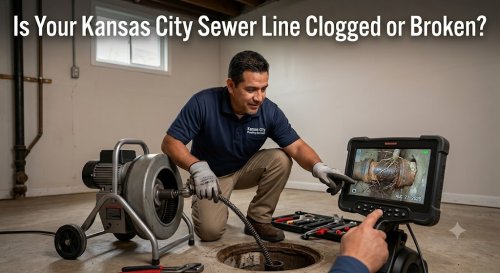
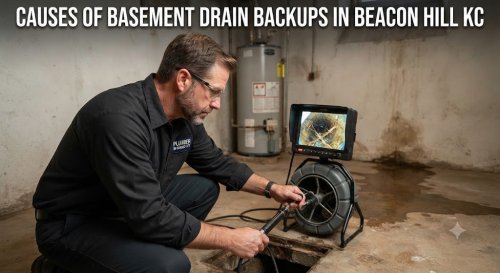
This is a nuanced question. Hydro jetting uses extremely high-pressure water to clear blockages and roots. In old, corroded, or fragile clay tile pipes, it can cause damage. A qualified technician will always perform a video camera inspection before jetting old pipes to ensure the line has the structural integrity to withstand the process.
How do I know if my sewer line is broken?
Persistent, frequent backups (multiple times a year), the smell of raw sewage in your yard or basement, sunken patches in your lawn, or a gurgling sound in multiple fixtures simultaneously are the key indicators of a broken or collapsed sewer lateral.
How long do water heaters last?
Tank-style water heaters generally last 8 to 12 years. Regular flushing and a functional anode rod (which attracts corrosive elements) can extend that life, while neglected maintenance or very hard water can shorten it significantly.
Why does my faucet drip?
A constant drip usually indicates a worn-out internal washer, O-ring, or ceramic cartridge. While it seems minor, a single slow drip can waste dozens of gallons of water a month.
What causes pipes to burst?
Frozen pipes are the primary cause of sudden, catastrophic bursts. Other causes include severe corrosion, extreme high water pressure, and accidental physical damage.
Can plumbing leaks increase my water bill?
Absolutely. A standard running toilet can increase a monthly water bill by hundreds of dollars. Even a minor hidden leak in a service line or slab can cost thousands of dollars a year in wasted water.
When should I replace plumbing instead of repairing it?
If you have persistent, repeating leaks in a specific section of pipe, visible widespread corrosion, or your home still uses dangerous materials like lead or old galvanized steel, repiping (full replacement) is the most cost-effective and reliable long-term solution.
Why Choose Our Plumbing Company in Kansas City?
When you are facing a plumbing crisis in Kansas City, you need more than just a repair—you need peace of mind. Here is why we are the right choice for your emergency:
Experienced Licensed Plumbers
We are not handymen; we are certified professionals. Every one of our technicians is highly trained, formally licensed, and fully insured for your protection.
Honest Recommendations
We will not sell you on parts or services you do not need. We build long-term relationships through honesty and integrity, giving you the same recommendation we would give our own family.
Upfront Estimates (With No Surprises)
We provide clear, detailed, itemized estimates before any major work begins. You will approve the price so there are no surprises on your final bill.
Quality Workmanship
We back our repairs with quality materials and workmanship. We are committed to doing the job right the first time, and we provide a standard warranty on our labor (specifics provided on the estimate).
24/7 Fast Emergency Response
A plumbing disaster won't wait, and neither will we. Our dispatch team is available 24 hours a day, 7 days a week, including nights, weekends, and holidays.
Service Area and Local Expertise
We are locally owned and operated. We serve the entire Greater Kansas City metropolitan area, including:
-
Kansas: Johnson County, Wyandotte County, Overland Park, Olathe, Shawnee, Lenexa, Leawood.
-
Missouri: Jackson County, Clay County, Platte County, Kansas City MO, Independence, Lee's Summit, Blue Springs.
An experienced plumbing emergency professional understands how to stabilize, contain, and repair disasters to protect your property and safety. Don't let a managed crisis turn into a permanent disaster.
Facing a plumbing emergency in Kansas City? Call our 24/7 dispatch team now or visit