Fix Low Water Pressure in Brookside Kansas City Home
Dealing with low water pressure in your Brookside, Kansas City home? Discover common causes, DIY checks, and when to call a professional plumber.

Need a Plumber in Kansas City, MO?
Plumbing Problem? Call for professional plumbing help.
Get help with emergency plumbing, clogged drains, leaking pipes, water heaters, burst pipes and other residential plumbing problems in Kansas City, Missouri.
Need a Plumber in Kansas City, MO?
Plumbing Problem? Call for professional plumbing help.
Get help with emergency plumbing, clogged drains, leaking pipes, water heaters, burst pipes and other residential plumbing problems in Kansas City, Missouri.
Introduction
Nothing is quite as frustrating as stepping into a shower in your historic Brookside, Kansas City home only to be greeted by a weak, dribbling stream of water. Low water pressure is a common headache for homeowners across Jackson County, especially in classic neighborhoods featuring older properties. Whether you live near the charming shops of the Brookside Business District or down the tree-lined avenues toward Waldo and Country Club Plaza, aging municipal infrastructure and vintage indoor plumbing often collide to restrict water flow. Understanding why this happens and knowing when to call a professional can save you time, money, and structural headaches.
What Is Low Water Pressure?
Low water pressure refers to a noticeable reduction in the force of water flowing from your faucets, showerheads, and household appliances.
Common situations include struggling washing machines that take twice as long to fill, kitchen faucets that barely clear the rim of the sink, or a shower that feels more like a gentle rain than a cleansing spray. Symptoms usually manifest gradually through mineral buildup or suddenly due to a partial main valve closure or a hidden pipe leak. In Kansas City’s historic homes, this issue often stems from a combination of outdated galvanized steel pipes and local water supply dynamics.
Why Does This Plumbing Problem Happen?
Low water pressure rarely occurs without a reason. Identifying the root cause requires looking at both your home's internal system and external municipal factors.
-
Aging pipes: Historic Brookside homes often still contain original galvanized iron pipes. Over decades, these pipes corrode internally, constricting the pathway for water.
-
Hard water: Kansas City water carries mineral content that deposits calcium and lime scale inside aerators, showerheads, and pipes, slowly choking off water flow.
-
Faulty pressure reducing valves (PRV): The PRV controls the water entering your home from the city main. When it fails, water pressure drops significantly throughout the entire house.
-
Partially closed valves: A main shut-off valve that isn't fully opened after maintenance or plumbing work will restrict household flow.
-
Hidden leaks: Undetected leaks behind walls, under concrete slabs, or in the main service line divert water before it ever reaches your fixtures.
-
Corrosion and sediment: Water heaters and supply lines accumulate sediment over time, blocking smooth water travel.
Signs You Should Never Ignore
Low water pressure is frequently a symptom of a larger, underlying plumbing failure that demands prompt attention.
-
Water stains: Discolored patches on ceilings or walls indicate hidden leaks starving your fixtures of pressure.
-
Slow drains: While distinct from pressure issues, sluggish drainage combined with low pressure can point to a compromised main sewer or vent line.
-
High water bills: A sudden spike in your Kansas City water bill alongside low pressure almost always signifies an active, hidden leak.
-
Damp walls or floors: Moisture pooling around baseboards or crawlspaces suggests a leaking supply pipe beneath or inside your home structure.
-
Discolored water: Brown or rust-tinted water signals internal pipe corrosion that is actively clogging your lines.
Common Plumbing Problems Related to This Issue
Low water pressure rarely travels alone. Left unaddressed, it often triggers or accompanies other stressful plumbing failures.
-
Pipe leaks: Pinholes and cracks frequently develop in pressurized systems struggling against internal blockages or failing pressure regulators.
-
Water heater failures: Sediment buildup that restricts pressure also damages water heater tanks and heating elements prematurely.
-
Fixture damage: Faucets and washing machine intake valves strain continuously to draw water, leading to premature mechanical burnouts.
-
Burst pipes: Severely corroded or high-pressure-stressed lines can rupture unpredictably during extreme Kansas City winter freezes.
Step-by-Step Professional Repair Process
When you partner with a licensed Kansas City plumbing team, they follow a systematic approach to diagnose and resolve your water pressure woes safely.
-
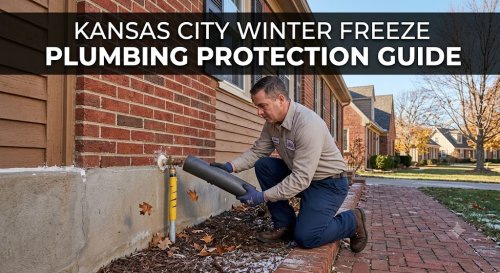
Step 1 Inspection: The plumber assesses water pressure at multiple indoor and outdoor spigots using a specialized pressure gauge.
-
Step 2 Diagnosis: Technicians isolate the issue to determine if the problem is localized to a single fixture, your entire home, or the municipal supply line.
-
Step 3 Estimate: You receive a clear, upfront breakdown of the required repairs, replacement parts, and associated costs before any work begins.
-
Step 4 Repair: The plumber performs the necessary fix, whether that means replacing a faulty PRV, clearing mineral scale, or repiping corroded sections.
-
Step 5 Testing: Water flow is thoroughly tested across all household fixtures to ensure consistent, optimal pressure has been restored.
-
Step 6 Cleanup: The workspace is meticulously cleaned, leaving your home just as tidy as it was before the service visit.
-
Step 7 Maintenance Advice: Your plumber provides customized tips to prevent future pressure drops and protect your plumbing infrastructure.
Can You Fix It Yourself?
Many homeowners want to know if they can tackle low water pressure independently. While some simple tasks are DIY-friendly, others require professional expertise.
-
Safe DIY solutions: You can easily unscrew sink aerators and showerheads, soak them in white vinegar to dissolve mineral scale, and scrub them clean with a soft brush.
-
Checking valves: You can visually inspect your main water meter valve and indoor shut-off valve to ensure they are twisted fully open.
-
When DIY becomes dangerous: Attempting to adjust your home’s pressure reducing valve without proper tools, or trying to cut into old galvanized supply lines, can result in flooded rooms or broken mains.
-
When professional plumbing is necessary: If cleaning aerators doesn't work, or if your pressure drop affects the entire house simultaneously, it is time to call a licensed local plumber.
Tools Professionals Use
Professional plumbers utilize advanced diagnostic and repair equipment to solve water pressure problems accurately without unnecessary guesswork.
-
Drain and pipe cameras: High-definition scopes allow plumbers to visually inspect the interior of supply and drain lines for corrosion and blockages.
-
Leak detection equipment: Acoustic listening devices and thermal imaging pinpoint hidden leaks behind walls or beneath concrete slabs.
-
Pressure testing gauges: Precision gauges measure exact pounds per square inch (PSI) to evaluate main line and fixture output.
-
Pipe locators: Electromagnetic locators map out underground water supply lines without tearing up your Brookside lawn.
How Long Does the Repair Usually Take?
Repair timelines vary widely depending on the complexity and location of the underlying restriction.
-
Simple repairs: Cleaning clogged aerators or replacing a showerhead takes under an hour.
-
Moderate repairs: Replacing a faulty pressure reducing valve (PRV) or a localized supply line typically takes 1 to 3 hours.
-
Major repairs: Repiping an older home with modern PEX or copper lines can take anywhere from 1 to 3 days depending on home size.
-
Emergency repairs: Fixing a ruptured main water supply line usually takes a few hours once excavation or access is achieved.
Cost Factors
Plumbing repair costs fluctuate based on several distinct variables unique to your specific situation.
-
Diagnostic fees: Time required by a licensed technician to accurately isolate the root cause of the pressure drop.
-
Parts and materials: The cost of upgrading old galvanized pipes, installing a new PRV, or replacing damaged valves.
-
Labor rates: Professional expertise and local labor market pricing in the Kansas City area.
-
Accessibility: Whether pipes are easily exposed in a basement or hidden behind finished drywall and concrete slabs.
-
Emergency service charges: Fees associated with urgent, after-hours dispatching during weekends or holidays.
Plumbing repair costs vary depending on the severity of the problem, accessibility, materials required, emergency service, property type, and local labor rates.
Hidden Truths Homeowners Should Know
Understanding the realities of residential plumbing helps you make informed decisions that protect your property value in Jackson County.
-
Small leaks left unaddressed quickly escalate into expensive structural repairs and mold remediation projects.
-
Cheap temporary fixes, such as wrapping leaking pipes in tape, almost always fail under constant water pressure.
-
Homeowners insurance policies frequently deny coverage for water damage resulting from neglected, long-term plumbing maintenance issues.
-
Tree roots in Kansas City can repeatedly infiltrate aging underground water and sewer lines, causing chronic pressure drops.
-
Hard water silently shortens the lifespan of water heaters, dishwashers, and washing machines.
-
Attempting complex DIY plumbing mistakes often doubles the final professional repair cost.
-
Delaying repairs allows minor drops in pressure to transform into catastrophic pipe bursts during winter freezes.
-
Hidden water leaks significantly inflate your monthly utility bills before you even notice visual signs of damage.
-
Annual plumbing maintenance saves money by catching minor scale buildup and failing valves early.
15 Common Mistakes Homeowners Make
-
Ignoring minor pressure drops: Assuming a weak shower is just "quirky" rather than a sign of failing infrastructure.
-
Using chemical drain cleaners: Pouring harsh liquids down drains to fix slow flow, which corrodes pipes and damages seals.
-
Flushing "flushable" wipes: Contributing to main line backups that restrict overall household water movement.
-
Pouring grease down kitchen sinks: Creating solid blockages that trap sediment and choke off water flow.
-
Ignoring rising water bills: Failing to connect a higher utility bill to an underground or behind-the-wall leak.
-
Hiring unlicensed handymen: Trusting complex plumbing repairs to unqualified individuals without proper insurance or warranties.
-
Skipping annual inspections: Waiting for an absolute emergency before having a professional evaluate the plumbing system.
-
Waiting until freezing weather strikes: Neglecting to insulate exposed pipes in crawlspaces or exterior walls.
-
Using incompatible pipe materials: Mixing copper and galvanized steel incorrectly, which accelerates galvanic corrosion.
-
Over-tightening fittings: Cracking PVC or metal threads by twisting plumbing connections with excessive force.
-
Forgetting to shut off the main valve: Attempting minor fixture repairs without cutting off the water supply first.
-
Ignoring water discoloration: Assuming rust-colored water is harmless aesthetic staining rather than pipe decay.
-
Overlooking outdoor spigots: Leaving garden hose lines connected during freezing weather, causing indoor pipe splits.
-
Neglecting water softener maintenance: Allowing mineral buildup to bypass filters and scale up interior pipes.
-
Delaying professional diagnosis: Letting small symptoms linger until they require major structural demolition to fix.
Maintenance Tips
-
Flush your water heater: Drain sediment annually to maintain smooth hot water pressure and extend tank life.
-
Clean aerators twice a year: Unscrew sink and shower screens and soak them in vinegar to remove mineral scale.
-
Monitor your water meter: Check your meter when all indoor taps are off to catch hidden leaks early.
-
Insulate exposed pipes: Wrap basement and crawlspace pipes before Kansas City winter temperatures plummet.
-
Test your PRV: Check your home's water pressure periodically using an inexpensive gauge attached to an outdoor hose bib.
-
Know your main shut-off: Ensure every adult in your household knows how and where to turn off the water in an emergency.
-
Avoid harsh chemicals: Use mechanical snakes or professional hydro jetting instead of corrosive chemical drain openers.
-
Schedule annual check-ups: Have a licensed Kansas City plumber perform a comprehensive annual system inspection.
When Should You Call an Emergency Plumber?
Certain situations require immediate professional intervention to prevent extensive property damage to your home.
-
Burst pipes: A sudden split in a supply line that floods floors or walls.
-
Severe sewage backups: Wastewater overflowing from toilets or floor drains into living areas.
-
Complete loss of water: Sudden, unexplained cessation of water flow throughout the entire house.
-
Major continuous leaks: Uncontrollable water gushing from broken fittings or failed supply lines.
-
Flooding: Standing water accumulating in basements due to plumbing failures.
Frequently Asked Questions
Why is my water pressure suddenly low?
A sudden drop usually indicates a partially closed main water valve, a failed pressure reducing valve, or a major new leak in your supply line.
How much does leak detection cost?
Leak detection costs vary based on the complexity and location of the leak, but professional electronic detection prevents destructive exploratory demolition.
Can a clogged drain damage pipes?
Severe clogs increase internal pressure and strain pipe joints, occasionally leading to cracks or leaks over time.
Is hydro jetting safe for old pipes?
An experienced plumber must inspect older historic pipes first, as high-pressure water can damage fragile or severely corroded lines.
How do I know if my sewer line is broken?
Signs include multiple slow drains, foul odors in the yard, gurgling toilets, and soggy patches of grass above the sewer line.
How long do water heaters last?
Standard tank water heaters typically last between 8 to 12 years, depending on water hardness and routine maintenance.
Why does my faucet drip?
Dripping faucets are usually caused by worn-out O-rings, washers, or internal cartridges that need replacement.
What causes pipes to burst?
Freezing temperatures cause water inside pipes to expand, exerting immense pressure that splits metal or plastic lines.
Can plumbing leaks increase my water bill?
Yes, even a small hidden leak can waste thousands of gallons of water monthly, resulting in unexpectedly high utility bills.
When should I replace plumbing instead of repairing it?
If your home has aging galvanized pipes prone to frequent leaks and low pressure, a full repiping project is usually more cost-effective than endless spot repairs.
Why Choose Our Plumbing Company
Navigating plumbing repairs in historic Kansas City neighborhoods requires specialized knowledge, local experience, and unwavering dedication to quality.
-
Experienced licensed plumbers: Our certified professionals understand the unique plumbing challenges found in vintage Brookside and Kansas City homes.
-
Honest recommendations: We provide transparent, straightforward advice without pushing unnecessary upsells or repairs.
-
Upfront estimates: You receive clear pricing before any work begins so there are never surprises on your bill.
-
Fast response: We respect your time and arrive promptly to resolve your plumbing emergencies efficiently.
-
Quality workmanship: Every repair is executed to the highest industry standards to ensure lasting reliability.
-
Modern equipment: We utilize state-of-the-art leak detection and diagnostic tools to protect your property.
-
Customer satisfaction: Our local reputation in Jackson County is built on trust, integrity, and exceptional service.