Frozen Pipe Repair in Kansas City: Emergency Thawing & Prevention
Discover expert frozen pipe repair and emergency thawing solutions in Kansas City. Learn how to prevent winter pipe bursts and protect your plumbing.

Need a Plumber in Kansas City, MO?
Plumbing Problem? Call for professional plumbing help.
Get help with emergency plumbing, clogged drains, leaking pipes, water heaters, burst pipes and other residential plumbing problems in Kansas City, Missouri.
Need a Plumber in Kansas City, MO?
Plumbing Problem? Call for professional plumbing help.
Get help with emergency plumbing, clogged drains, leaking pipes, water heaters, burst pipes and other residential plumbing problems in Kansas City, Missouri.
When winter temperatures plunge across the Kansas City metropolitan area, freezing weather poses an immediate and severe threat to residential and commercial plumbing systems. Sub-freezing polar plunges can rapidly turn vulnerable water supply lines into solid ice, causing immense internal pressure that leads to cracked joints or catastrophic pipe bursts. Dealing with frozen water lines requires prompt action, careful safety considerations, and an understanding of why specific pipes freeze during harsh Midwestern winters.
Recognizing the Signs of Frozen Plumbing in Kansas City Homes
Catching a frozen water supply line before it splits open can save a property from extensive water damage. Homeowners and property managers throughout Kansas City often notice several clear warning signs when winter weather affects their interior plumbing:
- Complete loss of water flow: Turning on a kitchen faucet or bathroom sink and getting only a slow trickle or no water at all is the most common indicator.
- Frost accumulation on exposed pipes: Metal supply lines running through unheated crawlspaces, exterior walls, or basements may show a visible layer of frost or condensation.
- Strange odors: Unpleasant smells drifting up from drains can happen if frozen sections restrict proper venting and wastewater movement.
- Bulging or warped pipe surfaces: Noticeable distortion on copper or PEX lines points to extreme internal ice expansion.
Why Kansas City Properties Are Vulnerable to Frozen Pipes
Older homes throughout historic Kansas City neighborhoods, as well as newer builds with poor insulation, face distinct architectural challenges when winter hits. Regional climate patterns feature sharp temperature drops, sustained freezing nights, and biting winds that chill exposed exterior walls.
Pipes most at risk typically include those located in uninsulated crawlspaces, exterior perimeter walls, unheated garages, and utility closets situated near drafty dryer vents or foundation cracks. When insulation is missing or compressed, cold outside air easily penetrates the building envelope, chilling water lines sitting directly behind drywall or beneath subfloors.
Safe Thawing and Emergency Pipe Repair Considerations
If you suspect a pipe is frozen, immediate caution is necessary. Rapid or uneven heating can cause pressurized ice to rupture the pipe instantly, spraying water as soon as the blockage melts.
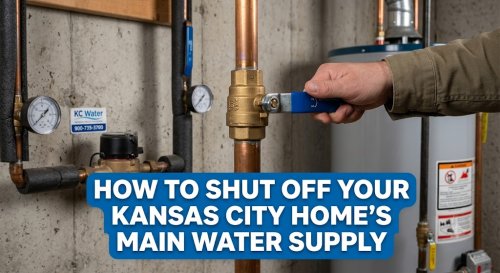
- Locate the main water shutoff: Ensure everyone in the household knows where the main water shutoff valve is located so water can be turned off instantly if a pipe cracks during thawing.
- Use safe warming methods: Gentle heat sources such as a standard household hair dryer, portable space heaters, or warm towels wrapped around the pipe can gradually thaw the ice. Never use open flames, propane torches, or high-heat industrial equipment.
- Open nearby faucets: Keep the affected faucet open while applying heat to allow melting ice and steam to escape safely.
When a pipe has already split or burst, emergency plumbing intervention is required. Professional plumbers utilize specialized electronic pipe-thawing equipment, pressure testing gear, and durable replacement materials to restore the plumbing system safely.
Proactive Winter Plumbing Prevention Strategies
Protecting your plumbing system before deep winter freezes arrive is the most effective way to avoid emergency repairs. Property owners can take several practical steps to safeguard their pipes:
- Insulate vulnerable lines: Wrap exposed pipes in unheated basements, crawlspaces, and attics with high-density foam pipe insulation sleeves.
- Seal exterior drafts: Caulk cracks, seal dryer vents, and close up foundation gaps where cold Kansas winter winds can blow directly onto water supply lines.
- Maintain steady indoor temperatures: Keep your thermostat set to a consistent temperature, even when traveling, and keep interior cabinet doors open during severe cold snaps to allow warm air to circulate around under-sink plumbing.
- Disconnect outdoor hoses: Shut off and drain outdoor hose bibs and spigots before the first hard freeze, and store garden hoses indoors.
Frequently Asked Questions About Frozen Pipes
How fast can pipes freeze in freezing weather?
Water supply lines can begin to freeze within a few hours when exposed to temperatures dropping below 20 degrees Fahrenheit, especially if wind chill factors increase heat loss through exterior walls or uninsulated crawlspaces.
Should I keep my faucets dripping during a freeze?
Allowing a small, continuous drip from vulnerable faucets can relieve internal pressure and prevent water from sitting stagnant, greatly reducing the likelihood of a complete freeze during extreme cold weather.
What should I do if a pipe bursts inside a wall?
Immediately shut off the main water supply to stop water from flooding the structure, turn off electricity to the affected area if water is near outlets or wiring, and contact a professional plumber for emergency repair.