What Causes Frozen Pipes in Kansas City Homes?
Learn what causes frozen pipes in Kansas City homes, how to spot warning signs, safe temporary fixes, and when to call a plumber before pipes burst.

Need a Plumber in Kansas City, MO?
Plumbing Problem? Call for professional plumbing help.
Get help with emergency plumbing, clogged drains, leaking pipes, water heaters, burst pipes and other residential plumbing problems in Kansas City, Missouri.
Need a Plumber in Kansas City, MO?
Plumbing Problem? Call for professional plumbing help.
Get help with emergency plumbing, clogged drains, leaking pipes, water heaters, burst pipes and other residential plumbing problems in Kansas City, Missouri.
What Causes Frozen Pipes in Kansas City Homes? (And How to Prevent a Burst)
Winter in the Heartland brings sharp temperature drops, sudden cold snaps, and persistent sub-zero wind chills. For local homeowners, these conditions bring a serious risk: frozen water lines.
When water inside a pipe freezes, it expands. That sudden buildup of hydraulic pressure can crack copper, PVC, PEX, or galvanized steel pipes in seconds. A single burst pipe can release hundreds of gallons of water an hour into your basement, crawlspace, or living areas, leading to thousands of dollars in structural damage and structural mold growth.
Homeowners and small business owners across the metropolitan area deal with winter pipe issues every year. Understanding why water lines freeze, how to spot early warning signs, and what steps to take during a deep freeze will protect your property and keep your water flowing all winter long.
What Are Frozen Pipes?
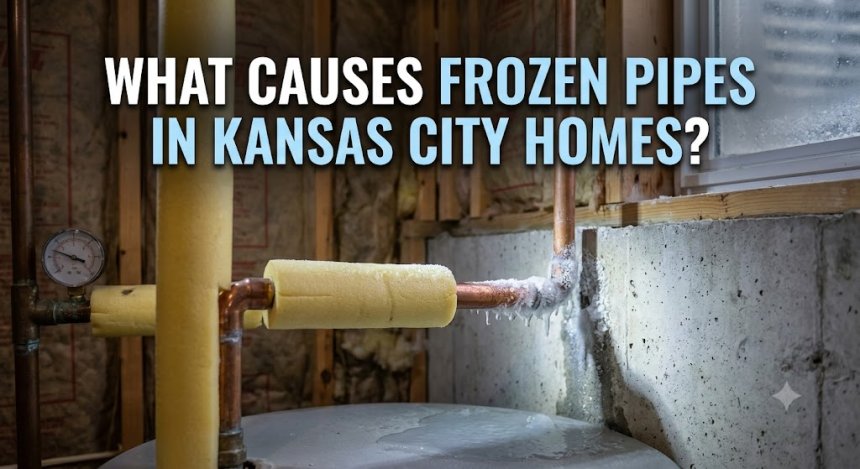
A frozen pipe occurs when standing water inside your plumbing system drops below 32°F ($0^\circ\text{C}$) and turns into ice. As water transitions from liquid to solid, it expands by approximately 9%. In a closed plumbing system, this expansion creates tremendous static pressure between the ice block and closed faucets.
Common Scenarios Where Freezing Occurs
-
Unheated Spaces: Water lines running through uninsulated basements, attics, crawlspaces, or attached garages.
-
Exterior Walls: Pipes routed inside outer walls with poor or missing thermal insulation.
-
Outdoor Plumbing: Unprotected hose bibbs, outdoor spigots, and shallow exterior lines.
-
Vacant Properties: Homes left unheated during winter vacations or real estate turnovers.
       [Ice Block Forms] ---- (Water Expands 9%) ----> [Hydraulic Pressure Builds]
                                                                  |
                                                                  v
[Burst Pipe Damage] <---- (Stress Exceeds Pipe Strength) <---- [Wall Strains]
Key Symptoms of a Freezing Line
-
Faucets produce only a trickle or no water at all.
-
Visible frost coats exposed pipe sections in your basement or garage.
-
Mysterious bulging or severe condensation along exposed lines.
-
Clunking or whistling noises when turning on a tap.
Why Does This Plumbing Problem Happen in Kansas City?
Plumbing systems freeze due to a combination of extreme localized weather, building design flaws, and unexpected equipment failures.
               +---------------------------------------+
               | Primary Causes of Frozen Pipes        |
               +---------------------------------------+
                                   |
    +------------------+-----------+-----------+------------------+
    |                  |                       |                  |
    v                  v                       v                  v
[Extreme Weather]  [Poor Insulation]      [Drafts & Air Leaks] [Heating Failure]
Sub-zero snaps     Unheated basements     Gaps near foundation Power outages
Wind chill factor  Exposed crawlspaces    Dryer vent openings  Thermostat issues
1. Extreme Seasonal Weather Snap
Midwestern winters feature sudden temperature drops. A sudden plunge from 40°F down to single digits overnight rapidly strips heat from exterior walls and exposed foundation walls, giving pipes little time to adapt.
2. Lack of Thermal Insulation
Many older residences built throughout Historic Northeast, Waldo, or Brookside feature uninsulated crawlspaces, fieldstone basements, or unheated attics where supply lines run entirely unprotected from ambient cold.
3. Drafts and Cold Air Leaks
Small cracks around foundation vents, dryer exhausts, rim joists, and outdoor sillcocks pull freezing air directly onto nearby water lines. A pipe exposed to a cold 5°F draft will freeze significantly faster than a pipe resting in still, ambient sub-freezing air.
4. Furnace Failures and Low Thermostats
Setting the thermostat too low to save on heating costs—or experiencing a furnace outage while away on business—allows ambient indoor temperatures to drop low enough for indoor supply lines to freeze inside cabinets and interior walls.
Signs You Should Never Ignore
Spotting early warning signs helps you take action before a frozen pipe splits open.
-
No Water or Weak Pressure: Turning on your tap only to get a few drips usually indicates a growing ice blockage upstream.
-
Visible Frost on Exposed Pipes: If exposed lines in your basement, utility room, or under sinks show thick frost, freeze damage is actively occurring.
-
Strange Odors from Drains: An ice block in a vent stack or main drain can trap sewer gases, pushing foul odors back into your kitchen or bathroom.
-
Unusual Pipe Noises: Popping, whistling, or groaning sounds as you run water point to restricted flow caused by ice buildup.
-
Damp Drywall or Ceiling Stains: Wet spots on interior walls near exterior plumbing runs suggest a pipe has already cracked and is leaking slowly as partial thawing occurs.
Common Plumbing Problems Related to Frozen Pipes
Frozen lines rarely occur in isolation. They often trigger cascade failures across your entire plumbing system:
[Frozen Supply Pipe] ──> [Pressure Buildup] ──> [Pipe Burst / Flooding]
                                                      │
                                                      ├──> [Slab & Foundation Leaks]
                                                      ├──> [Fixture & Cartridge Damage]
                                                      └──> [Sewer / Drain Freeze-Ups]
-
Burst Supply Pipes: Excessive hydraulic pressure ruptures copper solder joints, cracks PEX fittings, or splits PVC pipes down the seam.
-
Slab and Foundation Leaks: Freeze-thaw cycles shift shallow soil, placing stress on water lines running beneath concrete slabs.
-
Fixture and Valve Damage: Ice expansion ruins delicate inner cartridges inside kitchen faucets, pressure-balancing shower valves, and backflow preventers.
-
Sewer Vent Line Freeze-Ups: Frost build-up inside roof vent stacks blocks system ventilation, slowing drainage across all house fixtures.
Step-by-Step Professional Repair Process
When you call a licensed plumbing professional to address frozen or burst pipes, the response follows a strict, step-by-step safety and repair protocol:
+-------------------------------------------------------------------------+
| STEP 1: Main Water Shut-Off & Site Safety Inspection                    |
+-------------------------------------------------------------------------+
                                     │
                                     ▼
+-------------------------------------------------------------------------+
| STEP 2: Thermal Imaging & Leak Diagnostics                             |
+-------------------------------------------------------------------------+
                                     │
                                     ▼
+-------------------------------------------------------------------------+
| STEP 3: Upfront Repair Estimate & Options Breakdown                     |
+-------------------------------------------------------------------------+
                                     │
                                     ▼
+-------------------------------------------------------------------------+
| STEP 4: Controlled Safe Thawing & Pipe Section Replacement              |
+-------------------------------------------------------------------------+
                                     │
                                     ▼
+-------------------------------------------------------------------------+
| STEP 5: Pressure Testing, Sanitize & Cleanup Protocol                  |
+-------------------------------------------------------------------------+
                                     │
                                     ▼
+-------------------------------------------------------------------------+
| STEP 6: Long-Term Winterization & Insulation Advice                    |
+-------------------------------------------------------------------------+
Step 1: Emergency Shut-Off and Site Inspection
The technician isolates your water meter or main shutoff valve to prevent immediate flooding during the thawing phase.
Step 2: Diagnostic Assessment
Using specialized acoustic leak detectors and thermal cameras, the plumber locates the precise boundaries of the freeze point and checks for invisible hairline splits.
Step 3: Transparent Repair Plan
You receive a clear written explanation detailing necessary repairs, alternative options, and exact labor/material scope.
Step 4: Controlled Safe Thawing
Technicians use controlled electric pipe-thawing units or commercial heat blankets to safely warm the lines without open flames, avoiding fire risks or thermal shock to pipes.
Step 5: Damaged Section Replacement
Any split, weakened, or deformed sections are cut out and replaced using commercial-grade PEX or copper fittings matched to your system.
Step 6: System Pressure Testing
The system is repressurized slowly while monitoring water meters and pipe joins to verify complete structural integrity.
Step 7: Preventative Recommendations
The plumber assesses your home's thermal vulnerabilities, recommending permanent pipe sleeves, heat cable installation, or wall insulation improvements.
Can You Fix It Yourself?
Understanding what you can safely handle—and when to step back—prevents accidental property damage or personal injury.
| Safe DIY Steps | Dangerous DIY Actions (Avoid!) |
| Opening cabinet doors under sinks to let warm house air circulate. | Using blowtorches or open flames to thaw pipes inside walls. |
| Warming exposed indoor pipes with a standard hair dryer or space heater. | Leaving space heaters unattended in crawlspaces or basements. |
| Dripping cold and warm water from exterior-wall faucets. | Excessive force when cranking frozen main shutoff valves. |
| Wrapping exposed basement lines in standard foam pipe insulation sleeves. | Pouring boiling water directly over frozen PVC or cold cast iron. |
When Professional Plumbing Help is Mandatory
-
The frozen pipe is hidden behind drywall, plaster, or structural ceilings.
-
You notice visible cracks, bulging metal, or active water spraying from a pipe.
-
Safe heating methods produce no results after 30 to 45 minutes of application.
-
You cannot safely locate or operate your main water shutoff valve.
Tools Professionals Use for Freeze Emergencies
Licensed plumbers use specialized equipment to fix frozen lines without damaging your home's infrastructure:
                  +-----------------------------------+
                  |   Professional Plumbing Toolkit   |
                  +-----------------------------------+
                                    |
   +--------------------+-----------+-----------+--------------------+
   |                    |                       |                    |
   v                    v                       v                    v
[Thermal Cameras]   [Pipe Thaw Units]     [Camera Inspection]  [Press Tools]
Detect temperature  Send safe low-voltage   Locate internal ice  Make cold flame-less
drops in walls      current to warm line    blockages in main    crimp connections
-
Thermal Imaging Cameras: Identify cold spots and ice blockages hidden inside wall cavities without removing drywall unnecessarily.
-
Electrical Pipe-Thaw Units: Machines that send safe, low-voltage current directly through metallic piping to melt internal ice quickly.
-
High-Resolution Inspection Cameras: Flexible optic probes inserted into drain and vent lines to evaluate remote frost build-up.
-
ProPress Pipe Crimping Tools: Make flame-less, cold-weld copper and PEX connections safely in tight, combustible spaces.
How Long Does the Repair Usually Take?
Repair timelines depend on pipe accessibility, severity of structural damage, and weather conditions.
Simple Thaw (Exposed Line)       [==] 1 - 2 Hours
In-Wall Thaw & Section Repair    [====] 2 - 4 Hours
Major Burst & Multi-Line Replace [========] 4 - 8+ Hours
-
Exposed Pipe Thawing (1 to 2 Hours): Unfreezing an accessible basement or sink line using safe heating tools.
-
Single Pipe Repair & Replacement (2 to 4 Hours): Cutting out a damaged pipe section behind drywall, soldering/crimping new fittings, and testing pressure.
-
Major Multi-Line Restoration (4 to 8+ Hours): Replacing multiple split lines across crawlspaces or structural floors following severe winter storm damage.
Cost Factors for Frozen Pipe Repairs
Plumbing repair costs vary depending on the severity of the problem, accessibility, materials required, emergency service fees, property type, and local labor rates.
Key elements influencing final pricing include:
-
Accessibility: Lines hidden behind tiled walls, poured concrete, or low-clearance crawlspaces require additional labor to access.
-
Extent of Damage: A simple pipe thaw costs significantly less than replacing multiple feet of burst copper and repairing surrounding water damage.
-
Material Requirements: Replacing old galvanized lines with high-grade copper or flexible PEX piping affects material costs.
-
Emergency Scheduling: Sub-zero cold snaps often demand after-hours, holiday, or late-night rapid response services.
-
Permits and Code Compliance: Major repairs or structural rerouting may require city permits and municipal inspections.
Hidden Truths Homeowners Should Know
+---------------------------------------------------------------------+
| 1. Small leaks hide inside wall cavities long before thaws occur.   |
| 2. Standard home insurance may deny claims if heat was turned off.   |
| 3. Chemical drain cleaners generate heat that shatters frozen PVC.   |
| 4. Electric heat tape degrades over time and requires inspection.  |
| 5. Ice expands outward with up to 40,000 PSI of hydraulic pressure. |
+---------------------------------------------------------------------+
-
Small Leaks Create Massive Damage: A minor hairline crack created during a freeze can leak thousands of gallons once the line thaws, warping hardwood floors and ruining structural framing.
-
Insurance Policies Require Reasonable Care: Many insurance carriers deny freeze-damage claims if the home was left unheated or unmonitored during an extended winter trip.
-
Chemical Drain Cleaners Are Hazardous: Pouring harsh liquid drain openers into a frozen drain can generate exothermic chemical reactions that crack cold pipes, releasing corrosive chemicals into your home.
-
Heat Tape Degrades over Time: Electric heat cables installed on outdoor spigots or crawlspace pipes have a finite lifespan and should be tested every autumn.
-
Pressure Breaks Fittings, Not Just Ice Expansion: Most burst pipes don't split directly where the ice forms; they rupture downstream where trapped water pressure exceeds 40,000 PSI.
15 Common Mistakes Homeowners Make
-
Leaving Garden Hoses Connected: Traps water inside the wall hydrants, forcing cold air straight into indoor lines.
-
Setting the Thermostat Too Low: Setting temperatures below 55°F ($13^\circ\text{C}$) during cold snaps exposes interior wall plumbing to freezes.
-
Using Blowtorches to Thaw Lines: Creates severe home fire risks and can cause cold pipes to burst from sudden thermal shock.
-
Ignoring Drafts Around Foundation Vents: Leaving crawlspace vents open lets sub-zero wind blow across vulnerable main supply lines.
-
Forgetting to Drain Exterior Hose Bibbs: Failing to turn off internal shutoff valves leads to burst spigots come spring.
-
Closing Interior Room Doors: Restricts warm air circulation to chilly corner bedrooms, bathrooms, and utility closets.
-
Neglecting Cabinet Door Air Flow: Leaving under-sink kitchen cabinet doors closed cuts off furnace heat to exterior wall plumbing.
-
Using Cheap Foam Sleeve Insulation Alone: Foam sleeves slow down heat loss but won't keep unheated pipes warm without a heat source during prolonged freezes.
-
Turning Off the Heat During Winter Travel: Turning HVAC systems completely off while away invites widespread pipe freezes.
-
Delaying Main Water Shut-Off: Waiting to turn off main valves after a pipe freezes leads to interior flooding during thaws.
-
Over-tightening Plumbing Valves: Forcing frozen shut-off handles breaks internal stem seals and causes immediate leaks.
-
Pouring Boiling Water on Cold Metal: Causes abrupt thermal expansion, permanently warping or cracking cast iron and copper.
-
Placing Unattended Space Heaters Near Drywall: Creates severe fire risks when left running overnight in tight utility spaces.
-
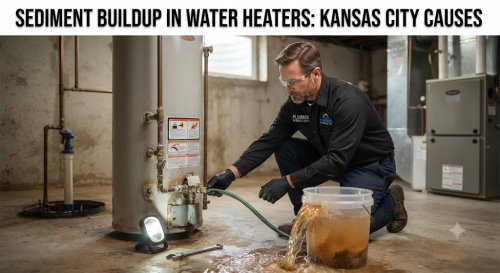
Skipping Annual Water Heater Inspections: Sediment buildup reduces heating efficiency, lowering water temperatures across your supply lines.
-
Hiring Unlicensed Handymen for Code Repairs: Improperly installed lines without proper thermal sleeve clearances are prone to repeat freezes every winter.
Maintenance Tips to Prevent Frozen Pipes
Preventative maintenance saves thousands of dollars in emergency plumbing and restoration bills. Use this simple checklist to prepare your home each season:
Fall Winterization Checklist
-
Disconnect, drain, and store all outdoor garden hoses before the first freeze.
-
Shut off interior isolation valves serving outdoor sillcocks and drain remaining water from exterior spigots.
-
Seal cracks, gaps, and cable pass-throughs near foundation walls using expanding foam or exterior caulk.
-
Install high-density foam insulation sleeves over exposed copper and PEX lines in unheated basements, attics, and garages.
-
Inspect electrical pipe heat tape to confirm built-in thermostats activate properly.
       [Fall Prep]                   [Deep Freeze Protocol]
  - Disconnect Hoses           - Dripping Faucets (Warm & Cold)
  - Shut Off Hose Bibbs  ===>  - Open Cabinet Doors
  - Seal Foundation Gaps       - Thermostat at 68°F (20°C)+
  - Insulate Exposed Lines     - Keep Interior Doors Open
Deep-Freeze Winterization Protocols
-
Allow faucets on exterior walls to trickle slowly during extreme cold spells to relieve internal line pressure.
-
Keep kitchen and bathroom vanity cabinet doors open so warm room air reaches sink plumbing.
-
Maintain indoor thermostats at a consistent temperature day and night—do not drop indoor settings overnight.
-
Keep garage doors closed tightly if supply lines run through exterior wall frames adjacent to the garage.
-
Open interior room doors to allow central heat to circulate evenly across all living areas.
When Should You Call an Emergency Plumber?
Some winter plumbing situations require immediate intervention to prevent structural damage. Contact an emergency plumber right away if you experience:
-
Active Pipe Ruptures: Water actively spraying or pooling anywhere inside your foundation, walls, or ceilings.
-
Total Loss of Household Water: Zero flow across all home taps suggests a main service line freeze near your water meter pit.
-
Signs of Sewer Line Freezing: Multi-fixture backups, gurgling toilets, or sewage smells coming from floor drains.
-
Unlocatable Water Shut-Off Valves: Inability to find or operate your main shutoff valve during an active pipe burst emergency.
-
Flooding Near Electrical Panels: Water from burst lines running near breaker boxes, light fixtures, or major household appliances.
Frequently Asked Questions
Why is my water pressure suddenly low during a cold spell?
A sudden drop in water pressure during sub-freezing weather usually means ice is forming inside your supply pipes. As the ice thickens, it restricts water flow, leading to a complete freeze if not addressed promptly.
How do I know if my pipes are frozen or just blocked?
If temperatures outside are below freezing and multiple taps on exterior walls drop to a trickle or stop working entirely, your pipes are likely frozen. Standard clogs usually affect only a single drain or fixture.
Can a frozen pipe thaw out on its own without bursting?
Yes, pipes can thaw naturally as ambient temperatures rise, but this carries significant risk. If ice expansion already cracked the pipe, water will leak rapidly as soon as the ice block melts.
Should I leave faucets dripping with cold or hot water?
Leave both hot and cold taps dripping slightly on exterior walls. Relief of internal hydraulic pressure matters far more than water temperature—keeping water moving prevents standing ice blocks from locking up lines.
What temperature causes pipes to freeze?
Unprotected water lines generally start freezing when ambient outdoor temperatures drop to 20°F ($-6^\circ\text{C}$) or lower for several consecutive hours, especially when combined with high wind chill factors.
Is PEX piping immune to freeze bursts?
While flexible PEX pipe expands more easily than rigid copper or PVC before splitting, it is not completely freeze-proof. Long exposure to sub-zero temperatures and high pressure can still rupture PEX fittings and line segments.
How do I find my home's main water shutoff valve?
Main shutoff valves are typically located in basements near the front foundation wall, inside utility closets near water heaters, or inside an outdoor meter box near your property line.
Can chemical drain openers thaw frozen sink pipes?
No. Chemical openers rely on standing water movement to reach clogs and generate heat through chemical reactions that can warp cold PVC or crack cast iron. Never use harsh chemical openers to clear frozen drains.
How much water can a burst pipe leak per hour?
A split supply line running at standard residential pressures ($40\text{--}80\text{ PSI}$) can release 400 to 800 gallons of water per hour, causing rapid residential flooding.
Will homeowners insurance cover burst pipe repairs?
Most standard homeowners insurance policies cover sudden water damage caused by burst pipes, provided you maintained adequate building heat and took reasonable steps to prevent freezing.
Why Choose Our Plumbing Team?
When frozen pipe emergencies hit, you need a responsive local team with proven experience. We bring deep expertise to every service call across the metropolitan area.
-
Licensed Master Plumbers: Fully certified professionals who follow up-to-date local plumbing codes and winterization standards.
-
Rapid Emergency Response: Outfitted service trucks ready to respond promptly to burst line emergencies day or night.
-
Upfront Diagnostics & Transparent Pricing: Clear written estimates before any work begins—no surprise fees or hidden emergency surcharges.
-
Advanced Freeze-Thaw Equipment: Using safe commercial pipe thaws, thermal camera imaging, and press-fitting tools to complete repairs safely without open flames.
-
Local Midwestern Expertise: Deep understanding of regional housing designs, aging infrastructure, and extreme winter weather conditions.
Need Emergency Pipe Repair or Winterization Advice?
Don't wait for a small line freeze to turn into a costly burst pipe flood. If your faucets are dripping, your pressure has dropped, or you suspect a frozen line behind your walls, our experienced plumbing professionals are ready to help.
Call our team today or visit