How Much Does Drain Cleaning Cost in Kansas City, MO?
Wondering how much drain cleaning costs in Kansas City, MO? Explore key cost factors, warning signs, professional equipment, and prevention tips.

Need a Plumber in Kansas City, MO?
Plumbing Problem? Call for professional plumbing help.
Get help with emergency plumbing, clogged drains, leaking pipes, water heaters, burst pipes and other residential plumbing problems in Kansas City, Missouri.
Need a Plumber in Kansas City, MO?
Plumbing Problem? Call for professional plumbing help.
Get help with emergency plumbing, clogged drains, leaking pipes, water heaters, burst pipes and other residential plumbing problems in Kansas City, Missouri.
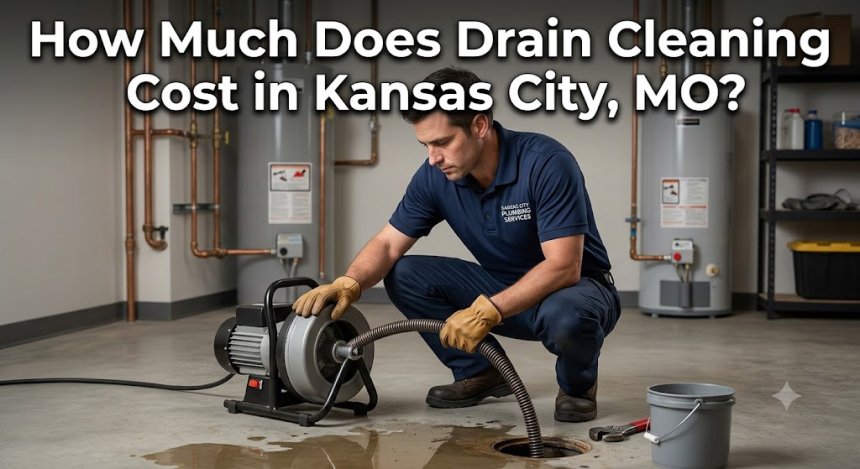
How Much Does Drain Cleaning Cost in Kansas City, MO?
Standing in an inch of murky water during your morning shower or watching your kitchen sink fill up with dirty grease-laden water is an immediate stressor. Clogged drains are among the most frequent plumbing issues faced by residential and commercial property owners across the Kansas City metropolitan area.
From historic homes in Midtown, Waldo, and Brookside with century-old cast iron lines to modern builds in Northland, Overland Park, or Olathe, drainage problems affect everyone. Homeowners often search for realistic pricing information online before scheduling service to ensure they make informed financial decisions. Understanding what goes into professional drain cleaning costs helps you avoid hidden surprises and ensures your home's drainage system is restored correctly the first time.
What Is Professional Drain Cleaning?
Professional drain cleaning is a specialized plumbing service designed to clear blockages, remove heavy buildup, and restore full wastewater flow through your property’s internal plumbing stack and underground main sewer lateral.
Common Drain Clearing Scenarios
-
Fixture-Specific Clogs: Soap scum, hair, and toothpaste buildup in bathroom sinks, tub drains, and shower traps.
-
Kitchen Line Blockages: Solidified cooking fats, grease, oils, and fibrous food scraps trapped in kitchen sink P-traps and disposal lines.
-
Main Sewer Lateral Obstructions: Deep underground blockages caused by tree root intrusion, bellied pipes, or accumulated non-flushable debris in the main line leading to the city sewer.
Why Does This Plumbing Problem Happen?
Drain blockages occur over time or suddenly due to daily household habits, pipe age, and environmental factors:
-
Accumulated Fats, Oils, and Grease (FOG): Warm grease poured down kitchen drains coats the interior of cold pipes, trapping organic food waste and restricting water flow.
-
Tree Root Infiltration: Clay and cast-iron sewer lines common in older Jackson and Clay county neighborhoods naturally attract tree roots seeking moisture. Roots enter microscopic pipe joints and expand inside the line.
-
Misplaced Household Items & Wipes: "Flushable" wipes, paper towels, heavy feminine products, and dental floss do not dissolve like toilet paper. They create dense blockages in internal piping.
-
Hard Water Scale Deposits: Kansas City’s water contains minerals that create tough scale buildup along internal pipe walls over years of continuous use, narrowing the pipe diameter.
-
Corrosion and Aging Materials: Galvanized steel and cast iron pipes rust internally, creating rough surfaces that snag paper, hair, and solid waste.
Signs You Should Never Ignore
Catching a developing obstruction early saves you from messy sewage backups and expensive structural repairs:
-
Slow Draining Fixtures: Water taking longer than usual to swirl down the basin signals a partial blockage downstream.
-
Gurgling & Strange Noises: Hearing glug-glug sounds from the toilet when your washing machine drains points to air trapped behind a line blockage.
-
Persistent Bad Odors: Foul, rotten-food, or sewage smells emanating from floor drains or sinks indicate decaying organic debris trapped in P-traps.
-
Standing Water in Tubs or Sinks: Water failing to drain completely indicates a full pipe obstruction requiring immediate mechanical clearing.
-
Water Backing Up into Other Fixtures: Running the bathroom sink faucet and seeing water rise in the nearby shower tub is a classic sign of a main line blockage.
Common Plumbing Issues Related to Drain Clogs
A ignored drain clog rarely stops at a single sink. It often triggers wider household plumbing problems:
-
Main Sewer Backups: Raw sewage returning through basement floor drains during heavy rain or household water use.
-
High Hydrostatic Line Pressure: Trapped water exerting pressure on old pipe joints, accelerating pinhole supply or drain leaks.
-
Structural Water Damage: Overflown sinks and tubs soaking subfloors, ceiling drywall, and floor joists.
-
Foundation & Slab Cracks: Unaddressed leaking underground drain lines eroding soil beneath basement concrete slabs.
Step-by-Step Professional Repair Process
When a licensed plumbing technician arrives to clear your drains, they follow a systematic process to ensure the underlying cause is resolved:
-
Step 1: Inspection & Assessment
The technician evaluates the affected fixtures, checks outdoor cleanouts, and asks questions about how long the issue has persisted.
-
Step 2: Video Camera Diagnosis
A high-definition fiber-optic sewer camera is inserted into the line to visually locate the exact depth, nature, and severity of the blockage.
-
Step 3: Transparent Upfront Estimate
The plumber presents repair options—such as mechanical snaking or high-pressure hydro jetting—along with clear upfront pricing.
-
Step 4: Mechanical Clearing or Jetting
Using heavy-duty equipment, the technician cuts through root masses, scours grease off pipe walls, or extracts stubborn foreign objects.
-
Step 5: System Testing & Flow Verification
Multiple fixtures are tested simultaneously to confirm that wastewater drains rapidly without back-pressure.
-
Step 6: Site Cleanup
The work area is sanitized, dropsheets are removed, and floor drains are wiped clean.
-
Step 7: Preventive Advice
The technician provides clear maintenance guidance to help prevent future blockages.
Can You Fix It Yourself?
Understanding what you can safely handle versus when to call a professional protects your plumbing system from accidental damage.
-
Safe DIY Solutions: Using a standard cup plunger on sinks or toilets, removing manual hair catchers in shower drains, or cleaning removable P-traps under bathroom vanities.
-
Temporary Fixes: Pouring boiling hot water down kitchen sinks to melt minor grease build-ups or using a basic hand auger on shallow vanity clogs.
-
When DIY Becomes Dangerous: Avoid chemical drain cleaners. Caustic chemical liquids generate intense heat that softens PVC pipes, corrodes old metal lines, and creates hazardous chemical pools if the clog fails to clear. Never force oversized rental snakes into pipes without proper training.
Tools Professionals Use for Accurate Drain Cleaning
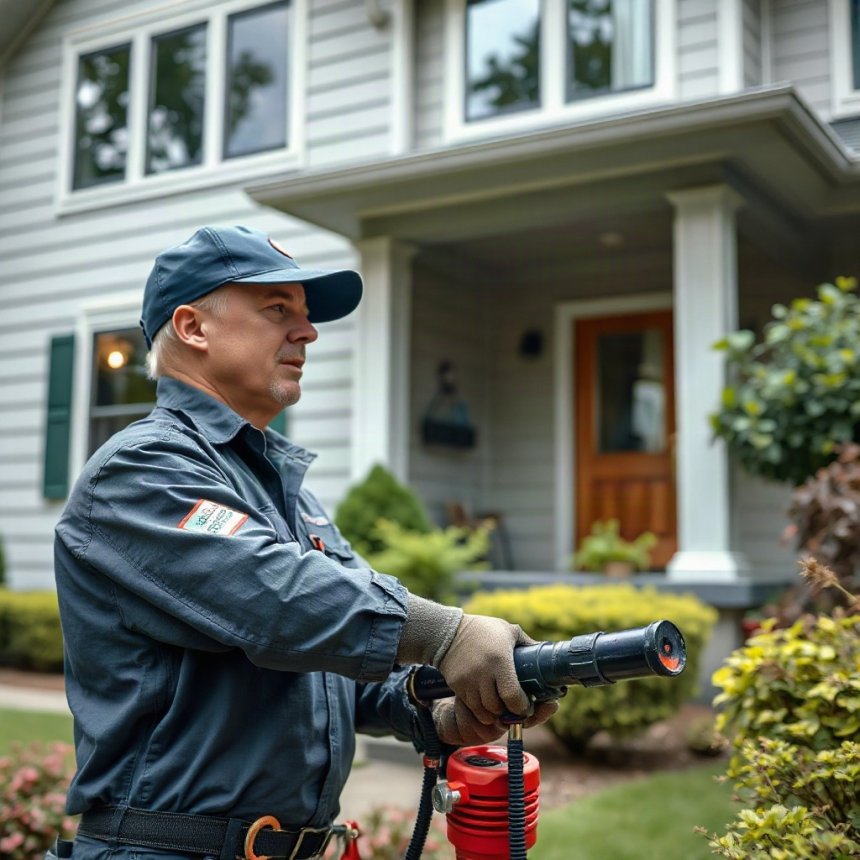
Modern plumbing companies use industrial-grade equipment designed to clean lines safely without damaging your home's infrastructure:
-
High-Definition Pipe Inspection Cameras: Flexible, waterproof cameras with built-in transmitters locate blockages and structural pipe damage precisely.
-
Commercial Hydro Jetters: Heavy-duty rigs that blast water at 3,000 to 4,000 PSI to strip grease, scale, and heavy root intrusions off inner pipe walls.
-
Electric Motorized Drain Snakes: Heavy-gauge steel cables equipped with specialized cutting heads to slice through stubborn obstructions deep inside main lines.
-
Pipe Locators: Handheld electromagnetic receivers that pinpoint the exact outdoor location and depth of buried pipe defects.
How Long Does Professional Drain Cleaning Take?
| Service Type | Scope of Work | Estimated Duration |
| Simple Fixture Drain Cleaning | Clearing hair or soap scum from a single sink, shower, or tub trap | 30 – 60 Minutes |
| Main Line Mechanical Snaking | Clearing root masses or debris from a main sewer cleanout | 1 – 2 Hours |
| Full Hydro Jetting & Camera Line | Deep-cleaning grease or scale off sewer lateral walls with full camera check | 2 – 4 Hours |
| Emergency After-Hours Clearing | Responding to midnight sewage backups and restoring flow | 1 – 3 Hours |
Key Factors That Determine Drain Cleaning Costs
Plumbing repair costs vary depending on the severity of the problem, accessibility, materials required, emergency service, property type, and local labor rates.
-
Diagnostic & Inspection Fees: Utilizing specialized video equipment to perform deep lateral line assessments.
-
Location & Pipe Accessibility: Clearing a line through an easily accessible exterior cleanout costs less than pulling a basement toilet to access the main stack.
-
Type & Severity of Blockage: Simple soft clogs cleared with a snake require less labor than rock-hard scale or dense tree root intrusions needing hydro jetting.
-
Equipment Required: Standard cable machines vs. commercial-grade high-pressure hydro jetting rigs.
-
Emergency Service & Timing: Dispatching technicians after hours, on weekends, or during major holiday freezes.
-
Repair vs. Cleaning: If a sewer line is cracked, bellied, or collapsed, structural pipe repair or trenchless replacement will be needed beyond simple cleaning.
Hidden Truths Homeowners Should Know
-
Small Leaks Become Expensive Repairs: Slow drains increase line pressure, leading to hidden pinhole leaks and wood rot behind walls.
-
Cheap Temporary Fixes Often Fail: Quick chemical pours only bore tiny holes through clogs, leaving heavy buildup behind to re-clog weeks later.
-
Insurance May Not Cover Neglected Plumbing: Homeowners policies typically exclude drain backups unless an optional sewer backup rider is active on the policy.
-
Tree Roots Return Continually: Cutting roots out of a cracked pipe provides temporary relief; roots will grow back until the pipe wall is sealed or replaced.
-
Hard Water Shortens Pipe Lifespan: Untreated hard water creates scale buildup that traps debris and reduces drainage volume.
-
DIY Mistakes Increase Costs: Pushing manual snakes too hard can punch holes through thin, rusted cast iron or dislodge joint fittings.
-
Mold Spreads Quickly: Sewage moisture sitting under subfloors creates toxic mold colonies within 24 to 48 hours.
15 Common Mistakes Homeowners Make
-
Ignoring Slow Drains: Waiting until water completely stops draining before seeking professional help.
-
Using Caustic Chemical Drain Cleaners: Corroding metal lines and destroying rubber pipe seals with harsh shop chemicals.
-
Flushing "Flushable" Wipes: Throwing synthetic wipes down toilets that fail to dissolve in sewer lines.
-
Pouring Cooking Oil Down Sinks: Letting warm grease flow down drains where it hardens into thick blockages.
-
Ignoring Water Pressure Spikes: Allowing unmonitored high water pressure to stress pipe joints and fittings.
-
Hiring Unlicensed Handymen: Entrusting complex main sewer lines to unvetted workers lacking proper licensing or liability insurance.
-
Skipping Annual Inspections: Forgetting routine camera checkups on older properties with surrounding mature trees.
-
Waiting for Midnight Emergencies: Putting off warning signs until a complete backup occurs during off-hours.
-
Using Wrong Pipe Materials: Mixing incompatible pipe materials during DIY repairs, accelerating galvanic corrosion.
-
Over-Tightening Threaded Fittings: Stripping plastic or brass drain threads under sinks during home trap cleaning.
-
Leaving Garden Hoses Connected in Winter: Trapping water in outdoor sillcocks, leading to cracked interior drain and supply lines.
-
Using Supply Lines as Clothes Racks: Straining exposed basement lines can break soldered copper joints.
-
Not Knowing Main Shut-Off Locations: Wasting valuable time finding the main shut-off valve during a main line burst.
-
Overloading Garbage Disposals: Forcing thick organic waste down disposals clogs main drain lines.
-
Delaying Leak Repairs: Hoping floor warm spots or low flow resolve themselves naturally.
15 Practical Maintenance Tips for Kansas City Property Owners
-
Use Strainers on All Drains: Place stainless steel mesh strainers over sink, shower, and tub drains to catch hair and debris.
-
Scrape Food Scraps into the Trash: Clean dinner plates directly into the garbage or compost bin before rinsing.
-
Collect Grease in Disposable Containers: Pour hot kitchen grease into empty glass jars or metal cans and discard them in solid trash.
-
Flush Lines with Hot Water Weekly: Run hot tap water down kitchen drains for 60 seconds after washing dishes to push lingering oils through P-traps.
-
Baking Soda & Vinegar Maintenance: Pour half a cup of baking soda followed by half a cup of vinegar down drains monthly, then flush with hot water.
-
Never Flush Personal Hygiene Products: Toss wipes, cotton swabs, and dental floss straight into the trash.
-
Locate Your Main Sewer Cleanout: Ensure your outdoor cleanout cap is accessible, undamaged, and free of dirt cover.
-
Schedule Routine Camera Checks: Inspect older clay lateral lines every 1 to 2 years if your lot has large trees.
-
Clean Garbage Disposals Safely: Toss ice cubes and lemon peels into the disposal to scour internal blades and eliminate odors naturally.
-
Keep Basement Drains Uncovered: Ensure floor drains near water heaters are clear of boxes, rugs, or storage bins.
-
Insulate Pipes Before Cold Weather: Wrap foam insulation around lines in unheated basements or crawlspaces.
-
Test Toilet Flappers: Replace leaking toilet flappers to prevent continuous silent water flow down sewer lines.
-
Inspect Outdoor Cleanout Plugs: Ensure caps are securely tightened so surface storm runoff does not overload main lines.
-
Address Slow Drains Immediately: Treat slow drainage promptly before it turns into a main line backup.
-
Schedule Professional Preventive Hydro Jetting: Maintain older main sewer lines with periodic hydro jetting every 2 to 3 years.
When Should You Call an Emergency Plumber?
Turn off your main water supply and contact a licensed professional right away if you experience:
-
Raw Sewage Backups: Sewage rising through basement floor drains, showers, or toilets.
-
Multiple Blocked Fixtures: Running one tap causes water to back up into other household drains.
-
Unexplained Water Flooding: Water pooling around basement walls or coming through ceilings.
-
Persistent Sewage Gas Odors: Strong smells indicating broken main sewer vents or underground line splits.
-
Complete Loss of Household Drainage: Inability to run water anywhere without immediate backup risks.
Frequently Asked Questions
Why is my water pressure suddenly low?
A sudden drop across your home usually indicates a failing Pressure-Reducing Valve (PRV), a partially closed main shut-off valve, or a serious main line leak.
How much does leak detection cost?
Diagnostic leak detection costs depend on equipment needs and line access. Advanced electronic tools isolate hidden slab or wall leaks accurately without damaging property.
Can a clogged drain damage pipes?
Yes. Severe blockages trap standing water under pressure, putting extra stress on pipe joints and accelerating internal corrosion.
Is hydro jetting safe for old pipes?
Hydro jetting is safe when preceded by a camera inspection. If old cast-iron lines show severe cracking, technicians calibrate jetting pressure safely.
How do I know if my sewer line is broken?
Common signs include multi-fixture backups, sewer odors, extra green patches on your lawn, or ground sinkholes over the lateral line.
How long do water heaters last?
Traditional tank water heaters generally last 8 to 12 years. Tankless systems can last 15 to 20 years with annual maintenance and flushing.
Why does my faucet keep dripping?
Faucets drip when internal rubber O-rings wear out, brass valve seats corrode, or ceramic cartridges collect scale deposits.
What causes pipes to burst in winter?
Water inside uninsulated lines freezes, expands, and exerts extreme internal pressure, splitting metal or PEX pipe walls.
Can plumbing leaks increase my water bill?
Yes. Even a small hidden leak or running toilet can waste hundreds of gallons of water daily, drastically increasing utility charges.
When should I replace plumbing lines instead of repairing them?
Replace lines when pipes show severe internal scale, suffer repeated leaks across the same branch, or consist of obsolete materials like galvanized steel or lead.
Why Choose Plumber in Kansas City?
When dealing with a frustrating drain clog or main line backup, you need fast response, honest guidance, and lasting craftsmanship. Plumber in Kansas City is dedicated to providing dependable plumbing services tailored to local properties:
-
Experienced Licensed Plumbers: Fully certified technicians equipped to handle routine drain cleaning, heavy root clearing, and complex sewer line repairs.
-
Upfront Written Estimates: Transparent pricing provided before work begins so you know what to expect.
-
Fast Response & Emergency Availability: Prepared to respond quickly when unexpected drainage emergencies threaten your home.
-
Modern Diagnostic Equipment: Utilizing high-definition camera inspections, heavy-duty augers, and industrial hydro jetters.
-
Local Expertise: Proudly serving residential and commercial property owners across Kansas City and surrounding areas with quality workmanship.