Kansas City Leak Detection Cost: What Homeowners
Worried about plumbing leaks? Discover what expert leak detection costs in Kansas City. Learn about price factors, technology, hidden signs, and repairs.


Need a Plumber in Kansas City, MO?
Plumbing Problem? Call for professional plumbing help.
Get help with emergency plumbing, clogged drains, leaking pipes, water heaters, burst pipes and other residential plumbing problems in Kansas City, Missouri.
Need a Plumber in Kansas City, MO?
Plumbing Problem? Call for professional plumbing help.
Get help with emergency plumbing, clogged drains, leaking pipes, water heaters, burst pipes and other residential plumbing problems in Kansas City, Missouri.
How Much Does Leak Detection Cost in Kansas City?
A mysterious spike in your water bill. A unexplained warm spot on your kitchen floor. The faint, persistent sound of rushing water when every faucet is off. These are the unsettling signals of a plumbing leak, a silent threat that can undermine your home's foundation and your financial peace of mind. For homeowners across the Kansas City metro area, from Overland Park to Liberty and everywhere in between, the immediate concern shifts from "where is it leaking?" to "what will finding this cost me?"
At
Whether you're dealing with a routine faucet drip or suspect a dreaded slab leak under your concrete foundation, understanding the true leak detection cost in Kansas City is the first step toward a dry, stable home.
What Exactly Is Plumbing Leak Detection?
Simply put, plumbing leak detection is the specialized process licensed professionals use to pinpoint the precise location of a leak within your home's pressurized fresh water supply lines or drainage systems. While you might see a wet spot on a ceiling, the actual pipe rupture could be ten feet away or buried several feet underground.
Think of it like medical diagnostics: you might have pain, but you need an X-ray to find the underlying issue. In plumbing, standard inspection only goes so far. When leaks are hidden behind drywall, beneath floorboards, or embedded in your concrete slab, traditional "visual" checks fail. Professionals utilize advanced sonic, thermal, and tracer gas technology to "see" and "hear" water escaping where it shouldn't be.
Common scenarios requiring professional detection include:
-
Slab Leaks: Leaks in pipes embedded within your home's concrete foundation.
-
Underground Line Leaks: Compromised water supply lines running from the meter pit to your house.
-
In-Wall Pipe Leaks: Ruptures in pressurized lines hidden within interior walls.
Why Do These Elusive Plumbing Problems Happen in Kansas City?
Hidden leaks don't just happen by chance; they are driven by specific factors that are particularly common in the Kansas City region:
-
Aging Infrastructure: Much like the public infrastructure, residential piping has a lifespan. Homes in older Kansas City neighborhoods (like Brookside or Historic Northeast) may still have original galvanized steel or aging copper pipes reaching their failure point.
-
Corrosion & Chemical Reactivity: Water, particularly with mineral content typical of hard water, can eat away at metal pipes from the inside out over decades.
-
Expansive Clay Soil Movement: This is a huge factor in the Midwest. Kansas City's rich clay soil swells significantly when wet and shrinks when dry. This relentless movement puts immense structural stress on underground water supply and sewer lines, leading to cracks, shifts, and separations.
-
Poor Historical Installation: Pipes that were improperly supported, made from inferior materials (like the problematic Polybutylene common in certain eras), or joints that weren't properly soldered or crimped create permanent weak spots waiting to fail.
-
Extreme Seasonal Freeze-Thaw Cycles: Water trapped in uninsulated pipes in unheated areas (crawl spaces, outer walls) expands when frozen, instantly splitting pipe walls. When it thaws, the disaster is complete.
Warning Signs You Should Never Ignore
The biggest mistake homeowners make is waiting until raw sewage backs up or a ceiling collapses before taking action. Your home is almost always trying to tell you there’s a problem. Pay attention to these critical red flags:
An Unexplained Jump in Your Water Bill
This is the number one, most reliable indicator of a pressurized water leak. Compare your current usage to the same month last year. A significant, sudden increase without a change in household habits is almost certainly a hidden leak wasting thousands of gallons.
Persistent Musty Odors & Bad Smells
Trapped water inside walls, under carpets, or beneath flooring creates a perfect environment for mold and mildew growth. That damp, earthy smell in your basement, laundry room, or kitchen cabinets isn't normal; it's a sign of a slow, continuous water source.
Visible Water Stains & Discolored Patches
Saturated building materials discolor. Look for yellowish-brown rings on ceilings, damp spots on drywall that feel soft or flaky, and baseboards starting to warp, swell, or blister.
The Sound of Running Water When Everything Is Off
In a truly quiet house, with all faucets, showers, and appliances off, you should hear nothing. If you can clearly distinguish a hiss, hum, or continuous rush of water, particularly in a localized area like the basement or behind a bathroom wall, you have a major leak.
Spongy, Damp, or Hot Spots on the Floor
Feel the floor in your kitchen, bathrooms, and laundry area with your bare feet. A localized area that feels warm (indicating a hot water line slab leak) or spongy (indicating water under subflooring) is a definitive sign of trouble underneath.
Common Plumbing Problems Related to Hidden Leaks
A primary, hidden leak is often the first domino in a line of cascading plumbing failures:
-
Foundation Wall Leaks & Cracking: Escaping water under or around your house saturates soil, causing foundation shifting, settling, and dramatic cracking.
-
Main Water Line Ruptures: Small leaks in underground supply lines weaken surrounding pipe walls, often leading to full-scale catastrophic blowouts that flood yards and basements.
-
Water Heater Component Failures: Slow leaks in hot water supply lines force your water heater to run continuously, dramatically shortening its lifespan and increasing utility bills.
-
Mold & Mildew Proliferation: Visible mold on walls is often a tiny fraction of the problem; hidden mold inside wall cavities and subfloors presents genuine health risks to your family.
Step-by-Step Professional Leak Detection & Repair Process
When you hire a licensed Kansas City plumber for leak detection, you aren't just paying for a wrench; you are paying for expert diagnosis. Here’s what a reputable professional process looks like:
-
Step 1: Initial Investigation & System Pressure Test: The plumber begins by visually inspecting fixtures and confirming the presence of a pressurized water leak using precise gauges. This verifies the leak is active.
-
Step 2: Non-Invasive Advanced Diagnostics: Professionals use high-sensitivity electronic listening equipment, infrared thermal imaging cameras, or even tracer gases to precisely identify the signature "whoosh" or heat profile of escaping water without making any messy, exploratory wall cuts.
-
Step 3: Pinpointing & Diagnosis: Once the general area is found, the plumber refines the detection to the exact spot. They must determine if it's a pipe rupture, a failed joint fitting, or corrosion.
-
Step 4: Transparent Estimate & Work Plan: Before a single drywall cut is made or a concrete slab is opened, a trustworthy plumber must provide a detailed, written breakdown of the required repair steps, material needs, and total estimated cost.
-
Step 5: Focused Repair Execution: Technicians access the leaking section using minimal structural openings and perform the repair using code-compliant materials like PEX or copper.
-
Step 6: Rigorous System Pressure Re-Test: Crucially, the entire system must be pressurized again and monitored to guarantee that not only is the original leak gone, but no secondary leaks were triggered during the repair.
-
Step 7: Clean Up & Maintenance Advice: Professional service includes respecting your property and leaving the area tidy, followed by practical tips to protect your plumbing going forward.
Can You Fix It Yourself? Practical Realities for Homeowners
What Homeowners Can Safely Try
-
Perform a Simple Water Meter Check: Turn off every water usage source in your home (taps, showers, washer, ice maker). Locate your main water meter pit at the street or basement. Photograph the dial. Wait 1-2 hours without using any water. If the meter numbers changed or the small "leak indicator" is spinning, water is actively escaping somewhere on your property.
-
Add Dye to Toilet Tanks: Place 10 drops of food coloring into your toilet tank and do not flush. Check the bowl after 20 minutes. If colored water appears in the bowl, your flush flapper is leaking silently into the drain.
-
Visually Check Visible Connections: Safely look for slow drips or weeping under sinks, behind toilets, and at laundry connections.
When DIY Becomes Dangerous and Costs You More
-
Never Blindly Cut into Drywall or Concrete: Guessing a leak location and haphazardly tearing up structures often damages intact pipes, electrical lines, and structural framing, instantly multiplying your total repair bill by thousands.
-
Avoid Caustic Chemical Drain Cleaners: Pouring harsh acids down smelly drains does nothing to find a pressurized line leak and only creates dangerously corrosive waste inside your sewer system.
-
Ignoring Slab Leaks is a Structural Gamble: Attempting to ignore a foundation slab leak to avoid diagnostics is risking catastrophic foundation failure and whole-house shifting.
The Sophisticated Tools Professionals Use
Finding hidden water requires more than a simple wrench. Licensed plumbers invest heavily in specialized diagnostic technology:
-
Infrared Thermal Imaging Cameras: These sophisticated cameras visualize invisible heat signatures. A leaking hot water line, even deep under concrete or behind drywall, creates a clear "plume" of warmth that appears instantly on the camera screen.
-
Acoustic Ground Microphones & Ultrasonic Listeners: Water escaping a pressurized pipe generates specific sonic frequencies. Professionals use hyper-sensitive amplified listening devices to pick up these sounds, allowing them to pinpoint leaks to within an inch.
-
Electronic Pipe & Cable Locators: Before drilling or digging, professionals use locators to trace the exact path and depth of metallic or plastic water and gas pipes.
-
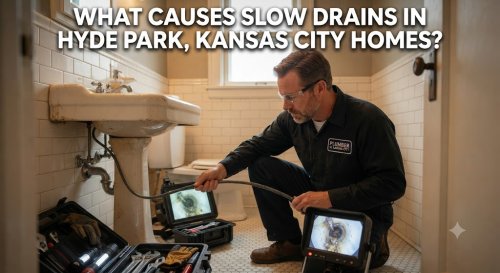
Borescope Inspection Cameras: Thin, flexible cameras allow visual checks inside wall cavities or tight spaces without having to remove large drywall sections.
How Long Does Leak Detection & Repair Usually Take?
Timelines depend heavily on where the leak is hidden:
| Problem Complexity | Estimated Diagnostic Time | Estimated Total Repair Time |
| Simple Fixture Drip / Valve Check | 30 – 60 Minutes | 1 – 2 Hours |
| Localized Wall / Supply Line Leak | 1 – 2 Hours | 3 – 5 Hours |
| Complex Slab Leak Under Concrete | 2 – 4 Hours | 1 – 2 Days |
| Main Water Service Replacement (Yard) | 1 – 3 Hours | 1 – 2 Days |
Factors like extreme depth, frozen ground, or required utility line marking (calling 811) will significantly extend diagnostic and excavation timelines.
Real-World Cost Factors for Kansas City Homeowners
Providing a fake, fixed price is impossible, and any company promising one over the phone for a hidden leak should be approached with caution. Leak detection cost in Kansas City varies depending on these critical, objective technical factors:
Diagnostic Fee & Methodology
Most licensed plumbing companies charge a standardized diagnostic or "service call" fee (typically $100-$300) to arrive, run pressure tests, and verify an active leak exists. Using advanced equipment like thermal cameras or acoustic listeners may add specialized diagnostic line items ($200-$500+).
Parts and Materials
The cost difference between a PEX crimp fitting and several linear feet of new, custom-soldered copper pipe for a full re-pipe is dramatic. All parts must be code-compliant and built to withstand local water conditions.
Total Labor Hours
Repairing a pinhole in a drywall section takes far less time than jackhammering through a reinforced concrete kitchen floor, digging down three feet, repairing the pipe, and backfilling.
Emergency Service Charges
Leaks often happen at 2 AM on a Sunday. Licensed plumbers must charge significant, mandated emergency or after-hours premium rates to dispatch technicians during these times.
Property Type and Pipe Accessibility
Repairing an exposed basement pipe is straightforward. Addressing a leak embedded in a concrete foundation slab (a slab leak) requires specialized equipment, concrete demolition, and expert repair, pushing total costs significantly higher. Replacing an entire main supply line from the meter pit in your yard is a whole-house replacement scenario.
The Hidden Truths Homeowners Must Know
We believe in radical honesty. Here are the practical realities of plumbing leaks:
-
Small Pinhole Leaks Become Expensive Structural Problems: A continuous 1/16th-inch pinhole leak wastes thousands of gallons and compromises building materials and subflooring every minute you wait. It does not "go away."
-
DIY Mistakes Cause Catastrophic Flooding: Hand-tightening a pressurized supply valve, cross-threading a fitting, or using improper pipe materials instantly turns a slow drip into a house-destroying flood.
-
Insurance Companies Deny Neglect Claims: Homeowners insurance typically covers damage caused by sudden and accidental pipe bursts. However, claims for mold damage, foundation settling, or rotten wood caused by a long-term, unaddressed slow leak are routinely denied due to lack of standard property maintenance.
-
Delaying Repairs Invites Mold and Rodents: Hidden water sources inside walls rapidly degrade insulation, encourage structural wood rot, and attract subterranean pests like termites and roaches that thrive in continuous moisture.
15 Common Mistakes Kansas City Homeowners Make
-
Ignoring visibly high water bills, thinking it's a temporary municipal issue.
-
Waiting until a structural emergency (e.g., ceiling collapse) before taking action.
-
Pouring heavy chemical drain cleaners down plumbing vents or drains.
-
Using toilets and sinks as generic trash cans (e.g., flushing wipes, grease).
-
Ignoring household water pressure over 80 PSI without installing a Pressure Reducing Valve (PRV).
-
Blindly cutting into finished drywall or concrete to "find" a leak.
-
Hiring unvetted, unlicensed plumbers because they offer a suspiciously cheap "per point" rate.
-
Using incorrect pipe materials (like improper PVC variants for hot lines).
-
Over-tightening fixture supply nuts, crushing delicate internal gaskets and seals.
-
Skipping yearly professional water heater checks and tank flushing.
-
Storing heavy boxes or landscape materials directly over known sewer cleanouts or water service lines.
-
Failing to clear garden hoses from outdoor spigots before the first hard autumn frost.
-
Ignoring rusty water or metal flakes coming from faucets, which indicates critical internal corrosion.
-
Letting condensation on pipes continuously wet insulation and subflooring.
-
Neglecting routine sewer line camera inspections in homes over 25 years old.
Essential Maintenance Tips to Protect Your Home
-
Perform a Monthly Water Meter Check: Make this simple, no-water-use check a priority.
-
Monitor Indoor Water Pressure: Ensure home static pressure is ideally between 45 and 70 PSI. Replace your PRV every 10-15 years.
-
Disconnect Hoses Before Winter: Remove garden hoses from all outdoor bibs before freeze.
-
Insulate Exposed Pipes: Wrap exposed supply lines in unheated basements, crawl spaces, and attic runs.
-
Replace Rubber Appliance Hoses: Upgrade rubber washing machine and dishwasher hoses to durable braided stainless steel every 5 years.
-
Flush Your Water Heater Annually: Drain sediment from your water heater bottom drain to prevent tank bottom corrosion.
-
Clean Drain Stoppers Weekly: Remove hair and sludge from sink and tub drain pull-out stoppers to ensure smooth flow.
-
Address Dripping Faucets Immediately: Worn flappers and cartridges allow backpressure to stress internal line joints.
-
Check Your Toilet Tank Internals: Ensure water levels are below the overflow tube and flappers seal tightly.
-
Never Pour Grease or Oil Down Drains: Use disposable containers for fats and throw them in the trash.
-
Soften Hard Water: Consider a whole-house water softener if local mineral content is excessively high and causing valve corrosion.
-
Ensure Crawlspace and Attic Ventilation: Proper airflow prevents continuous condensation buildup and wood rot.
-
Limit Garbage Disposal Usage: Disposals do not replace standard trash cans and contribute to sewer line buildup.
-
Schedule Annual Sewer Camera Inspections: Have a professional scope your lateral line to identify root intrusion before failure.
-
Know Your Main Shut-Off Valve: Every adult in your home must know its location (usually basement or utility room) and how to operate it immediately.
When Should You Call an Emergency Plumber?
Leaks rarely respect regular business hours. Act immediately if you face:
-
Catastrophic Burst Pipe or Supply Line: Active, high-volume flooding that cannot be isolated at a single fixture.
-
Raw Sewage Backup into Multiple Drains: Toilet, shower, or sink drains backing up raw waste into your living space.
-
Uncontrollable Water Near Electrical Components: Saturated ceilings near light fixtures, or water dripping into an electrical breaker panel.
-
Total Loss of Running Water: Complete lack of water across the whole house, indicating a ruptured main line.
Frequently Asked Questions
Why is my water bill suddenly low?
Unusually low pressure or usage sometimes indicates a catastrophic rupture before the water meter pit, meaning you might see a wet spot in your yard but the WASTED water isn't being registered by the city. More often, low usage indicates a broken or inaccurate municipal water meter mechanism.
How much does professional leak detection cost?
Licensed plumbing diagnostic fees typically run $100-$300. Pinpointing hidden wall, yard, or foundation slab leaks using sonic or thermal equipment may add specialized diagnostic line items ranging from $200-$500+. The total leak detection cost in Kansas City is driven by methodology, technology used, and required access complexity.
How long do copper plumbing lines typically last?
In ideal conditions, high-quality copper supply lines can last 50-70+ years. However, factors like local water acidity, excessive mineral content (hard water), physical soil shifting, and electrical grounding issues can cause critical pinhole corrosion and joint failure in as little as 30-40 years.
What is hydro jetting and is it safe for old pipes?
Hydro jetting uses intense, high-pressure water (up to 4,000+ PSI) to blast through heavy grease and invasive root systems. A professional must scope the line with a camera first; jetting brittle, fractured, or completely collapsed clay or cast-iron lines can cause immediate whole-pipe destruction.
How do I know if my sewer line is broken?
Recurring multiple drain backups, visible wet spots or sinks holes in your yard, unusually lush patches of green grass, and pervasive rotten-egg (sewage) smells are classic indicators of a ruptured lateral sewer pipe.
Can plumbing leaks cause structural damage to my home?
Absolutely. Chronic, unaddressed leaks saturate subflooring, rot structural wood framing, destabilize subgrade soil under concrete foundations (causing whole-house shifting and dramatic wall cracking), and trigger toxic mold proliferation inside wall cavities.
Why Choosing Our Plumbing Company Makes Practical Sense
Resolving hidden leaks requires modern technical expertise, not just generic repairs. Property owners across the area rely on us for practical, trustworthy service:
-
Licensed, Experienced Technicians: Fully certified professionals who genuinely understand local Kansas City building codes, expansive clay soil dynamics, and aging infrastructure.
-
Advanced Non-Invasive Diagnostics: We utilize high-resolution thermal cameras, electronic acoustic microphones, and borescope technology to find your leak precisely, minimizing structural damage.
-
Radical Honesty and Transparent Pricing: We provide detailed, upfront estimates and written breakdowns before any major repair begins—never generic "guesswork" quotes over the phone.
-
Emergency Service Availability: We maintain a dedicated dispatch network to respond quickly when burst pipes or sewage emergencies threaten your property.
-
A Locally Owned Business: We live in the communities we serve, meaning we take profound pride in quality workmanship, customer satisfaction, and building long-term trust.
If you suspect a hidden water leak or your water bill has spiked unexpectedly, do not gamble with your home’s structure. Contact