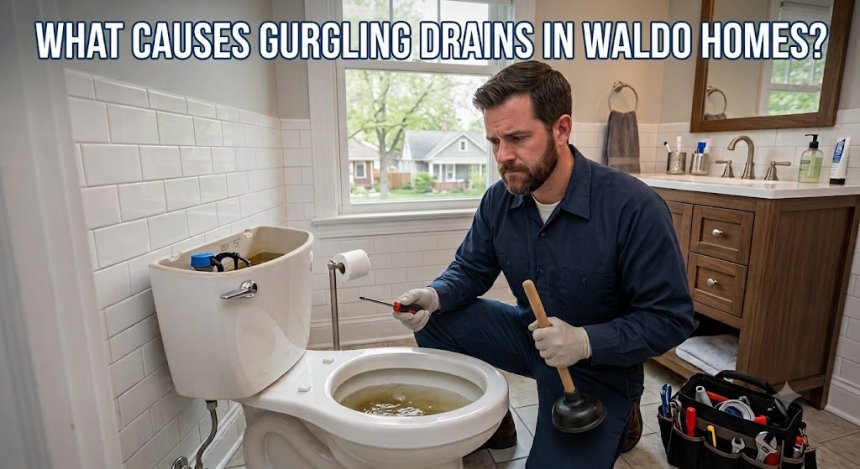
What Causes Gurgling Drains in Waldo Homes?
Hearing weird gurgling noises from your sink, tub, or toilet? Discover common causes in Waldo homes, quick checks, cost factors, and expert solutions.

Need a Plumber in Kansas City, MO?
Plumbing Problem? Call for professional plumbing help.
Get help with emergency plumbing, clogged drains, leaking pipes, water heaters, burst pipes and other residential plumbing problems in Kansas City, Missouri.
Need a Plumber in Kansas City, MO?
Plumbing Problem? Call for professional plumbing help.
Get help with emergency plumbing, clogged drains, leaking pipes, water heaters, burst pipes and other residential plumbing problems in Kansas City, Missouri.
What Causes Gurgling Drains in a Waldo Home?
You are relaxing in your living room after a long day when someone upstairs runs the shower. A moment later, you hear a distinct glug-glug-glug echoing from your kitchen sink or the downstairs half-bath.
In older, established Kansas City neighborhoods like Waldo, Armour Hills, and Brookside, gurgling drains are a remarkably common complaint. Because many homes in Jackson County feature original plumbing configurations, aging sewer connections, or mature tree canopies, trapped air in the lines frequently creates strange noises.
While a noisy drain might seem like a minor nuisance, it is actually your plumbing system’s way of crying out for help. Ignoring that glug sound often leads to slow drains, foul odors, or even sewage backing up into your living spaces.
This guide breaks down why drains gurgle, what is happening behind your walls, steps you can safely take, and when to bring in professional support.
What Is a Gurgling Drain?
In simple terms, a gurgling drain is a sound produced when air is trapped inside your drainage pipes and escapes by forcing its way past the water sealed inside a P-trap.
Every sink, shower, and toilet relies on proper airflow to move wastewater smoothly toward the main sewer. When water flows down a pipe, it pushes air ahead of it and pulls air behind it. If a pipe is partially blocked—or if the plumbing vent on your roof is obstructed—that moving water creates negative air pressure (a vacuum).
To relieve this vacuum, the system pulls air through the nearest available opening. That opening is usually the water-filled trap under your sink or tub. As air bubbles pop through that standing water barrier, you hear a deep gurgling or glugging noise.
Common Situations & Symptoms
-
The Toilet Gurgles When the Tub Drains: Flushing or draining one fixture forces air out through another nearby fixture.
-
The Kitchen Sink Bubbles During Dishwasher Use: Waste pump action forces air past grease buildup in shared branch lines.
-
Persistent Glugging After Shutting Off Faucets: Water slowly trickles past an obstruction, pulling air behind it in small gulps.
-
Foul Gas Smells Accompanying the Sound: Air pulling through the P-trap siphon-drains the water seal completely, allowing sewer gases into the room.
Why Does This Plumbing Problem Happen?
A healthy drain line moves water and air in complete harmony. When your pipes start making noise, one of several common culprits is usually at fault:
[ Air Flow Trapped ] ──> Partial Pipe Clog  ──> Vacuum Created
                                                     │
[ Roof Vent Blocked ] ──> Sewer Line Roots   ──> Air Pulls Through P-Trap ──> Gurgling Noise
                                                     │
[ Pipe Damage/Sag ]   ──> Sewer Line Backup ──> Trap Water Siphoned Out
1. Partial Drain Clogs
The most frequent cause of local drain noise is a partial clog inside the branch line leading from a specific fixture. Over months and years, hair, soap scum, food scraps, and mineral scale build up along pipe walls. Water can still squeeze past, but the restricted passage disrupts normal airflow, creating a suction effect that rattles the water seal.
2. Blocked Plumbing Vents
Your home’s plumbing vent stack extends up through your roof to release sewer gases and admit fresh air into the system. In mature neighborhoods with heavy tree cover like Waldo, these roof pipes easily become clogged with leaves, pine needles, bird nests, or small animal debris. When the vent is blocked, your drains are forced to draw air through indoor fixtures instead.
3. Tree Root Intrusion in Main Sewer Lines
The beautiful, mature trees lining Kansas City streets come with an underground drawback: aggressive root systems. Roots constantly seek moisture and nutrients, finding tiny cracks or loose joints in aging clay or cast-iron sewer lateral lines. As roots grow inside the pipe, they catch toilet paper and debris, creating a severe obstruction that causes basement floor drains and upstairs toilets to gurgle simultaneously.
4. Aging and Sagging Pipes
Many homes built in the mid-20th century feature cast-iron or galvanized steel drain lines. Over decades, internal rust and scale build up, narrowing the pipe diameter. Additionally, shifting soil can cause horizontal sewer pipes to sag (form a "belly"), creating a permanent pool of standing water that traps air whenever new water enters the line.
Signs You Should Never Ignore
Gurgling is rarely an isolated symptom. It usually arrives alongside other red flags that indicate your plumbing system needs attention:
-
Slow Draining Fixtures: Water pooling around your feet in the shower or lingering in the kitchen sink points directly to restricted airflow or accumulation in the line.
-
Sewer Odors (Rotten Egg Smells): If a gurgling drain pulls enough water out of your P-trap, dry traps allow dangerous methane and hydrogen sulfide gases into your living spaces.
-
Water Backing Up in Other Fixtures: If running your washing machine causes water to rise in your basement shower or toilet bowl, you have a main sewer line blockage.
-
Damp Spots or Mold on Baseboards: Trapped air pressure combined with failing pipe joints can force small amounts of water past seals behind walls or subfloors.
-
Unusually High Water Bills: If a gurgling toilet is linked to a fill valve running continuously to replace siphoned water, your utility bill will spike quickly.
Common Plumbing Problems Related to Gurgling Drains
When air pressure and drainage dynamics break down, several secondary plumbing problems often develop:
+------------------------------------+-----------------------------------------------------+
| Related Issue                      | How It Connects to Gurgling Drains                  |
+------------------------------------+-----------------------------------------------------+
| Dried-Out P-Traps                  | Vacuum pulls water seal out, letting odors inside.  |
| Main Line Sewer Backups            | Obstructions cause multi-fixture gurgling & spills. |
| Cracked Vent Stacks                | Trapped pressure strains old PVC or cast-iron joints.|
| Corroded Cast-Iron Lines           | Internal scale snags paper, causing recurring noise.|
+------------------------------------+-----------------------------------------------------+
Step-by-Step Professional Repair Process
Resolving a persistent gurgling drain requires systematically tracking down whether the issue lies in the individual fixture line, the roof vent system, or the main sewer line. Here is how a licensed plumber diagnoses and fixes the issue:
Step 1: Visual and Operational Inspection
The technician inspects affected fixtures, runs water in multiple locations simultaneously, and checks whether the gurgling is isolated to one sink or widespread throughout the building.
Step 2: Plumbing Vent Evaluation
The plumber checks the roof vent stack for physical blockages like leaf buildup, bird nests, or ice caps during winter months.
Step 3: Video Camera Drain Inspection
If the vent is clear, a waterproof sewer camera cable is fed through a cleanout access point to visually inspect the interior of your main drain line for tree roots, cracks, grease, or pipe sags.
Step 4: Line Clearing or Hydro Jetting
Depending on the diagnosis, the technician uses a professional drain cable machine to break up localized clogs, or high-pressure hydro jetting to blast away grease and tree roots from line walls.
Step 5: Pipe Repair or Vent Restoration
If damaged piping, offset joints, or crushed clay lines are found during camera inspection, structural pipe repairs or trenchless lining options are evaluated.
Step 6: Flow and Vacuum Testing
The plumber runs high-volume water tests across all household fixtures to verify that air moves freely, traps remain full, and gurgling noises are completely eliminated.
Step 7: Preventative Maintenance Guidance
The plumber cleans the work area and provides practical advice on maintaining clear lines based on your home's age and pipe material.
Can You Fix It Yourself?
Understanding what you can handle safely—and when to call a professional—prevents accidental pipe damage or costly home floods.
Safe DIY Actions Homeowners Can Try
-
Clean the Sink Pop-Up and Drain Strainer: Remove hair, soap scum, and gunk sitting directly in the fixture drain opening.
-
Use a Hand Plunger Correctly: Cover nearby overflow holes with a damp cloth to create a tight vacuum seal, then plunge firmly over the drain opening to shift minor organic clogs.
-
Pour Boiling Water Down Kitchen Drains: For minor grease buildup, flush the line with hot water to help dissolve soft blockages.
-
Check Ground-Level Vent Caps: Ensure outdoor cleanout caps in your yard are tight and undamaged.
                  SAFE DIY FIXES                              CALL A PROFESSIONAL
   +------------------------------------------+    +------------------------------------------+
   | • Cleaning sink pop-ups & strainers      |    | • Gurgling affecting multiple rooms      |
   | • Plunging single fixtures gently        |    | • Water backing up into showers/tubs     |
   | • Flushing lines with hot water/vinegar  |    | • Sewage smells inside your home         |
   | • Checking outdoor cleanout caps         |    | • Clearing debris from high roof vents   |
   +------------------------------------------+    +------------------------------------------+
When DIY Becomes Dangerous
Never climb onto a steep roof to clear vent stacks without proper fall protection gear. Additionally, avoid pouring caustic chemical drain cleaners into gurgling pipes. Chemical openers produce extreme heat that can melt thin plastic pipes, crack aging vintage porcelain, or sit trapped behind a heavy clog—creating a severe chemical splash hazard for technicians servicing the line later.
Tools Professionals Use to Resolve Drain Noise
Licensed plumbers rely on specialized equipment to pinpoint air pressure issues and clear main lines cleanly:
-
Sewer Inspection Cameras: Micro-cameras with location transmitters that display live HD video of the inside of underground lines.
-
Commercial Drain Cables (Snakes): Heavy-duty motorized steel cables with specialized cutting heads designed to cut through dense root masses.
-
Hydro-Jetting Rig: High-pressure water propulsion systems that scour the full inner circumference of pipes using up to 4,000 PSI.
-
Digital Smoke Generators: Equipment that pumps harmless smoke into vent stacks to reveal hidden leaks, cracks, or disconnected vent lines inside walls.
How Long Does the Repair Usually Take?
Repair timelines vary depending on where the air restriction is located:
-
Single Fixture Clog Removal (30–60 Minutes): Clearing a simple hair or soap blockage from a bathroom P-trap or branch line.
-
Roof Vent Clearing (1–2 Hours): Removing bird nests or leaf debris from roof stacks and testing system ventilation.
-
Main Sewer Line Snaking or Jetting (1–3 Hours): Clearing tree root blockages or heavy grease accumulation from the main lateral line.
-
Structural Pipe Repair or Excavation (1–2 Days): Replacing collapsed clay pipe sections or installing fresh cleanout access points.
Cost Factors in Drain Repair
Plumbing repair costs vary depending on the severity of the problem, accessibility, materials required, emergency service, property type, and local labor rates.
Key factors affecting your total quote include:
-
Diagnostic Depth: Simple visual checks cost less than detailed video camera pipe inspections.
-
Equipment Required: Standard cable machines differ in cost compared to trailer-mounted hydro-jetting rigs.
-
Location of Obstruction: Clearing an accessible basement cleanout requires less labor than working on steep rooflines or beneath concrete slabs.
-
Emergency Service Needs: After-hours or weekend service calls naturally involve higher labor rates than scheduled weekday appointments.
-
Repair vs. Line Replacement: Clearing a temporary clog is a modest service, whereas replacing damaged main sewer lines involves structural excavation or trenchless technology.
Hidden Truths Homeowners Should Know
Understanding practical plumbing realities helps protect your home investment over time:
-
Small Gurgles Become Major Backups: A noisy drain is an early warning sign; ignoring it gives tree roots and grease time to fully seal the pipe.
-
Chemical Cleaners Solve Nothing: Liquid drain openers pass right through standing water without removing hard line obstructions or roof vent blockages.
-
Insurance Excludes Gradual Neglect: Most standard homeowner policies cover sudden pipe breaks, but deny coverage for water damage caused by long-unaddressed line backups.
-
Tree Roots Return Annually: Once roots enter clay pipe joints, they will return every growing season until the pipe is physically lined or replaced.
-
Modern Wipes Do Not Dissolve: Even wipes labeled "flushable" remain intact, snagging on rough pipe walls and creating ideal conditions for gurgling drains.
15 Common Mistakes Homeowners Make
-
Ignoring Early Noise: Treating gurgling as a minor background sound rather than an active vent or drain restriction.
-
Overusing Chemical Drain Cleaners: Corroding internal pipe walls and damaging seals with harsh acids.
-
Flushing Wipes and Hygiene Products: Creating dense mats inside main lines that trap air and block solids.
-
Pouring Fats and Cooking Oils Down Sinks: Allowing grease to cool and coat internal pipe walls.
-
Attempting Dangerous Roof Repairs: Climbing onto high roof structures without proper safety equipment to check vent caps.
-
Hiring Unlicensed Laborers: Working with unvetted handymen who lack video camera diagnostics and insurance.
-
Neglecting Outdoor Cleanouts: Letting grass and dirt bury sewer access points needed for main line clearing.
-
Plunging Without Sealing Overflows: Losing plunging pressure because air escapes through secondary sink vents.
-
Waiting Until Backups Occur: Delaying service until raw sewage enters basement floor drains.
-
Using Wrong Pipe Materials During DIY Work: Connecting incompatible metals that cause rapid galvanic corrosion.
-
Over-Tightening Trap Connections: Cracking plastic or brass slip nuts under sinks during basic repairs.
-
Planting Deep-Rooted Trees Over Sewer Lines: Placing aggressive trees directly above underground main lines.
-
Skipping Annual Sewer Inspections: Forgetting to inspect main lateral lines in historic homes with mature landscaping.
-
Covering Plumbing Vents During Remodels: Accidentally blocking or capping vent stacks during attic conversions or roof replacements.
-
Assuming Gurgling is Always a Simple Clog: Missing underlying issues like sagging main lines or cracked stack pipes inside walls.
Practical Maintenance Tips for Homeowners
Protect your drainage system with these straightforward preventive habits:
-
Run Hot Water Weekly: Flush kitchen drains with hot tap water for two minutes after heavy cooking to keep grease moving.
-
Use Mesh Drain Strainers: Capture hair and food debris before it enters your plumbing system.
-
Keep Trees Trimmed Near Roof Vents: Trim back overhanging branches to keep leaves and twigs away from roof vent caps.
-
Schedule Pre-Winter Line Checks: Have main lines inspected before winter freezing temperatures set in.
-
Never Flush Paper Towels: Stick exclusively to standard toilet paper down your waste lines.
-
Install Outdoor Vent Covers: Place mesh guards over open roof stacks to keep birds and squirrels from nesting inside.
When Should You Call an Emergency Plumber?
Certain gurgling drain scenarios require fast response from a professional:
                               EMERGENCY PLUMBING DECISION TREE

             Are multiple fixtures gurgling while sewage rises in low drains?
                                    │
                  ┌─────────────────┴─────────────────┐
                 YES                                  NO
                  │                                   │
      [ Stop Using All Water ]          Is the gurgling limited to a single sink?
      [ Call Emergency Plumber ]                      │
                                        ┌─────────────┴─────────────┐
                                       YES                          NO
                                        │                           │
                          [ Safe DIY / Schedule Visit ]  [ Check Roof Vent / Line ]
                                                         [ Schedule Plumber Visit ]
-
Widespread Multi-Fixture Backups: Sewage or dirty water rising in basement showers when main-floor toilets are flushed.
-
Strong Gas Odors Inside the Home: Foul sewer smells accompanied by persistent glugging noises in living spaces.
-
Uncontrollable Water Overflows: Waste water spilling out of floor drains or fixture bases onto subflooring.
Frequently Asked Questions
Why is my kitchen sink gurgling when the dishwasher runs?
Your dishwasher pumps wastewater out under pressure. If the kitchen drain or garbage disposal connection is partially clogged with food or grease, that forced water creates a vacuum that pulls air through your sink P-trap.
How much does professional drain line inspection cost?
Plumbing repair costs vary depending on the severity of the problem, accessibility, materials required, emergency service, property type, and local labor rates. Contact a licensed technician for an accurate site assessment.
Can a blocked vent stack cause my toilet to bubble?
Yes. When the roof vent is blocked, air cannot escape upward when you flush. The trapped air pushes back through the water in your toilet bowl, causing visible bubbling and gurgling sounds.
Is hydro jetting safe for old cast-iron pipes?
When performed by a trained professional following a video camera inspection, hydro jetting is safe and effective for clearing scale and roots from sound cast-iron lines.
How do I know if tree roots are in my sewer line?
Signs include recurring gurgling noises across multiple fixtures, slow basement floor drains, and frequent main line backups that plunging cannot fix.
Can cold weather cause gurgling drains?
Yes. Frost and ice can form over roof vent openings during severe Kansas City winter freezes, blocking airflow and causing drains inside the home to gurgle.
Why does my bathroom sink smell bad when it gurgles?
The gurgling sound means air is pulling the protective water seal out of your P-trap. Without that water barrier, sewer gases freely enter your bathroom.
What causes pipes to make a knocking sound after gurgling?
Knocking sounds (water hammer) are often caused by sudden pressure changes or loose pipe supports vibrating inside walls when water flow is restricted.
Can plumbing leaks increase my water bill if drains are gurgling?
If the air vacuum created by a gurgling drain continuously siphons water out of a toilet tank or fill system, the valve will run constantly, increasing your water bill.
When should I replace my sewer line instead of cleaning it?
If camera inspections reveal collapsed pipe walls, severe sags, or extensive root damage that returns within months of clearing, line replacement or trenchless pipe lining is recommended.
Why Choose Plumber in Kansas City
When strange noises disrupt your home's plumbing, working with a trusted local contractor makes all the difference.
At Plumber in Kansas City, we serve residential and commercial clients across the metro area—including historic neighborhoods like Waldo, Brookside, Prairie Village, Overland Park, and Leawood.
-
Experienced Licensed Plumbers: Our technicians understand the unique plumbing challenges of older area homes and modern construction alike.
-
Honest Recommendations & Clear Pricing: We explain what is happening in your pipes, offer upfront estimates, and never recommend unnecessary work.
-
Advanced Equipment: We use high-definition camera diagnostics, motorized drain cables, and hydro-jetting rigs to solve drain problems cleanly.
-
Rapid Response: We offer flexible scheduling and emergency availability to keep your home safe and operational.