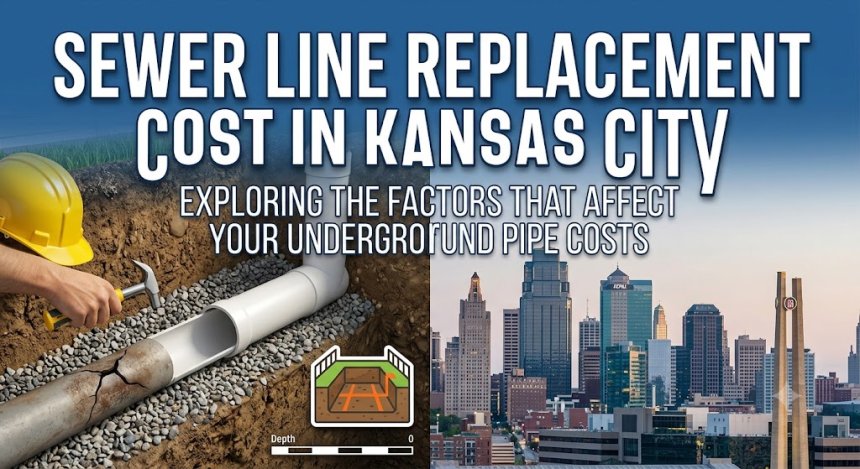
Sewer Line Replacement Cost in Kansas City
Discover what sewer line replacement costs in Kansas City. Learn about price factors, repair processes, trenchless options, and expert plumbing advice.

Need a Plumber in Kansas City, MO?
Plumbing Problem? Call for professional plumbing help.
Get help with emergency plumbing, clogged drains, leaking pipes, water heaters, burst pipes and other residential plumbing problems in Kansas City, Missouri.
Need a Plumber in Kansas City, MO?
Plumbing Problem? Call for professional plumbing help.
Get help with emergency plumbing, clogged drains, leaking pipes, water heaters, burst pipes and other residential plumbing problems in Kansas City, Missouri.
Sewer Line Replacement in Kansas City: Understanding Your Costs, Options, and Solutions
Dealing with a backup in your basement or a sudden, foul-smelling wet patch in your yard is every property owner's nightmare. Your main sewer line carries all wastewater away from your home or business to the municipal system. When this underground pipe fails, everything stops.
For property owners across the Kansas City metro area—from older, historic homes in Brookside and Waldo to expanding subdivisions in Overland Park, Olathe, and Lee’s Summit—sewer line issues are a stressful reality. Soil composition, mature tree root systems, and aging infrastructure contribute heavily to main line breakdowns.
Understanding what goes into replacing a sewer lateral before hiring a professional gives you clarity, control, and realistic expectations regarding investment, timeline, and long-term protection.
What Is Main Sewer Line Replacement?
Sewer line replacement involves excavating or relining the primary underground pipe connecting your property's interior drainage system to the public sewer main under the street, or to a private septic system.
This pipe runs underground through your lawn, driveway, or landscaped areas. Over time, physical blockages, shifting ground, and structural damage render simple clearing methods ineffective.
Common scenarios where replacement becomes necessary:
-
Structural Collapse: Clay tile or cast-iron pipes cracking and collapsing completely under weight or ground pressure.
-
Heavy Root Intrusion: Tree roots wrapping around and penetrating pipe joints, blocking waste flow permanently.
-
Severe Bellying: Low spots in the line created by soil settling, where waste collects and causes perpetual backups.
Why Do Sewer Line Failures Happen in Kansas City?
Underground main lines fail due to specific environmental and structural factors:
-
Extremely Old Pipe Materials: Older neighborhoods in Kansas City often feature original Orangeburg (bituminized fiber), clay tile, or aging cast iron. These materials degrade after 30 to 50 years.
-
Aggressive Tree Roots: Mature oaks, maples, and elms seek moisture during dry Midwest summers, forcing roots into microscopic pipe cracks.
-
Heavy Clay Soil & Seasonal Freeze Cycles: Kansas City’s expansive clay soil swells during wet seasons and shrinks during dry spells. Coupled with winter freeze-thaw cycles, this shifting puts massive stress on underground pipes.
-
Corrosion & Chemical Wear: Decades of household waste and harsh chemical cleaner usage strip the interior walls of metal pipes.
-
Poor Historical Installation: Improper backfilling or incorrect pitch creates sagging sections early in a pipe’s lifespan.
Warning Signs You Should Never Ignore
Spotting sewer main issues early limits property damage and reduces repair complexity:
-
Multiple Slow Drains Simultaneously: If your toilet, bathtub, and kitchen sink drain slowly at the same time, the blockage is in the main line, not individual fixtures.
-
Gurgling Toilets & Fixture Backups: Running the washing machine causes water to bubble up into the shower drain or basement cleanout.
-
Foul Sewage Odors: Smelling sewer gas near basement floor drains or outdoors near your yard’s cleanout point.
-
Unusually Lush, Soggy Lawn Patches: Wastewater acts as a powerful fertilizer. A noticeably green, spongy, or sunken patch on your lawn points to an underground leak.
-
Frequent Basement Sewage Backups: Water backing up into your lowest floor drains during heavy water use or rainfall.
Related Plumbing Problems Caused by Sewer Failure
A compromised sewer line creates ripple effects throughout your entire plumbing framework:
-
Foundation & Slab Leaks: Leaking wastewater destabilizes subgrade soil under concrete slabs, leading to cracks in foundation walls.
-
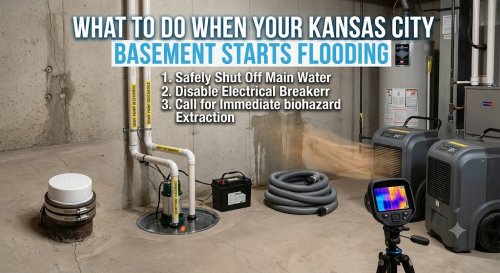
Fixtures & Drain Backups: Raw sewage invading showers, sinks, and floor drains, creating biohazard concerns.
-
Structural Mold Growth: Constant moisture underneath floors and behind walls accelerates dangerous mold spore growth within 24 to 48 hours.
-
Pest & Rodent Infestations: Damaged sewer mains provide direct pathways for pests to enter your basement.
Step-by-Step Professional Sewer Replacement Process
Replacing a main line requires detailed execution, specialized heavy equipment, and municipal compliance:
-
Step 1: Video Camera Inspection: A specialized waterproof camera is routed down the pipe cleanout to map out exact damage, depth, and location.
-
Step 2: Utility Locating & Permitting: The team contacts Kansas City utility notification systems (811) to mark gas, electric, and fiber optic lines, while securing required city permits.
-
Step 3: Diagnostic Assessment & Work Plan: The plumber evaluates open-cut excavation versus trenchless pipe replacement methods based on site access.
-
Step 4: Excavation or Access Pit Digging: Excavators open up the target area or dig entry and exit pits for trenchless pull equipment.
-
Step 5: Pipe Installation: Damaged pipe sections are replaced using heavy-duty Schedule 40 PVC or high-density polyethylene (HDPE) piping.
-
Step 6: Flow Testing & Final Inspection: Water is run continuously to ensure proper pitch, flow velocity, and leak-free connections. City inspectors verify compliance.
-
Step 7: Backfilling & Maintenance Planning: Excavated soil is carefully replaced, compacted, and long-term care guidelines are outlined for the property owner.
Can You Replace a Sewer Line Yourself?
No. Sewer line replacement is strictly a professional job.
While homeowners can handle minor sink drain clearings or simple toilet flapper swaps, replacing an underground sewer lateral requires heavy excavation machinery, trench shoring safety compliance, technical pipe-pitch calculations, and municipal permits.
Attempting a DIY sewer replacement risks:
-
Striking underground natural gas or high-voltage electrical lines.
-
Trench collapse, causing severe injury or death.
-
Incorrect pipe pitch, leading to permanent standing sewage.
-
Severe municipal fines for unpermitted public main tie-ins.
Professional Equipment Used for Repair & Replacement
Licensed plumbers rely on industrial-grade technology for precise execution:
-
High-Definition Sewer Cameras: Real-time video feeds with signal transmitters pinpoint pipe depth and defect coordinates.
-
Hydro Jetting Systems: High-pressure water equipment (3,000 to 4,000 PSI) cleans grease and roots prior to relining.
-
Trenchless Pipe-Bursting Rigs: Hydraulic equipment that pulls a modern HDPE pipe directly through the old, broken pipe, fracturing it outward.
-
Cured-In-Place Pipe (CIPP) Lining Kits: Resin-impregnated felt tubes inflated inside existing lines to create a seamless "pipe within a pipe."
-
Compact Excavators & Locators: Precision digging tools built to maneuver tight residential yards without damaging surrounding infrastructure.
How Long Does Replacement Take?
Timeline depends on the selected technique, depth, and weather conditions:
| Work Scope | Estimated Timeline |
| Simple Trenchless Lining / Bursting | 1 to 2 Days |
| Standard Open-Cut Excavation (Yards) | 2 to 3 Days |
| Deep Excavation / Driveway & Porch Removal | 3 to 5 Days |
| Emergency Temporary Bypass Setup | 2 to 4 Hours |
Key Cost Factors for Kansas City Property Owners
Because underground conditions vary widely, sewer line replacement costs depend on several clear technical variables:
-
Depth & Distance: Deeper lines (e.g., 8–12 feet deep in older KC basements) require more excavation, shoring, and heavy machinery time.
-
Chosen Method: Open-cut excavation vs. trenchless (pipe bursting or CIPP lining). Trenchless methods cost more upfront in equipment, but often save thousands in surface restoration.
-
Pipe Location & Obstructions: Lines running beneath concrete driveways, paved sidewalks, mature trees, or retaining walls increase overall labor complexity.
-
Permitting & City Connection Fees: Local municipality permit requirements vary across Kansas City, Jackson County, Johnson County, and surrounding suburban cities.
-
Surface Restoration: Re-concreting driveways, rebuilding landscaping, or repairing public street rights-of-way.
Note: Sewer line replacement costs vary depending on the severity of the problem, pipe accessibility, materials required, emergency service needs, property type, and local labor rates.
Hidden Truths Homeowners Should Know
-
Standard Homeowners Insurance Rarely Covers It: Normal policies exclude gradual wear-and-tear, root damage, or age-related collapse. Specialized sewer line endorsement riders are required.
-
Cheap Chemical Drain Cleaners Cause Cast Iron Failure: Acidic cleaners eat through corroded metal pipes, accelerating structural breakdowns underground.
-
Trenchless Saves Restoration Cash: Trenchless methods may cost slightly more per linear foot of pipe, but avoid tens of thousands in concrete driveway tear-outs.
-
You Own the Sewer Lateral to the Public Main: In most Kansas City municipalities, property owners are financially responsible for the line all the way from the structure to the city main tie-in.
-
Tree Roots Will Return Unless Completely Replaced: Snaking roots only offers temporary relief; the roots will re-enter the crack within months until the pipe is sealed or replaced.
15 Common Mistakes Homeowners Make
-
Ignoring repeated slow drains until complete system backup occurs.
-
Pouring heavy cooking fats and oils down kitchen drains.
-
Flushing "flushable" wet wipes (they do not break down like toilet paper).
-
Relying continuously on chemical clog removers instead of physical inspection.
-
Planting deep-rooting trees directly over known underground sewer corridors.
-
Hiring unvetted, uninsured contractors offering suspiciously low quotes.
-
Skipping a video camera inspection before authorizing major underground work.
-
Failing to check if their home insurance policy has a sewer line endorsement rider.
-
Forgetting to clear utility lines (calling 811) before any digging project.
-
Delaying repairs until raw sewage floods basements or crawl spaces.
-
Driving heavy vehicles or parking machinery over shallow yard sewer lines.
-
Failing to clean out basement backwater valves regularly.
-
Over-tightening cleanout caps or using mismatched pipe materials.
-
Expecting simple drain snaking to fix a structural pipe collapse.
-
Failing to get detailed written estimates specifying materials, permits, and scope.
Essential Preventive Maintenance Tips
-
Run cold water through food disposals and avoid fibrous, greasy waste.
-
Install mesh strainers across shower and tub drains to catch hair.
-
Never flush paper towels, feminine hygiene products, or wipes.
-
Conduct a professional sewer camera inspection every 2 to 3 years.
-
Schedule routine hydro jetting if your property has mature trees near clay pipes.
-
Keep clear access to your main line cleanout fitting in your yard or basement.
-
Know where your main water shut-off valve is located for quick emergency access.
-
Plant large trees at least 10 feet away from sewer line utility paths.
-
Install a backwater prevention valve if your home sits lower than street level.
-
Use enzyme-based, pipe-safe cleaners quarterly to control organic buildup.
-
Keep heavy construction equipment off lawn areas housing your sewer line.
-
Inspect basement floor drains to ensure water traps remain filled.
-
Fix dripping fixtures promptly to eliminate constant low-volume flow through pipes.
-
Have your sewer line scoped immediately after purchasing an older home.
-
Ensure roof gutter downspouts discharge far away from sewer trench zones.
When Should You Call an Emergency Plumber?
Call for immediate service if you encounter:
-
Raw Sewage Flooding: Waste backing up through basement drains, tubs, or floor cleanouts.
-
Complete Water Shutdown Required: Inability to stop water flow due to main drain blockage.
-
Sudden Structural Soil Collapse: Deep sinkholes forming rapidly above underground sewer runs.
-
Health & Biohazard Risks: Odors or wastewater surfacing inside living spaces.
Frequently Asked Questions
How do I know if my sewer line is broken or just clogged?
A simple clog usually affects a single fixture. A broken main line causes multiple fixtures to gurgle or back up simultaneously, often accompanied by foul odors or wet yard spots. A video camera inspection provides definitive proof.
Is trenchless sewer replacement better than traditional excavation?
Trenchless replacement (pipe lining or pipe bursting) avoids digging open trenches through lawns, driveways, or gardens. It is faster and preserves property landscape, though severe pipe collapses still require traditional digging.
How long does a modern replacement sewer line last?
New Schedule 40 PVC or seamless HDPE trenchless lines are designed to last 50 to 100 years with minimal care, resisting root penetration and chemical corrosion.
Will homeowner insurance cover sewer line replacement cost in Kansas City?
Standard policies typically exclude wear, age, or root damage. Coverage applies only if damage is caused by an sudden covered risk, unless you add a specific Sewer & Drain Back-up / Utility Line Rider.
Can tree roots destroy a brand-new sewer pipe?
Modern plastic materials like PVC and seamless HDPE feature sealed joints that resist root intrusion. Tree roots generally cannot breach new pipes unless installed incorrectly.
What is a sewer camera inspection?
A technician feeds a high-resolution, waterproof camera equipped with a location transmitter down your sewer cleanout. It lets you view pipe conditions, cracks, sags, and root blockages on screen.
How deep are sewer lines buried in Kansas City?
Sewer pipes in the KC metro are typically buried between 4 to 12 feet deep, depending on property grade, foundation design, and connection depth at the city main.
Can hydro jetting fix a broken sewer pipe?
Hydro jetting cleans grease, scale, and root mass out of intact pipes, but it cannot fix broken, crushed, or collapsed pipes.
What happens if I ignore a damaged sewer line?
Ignoring sewer damage leads to foundation damage, mold growth, pest infestations, expensive surface collapse, and biohazard contamination in your property.
How long does it take to replace a sewer line?
Most residential projects take 1 to 3 days depending on depth, distance, weather, and whether traditional excavation or trenchless methods are used.
Why Choose Plumber in Kansas City?
When facing main sewer pipe issues, partner with a team built on local expertise, transparent processes, and long-term solutions:
-
Licensed & Insured Underground Plumbing Specialists: Expert technicians equipped for residential and commercial sewer mains.
-
State-of-the-Art Diagnostic Cameras & Trenchless Gear: High-definition video inspection tools to pin-point problems accurately before digging.
-
Clear, Upfront Pricing: Upfront written estimates detailing materials, labor, and scope without hidden surprises.
-
Fast Response & Emergency Service: Prompt response times when sewage emergencies threaten your property.
-
Comprehensive Warranty Coverage: Quality workmanship backed by industry warranties for total peace of mind.
If you are experiencing slow drains, sewer odors, or recurring backups, schedule a professional sewer video inspection with