Water Heater Leaking from Bottom? Kansas City Expert Guide
Discover why your water heater is leaking from the bottom in Kansas City. Learn about causes, risks, temporary fixes, costs, and expert plumbing advice

Need a Plumber in Kansas City, MO?
Plumbing Problem? Call for professional plumbing help.
Get help with emergency plumbing, clogged drains, leaking pipes, water heaters, burst pipes and other residential plumbing problems in Kansas City, Missouri.
Need a Plumber in Kansas City, MO?
Plumbing Problem? Call for professional plumbing help.
Get help with emergency plumbing, clogged drains, leaking pipes, water heaters, burst pipes and other residential plumbing problems in Kansas City, Missouri.
Why Is My Water Heater Leaking From the Bottom in Kansas City?
Discovering a puddle under your water heater is never a good start to the day. For homeowners and business owners across Kansas City—from the Northland down to Overland Park and Lee's Summit—this is one of the most stressful calls we receive at
A leaking water heater isn't just an inconvenience; it’s a direct threat to your property. It operates silently, hidden away in a utility closet or basement, until that inevitable moment when the leak becomes visible. Immediate attention is critical because water doesn't just damage the area around the heater; it can lead to massive structural rot, dangerous mold growth, and catastrophic whole-house flooding if the tank fails completely.
Homeowners and business owners search for "why is my water heater leaking from the bottom" because they need to understand the magnitude of the problem. Is this a simple fix, or am I looking at a full unit replacement? Knowing the common causes and risks empowers you to make the right decision before you call in a
What Is a Water Heater Leaking From the Bottom?
A water heater leaking from the bottom refers to any unsealed, persistent drip, weeping, or active flow of water accumulating at the very base of the unit. This water might be pooling inside the overflow pan or spreading across your basement floor.
Symptoms:
-
Standing water under or around the heater base.
-
Visible corrosion or rust trailing down the tank's lower half.
-
Musty odors near the utility area.
-
A sudden, unexplained jump in your utility bill.
Examples of common situations:
-
You step into your unfinished basement in Brookside to do laundry and find a large puddle near the drain. The water is cool and clearly trailing from the utility room.
-
The hot water in your Midtown rental property runs lukewarm. Your tenant inspects the heater and finds the base soaked and the subfloor spongy.
Why Does This Leaking Problem Happen in Kansas City?
While any number of minor plumbing failures could cause water to look like it’s coming from the bottom (such as a leak Higher up on the supply lines trailing down), true bottom leaks usually stem from specific structural or component failures within the heater itself:
Aging Pipes and Fixtures
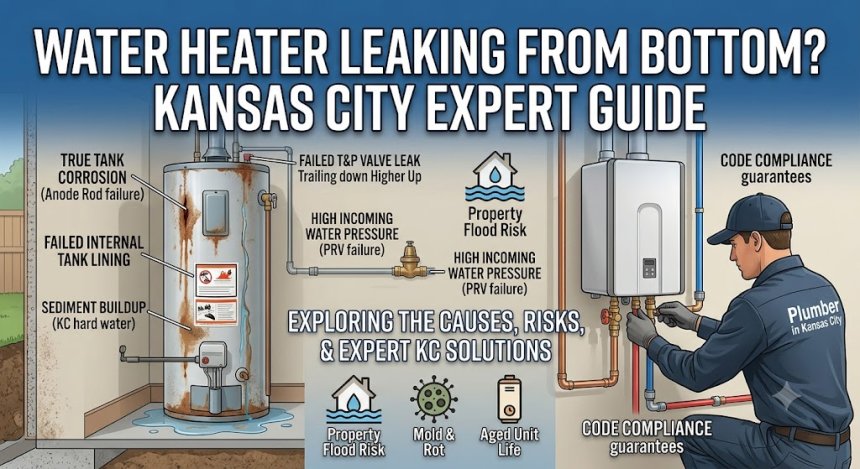
The most common cause of a true bottom leak is the simplest one: the tank is old. Standard water heater tanks generally last 8 to 12 years. As they age, the continuous stress of heating and cooling water (thermal expansion and contraction) eventually weakens the seams and connections. The internal tank begins to corrode from the bottom up. Once this happens, the heater cannot be repaired; it must be replaced.
Hard Water and Sediment Buildup
This is a critical factor across the Kansas City metro area. Our water supply has a notable mineral content (hard water). Over decades, minerals like calcium and lime settle at the bottom of the tank, creating a hardened "sediment" layer. This layer acts as an insulator, preventing the heat source from effectively reaching the water above. The tank overheats, the sediment shifts and causes hot spots, and the internal glass lining cracks. This invites rapid corrosion and tank failure.
Corrosion
All water heaters have a glass liner designed to protect the steel tank, but that liner eventually develops microscopic cracks. To combat this, they are equipped with a sacrificial anode rod—a magical metal rod that attracts corrosive elements, sacrificing itself to protect the tank. If you skip maintaining your heater and never replace the anode rod, the corrosion will target the tank’s weakest points, usually the joints and connections at the bottom.
High Water Pressure
Constant, high incoming water pressure (over 80 PSI) stresses the tank’s seams every single time a faucet is opened. If your Pressure Reducing Valve (PRV) isn't working correctly, this continuous hammering prematurely weakens the tank’s internal lining.
Warning Signs You Should Never Ignore
Your water heater is almost always trying to tell you that trouble is brewing. Pay attention to these other critical warning signs:
Water Stains or Discolored Patches on Walls or Ceilings
Visible water stains, yellowish rings, or bubbling paint on the ceiling below the area where the heater is located are unmistakable signs of an undetected leak Higher up in the supply lines leading to or from the heater. This water is trailing along the pipes or floor joists before manifesting.
Discolored (Rusty) Hot Water
If your hot water is discolored but your cold water is clear, it means your water heater tank is actively corroding. The protective anode rod has likely failed, and the tank itself is now rusting from the inside out. Ignore this, and a catastrophic burst tank is imminent.
Popping, Rumbling, or Kettling Noises
This is the classic sound of sediment buildup at the bottom of the tank. The noise is created as steam bubbles escape from underneath the hardened layer of minerals. This means your heater is struggling, overheating, and efficiency is dropping rapidly.
Mold or Mildew Growth Near the Utility Area
Constant moisture, even if it’s just microscopic weeping, creates the perfect environment for dangerous mold to colonize. If you notice persistent earthy or musty smells in your utility closet or basement, an undetected leak is likely occurring.
standing Water Anywhere Near the Heater
This is the red flag. Any puddle or standing water trailing from the heater, whether it’s Higher up on the connections or at the base, requires immediate inspection by a
Common Plumbing Problems Related to This Issue
When you notice a water heater leak, other problems might be occurring simultaneously or will soon follow:
-
Fixture Damage: If sediment is clogging your heater, it’s also affecting faucet aerators, showerheads, and appliance valves throughout your home, shortening their lifespan.
-
Drain Clogs: An undetected water heater leak can trail along the floor, potentially aggravating an existing drain clog or creating an entirely new one as organic matter collects in the standing water.
-
Burst Pipes: Extreme thermal stress caused by a failing water heater (or sediment insulating it) can put additional strain on aged supply pipes leading to and from the unit, potentially causing them to burst.
Step-by-Step Professional Repair Process
When you call Plumber in Kansas City for hot water issues, our licensed technicians follow a thorough, code-compliant process:
-
Step 1 Inspection: We perform a complete visual check of the unit, including gas/electric connections, the temperature and pressure (T&P) valve Higher up, the anode rod, and signs of leakage or corrosion TRAILING down the tank.
-
Step 2 Diagnosis: Using specialized tools (Multimeters, Pressure gauges, etc.), we pinpoint the exact source of the failure. We must determine if the leak is a component Higher up trailing down, or a true structural tank failure.
-
Step 3 Estimate: We provide a clear, upfront estimate detailing the recommended repair (if minor) or the honest recommendation for full replacement if the unit’s tank is corroded or structurally unsound.
-
Step 4 Repair: Our plumbers perform the necessary repair, adhering to strict plumbing codes. This might include replacing heating elements, the dip tube Higher up, the T&P valve, or the internal anode rod.
-
Step 5 Testing: We re-pressurize the tank, light the burner (if gas), set the thermostat, and monitor the unit to ensure it reaches temperature and recovers efficiently with zero leakage.
-
Step 6 Cleanup: We respect your property and leave the work area tidy, disposing of any old parts responsibly.
-
Step 7 Maintenance Advice: We provide specific advice on how to extend the life of your repair and maximize the longevity of your water heater, customized for local Kansas City water.
Can You Fix Your Leaking Water Heater Yourself? Safe DIY vs. Major Risks
Safe DIY Homeowners Can Try
-
Check the Thermostat: Ensure the temperature is set correctly (typically 120°F – 140°F).
-
Reset the Breaker (Electric Heaters): If you lose hot water, check your electrical panel for a tripped breaker.
-
Relight the Pilot (Gas Heaters): Carefully follow the manufacturer's relighting instructions printed on the unit.
When DIY Becomes Dangerous
-
Never Patch a True Tank Leak: A true bottom tank leak means the internal glass liner has failed and the metal tank is corroding. Attempting to "patch" a pressurized tank with hardware-store sealants is futile and guarantees a full tank rupture and catastrophic flood.
-
Gas Line Hazards (Gas Heaters): Working on natural gas connections requires special training and licensing. Mistaking a gas issue can lead to devastating leaks or explosion risks.
-
High-Voltage Electrical Dangers (Electric Heaters): Working on 240-volt electric heaters requires significant electrical knowledge. Mistakenly handling live wires is life-threatening.
-
Pinhole Leaks become Floods Fast: Pinhole leaks caused by corrosion don’t stay small. They will blow out suddenly, turning a quiet utility room into a full-house restoration nightmare.
Tools Professionals Use for Leak Repair
Licensed plumbers utilize sophisticated tools to ensure an accurate diagnosis and code-compliant repair:
-
Drain Cameras & Video Scoping: While usually for sewer lines, scoping can help check for drain issues related to floor drain clogs aggravating water heater access.
-
Leak Detection Equipment: Sensitive electronic listeners and thermal imaging cameras can spot hidden pipe leaks TrailING water to the heater area, distinguishing trailing water from structural tank failures.
-
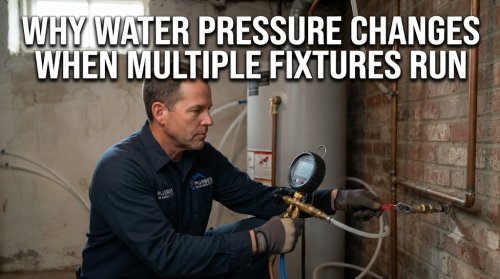
Multimeters & Pressure Gauges: Crucial for testing electronic components (elements, thermostats) and verifying incoming water pressure is within safe limits.
How Long Does the Water Heater Repair Take?
The timeline depends on the diagnosis and parts availability:
-
Simple Element or Thermostat Replacement: 1–2 hours.
-
T&P Valve Higher up replacement: 1–1.5 hours.
-
Anode Rod Replacement: 1–3 hours, depending on how tightly it is seized.
-
True Bottom Tank Replacement: 4–8 hours (full replacement required).
Water Heater Cost Factors in Kansas City
We provide upfront estimates, but final costs vary based on these elements:
-
Diagnostic Fee: The standard charge to have a licensed plumber inspect the unit and pinpoint the failure.
-
Parts and Components: The price difference between generic heating elements and specialized commercial-grade gas control valves is significant.
-
Labor and Complexity: Accessible residential units take less time than commercial units or those requiring extensive utility work.
-
Emergency Service Charges: Calls made on weekends, holidays, or after normal business hours incur premium labor rates.
-
Accessibility and Space Constraints: If plumbing lines are deeply embedded or extremely difficult to access, this increases the labor time significantly.
Note: Plumbing repair and replacement costs vary depending on the severity of the problem, accessibility, materials required, emergency service, property type, and local labor rates.
Hidden Truths Kansas City Homeowners Should Know
-
Small Leaks Turn into Basement Floods Overnight: A true bottom leak means the inner tank liner has failed. Pinhole leaks caused by corrosion don't stay small; they blow out suddenly under pressure.
-
Cheap Temporary Fixes Often Fail (Fast): Patches on the outside of a pressurized water heater or generic T&P valves are a recipe for quick re-failure.
-
Insurance Companies Deny Mold Claims on Neglected Heaters: Standard homeowners insurance typically excludes damage caused by gradual, wear-and-tear failures, mold proliferation, or ignored leaks that manifest over months.
-
Delaying Replacement on Aged Units Risks catastrophic Whole-House flooding: If your heater is over 12 years old and leaking, investing in repetitive repairs is throwing good money after bad. Catastrophic whole-house flooding and structural rot are significant risks.
-
Hidden Pipe Leaks trailING to the heater INCREASE Utility Bills: If the leak is trailING water Higher up, you are paying for wasted water continuously.
-
Mold Develops Within 24–48 Hours: Standing water or persistent weeping quickly compromises basement air quality, spreading dangerous mold spores throughout your home.
15 Common Mistakes Homeowners Make That Destroy Their Water Heater
-
Ignoring small puddles or corrosion, assuming it’s just condensation.
-
Using aggressive chemical drain cleaners on main lines or supply lines.
-
Ignoring "popping" or rumbling sounds from the tank.
-
Setting the thermostat too high (above 140°F), which risks scalding and accelerates component wear.
-
Skipping maintenance, especially an annual professional tank flush and anode rod check.
-
Hiring unlicensed handy-persons or unvetted contractors for complex gas or electrical repairs.
-
Attempting to repair a true, corroded, or crushed internal tank.
-
Installing a unit that is too small for the household’s true hot water demand.
-
Letting small drips from connections or the T&P valve Higher up persist until major failure occurs.
-
Storing paint, gasoline, or other flammable liquids next to a gas water heater.
-
Failing to know the location of the main water and gas shut-off valves.
-
Believing a tankless heater never runs out of hot water (they are flow-limited!).
-
Waiting for a complete hot water failure before scheduling an inspection.
-
Over-tightening plumbing fittings, causing cracks and slow leaks.
-
Failing to have a licensed inspection before investing in an expensive, futile repair on an aged unit.
Essential Maintenance Tips tailored for KC
-
Flush the Tank Annually: Forcefully draining sediment is crucial for local water conditions. Best done in Spring after winter sediment has settled.
-
Check the Anode Rod Every 2-3 Years: Replace it before it’s gone! This is the most crucial step for stopping tank corrosion.
-
Test the T&P Relief Valve: Lift the handle; water should release and stop immediately. If it drips, replace it.
-
Set Temperature to 120°F: A balanced setting that prevents scalding, saves energy, and reduces component wear.
-
Insulate the First 6 Feet of Hot Pipe: Reduces heat loss, making your unit work less.
-
Drain Sediment Quarterly: Do a quick 2-3 minute drain to keep major buildup at bay.
-
Maintain 2 Feet of Clear Space Around the Unit: Crucial for ventilation and safety.
-
Insulate Supply Pipes in Crawlspaces: Essential seasonal prep for KC winters.
-
Inspect Venting Annually (Gas Units): Ensure it isn’t blocked by bird nests or debris.
-
Keep Cleanouts Clear: Never cover basement floor drains with rugs.
-
Test the PRV quarterly: Ensure home water pressure is below 80 PSI.
-
Know Your Main Shut-off Valve: Practice finding and operating it.
-
Address Dripping Faucets Instantly: Backpressure wears down heater supply lines.
-
Schedule Professional Inspections Yearly: Let an expert check connections and code compliance.
-
Upgrade to a Tankless Unit: If you are over standard tank life, consider tankless for an endless supply and lower bills.
When to Call an Emergency Plumber in Kansas City
Some hot water issues demand an immediate response, 24/7. Call a professional right away if:
-
The Tank Has Burst: Raw water is continuously flooding your basement or utility room.
-
There is NO Running Water: A water heater failure has caused a total disruption affecting all household tasks.
-
You Smell Natural Gas: Evacuate immediately and call from outside. Gas leaks around a water heater are critical.
-
The Unit is Leaking From the Interior (Glass Lining Failure): A true tank leak is an unrepairable emergency.
A rapid response is essential to stop water damage, prevent mold growth, and avoid high-voltage or natural gas hazards in your home.
Frequently Asked Questions
Why is my water pressure suddenly low across the whole house?
This could be a Pressure Reducing Valve (PRV) failure, a hidden leak on the main supply line, or even a temporary issue with the municipal Kansas City supply.
How long do traditional water heaters last?
Tank-style units generally last 8 to 12 years. Factors like hard water, maintenance, and water pressure influence the unit’s lifespan.
What causes pipes to burst?
Water freezing and expanding inside (common in KC winters), excessive pressure, corrosion, or physical damage.
Can plumbing leaks increase my water bill?
Absolutely. A seemingly minor pinhole leak on a pressurized supply line can waste thousands of gallons of water per month.
When should I replace plumbing instead of repairing it?
If you have extensive galvanized pipes (common in older KC homes), frequent leaks, or aged cast iron lines that are collapsing, full replacement is a wiser long-term financial move.
Why Choose Plumber in Kansas City for Your Water Heater Needs?
Resolving water heater leaks requires technical knowledge, diagnostic expertise, and a dedication to radical honesty. Homeowners and business owners trust our team for practical, code-compliant plumbing solutions:
-
Experienced licensed plumbers: Fully certified technicians who understand the local climate, soil dynamics, and codes unique to the Kansas City metro area.
-
Honest recommendations: We won’t recommend expensive, repetitive repairs on terminal, corroded units. We will always tell you if replacement is the wiser financial choice.
-
Upfront estimates: Honest pricing provided before work begins—no hidden fees, unexpected charges, or keyword stuffing.
-
Fast Response & Emergency Availability: Immediate assistance when toxic sewage smells or catastrophic flooding threatens your property.
-
Quality workmanship & Local Expertise: Solutions tailored to the unique construction challenges found in older KC homes and new suburban builds.