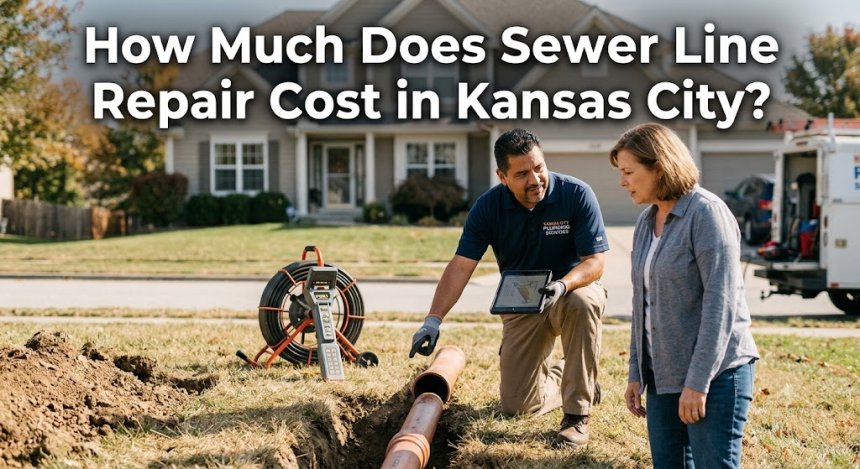
How Much Does Sewer Line Repair Cost in Kansas City?
Planning a sewer line repair in Kansas City? Learn about pricing factors, warning signs, repair methods, timelines, and expert prevention tips.

Need a Plumber in Kansas City, MO?
Plumbing Problem? Call for professional plumbing help.
Get help with emergency plumbing, clogged drains, leaking pipes, water heaters, burst pipes and other residential plumbing problems in Kansas City, Missouri.
Need a Plumber in Kansas City, MO?
Plumbing Problem? Call for professional plumbing help.
Get help with emergency plumbing, clogged drains, leaking pipes, water heaters, burst pipes and other residential plumbing problems in Kansas City, Missouri.
How Much Does Sewer Line Repair Cost in Kansas City?
Dealing with a broken or backed-up main sewer line is every property owner's worst nightmare. Wastewater gurgling back through basement floor drains or pooling in the front yard demands immediate intervention.
For homeowners and business owners across Jackson, Clay, and Platte counties—from historic districts in Midtown, Brookside, and Waldo to expanding subdivisions in Northland, Lee's Summit, and Overland Park—sewer lateral damage is a significant concern. People search for sewer line repair costs online to understand their financial obligations before calling a professional. Knowing what influences repair pricing helps you navigate options confidently and protect your structural investment.
What Is Sewer Line Repair?
Sewer line repair involves restoring or replacing the underground pipe (sewer lateral) that carries wastewater away from your home’s main stack into the municipal city sewer or septic system.
Common Sewer Lateral Scenarios
-
Localized Pipe Repairs: Fixing isolated section breaches caused by joint shifts, localized punctures, or small root invasions.
-
Full Main Lateral Replacements: Replacing or relining the entire underground line from the foundation footprint out to the city connection.
Why Does This Plumbing Problem Happen?
Sewer line failure occurs due to age, environment, and physical stress on underground piping:
-
Tree Root Intrusion: Clay and cast-iron sewer pipes in established neighborhoods naturally attract thirsty tree roots, which enter micro-cracks, expand, and shatter pipe joints.
-
Soil Shifting and Pipe "Bellies": Shifting Midwestern clay soil causes sections of pipe to sag (belly), creating standing water zones where solids settle and choke flow.
-
Pipe Age and Material Decay: Older homes often rely on deteriorating Orangeburg (bituminized fiber), unlined cast iron, or clay pipes that disintegrate over decades.
-
Corrosion from Harsh Chemicals: Years of pouring caustic drain clearers corrodes the bottom of metal sewer lines.
-
Improper Initial Installation: Incorrect line pitch or poorly compacted trench soil leads to premature joint separation.
Warning Signs You Should Never Ignore
Spotting early signals of main lateral distress prevents catastrophic sewage overflows:
-
Multiple Clogged Drains: Tubs, toilets, and sinks draining slowly or backing up simultaneously across the lowest level of the property.
-
Sewer Gas Odors: Foul sulfur or raw sewage smells lingering around floor drains, yard cleanouts, or bathrooms.
-
Lush, Soggy Lawn Patches: Extraordinarily bright green, soft, or sunken spots on the lawn directly above the buried lateral line.
-
Gurgling Toilets: Air bubbles surging through toilet bowls when laundry machines discharge wastewater.
-
Indentations or Sinkholes: Pavement or pavers settling along the pathway of your underground pipe.
Common Plumbing Issues Related to Sewer Line Damage
A compromised main line creates collateral plumbing problems throughout the building:
-
Basement Sewage Backups: Toxic wastewater rising through basement floor drains during heavy rain or laundry cycles.
-
Foundation & Slab Cracks: Subterranean sewer leaks softening soil foundation beds, leading to concrete settling.
-
Repeated Fixture Clogs: Chronic drainage issues affecting sinks, showers, and waste disposals.
-
Mold & Mildew Infestations: Hidden moisture rising from subterranean leaks into floor joists and basement wall cavities.
Step-by-Step Professional Repair Process
Licensed technicians approach sewer line repairs with structured diagnostic and execution steps:
-
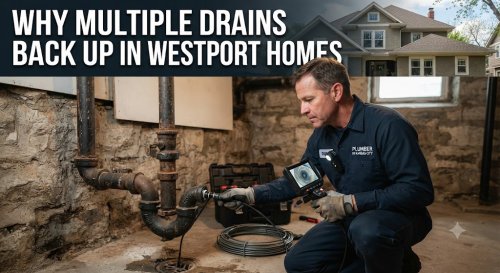
Step 1: Fiber-Optic Camera Inspection
A flexible HD camera is routed through the cleanout to record exact pipe condition, material composition, depth, and damage location.
-
Step 2: Locating & Marking
Electromagnetic locators mark the exact path and depth of the sewer line on the lawn or driveway surface.
-
Step 3: Transparent Upfront Estimate
The technician reviews video findings with you and outlines repair options—such as open-trench excavation or trenchless pipe relining.
-
Step 4: Underground Repair Execution
Using traditional excavation or trenchless technologies (CIPP pipe lining or pipe bursting), the broken sewer pipe is repaired or replaced.
-
Step 5: Camera Verification & Pressure Testing
The repaired line undergoes secondary video inspection and water flow testing to verify structural integrity and proper slope.
-
Step 6: Site Restoration & Cleanup
Trenches are backfilled, equipment is removed, and the property cleanout is secured.
-
Step 7: Long-Term Maintenance Guidance
The plumber provides clear recommendations to safeguard your new line for decades.
Can You Fix It Yourself?
Understanding safety limits prevents dangerous property damage and health hazards.
-
Safe DIY Steps: Clearing debris from visible outdoor cleanout caps, keeping water off while waiting for service, and clearing shallow fixture P-traps.
-
Temporary Fixes: Using a heavy-duty mechanical hand snake to clear surface paper clogs from an accessible cleanout while scheduling an inspection.
-
When DIY Becomes Dangerous: Underground sewer line repair is not a DIY project. Digging near buried utility lines without locator markouts can strike gas or electrical feeds. Attempting home-pipe lining or chemical dumping risks ruining underground infrastructure and polluting local groundwater.
Advanced Tools Professionals Use
Modern sewer service companies rely on specialized machinery to execute long-lasting repairs efficiently:
-
Fiber-Optic Pipe Cameras: Provide real-time, high-resolution footage of internal pipe conditions.
-
Electromagnetic Pipe Locators: Pinpoint underground line depth and direction accurately before digging.
-
Industrial Hydro Jetters: High-pressure water units that blast away roots, scale, and grease before lining pipes.
-
Trenchless CIPP & Pipe Bursting Rigs: Install seamless epoxy liners or pull new HDPE pipe through old lines without destroying landscapes.
How Long Does Sewer Line Repair Usually Take?
| Repair Type | Scope of Work | Estimated Duration |
| Localized Spot Repair | Excavating and replacing a short 5-to-10-foot broken section | 1 Day |
| Trenchless Pipe Lining (CIPP) | Cleaning, inserting, and curing a seamless liner inside the existing pipe | 4 – 8 Hours |
| Full Open-Trench Replacement | Excavating the entire lateral line, installing new PVC, and backfilling | 2 – 3 Days |
| Emergency Lateral Unblocking | Clearing immediate main line blockages to restore basic flow temporarily | 1 – 3 Hours |
Key Factors That Determine Sewer Line Repair Costs
Plumbing repair costs vary depending on the severity of the problem, accessibility, materials required, emergency service, property type, and local labor rates.
-
Diagnostic Camera Fees: Video inspection charges required to pinpoint buried pipe defects accurately.
-
Depth & Line Accessibility: Lines buried 4 feet underground cost less to repair than main pipes buried 10+ feet deep beneath concrete driveways or patios.
-
Repair Method Chosen: Traditional open-trench digging versus non-invasive trenchless pipe lining or pipe bursting.
-
Permit & Utility Markout Fees: Local municipal permits or street cut authorizations required for city sewer main tie-ins.
-
Material Selection: Standard schedule-40 PVC, heavy-duty HDPE, or epoxy resin lining systems.
-
Property Restoration Costs: Landscaping, sidewalk, or asphalt repair required after traditional excavation.
Hidden Truths Homeowners Should Know
-
Small Leaks Become Expensive Repairs: Ignoring minor sewer gas odors or sluggish drains eventually leads to complete line collapse.
-
Cheap Temporary Fixes Often Fail: Chemical clearers or light snaking cut small channels through roots, but roots return quickly without structural pipe sealing.
-
Standard Insurance Rarely Covers Age-Related Sewer Damage: Most homeowners insurance policies exclude line deterioration unless optional sewer line endorsement riders are added.
-
Tree Roots Intrude Repeatedly: Roots grow back into cracked joints every spring until lines are completely relined or replaced.
-
Hard Water & FOG Shorten Lifespans: Grease and scale buildup trap debris, creating corrosive environments inside cast iron.
-
DIY Mistakes Increase Repair Costs: Stripping cleanout threads or jamming rental equipment underground drives repair bills higher.
-
Mold & Bacterial Hazards Develop Fast: Raw sewage exposure inside basements risks severe health hazards within 24 to 48 hours.
15 Common Mistakes Homeowners Make
-
Ignoring Sluggish Drains: Waiting until wastewater backs up into living spaces before taking action.
-
Using Caustic Chemical Drain Cleaners: Pouring aggressive chemicals that corrode metal sewer walls.
-
Flushing Non-Dissolvable Wipes: Discarding synthetic wipes that snag on internal root masses.
-
Pouring Cooking Grease Down Sinks: Letting warm oils harden into dense blockages along sewer lateral walls.
-
Ignoring High Water Pressure: Allowing high supply pressure to strain household fixtures and drain connections.
-
Hiring Unlicensed Handymen: Entrusting underground municipal sewer work to unvetted workers lacking proper permits and insurance.
-
Skipping Annual Inspections: Forgetting routine camera checks on homes older than 30 years.
-
Waiting for After-Hours Emergencies: Delaying minor line maintenance until midnight main line blockages occur.
-
Using Incompatible Underground Fitting Materials: Mixing improper pipe materials without approved transitional couplings.
-
Over-Tightening Cleanout Caps: Stripping cleanout threads, making future line access difficult.
-
Leaving Garden Hoses Attached in Winter: Trapping ice that causes back-pressure down supply and waste lines.
-
Using Waste Pipes as Support Bars: Hanging items from exposed basement sewer stacks.
-
Not Knowing Cleanout Locations: Wasting crucial time searching for the main line access during an active backup.
-
Overloading Waste Disposals: Dumping fibrous food scraps down drains that settle in sagging main lines.
-
Delaying Leak Repairs: Hoping floor dampness or yard sinkholes resolve on their own.
15 Practical Maintenance Tips for Kansas City Property Owners
-
Schedule Periodic Sewer Camera Checks: Inspect older clay or cast-iron lateral lines every 1 to 2 years.
-
Keep Grease Out of Drains: Wipe greasy pans with paper towels and dispose of oils in solid trash bins.
-
Never Flush Personal Hygiene Products: Toss wipes, cotton swabs, and paper towels in the waste basket.
-
Know Your Cleanout Location: Ensure outdoor cleanout caps remain exposed, intact, and easy to access.
-
Mind Underground Tree Roots: Avoid planting deep-rooting trees directly over buried sewer lines.
-
Perform Annual Hydro Jetting: Keep older lines clear of grease and scale with periodic professional jetting.
-
Install a Backwater Valve: Protect basement floor drains from municipal sewer backups during heavy rains.
-
Use Strainers on Sink Drains: Catch hair and solid food particles before they enter main waste lines.
-
Flush Waste Lines with Hot Water: Run hot tap water weekly to push soft residues through P-traps and cleanouts.
-
Check Basement Drains Regularly: Keep basement floor drains clear of boxes, carpet, or storage bins.
-
Monitor Lawn Moisture Patches: Inspect your yard for unusually wet or soft soil along the sewer line path.
-
Upgrade Old Gate Valves: Install reliable quarter-turn ball valves on main water supply lines.
-
Address Slow Drains Early: Schedule service at the first sign of multi-fixture sluggishness.
-
Consider Trenchless Lining Early: Reline aging pipes before structural collapse forces expensive excavation.
-
Add Sewer Line Coverage to Insurance: Contact your insurer to add low-cost underground utility line coverage.
When Should You Call an Emergency Plumber?
Shut off your main water line and contact a professional immediately if you experience:
-
Active Sewage Backups: Raw sewage bubbling up through basement drains, showers, or tubs.
-
Multi-Fixture Blockages: Running one sink causes wastewater to spill into nearby shower basins.
-
Underground Sinkholes: Rapidly sinking lawn or driveway soil above your main sewer line path.
-
Strong Sewer Gas Odors: Pungent smells inside living quarters indicating broken vent stacks or severed underground lines.
-
Total Loss of Household Drainage: Inability to discharge water anywhere without immediate overflow risks.
Frequently Asked Questions
Why is my water pressure suddenly low?
A sudden pressure drop usually indicates a failing Pressure-Reducing Valve (PRV), a partially closed main shut-off valve, or a serious supply line leak.
How much does leak detection cost?
Costs vary based on line accessibility and property size. Specialized diagnostic tools isolate underground or slab leaks non-invasively.
Can a clogged drain damage pipes?
Yes. Severe blockages trap standing water under hydrostatic pressure, putting stress on pipe joints and accelerating internal pipe corrosion.
Is hydro jetting safe for old pipes?
Hydro jetting is safe when preceded by a camera inspection. Technicians calibrate jetting pressure safely to clear old cast iron or clay without damaging pipe walls.
How do I know if my sewer line is broken?
Common signs include multi-fixture backups, sewer gas smells, unusually green lawn patches, or ground sinkholes over the lateral line.
How long do water heaters last?
Traditional tank water heaters last 8 to 12 years, while tankless models last 15 to 20 years with annual maintenance.
Why does my faucet keep dripping?
Faucets drip when internal rubber O-rings wear out, brass valve seats corrode, or ceramic cartridges collect scale deposits.
What causes pipes to burst in winter?
Water inside uninsulated lines freezes, expands, and exerts extreme hydrostatic pressure that ruptures pipe walls.
Can plumbing leaks increase my water bill?
Yes. Even a small hidden leak or running toilet can waste hundreds of gallons of water daily, drastically increasing utility charges.
When should I replace plumbing lines instead of repairing them?
Replace lines when pipes show severe structural collapse, suffer repeated leaks on the same branch, or consist of obsolete materials like Orangeburg or galvanized steel.
Why Choose Plumber in Kansas City?
When dealing with main sewer line damage or backups, you need rapid response, accurate diagnoses, and durable repairs. Plumber in Kansas City provides reliable service tailored to your needs:
-
Experienced Licensed Plumbers: Qualified technicians skilled in video camera inspections, hydro jetting, and sewer line restoration.
-
Upfront Written Estimates: Transparent pricing provided before work begins—no unexpected surprises.
-
Rapid Response & Emergency Availability: Prepared to respond quickly when sewer backups threaten your home.
-
Modern Equipment & Trenchless Tech: Equipped with fiber-optic cameras, digital locators, and trenchless relining gear.
-
Local Expertise: Trusted by property owners across Kansas City and surrounding areas for quality workmanship.