How to Detect Main Water Line Leaks in Blue Hills KC
Spot main water line leaks in Blue Hills, Kansas City. Learn warning signs, causes, repair processes, and when to call Plumber in Kansas City.

Need a Plumber in Kansas City, MO?
Plumbing Problem? Call for professional plumbing help.
Get help with emergency plumbing, clogged drains, leaking pipes, water heaters, burst pipes and other residential plumbing problems in Kansas City, Missouri.
Need a Plumber in Kansas City, MO?
Plumbing Problem? Call for professional plumbing help.
Get help with emergency plumbing, clogged drains, leaking pipes, water heaters, burst pipes and other residential plumbing problems in Kansas City, Missouri.
How to Detect a Main Water Line Leak in Blue Hills, Kansas City
Dealing with a sudden surge in your utility bills or noticing soggy patches in your yard can be stressful. For homeowners in Blue Hills, Kansas City, maintaining the integrity of your property's plumbing is essential, especially given the neighborhood's mix of established homes and shifting seasonal weather. When an underground pipe begins to fail, it rarely announces itself with an obvious indoor flood right away. Instead, it hides underground, quietly eroding soil, damaging foundations, and draining your finances. Understanding how to identify these hidden underground issues early can save you thousands of dollars in structural and property repairs. Plumber in Kansas City is here to help local residents understand what causes these plumbing failures, how to spot the warning signs, and when it is time to bring in a licensed professional.
What Is a Main Water Line Leak?
A main water line leak occurs when the primary pipe supplying pressurized municipal water from the city street meter to your home develops a crack, puncture, or joint separation. Unlike a leaky faucet or a dripping pipe underneath a bathroom sink, the main water line is buried deep underground beneath your lawn, driveway, or foundation.
Common situations involve older service lines shifting due to ground movement or tree roots piercing through minor pipe vulnerabilities. Symptoms range from mysteriously damp spots on your lawn during dry summer months to a noticeable drop in household water pressure across all showers and faucets. For example, if your grass is unusually lush, spongy, and green in a single narrow strip while the rest of your Blue Hills yard is dormant, you are likely looking at a pressurized main line breach beneath the turf.
Why Does This Plumbing Problem Happen?
Main water lines endure constant pressure and environmental stress day in and day out. Several distinct factors contribute to their eventual breakdown:
-
Aging pipes: Many older properties feature galvanized steel or polybutylene pipes that degrade, rust, or become brittle over decades of use.
-
Corrosion: Chemical reactions between minerals in the soil and metal pipes cause exterior pitting and eventual pinhole leaks.
-
Tree roots: Aggressive roots from mature neighborhood trees naturally seek out moisture sources, infiltrating tiny joints or weak spots in underground piping.
-
Hard water: Mineral scale buildup restricts interior flow and weakens pipe walls over time, creating localized structural stress.
-
High water pressure: Municipal water pressure exceeding standard safety thresholds places continuous strain on residential supply lines and joints.
-
Improper installation: Shoddy workmanship, incorrect bedding material, or unaligned fittings during initial setup lead to premature failure.
-
Poor maintenance: Ignoring minor pressure irregularities or minor leaks can accelerate the total deterioration of the service line.
-
Seasonal weather and freeze-thaw cycles: Kansas City experiences severe temperature swings; ground freezing and thawing causes soil expansion and contraction, placing immense mechanical stress on buried pipes.
-
Frozen pipes: Uninsulated lines exposed to deep frost layers can freeze solid, expand, and rupture completely.
-
Clogs and debris: While rare in main supply lines, heavy sediment accumulation can restrict flow and cause localized pressure blowouts.
-
Sewer backups: Severe sewer line issues nearby can destabilize surrounding soil trenches, causing adjacent water lines to sag or crack.
-
Worn plumbing fixtures and connectors: Faulty shut-off valves or pressure-reducing valves (PRVs) can transmit shockwaves back into the main line, weakening joints.
Signs You Should Never Ignore
Spotting a main line failure early depends on recognizing subtle changes around your property. Here are the warning signs that demand immediate attention:
-
Water stains: Unexplained discoloration or peeling paint on lower interior walls or foundation basements.
-
Slow drains: While usually pointing to a local blockage, a total system pressure drop can sometimes accompany complex multi-fixture plumbing distress.
-
Low water pressure: A sudden, simultaneous drop in water volume across every tap in the house.
-
High water bills: A drastic, unexplained spike in your monthly utility statement when your consumption habits have not changed.
-
Damp walls: Interior drywall or masonry feeling cool and moist to the touch without an obvious indoor plumbing source.
-
Mold growth: Musty odors and rapid mold development in lower living areas or crawl spaces due to perpetual subsurface moisture.
-
Strange noises: Bumping, whistling, or hissing sounds (known as water hammer or running water noise) coming from walls or where the line enters your home.
-
Bad smells: Foul, stagnant odors if soil contamination occurs near compromised sewer lines.
-
Standing water: Puddles, soggy sinkholes, or marshy patches forming on your lawn or driveway when it has not rained.
-
Discolored water: Brown, yellow, or rust-tinted tap water caused by dirt or corroded metal entering the broken pipe.
Common Plumbing Problems Related to This Issue
A compromised main water line rarely happens in a vacuum and often triggers or accompanies other stressful property plumbing issues, including:
-
Pipe leaks: Secondary indoor branch lines vibrating or bursting due to unchecked pressure surges.
-
Drain clogs: Intermittent drainage issues caused by shifting foundation soil pinching surrounding utility trenches.
-
Sewer backups: Joint soil erosion affecting both water and sewer lines running parallel in shared utility easements.
-
Water heater failures: Sediment and pressure fluctuations straining tank inlets and reducing equipment lifespan.
-
Burst pipes: Catastrophic failure points occurring when weakened underground lines finally give way completely.
-
Slab leaks: Water escaping underneath concrete floor slabs, undermining structural foundations.
-
Fixture damage: Faucet cartridges, washing machine valves, and toilet fill valves wearing out prematurely from grit and high pressure.
Step-by-Step Professional Repair Process
When you contact a professional team like Plumber in Kansas City, the repair follows a structured, transparent process designed to minimize lawn disruption:
-
Step 1 Inspection: Licensed technicians perform a comprehensive visual evaluation of your property, water meter, and interior fixtures.
-
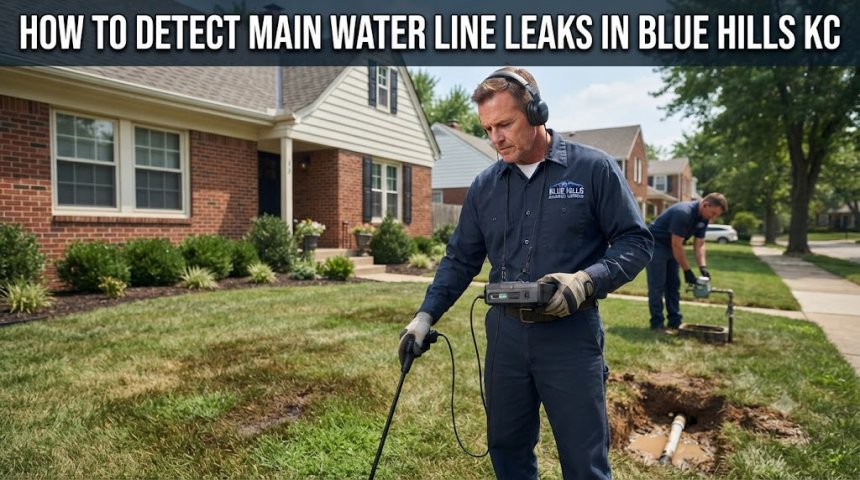
Step 2 Diagnosis: Using specialized electronic acoustic gear, professionals isolate the exact underground location of the leak.
-
Step 3 Estimate: The plumber provides a clear, upfront cost breakdown detailing repair options, materials, and expected timeframes.
-
Step 4 Repair: Technicians excavate the specific failure point safely, replacing damaged sections with modern, durable materials like cross-linked polyethylene (PEX) or copper.
-
Step 5 Testing: The system is pressurized and monitored to ensure absolute integrity and zero ongoing leakage.
-
Step 6 Cleanup: The work area is backfilled, graded, and tidied up, restoring your property to its original condition as closely as possible.
-
Step 7 Maintenance Advice: The plumber provides custom guidance on pressure regulation and ongoing preventative care.
Can You Fix It Yourself?
Main water line repair is never a safe DIY weekend project. Because these lines operate under high municipal pressure and are buried beneath yards or concrete, amateur attempts frequently worsen the damage. While homeowners can safely shut off the main property control valve during an active emergency to prevent flooding, actual excavation and pipe splicing require heavy equipment, specialized plumbing licenses, and adherence to local Kansas City municipal codes. Attempting to patch a high-pressure underground supply line with tape or consumer clamps is dangerous, ineffective, and can result in sudden pipe blowout, severe property erosion, and costly emergency excavation. Always rely on licensed professionals for main line interventions.
Tools Professionals Use
Professional plumbers utilize advanced diagnostic and repair technology to solve underground water line issues accurately without destroying your entire landscaping:
-
Drain cameras: High-resolution waterproof cameras used to inspect interior pipe walls and lateral connections.
-
Leak detection equipment: Advanced acoustic listening devices and thermal imaging cameras that pinpoint underground water movement through concrete and soil.
-
Hydro jetting: High-pressure water streams used to clear stubborn blockages and prep pipe interiors for rehabilitation.
-
Pipe locators: Electromagnetic transmitters and receivers that track the exact underground path and depth of buried water lines.
-
Pressure testing gauges: Precision instruments used to measure static and dynamic system pressure to verify leak isolation.
-
Pipe inspection cameras: Specialized miniature cameras designed for narrow-diameter supply tubing.
-
Trenchless equipment: State-of-the-art pipe-pulling and bursting tools that allow technicians to replace underground lines with minimal surface digging.
These advanced tools ensure diagnostic accuracy, saving homeowners hours of exploratory guesswork and unnecessary lawn excavation.
How Long Does the Repair Usually Take?
Repair timelines vary widely based on the nature of the break and accessibility:
-
Simple repairs: Pinpoint repairs on an exposed basement inlet valve or easily accessible shallow yard line typically take 2 to 4 hours.
-
Moderate repairs: Replacing a standard section of cracked underground residential service pipe generally requires 4 to 8 hours.
-
Major repairs: Extensive trenching, directional boring, or full trenchless line replacements can take 1 to 2 full working days.
-
Emergency repairs: Urgent midnight shut-offs and temporary bypass installations are stabilized immediately, with permanent restoration completed within 24 hours.
Factors affecting this timeline include soil composition, utility line congestion, weather conditions, and whether municipal sidewalk or street cutting is required.
Cost Factors
Understanding what influences the cost of a main water line intervention helps homeowners budget appropriately. Reputable providers avoid fixed blind quotes until an onsite evaluation occurs, focusing instead on key variables:
-
Diagnostic fees: Professional evaluation and electronic leak location services.
-
Parts and materials: Quality and length of replacement piping, fittings, valves, and pressure regulators.
-
Labor: Crew size and specialized labor required for deep manual or machine excavation.
-
Emergency service charges: After-hours, weekend, or holiday dispatch premiums.
-
Equipment needed: Rental or deployment of trenchless boring rigs, hydro-excavators, or heavy digging machinery.
-
Permit costs: Local Kansas City municipal plumbing permit and inspection fees where applicable.
-
Replacement vs repair: Spot repairs are generally more affordable than complete line replacement.
-
Accessibility of pipes: Obstructions such as concrete porches, mature trees, retaining walls, or buried utility lines increase project complexity.
Plumbing repair costs vary depending on the severity of the problem, accessibility, materials required, emergency service, property type, and local labor rates.
Hidden Truths Homeowners Should Know
Operating a home in Blue Hills comes with unique structural realities that every property owner should keep in mind:
-
Small leaks underground never fix themselves; they steadily erode surrounding soil and become expensive structural repairs.
-
Cheap temporary pipe patches often fail under constant municipal water pressure, leading to sudden secondary blowouts.
-
Standard homeowner insurance policies rarely cover damage caused by neglected, worn-out plumbing or gradual underground water seepage.
-
Invasive tree roots can repeatedly target and damage repaired or aging sewer and water lines if preventative barriers are absent.
-
Hard Kansas City water mineral content coats interior pipe walls, gradually shortening the lifespan of plumbing fixtures and appliances.
-
DIY plumbing mistakes nearly always multiply the ultimate professional repair costs by introducing secondary property damage.
-
Delaying minor plumbing repairs invites major foundation settling, damp basements, and expensive structural damage.
-
Hidden underground leaks silently drive up utility bills month after month without any noticeable indoor puddles.
-
Mold develops within 24 to 48 hours of constant moisture exposure, threatening indoor air quality.
-
Annual plumbing maintenance and pressure checks save thousands of dollars over the lifetime of your home.
Taking proactive steps ensures your property remains safe, dry, and structurally sound.
15 Common Mistakes Homeowners Make
Avoiding common pitfalls protects your plumbing system and preserves your household budget:
-
Ignoring minor water bill increases: Assuming higher bills are just municipal rate hikes rather than checking for hidden leaks.
-
Using harsh chemical drain cleaners: Pouring corrosive liquids into sluggish pipes, which degrades older metal joints and accelerates pipe failure.
-
Flushing unflushable items: Treating toilets like trash cans, causing severe downstream backups that strain entire plumbing networks.
-
Pouring grease into kitchen drains: Allowing fats to congeal inside pipes, creating stubborn obstructions that trap debris.
-
Ignoring water pressure problems: Leaving high pressure unchecked, which slowly wears out every valve and joint in the house.
-
Hiring unlicensed handymen: Trusting complex underground structural plumbing to unqualified contractors who skip permits and codes.
-
Skipping annual plumbing maintenance: Failing to inspect water heaters, valves, and main shut-offs proactively.
-
Waiting until a catastrophic emergency: Reacting only when water is flooding the basement instead of addressing early warning signs.
-
Using mismatched pipe materials: Splicing incompatible metals together, which triggers rapid galvanic corrosion and failure.
-
Over-tightening plumbing fittings: Cracking brass or PVC connections by applying excessive torque during minor adjustments.
-
Neglecting outdoor hose bibs: Leaving garden hoses attached during freezing weather, causing indoor supply pipes to burst.
-
Failing to locate the main shut-off valve: Wasting precious minutes during an emergency searching for the water cutoff.
-
Burying makeshift repairs: Covering up faulty amateur patches instead of doing permanent code-compliant work.
-
Disregarding slow underground dampness: Ignoring soft spots in the yard until a sinkhole forms.
-
Skipping municipal utility locates: Digging in the yard without calling 811 to mark underground gas, electric, and water lines first.
Maintenance Tips
Protecting your main water line and home plumbing system requires consistent, sensible care throughout the year:
-
Test your main shut-off valve semi-annually to ensure it turns smoothly and completely stops household water flow.
-
Install a thermal expansion tank if your water heater is on a closed loop system to protect against pressure spikes.
-
Monitor your water meter periodically when all indoor taps are off to check for hidden spinning dials indicating silent leaks.
-
Keep heavy commercial vehicles and large trucks off unpaved residential lawn areas where shallow water lines run.
-
Insulate exposed basement supply lines and crawl space pipes thoroughly before winter temperatures drop.
-
Flush your water heater annually to prevent heavy sediment buildup from straining your home water supply network.
-
Plant large shade trees at a safe distance away from underground utility easement paths.
-
Install a whole-home pressure-reducing valve (PRV) if municipal pressure entering your property exceeds 80 PSI.
-
Check your monthly water statements diligently for unexplained volume increases.
-
Educate all household members on the exact physical location of the emergency water shut-off valve.
-
Schedule a professional plumbing inspection every few years for homes older than thirty years.
-
Avoid planting deep-root shrubs directly above underground water service trenches.
-
Keep gutters and downspouts directed away from your home's foundation perimeter to prevent soil shifting.
-
Clear mineral buildup from faucet aerators regularly to maintain balanced water flow.
-
Never use abrasive chemical snake tools incorrectly inside delicate supply piping.
When Should You Call an Emergency Plumber?
Certain plumbing scenarios demand immediate, professional intervention to protect your family and property:
-
Burst pipes: High-volume water gushing from broken lines, flooding crawl spaces or living areas instantly.
-
Sewage backup: Raw sewage bubbling up through floor drains or toilets, posing severe health hazards.
-
No running water: Total loss of water supply without any reported municipal outage in your area.
-
Overflowing toilet: A persistent fixture overflow that cannot be halted using the local toilet shut-off valve.
-
Major water leaks: Uncontrolled spraying from primary supply lines or ruptured water heaters.
-
Flooding: Rapid accumulation of water in basements threatening electrical panels and structural integrity.
Immediate action prevents catastrophic water damage, electrical hazards, and expensive mold remediation.
Frequently Asked Questions
-
Why is my water pressure suddenly low? A sudden drop usually indicates a partial main line break, a failing pressure-reducing valve, or severe sediment buildup in your fixture aerators.
-
How much does leak detection cost? Costs vary depending on property size and equipment required, but professional electronic detection saves money by pinpointing the exact issue without destructive digging.
-
Can a clogged drain damage pipes? Yes, severe blockages combined with high water pressure can stress pipe joints and lead to cracks or leaks.
-
Is hydro jetting safe for old pipes? Professional plumbers inspect pipe condition first; while excellent for modern lines, highly deteriorated historic pipes require alternative trenchless rehabilitation methods.
-
How do I know if my sewer line is broken? Warning signs include multiple slow drains, foul sewage odors in the yard, gurgling toilets, and soggy lawn patches near the sewer easement.
-
How long do water heaters last? Standard tank water heaters typically last between 8 to 12 years, while tankless units can perform reliably for 20 years with proper maintenance.
-
Why does my faucet drip? Dripping faucets are usually caused by worn-out rubber O-rings, degraded washers, or mineral-corroded valve cartridges inside the handle mechanism.
-
What causes pipes to burst? Pipes burst primarily due to water freezing and expanding inside uninsulated walls or from extreme internal pressure spikes caused by thermal expansion.
-
Can plumbing leaks increase my water bill? Even a tiny pinhole leak or running toilet can waste thousands of gallons of water monthly, causing a dramatic spike in your utility bills.
-
When should I replace plumbing instead of repairing it? If your pipes experience frequent recurring leaks, are made of obsolete materials like polybutylene, or show widespread internal corrosion, full replacement is more cost-effective.
Why Choose Our Plumbing Company
When you face plumbing challenges in Blue Hills and surrounding Kansas City neighborhoods, partnering with a trusted local expert makes all the difference. Plumber in Kansas City is dedicated to delivering transparent, high-quality service tailored to your home's unique needs.
-
Experienced licensed plumbers equipped with rigorous technical training.
-
Honest recommendations focused on practical, long-term solutions rather than quick fixes.
-
Upfront estimates ensuring complete pricing transparency before any work begins.
-
Fast response times for urgent residential and commercial service calls.
-
Emergency availability when unexpected plumbing crises strike.
-
Quality workmanship backed by industry best practices and pride in craftsmanship.
-
Modern equipment designed to diagnose and resolve issues with minimal property disruption.
-
Customer satisfaction rooted in respectful, friendly, and reliable communication.
-
Deep local expertise serving Kansas City and nearby communities with pride.
Contact Plumber in Kansas City today for professional plumbing services you can trust.