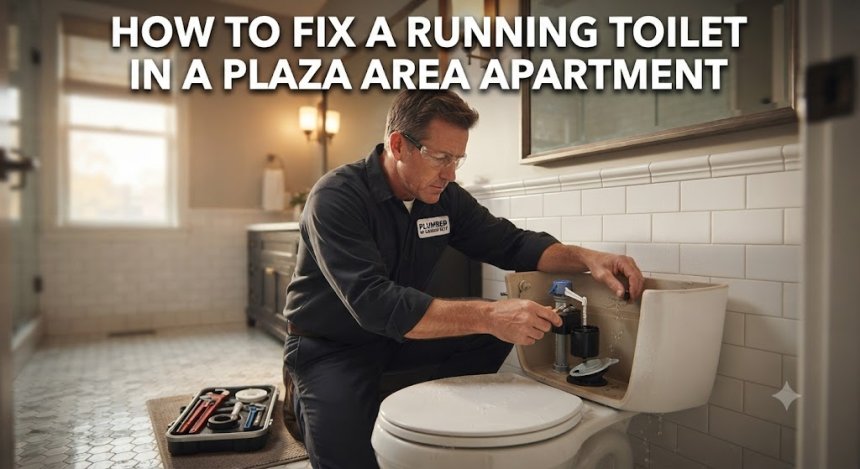
How to Fix a Running Toilet in Plaza Area Apartment
Dealing with a running toilet in your Plaza Area apartment? Discover causes, DIY fixes, warning signs, and when to call a Kansas City plumber.

Need a Plumber in Kansas City, MO?
Plumbing Problem? Call for professional plumbing help.
Get help with emergency plumbing, clogged drains, leaking pipes, water heaters, burst pipes and other residential plumbing problems in Kansas City, Missouri.
Need a Plumber in Kansas City, MO?
Plumbing Problem? Call for professional plumbing help.
Get help with emergency plumbing, clogged drains, leaking pipes, water heaters, burst pipes and other residential plumbing problems in Kansas City, Missouri.
Introduction
Hearing the constant, phantom sound of water trickling inside your bathroom tank long after flushing can drive anyone crazy. For residents living in the vibrant Plaza Area of Kansas City, dealing with multi-story apartment plumbing quirks is a common part of urban living. Nestled within Jackson County near Westport, Midtown, and downtown, the Country Club Plaza features a unique blend of historic mid-rise apartments and modern multi-family complexes. Unfortunately, high-density building infrastructure and heavy daily usage frequently cause internal toilet components to wear down prematurely. Understanding why a toilet runs continuously and knowing how to stop it protects your apartment from wasted water and unexpected utility surcharges.
What Is a Running Toilet?
A running toilet refers to a plumbing malfunction where water flows continuously from the tank into the toilet bowl without stopping after a flush.
Common situations include hearing a faint hissing noise behind your bathroom wall late at night, or noticing that your toilet's fill valve never quite shuts off. Symptoms usually start subtly as an intermittent trickling sound before worsening into a non-stop cascade that wastes hundreds of gallons daily. In Kansas City apartment buildings, this issue is usually caused by a degraded flapper, an unbalanced float, or worn fill mechanisms.
Why Does This Plumbing Problem Happen?
Toilets do not run continuously without a mechanical breakdown or structural misalignment inside the tank assembly.
-
Aging pipes: In older Plaza Area buildings, mineral scale accumulation from local water supplies interferes with flush valve seals.
-
Corrosion: Chemical tablet cleaners dropped into tanks corrode metal chains and degrade rubber flappers over time.
-
Tree roots: While main lines are underground, overall building plumbing stress can occasionally affect multi-unit drainage dynamics.
-
Hard water: Mineral-heavy Kansas City water deposits calcium crust on sealing surfaces, preventing flappers from closing tightly.
-
High water pressure: Excessive building pressure can overpower aging toilet fill valves, causing them to constantly bypass water into the overflow tube.
-
Improper installation: Incorrectly adjusted chain lengths or misaligned flappers prevent proper watertight seals.
Signs You Should Never Ignore
Recognizing early warning signs of a failing toilet mechanism allows you to resolve the problem before it damages your apartment or inflates your bills.
-
Water stains: Discolored patches on bathroom floors or ceilings in the unit below point to hidden leaks or splashing.
-
Slow drains: Simultaneous drainage sluggishness across your apartment points to broader fixture wear.
-
Low water pressure: While distinct, overall plumbing strain can accompany failing multi-family water components.
-
High water bills: A continuously running toilet can waste up to 200 gallons of water daily, drastically shifting utility costs.
-
Damp walls or floors: Moisture pooling around the base of the toilet suggests wax ring or supply line failures.
-
Mold growth: Musty odors and mildew near bathroom baseboards signal chronic, hidden dampness from minor leaks.
-
Strange noises: Hissing, whistling, or hammering sounds echoing from the tank indicate valve stress.
-
Bad smells: Sewer gas odors escaping from dried traps due to erratic water flow.
-
Discolored water: Rust particles stirred up by worn internal tank mechanisms.
Common Plumbing Problems Related to This Issue
A running toilet frequently triggers or accompanies other mechanical and structural failures throughout residential living spaces.
-
Pipe leaks: Constant water flow increases pressure and wear on supply line connections and shut-off valves.
-
Drain clogs: Intermittent running or weak flushes fail to clear waste completely, leading to localized bowl clogs.
-
Fixture damage: Continuous internal moisture rusts tank bolts, corrodes handles, and cracks porcelain seals over time.
-
Water heater failures: While separate, constant water turnover strains shared building infrastructure.
Step-by-Step Professional Repair Process
When you call a licensed Kansas City plumbing team to fix a stubborn running toilet, they execute a precise diagnostic methodology.
-
Step 1 Inspection: Plumbers examine the entire tank mechanism, including the flapper, chain, fill valve, and overflow tube.
-
Step 2 Diagnosis: Technicians isolate whether the problem requires a simple part replacement or a total internal assembly overhaul.
-
Step 3 Estimate: You receive a clear, upfront breakdown of repair options and costs before any work begins in your apartment.
-
Step 4 Repair: The professional installs high-quality replacement parts, adjusting water levels and sealing components to factory specs.
-
Step 5 Testing: The toilet is flushed multiple times to verify that the fill cycle stops cleanly and no water bypasses the seal.
-
Step 6 Cleanup: The workspace is thoroughly sanitized, leaving your Plaza Area apartment pristine.
-
Step 7 Maintenance Advice: Your plumber provides customized guidance on how to prevent future tank failures.
Can You Fix It Yourself?
Homeowners and apartment renters frequently want to know whether fixing a running toilet is a safe do-it-yourself project.
-
Safe DIY solutions: You can easily unhook a tangled flapper chain or wipe mineral scale off a rubber flapper rim.
-
Temporary fixes: Shutting off the wall supply valve between uses stops water waste until professional help arrives.
-
When DIY becomes dangerous: Forcing rusted supply lines or stripping old plastic fill valve nuts can snap lines and flood multi-story buildings.
-
When professional plumbing is necessary: If replacing the flapper and adjusting the float fails to stop the running, certified professional intervention is required.
Tools Professionals Use
Professional plumbing companies rely on specialized tools to service and repair complex bathroom fixtures quickly.
-
Adjustable pliers: Specialized tongue-and-groove pliers safely grip smooth plastic and brass locknuts without cracking porcelain.
-
Bucket and sponges: Essential for bailing residual water out of toilet tanks during component replacements.
-
Basin wrenches: Long-handled tools designed to tighten hard-to-reach nuts underneath toilet bowls and sinks.
-
Digital multimeters and pressure gauges: Used to verify water supply dynamics and prevent valve overpressurization.
How Long Does the Repair Usually Take?
The timeframe required to fix a running toilet depends on the scope of internal component wear.
-
Simple repairs: Replacing a worn flapper or adjusting a chain takes 15 to 30 minutes.
-
Moderate repairs: Replacing an entire fill valve and flush assembly takes roughly 45 minutes to 1 hour.
-
Major repairs: Repairing deep flange cracks or replacing the entire toilet unit takes 1 to 2 hours.
-
Emergency repairs: Immediate response interventions for active overflows begin within an hour of dispatch.
Cost Factors
Plumbing repair and fixture service costs fluctuate based on several distinct variables unique to your living situation.
-
Diagnostic fees: Professional time required to inspect and identify complex tank failures.
-
Parts and materials: Expense of OEM replacement flappers, fill valves, and supply lines.
-
Labor rates: Professional expertise and local labor market pricing structures across Kansas City.
-
Accessibility: Working within compact apartment bathrooms or tight utility closets.
-
Emergency service charges: Additional fees for urgent, after-hours dispatching during nights or holidays.
Plumbing repair costs vary depending on the severity of the problem, accessibility, materials required, emergency service, property type, and local labor rates.
Hidden Truths Homeowners Should Know
Understanding the practical realities of residential plumbing helps you protect your investment in Jackson County.
-
Small, continuous running leaks waste thousands of gallons of water, turning into massive unexpected utility bills.
-
Cheap temporary fixes like drop-in bleach tablets destroy rubber seals and accelerate component failure.
-
Standard apartment leases and insurance policies hold tenants responsible for water damage caused by neglected overflows.
-
Hard water in the Kansas City area silently scales up internal valves, shortening fixture lifespans.
-
Amateur DIY plumbing mistakes on fragile apartment supply lines frequently trigger costly multi-unit flooding.
-
Delaying simple toilet repairs allows internal components to weld themselves together with rust, requiring full replacements.
-
Hidden supply line leaks can saturate subfloors and rot structural wood framing.
-
Modernizing old bathroom fixtures drastically improves water efficiency and apartment comfort.
-
Annual plumbing maintenance and proactive flapper replacements save hundreds of dollars in repair expenses.
15 Common Mistakes Homeowners Make
-
Ignoring phantom flushes: Assuming occasional running sounds will fix themselves over time.
-
Using chemical drop-in tablets: Relying on corrosive bleach blocks that chew up rubber flappers.
-
Over-tightening chain lengths: Leaving zero slack on the flapper chain, preventing watertight seals.
-
Ignoring supply valve leaks: Failing to check old metal shutoff valves that seize up during emergencies.
-
Hiring unlicensed handymen: Trusting apartment repairs to unqualified individuals without proper warranties.
-
Skipping regular maintenance: Never inspecting toilet tanks for mineral scale accumulation.
-
Waiting until overflow strikes: Delaying minor part swaps until a midnight flood occurs.
-
Using mismatched parts: Installing generic replacement valves that do not match specific toilet brand requirements.
-
Forcing rusted bolts: Snapping porcelain tank bases by over-tightening corroded mounting hardware.
-
Ignoring weak flushes: Failing to address sluggish bowl clearing before total blockages happen.
-
Forgetting water shut-offs: Working on toilet tanks without turning off the wall supply valve first.
-
Using incorrect tools: Stripping plastic plumbing nuts with standard household hammers or pliers.
-
Neglecting wax rings: Ignoring foul bathroom odors that indicate a failing toilet base seal.
-
Overlooking float adjustments: Setting water levels too high, causing constant overflow into the tube.
-
Delaying professional help: Putting off expert service until utility bills skyrocket.
Maintenance Tips
-
Inspect flappers annually: Check rubber seals for cracks, warping, or stiffness every twelve months.
-
Clean fill valve screens: Remove and rinse mineral debris from valve inlets to maintain steady flow.
-
Test shutoff valves: Turn wall valves off and on periodically to ensure they do not seize up.
-
Avoid harsh chemicals: Skip drop-in tank cleaners that degrade internal rubber components prematurely.
-
Monitor your water bills: Watch for sudden upward spikes in monthly usage that indicate running toilets.
-
Check chain slack: Ensure the flapper chain has about 1/8 inch of slack when resting.
-
Schedule plumbing checks: Have a licensed Kansas City plumber evaluate your apartment fixtures periodically.
-
Upgrade old hardware: Replace outdated tank assemblies with modern water-saving fill mechanisms.
When Should You Call an Emergency Plumber?
Certain plumbing situations require immediate professional intervention to prevent property damage in multi-family buildings.
-
Uncontrollable overflowing: Water spilling continuously over the toilet bowl rim onto apartment flooring.
-
Broken supply valves: Wall valves snapping off and spraying high-pressure water uncontrollably.
-
Complete sewage backup: Wastewater reversing out of the toilet bowl into the bathroom.
-
Severe ceiling leaks: Water dripping into your apartment from the unit above due to a major pipe failure.
-
Flooding: Standing water accumulating rapidly across bathroom surfaces.
Frequently Asked Questions
Why is my water pressure suddenly low?
A sudden pressure drop typically indicates a partially closed main water valve, a failing pressure-reducing valve, or a hidden supply pipe leak.
How much does leak detection cost?
Leak detection costs vary based on home size and leak complexity, but professional electronic detection saves money by eliminating destructive guesswork.
Can a clogged drain damage pipes?
Yes, severe clogs increase internal pressure and strain pipe joints, occasionally leading to structural cracks or leaks over time.
Is hydro jetting safe for old pipes?
An experienced technician must inspect older historic lines first, as high-pressure water can damage fragile or severely corroded pipes.
How do I know if my sewer line is broken?
Signs include multiple slow drains, gurgling toilets, foul odors in your yard, and soggy patches of grass above the underground pipe path.
How long do water heaters last?
Standard tank water heaters typically last between 8 to 12 years depending on local water hardness and routine maintenance.
Why does my faucet drip?
Dripping faucets are usually caused by worn-out O-rings, rubber washers, or damaged internal ceramic cartridges.
What causes pipes to burst?
Freezing winter temperatures cause water inside pipes to expand, generating extreme pressure that splits metal or plastic lines.
Can plumbing leaks increase my water bill?
Yes, even a minor hidden leak can waste thousands of gallons of water monthly, driving up your utility costs significantly.
When should I replace plumbing instead of repairing it?
If your home features aging, deteriorating pipes prone to frequent clogs and leaks, a complete repiping project is more cost-effective than endless spot repairs.
Why Choose Our Plumbing Company
Partnering with a reliable, local plumbing team ensures your Plaza Area apartment receives expert care backed by honesty, transparency, and superior workmanship.
-
Experienced licensed plumbers: Our certified professionals understand the unique plumbing infrastructure of Kansas City urban apartments.
-
Honest recommendations: We provide clear, straightforward advice without pushing unnecessary repairs or hidden fees.
-
Upfront estimates: You receive transparent pricing before any work begins so you stay in complete control of your budget.
-
Fast response: We respect your time and arrive promptly to resolve urgent plumbing problems efficiently.
-
Quality workmanship: Every repair is executed to strict industry standards for long-lasting reliability and safety.
-
Modern equipment: We utilize state-of-the-art repair tools to protect your apartment property.
-
Customer satisfaction: Our local reputation across Jackson County is built on trust, integrity, and exceptional service.