Emergency Plumber Cost in Kansas City: Pricing Guide
How much does an emergency plumber cost in Kansas City? Learn pricing factors, common after-hours fees, repair timelines, and emergency tips.

Need a Plumber in Kansas City, MO?
Plumbing Problem? Call for professional plumbing help.
Get help with emergency plumbing, clogged drains, leaking pipes, water heaters, burst pipes and other residential plumbing problems in Kansas City, Missouri.
Need a Plumber in Kansas City, MO?
Plumbing Problem? Call for professional plumbing help.
Get help with emergency plumbing, clogged drains, leaking pipes, water heaters, burst pipes and other residential plumbing problems in Kansas City, Missouri.
Emergency Plumber Cost in Kansas City: What Homeowners Need to Know
A plumbing crisis rarely announces itself on a Tuesday afternoon during standard business hours. It usually strikes at 11:00 PM on a Sunday, during a icy holiday weekend in January, or right as you host family for the holidays. When a pipe bursts, sewage backs up into a basement drain, or a main shut-off valve freezes and snaps, panic sets in immediately.
Homeowners and business owners across Jackson, Clay, and Platte counties naturally turn to search engines asking, "How much is an emergency plumber going to cost me right now?"
Understanding after-hours service pricing helps clear up confusion and ensures you know what goes into emergency billings. Knowing how local plumbing companies structure emergency fees empowers you to take control, protect your property from structural water damage, and secure fair, reliable service when every minute counts.
What Is an Emergency Plumbing Cost?
An emergency plumbing cost is the total expense associated with dispatching a licensed plumber outside standard operating hours (typically after 5 PM on weekdays, during weekends, or on major holidays) to address an immediate structural threat to your property.
Common Situations Requiring After-Hours Plumbing
-
Active Water Flooding: Uncontrollable pipe bursts or main line ruptures dumping dozens of gallons per minute into living areas.
-
Total Sewer Line Backups: Raw sewage bubbling up through floor drains, shower bases, or toilets across multiple rooms.
-
Complete Loss of Water Service: Total pressure loss or frozen main lines leaving a household without potable water.
-
Gas Line Leak Hazards: Suspected fuel gas leaks from supply piping or gas-fired water heater assemblies.
Why Do Emergency Plumbing Problems Happen in Kansas City?
Emergency plumbing calls across the metropolitan area are usually driven by specific local environmental and structural factors:
-
Severe Midwest Freeze-Thaw Cycles: Rapid temperature dips cause water inside exposed pipes to freeze, expand, and shatter metal or plastic pipe walls.
-
Aging Historic Piping: Historic neighborhoods like South Kansas City, Midtown, and Brookside often feature decades-old cast iron or terra cotta lines vulnerable to sudden collapse.
-
Aggressive Tree Root Invasion: Mature silver maples and oaks seek out micro-cracks in main sewer lines, creating massive after-hours blockages.
-
Heavy Soil Movement: Shifting clay soils in Jackson and Clay counties put immense strain on underground water service mains, causing sudden fractures.
-
Neglected Wear and Tear: Small drips left unchecked eventually blow out under standard municipal water pressure surges.
Warning Signs You Should Never Ignore
Catching subtle indicators early can save you from calling for urgent after-hours service at midnight:
-
Sudden Drop in Water Pressure: Points to a hidden burst supply line pouring water beneath your slab or behind walls.
-
Unexplained Water Stains: Rapidly spreading discoloration on drywall or ceilings indicating an active leak.
-
Gurgling Fixtures: Toilets bubbling when the washing machine drains signal an impending main sewer backup.
-
Foul Sewer Gas Odors: Gas escaping into basements indicates broken stack vents, dried P-traps, or cracked lines.
-
Running Water Sounds: Hearing rushing water through walls when every faucet and appliance is completely turned off.
-
Damp Walls or Spongy Floors: Moisture seeping up through floorboards indicates an active slab or supply leak.
Common Plumbing Problems Related to Emergency Costs
When emergency technicians arrive, they frequently face interrelated plumbing emergencies:
-
Burst Supply Lines: High water volume tearing through drywalls, cabinetry, and flooring.
-
Slab Leaks: High-pressure hot or cold water lines rupturing underneath concrete slab foundations.
-
Water Heater Tank Ruptures: Aging tanks failing at the base weld, spilling 40 to 80 gallons of water across utility rooms.
-
Sewer Main Disasters: Total line blockages causing waste to overflow into low-lying basement drains.
-
Corroded Shut-Off Valves: Main house valves snapping off when homeowners attempt to stop minor drips.
Step-by-Step Professional Emergency Repair Process
Here is how a professional, licensed plumber handles an urgent after-hours call:
Can You Fix an Emergency Plumbing Issue Yourself?
When water is rushing into your basement, safety and speed matter most.
-
Safe Temporary Fixes: Shutting off individual fixture stops under sinks, turning off your main water valve, or placing buckets under drips.
-
Safe DIY Tasks: Turning off the electrical supply to an overflowing electric water heater or shutting off gas supply valves during minor appliance servicing.
-
When DIY Gets Dangerous: Never attempt to clear main sewer lines with small rental snakes, cut into gas lines, or solder pressurized copper lines without professional licensing. DIY mistakes often turn simple valve replacements into major restoration projects.
Tools Professionals Use During Emergency Service Calls
Professional plumbing vehicles carry specialized, commercial-grade machinery designed to resolve crises quickly:
-
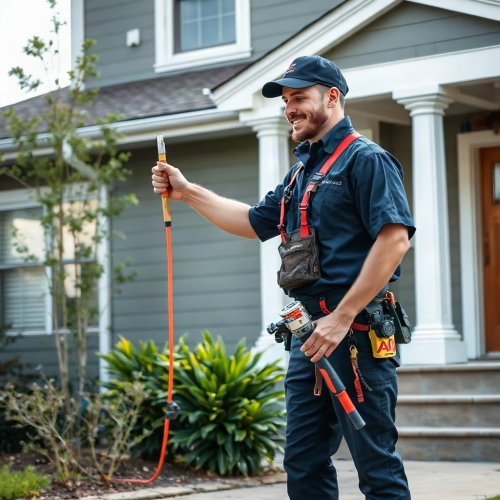
Industrial Hydro Jetters: Blast through tree roots, ice blockages, and grease build-ups inside main lines using high-pressure streams.
-
High-Definition Sewer Cameras: Self-leveling inspection cameras map main lines to pinpoint break locations precisely.
-
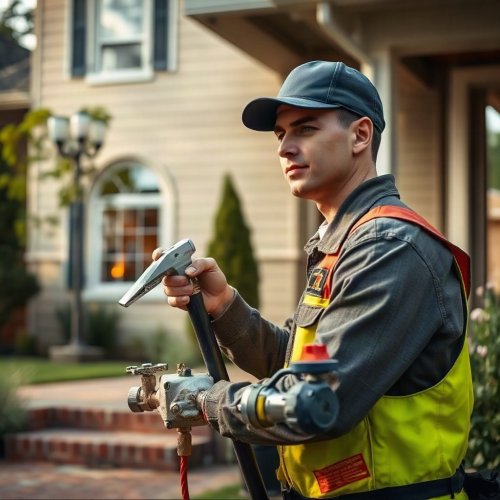
Acoustic & Ultrasonic Leak Detectors: Sensors detect subterranean slab leaks without unnecessarily opening drywalls or concrete slabs.
-
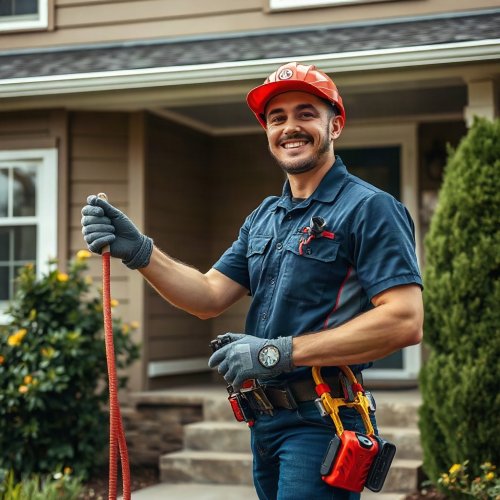
Heavy-Duty Electric Cables & Augers: Clean out tough roots and blockages deep inside 4-inch main sewer drains.
How Long Does an Emergency Repair Take?
| Repair Category | Example Task | Estimated Duration |
| Simple Emergency | Shut-off valve swap, minor pipe patch, fixture isolation | 1 – 2 Hours |
| Moderate Emergency | Water heater swap out, main line sewer clearance | 2 – 4 Hours |
| Major Emergency | Slab leak repair, main water service line replacement | 1 – 2 Days |
| Immediate Stabilization | Turning off main lines, draining pressure, emergency bypass | Under 1 Hour |
Key Factors That Influence Emergency Plumbing Costs
Plumbing repair costs vary depending on the severity of the problem, accessibility, materials required, emergency service, property type, and local labor rates.
-
After-Hours & Premium Dispatch Fees: Covers sending certified technicians during late nights, weekends, or major holidays.
-
Diagnostic & Camera Fees: Includes specialized equipment deployment to inspect deep sewer lines or locate hidden slab leaks.
-
Parts & High-Grade Repair Materials: Costs for brass ball valves, heavy-duty copper, PEX-A lines, or replacement tanks.
-
Labor & Complexity: Working in tight crawlspaces, overhead ceilings, or buried main lines requires more labor hours.
-
Specialized Equipment Surcharges: Hydro jetting rigs, power excavators, or pipe locators add specific machine operation fees.
-
Permit & City Inspection Fees: Structural sewer or gas line replacements require city permits across local municipalities.
Hidden Truths Homeowners Should Know
-
Small Leaks Become Expensive Repairs: A pinhole copper leak left overnight can warp hardwood floors and rot ceiling joists.
-
Cheap Temporary Fixes Often Fail: Quick-fix wraps and tapes are temporary holding measures—they rarely hold high system water pressure for long.
-
Insurance May Not Cover Neglect: Insurance policies often deny water damage claims if the source is linked to long-term, unaddressed corrosion.
-
Tree Roots Repeatedly Damage Sewer Lines: Clearing roots out of a damaged sewer line is a temporary fix; unsealed root intrusions inevitably return.
-
DIY Mistakes Increase Repair Costs: Striping valve threads or cracking PVC fittings during panic fixes doubles the eventual professional invoice.
-
Mold Develops Rapidly: Warm humid air in Missouri allows mold colonies to grow on wet drywall within 24 to 48 hours.
15 Common Mistakes Homeowners Make
-
Ignoring Minor Leaks: Allowing small valve drips to turn into midnight pipe blowouts.
-
Using Caustic Chemical Drain Cleaners: Corrodes old pipes and creates hazardous conditions for plumbing technicians.
-
Flushing Wipes Down Toilets: Wipes bind with grease inside main lines, causing major sewer backups.
-
Pouring Cooking Oil Down the Sink: Frying oil solidifies inside cold pipes, causing line blockages.
-
Ignoring Excessive Water Pressure: Operating over 80 PSI strains pipe joints and valve seals.
-
Hiring Unlicensed Handymen for Emergencies: Lacking liability insurance leaves homeowners responsible for accidental flooding damage.
-
Skipping Annual Inspections: Missing early warning signs like corroded water heater nipples or calcified shut-offs.
-
Waiting Until an Emergency to Find a Plumber: Frantically choosing the first available company without checking credentials.
-
Mixing Dissimilar Metals: Connecting copper directly to steel lines without dielectric unions triggers galvanic corrosion.
-
Over-Tightening Brass & Plastic Connections: Cracking valve housings by applying excessive wrench pressure.
-
Leaving Hoses Connected During Winter Freezes: Water trapped inside spigots freezes backward, splitting indoor lines.
-
Hanging Heavy Storage from Basement Pipes: Straining pipe hangers and breaking soldered copper joints.
-
Not Knowing Where the Main Shut-Off Valve Is: Wasting crucial minutes while water floods the building.
-
Overloading Garbage Disposals: Packing potato skins, bones, or celery stalks into kitchen disposals.
-
Delaying Professional Slab Leak Fixes: Ignoring warm spots on tile floors until structural foundations settle.
15 Practical Maintenance Tips for Property Owners
-
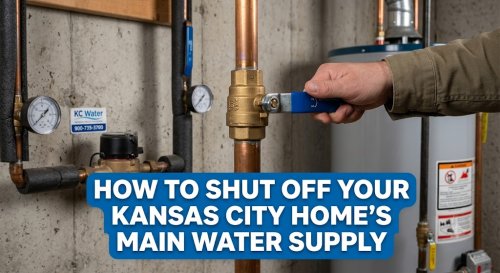
Locate Your Main Valve Today: Label your main water shut-off valve clearly so anyone in your house can turn it off quickly.
-
Test Shut-Off Valves Annually: Turn your main valve on and off once a year to keep internal seals smooth and operational.
-
Disconnect Outside Hoses Before Fall: Remove all hoses from exterior spigots before temperatures drop below freezing.
-
Insulate Pipes in Cold Spaces: Wrap foam insulation around water pipes running through unheated basements, crawlspaces, or garages.
-
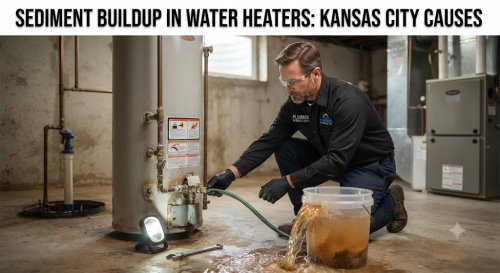
Flush Water Heater Tanks Annually: Drain sediment out of your water heater to prevent tank corrosion and heating element failure.
-
Upgrade Old Gate Valves to Ball Valves: Replace wheel-style valves with reliable quarter-turn brass ball valves.
-
Install Mesh Drain Strainers: Trap hair, soap scum, and debris before they reach your main P-traps.
-
Check Toilet Tanks for Silent Leaks: Put food coloring in your tank; if color bleeds into the bowl without flushing, replace the flapper.
-
Inspect Washing Machine Hoses: Replace rubber supply hoses with braided stainless steel lines every 3 to 5 years.
-
Keep Your Sump Pump Clean: Test your basement sump pump every spring by pouring a bucket of water into the basin.
-
Avoid Using Toilets as Trash Cans: Never flush facial tissues, dental floss, cotton swabs, or wipes.
-
Monitor Water Pressure: Install a cheap hose-bibb pressure gauge to ensure municipal pressure stays below 70 PSI.
-
Trim Tree Roots Near Sewer Lines: Consult an arborist to manage fast-growing trees planted near main sewer runs.
-
Keep Basement Floor Drains Clear: Ensure floor drains near water heaters remain uncovered and accessible.
-
Schedule Annual Whole-Home Inspections: Have a licensed technician evaluate your overall plumbing system once a year.
When Should You Call an Emergency Plumber?
Call for immediate 24/7 professional assistance if you run into any of these critical situations:
-
Active Indoor Pipe Ruptures: Continuous, high-volume water spraying into living areas.
-
Raw Sewage Backing Up: Waste rising through shower drains, tubs, or basement floor drains.
-
Complete Loss of Running Water: No water flowing from any tap throughout your property.
-
Gas Line Odors or Hissing Sounds: Suspected fuel gas leaks from gas water heaters or furnace connections.
-
Ruptured Water Heater Tanks: Massive volumes of water flooding out of hot water storage tanks.
Frequently Asked Questions
Why is my water pressure suddenly low?
A sudden, severe drop in water pressure usually points to a ruptured main supply pipe, a failed pressure-reducing valve (PRV), or a municipal line break.
How much does emergency leak detection cost?
Leak detection costs depend on system complexity and accessibility. Specialized acoustic or thermal detection requires dedicated equipment to locate hidden slab or wall leaks without invasive tearing.
Can a clogged drain damage my home's pipes?
Yes. Complete line blockages trap water under high pressure while letting corrosive wastewater sit against joints and pipe walls.
Is hydro jetting safe for older homes?
Hydro jetting is safe when preceded by a high-definition video camera inspection to confirm the pipe walls remain structurally sound.
How do I know if my sewer line is broken?
Common signs include recurring multi-fixture backups, foul sewer odors in the basement, extra lush patches of grass in the yard, or sunken spots along your lawn.
How long do water heaters last?
Standard tank water heaters generally last 8 to 12 years. Tankless systems can last 15 to 20 years with annual maintenance and flushing.
Why does my faucet keep dripping?
Faucets drop when internal rubber O-rings degrade, brass seats corrode, or ceramic cartridges wear out.
What causes pipes to burst in winter?
Water trapped inside uninsulated pipes freezes, expands, and exerts extreme internal pressure, splitting metal or plastic pipe walls.
Can minor plumbing leaks increase my water bill?
Yes. A silent leak running down a toilet tank can waste hundreds of gallons per day, significantly spiking monthly utility charges.
When should I replace plumbing lines instead of repairing them?
Consider full replacement when pipes display widespread corrosion, experience frequent leaks across the same section, or consist of obsolete materials like lead or galvanized iron.
Why Choose Plumber in Kansas City?
When a midnight plumbing disaster threatens your home, you need rapid response, clear communication, and reliable work. Plumber in Kansas City delivers dependable after-hours service throughout the region:
-
Experienced Licensed Technicians: Fully certified plumbers equipped to handle complex emergency line repairs, gas line safety, and sewer restoration.
-
Upfront, Honest Pricing: Clear estimates before work starts—no hidden surprises during late-night service calls.
-
Fast Emergency Response: 24/7 emergency dispatch to protect your structure when flooding strikes.
-
Advanced Diagnostic Tools: Utilizing high-definition drain cameras, hydro jetting rigs, and acoustic leak detectors for accurate solutions.
-
Local Community Trust: Proudly serving residential and commercial properties across Kansas City and nearby communities with quality workmanship.
Website: