Common Causes of Low Water Pressure in Kansas City Homes
Discover why your Kansas City home is experiencing low water pressure. Learn common causes, from mineral buildup to plumbing leaks, and when to call a professional plumber.

Need a Plumber in Kansas City, MO?
Plumbing Problem? Call for professional plumbing help.
Get help with emergency plumbing, clogged drains, leaking pipes, water heaters, burst pipes and other residential plumbing problems in Kansas City, Missouri.
Need a Plumber in Kansas City, MO?
Plumbing Problem? Call for professional plumbing help.
Get help with emergency plumbing, clogged drains, leaking pipes, water heaters, burst pipes and other residential plumbing problems in Kansas City, Missouri.
Dealing with a weak trickle from your showerhead or a kitchen faucet that barely fills a glass can make everyday household tasks frustrating. Low water pressure is a common issue for homeowners throughout the Kansas City metropolitan area, affecting everything from appliance efficiency to daily comfort. Pinpointing the exact cause requires understanding how your home's plumbing system distributes water and where bottlenecks tend to form.
Understanding Water Pressure Basics
Water pressure is determined by municipal supply levels, gravity, elevation changes, and the condition of your home’s internal piping. In Kansas City, municipal water systems deliver water to neighborhoods at set pressures, but the journey from the street main to your indoor fixtures involves several control points. When pressure drops suddenly or gradually across your entire property, or at a single fixture, it points to a specific mechanical or structural restriction.
Mineral Buildup and Sediment Blockages
One of the most frequent culprits behind localized low water pressure is mineral accumulation. Hard water contains dissolved calcium and magnesium. Over time, as water moves through your pipes, fixtures, and water heater, these minerals precipitate and leave behind scale deposits.
Aerators on kitchen and bathroom faucets easily trap this debris, restricting the flow of water until they are unscrewed and cleaned. Similarly, showerheads can become choked with mineral scale, reducing output. If the blockage is deeper inside the supply pipes, cleaning individual fixtures may only offer a temporary fix.
Corrosion in Aging Pipes
Many historic and older neighborhoods across Kansas City feature homes built decades ago, which may still contain galvanized steel plumbing. Over decades of service, galvanized pipes are prone to internal rust and mineral buildup that progressively narrows the interior diameter of the pipe. As the pathway becomes constricted, water volume and pressure drop noticeably. When corrosion advances too far, pipe replacement or repiping becomes necessary to restore full flow.
Faulty Pressure Reducing Valves (PRV)
Most modern homes are equipped with a Pressure Reducing Valve (PRV) designed to protect indoor plumbing fixtures from excessively high municipal water pressure. When a PRV fails, it often defaults to a closed or restricted position, choking off water supply to the entire house. If you notice a sudden drop in water pressure across every bathroom, kitchen, and laundry room simultaneously, checking or testing the PRV is a critical step.
Hidden Leaks Within the Plumbing System
A hidden leak can divert water away from your fixtures, leading to a noticeable drop in pressure. Whether it is a slow leak behind a wall, underneath a concrete slab, or along the main supply line running from the street to your foundation, escaping water compromises system pressure. Monitoring your water meter when all fixtures are turned off can help determine if an active, hidden leak is reducing your home's water pressure.
Municipal Supply and Shutoff Valve Issues
Sometimes the issue originates outside your home. Main water line repairs or upgrades by the local utility provider in your specific Kansas City neighborhood can temporarily reduce pressure. Additionally, verify that your main water shutoff valve—typically located near the water meter or where the main line enters the basement or crawlspace—is fully open. A partially closed valve restricts the volume of water entering your home.
When to Consult a Professional Plumber
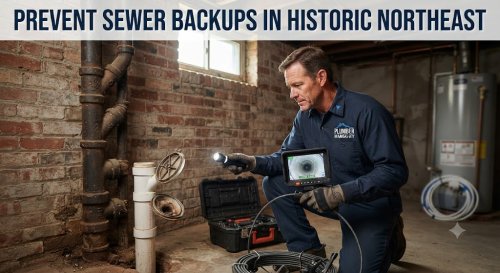
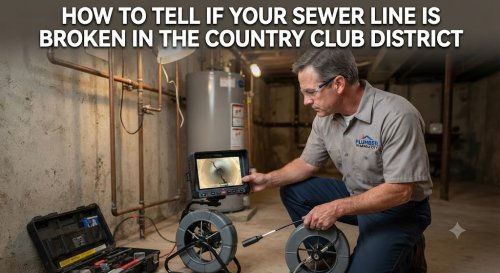
While cleaning a clogged faucet aerator is a straightforward DIY task, persistent or systemic low water pressure requires professional diagnosis. Plumbers utilize specialized pressure gauges, acoustic leak detection equipment, and camera inspections to evaluate pipe integrity, test PRV performance, and identify hidden blockages or leaks without unnecessary demolition.
Frequently Asked Questions
Why is low water pressure affecting only one faucet?
If only a single fixture has low pressure, the issue is almost always localized to that specific aerator, cartridge, or shutoff valve. Unscrewing the aerator to check for mineral debris is usually the first troubleshooting step.
How can I tell if my PRV is broken?
A failing Pressure Reducing Valve typically causes a uniform drop in water pressure throughout the entire house. A professional can attach a pressure gauge to an outdoor spigot to measure the output accurately and determine if the PRV needs adjustment or replacement.
Can cold winter temperatures cause low water pressure?
In Kansas City, freezing winter temperatures can cause partial ice blockages inside pipes situated in unheated crawlspaces or exterior walls. This restricts water flow until the ice thaws safely.