Prevent Frozen Pipes in Kansas City Northland Home: Expert Guide
Learn how to prevent frozen pipes in your Kansas City Northland home with practical tips on insulation, heating, and when to call a plumber.

Need a Plumber in Kansas City, MO?
Plumbing Problem? Call for professional plumbing help.
Get help with emergency plumbing, clogged drains, leaking pipes, water heaters, burst pipes and other residential plumbing problems in Kansas City, Missouri.
Need a Plumber in Kansas City, MO?
Plumbing Problem? Call for professional plumbing help.
Get help with emergency plumbing, clogged drains, leaking pipes, water heaters, burst pipes and other residential plumbing problems in Kansas City, Missouri.
Introduction
Winter in the Kansas City Northland brings a unique charm, but it also brings plummeting temperatures that can spell disaster for unprepared homeowners. Few things are more stressful than waking up to a freezing morning in Clay or Platte County, only to find no running water or, worse, discovering a gushing leak from a burst pipe. Frozen pipes are a common, yet largely preventable, winter plumbing emergency. Understanding why pipes freeze, recognizing the warning signs, and taking proactive steps to protect your home’s plumbing is crucial. This comprehensive guide, brought to you by your trusted local plumbing experts, will walk you through everything you need to know to safeguard your Northland home from costly winter water damage.
What Are Frozen Pipes and Why Do They Matter?
A frozen pipe occurs when the water inside a supply line turns to ice. As water freezes, it expands by approximately 9%, exerting immense pressure on the pipe walls, regardless of whether the pipe is made of metal or plastic. This pressure is what ultimately causes the pipe to rupture or burst.
When a pipe bursts, it can release hundreds of gallons of water into your home in a very short time, leading to severe structural damage, ruined drywall, warped flooring, and the growth of hazardous mold. In the Kansas City area, where temperatures can drop well below freezing during deep winter cold snaps, the risk is significant.
Common situations include pipes located in unheated areas, such as attics, basements, crawlspaces, and garages, or pipes running along exterior walls where insulation is inadequate. Immediate attention is vital because once a pipe bursts, it becomes a major restoration project rather than a simple plumbing repair. Homeowners search for this topic in late fall and winter to avoid the heartache and expense of dealing with flooded basements or ceilings.
Why Do Pipes Freeze?
Pipes freeze when exposed to extremely cold temperatures. Several factors contribute to this vulnerability, particularly in older or poorly insulated homes in the Northland.
-
Lack of Insulation: Pipes in unheated or poorly insulated spaces (like attics, crawlspaces, and garages) are the most susceptible. Without a thermal barrier, they quickly reach ambient freezing temperatures.
-
Extreme Weather: The primary cause is prolonged exposure to severe cold, especially when accompanied by wind chill, which accelerates heat loss.
-
Exterior Wall Exposure: Plumbing pipes running through exterior walls have very little protection from outdoor temperatures, particularly on north-facing walls that receive less sun.
-
Thermostat Settings: Setting the thermostat too low, especially when you are away from home, allows the interior temperature of walls and unoccupied rooms to drop below freezing.
-
Cracks and Gaps: Small cracks in foundation walls or gaps around utility entry points allow cold drafts to blow directly onto pipes.
Practical Example: Imagine a severe arctic blast hits Kansas City, with temperatures dipping to -5°F. A garden hose left connected to an outdoor spigot prevents the faucet from draining. Ice forms in the spigot, travels backward into the copper pipe inside the garage wall, expands, and splits the pipe. When the temperature rises slightly, the ice thaws, and water sprays throughout the garage, damaging stored items and potentially the home's foundation.
Signs You Should Never Ignore
Detecting a frozen pipe early can prevent it from bursting. Be vigilant for these warning signs during cold weather.
-
No or Low Water Flow: If you turn on a faucet and only a trickle comes out, or nothing at all, a section of the pipe supplying that faucet is likely frozen.
-
Strange Noises: Hissing, gurgling, or banging sounds coming from your pipes can indicate trapped air or that ice blockage is forming or shifting.
-
Unpleasant Odors: A foul smell coming from a drain can sometimes be caused by frozen water preventing proper venting of sewer gases.
-
Visible Frost: Check accessible pipes in crawlspaces or unfinished basements for visible signs of frost or ice crystals.
-
Discolored Water: If water from a tap appears rusty or discolored, it could indicate corrosion and weakness related to repeated freezing cycles.
-
Damp Walls or Ceilings: While not always a sign of freezing, damp spots appearing on drywall can indicate a small leak or crack resulting from a previous freeze that has now thawed.
Common Plumbing Problems Related to This Issue
Frozen pipes are often part of a cascade of plumbing failures.
-
Pipe Leaks: Even if a pipe doesn't fully burst, small fractures can develop, leading to slow leaks that cause long-term water damage within wall cavities.
-
Burst Pipes: This is the worst-case scenario, resulting in massive water release and flooding.
-
Water Heater Failure: The pressure from frozen pipes can sometimes damage water heater inlet and outlet valves.
-
Fixture Damage: Faucets and shower valves can be damaged internally by excessive pressure or ice expansion.
-
Sewer Backups (Indirectly): While not directly caused by freezing supply lines, extreme cold can affect main sewer lines if not buried deeply enough, leading to blockages.
Step-by-Step Professional Repair Process
If you suspect a pipe has frozen or burst, it is crucial to call a licensed plumber immediately to mitigate damage. Here is what you can expect from a professional repair process:
-
Step 1 Inspection: The plumber will locate the frozen or burst section of the pipe using professional diagnostic tools, including thermal imaging cameras if necessary.
-
Step 2 Diagnosis: They will assess the extent of the damage and determine if the pipe needs repair (a coupling patch) or full replacement. They will also check for other vulnerable areas.
-
Step 3 Estimate: You will receive a clear, upfront estimate for the repair, including parts, labor, and any emergency service fees.
-
Step 4 Repair: The plumber will safely thaw the pipe (if not already burst) using specialized equipment like pipe thawing machines, and repair or replace the damaged section using code-compliant materials.
-
Step 5 Testing: Once repaired, the system is pressurized and thoroughly tested to ensure there are no leaks and water flow is restored.
-
Step 6 Cleanup: Professional plumbers take care to clean up any water or debris resulting from the repair work.
-
Step 7 Maintenance Advice: Before leaving, they will provide you with specific advice and preventative measures to ensure the problem does not recur.
Can You Fix It Yourself?
For minor frozen pipe issues, there are safe DIY steps you can take. However, knowing when to stop is critical.
-
Safe DIY Solutions:
-
Open Faucets: Turn on both hot and cold faucets connected to the frozen pipe. This relieves pressure and allows water to flow once the ice melts.
-
Apply Heat: Use a hairdryer, heat lamp, or towels soaked in hot water to gently warm the frozen section of the pipe. Start from the faucet end and work your way back.
-
Keep Cabinets Open: Open kitchen and bathroom cabinet doors to allow warmer household air to circulate around plumbing under sinks.
-
-
When DIY Becomes Dangerous:
-
Never Use Open Flames: Avoid using blowtorches, propane heaters, or any open flame device to thaw pipes. This is an extreme fire hazard.
-
Electrical Hazards: Do not use electrical appliances like hairdryers in areas with standing water.
-
Forcing Pipes: Do not attempt to bend or force frozen pipes, as they are brittle and will crack.
-
-
When Professional Plumbing is Necessary: If you cannot locate the freeze, if the frozen pipe is inside a wall, if the pipe has already burst, or if you are uncomfortable with any thawing methods, it is time to call a professional plumber.
Tools Professionals Use
Plumbers use specialized equipment to safely and effectively handle frozen and burst pipes.
-
Pipe Thawing Machines: These electrical devices safely heat metal pipes from the outside.
-
Drain Cameras: Used to inspect the interior of pipes for damage.
-
Thermal Imaging Cameras: Identify cold spots behind walls where pipes are freezing.
-
Leak Detection Equipment: Acoustic devices pinpoint the exact location of hidden leaks.
-
Pipe Cutters and Joining Tools: For professional repair or replacement of damaged pipe sections.
How Long Does the Repair Usually Take?
The time required depends entirely on the complexity of the situation.
-
Simple Repairs: Thawing an easily accessible frozen pipe typically takes 1 to 2 hours.
-
Moderate Repairs: Replacing a small burst section of pipe in an accessible area takes 2 to 4 hours.
-
Major Repairs: Extensive repiping of sections within walls can take 1 to 3 days depending on the extent of damage and access.
-
Emergency Repairs: Immediate response to stop water flow happens within an hour, with total repair time dependent on the damage.
Cost Factors
Plumbing repair costs vary, but you can plan based on these factors.
-
Diagnostic fees: The cost for a plumber to locate the issue.
-
Parts and materials: Cost of new piping (copper, PEX), fittings, and insulation.
-
Labor rates: Local labor rates in the Kansas City metro area.
-
Accessibility: Pipes hidden behind walls or in difficult-to-reach crawlspaces require more labor.
-
Emergency service charges: Higher rates for after-hours or weekend calls.
-
Extent of damage: The cost to repair the pipe itself is separate from repairing water damage to your home.
Plumbing repair costs vary depending on the severity of the problem, accessibility, materials required, emergency service, property type, and local labor rates.
Hidden Truths Homeowners Should Know
-
Small leaks from hairline fractures often go unnoticed, leading to significant structural rot and mold growth over time.
-
Chemical de-icers used on driveways can sometimes affect underground plumbing if not applied correctly.
-
Insurance claims for water damage from burst pipes may be denied if negligence (e.g., turning off heat entirely) can be proven.
-
Older homes with original plumbing are at a much higher risk due to weaker pipe integrity.
-
Proper maintenance and preventative measures are vastly cheaper than the cost of a single emergency burst pipe repair and water cleanup.
15 Common Mistakes Homeowners Make
-
Ignoring slow water flow: Thinking a trickle is normal in cold weather.
-
Setting the thermostat too low while on vacation.
-
Leaving garden hoses connected to outdoor spigots.
-
Failing to insulate pipes in unheated areas (garages, attics, crawlspaces).
-
Not locating the main water shut-off valve before an emergency strikes.
-
Using open flames to thaw pipes.
-
Closing off interior doors to rooms with plumbing on exterior walls.
-
Assuming newer homes are immune to freezing pipes.
-
Neglecting to seal cracks in foundations and walls near pipes.
-
Relying solely on space heaters, which can be fire hazards and don't heat inside walls.
-
Over-tightening pipe fittings during DIY repairs.
-
Using incorrect pipe materials for repairs (e.g., mixing copper and galvanized steel).
-
Delaying calling a plumber at the first sign of trouble.
-
Not draining outdoor irrigation systems properly in the fall.
-
Skipping annual plumbing check-ups.
Maintenance Tips
-
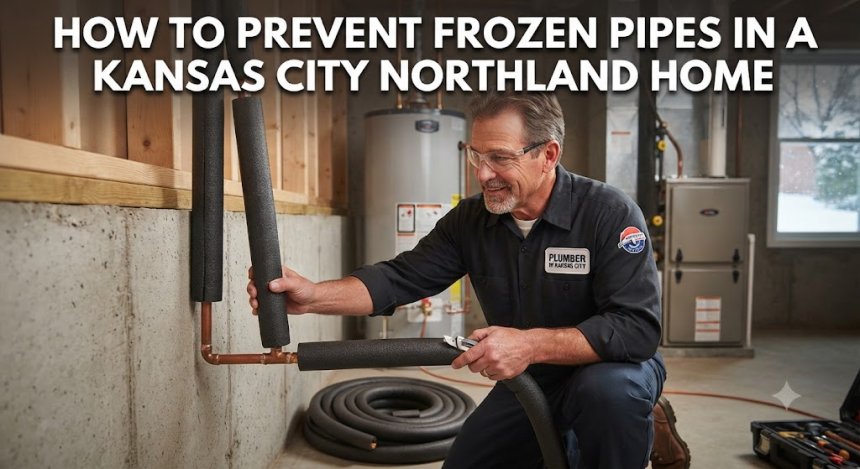
Insulate Vulnerable Pipes: Use pipe sleeves or wrapping insulation on all pipes in unheated areas.
-
Seal Air Leaks: Use caulk or insulation to seal gaps around pipes where they enter the house.
-
Disconnect Hoses: Always detach, drain, and store garden hoses before the first hard freeze.
-
Let Faucets Drip: During extreme cold snaps, allow both hot and cold water to drip slightly from faucets served by exposed pipes.
-
Keep Interior Doors Open: Allow warm air to circulate freely through your home, especially near exterior walls.
-
Maintain Consistent Heat: Keep your thermostat set to at least 55°F, even when you are away.
-
Open Cabinet Doors: Let warm air reach plumbing under kitchen and bathroom sinks located on exterior walls.
-
Know Your Shut-Off: Ensure every adult in your home knows exactly where the main water shut-off valve is and how to use it.
-
Winterize Irrigation Systems: Blow out and shut off all exterior sprinkler lines in late fall.
-
Heat Your Garage: If your garage is attached and has plumbing, keep it heated or insulated.
-
Install a Freeze Alarm: Consider a smart home device that alerts you if the temperature in your home drops to dangerous levels.
-
Drain Pipes if Away: If you plan to be away for an extended period during winter, drain your water system or have someone check your home daily.
-
Check Exterior Vents: Ensure foundation vents are closed for winter but be cautious not to seal the home too tightly, which can cause other issues.
-
Insulate Crawlspace Vents: Properly cover crawlspace vents during winter while ensuring some ventilation to prevent moisture buildup.
-
Call a Professional: Schedule an annual winterization inspection with a trusted Kansas City plumber.
When Should You Call an Emergency Plumber?
-
No water from any faucet in the house (indicates the main line or meter is frozen).
-
Visible cracks, bulging, or leaking from any pipe.
-
Water is actively gushing into your home.
-
You smell gas near your water heater or furnace.
-
You are unable to locate or operate your main water shut-off valve.
Frequently Asked Questions
Why is my water pressure suddenly low in winter?
Low pressure is often the first sign of a partial ice blockage in a supply line.
How much does burst pipe cleanup cost?
Cleanup costs vary greatly based on the extent of water damage and often require professional restoration services in addition to plumbing repairs.
Can a clogged drain freeze?
Yes, slow-moving water in a partially clogged drain is more susceptible to freezing.
Is hydro jetting safe for old pipes in winter?
Hydro jetting is generally safe, but an inspection by a plumber is required to ensure old pipes can withstand the pressure.
How do I know if my sewer line is frozen?
Signs include multiple slow drains, sewage odors, and gurgling toilets during extreme cold.
How long do water heaters last in KC?
Water heaters typically last 8 to 12 years, with maintenance extending their lifespan.
Why does my faucet drip when it's cold?
Temperature changes can cause washers and O-rings to contract, leading to drips.
What causes pipes to burst in winter?
The expansion of freezing water creates immense pressure that splits pipe walls.
Can plumbing leaks increase my water bill in winter?
Yes, even a small, unnoticed leak from a freeze fracture can waste significant water.
When should I replace plumbing instead of repairing it?
If pipes are old, corroded, and have repeatedly frozen, full replacement is the most cost-effective long-term solution.
Why Choose Our Plumbing Company
We are your dedicated Kansas City Northland plumbing partners, committed to providing honest, reliable, and expert service. When you choose us, you get:
-
Experienced licensed plumbers who know the specific challenges of KC winters.
-
Honest recommendations and upfront estimates before any work begins.
-
Fast response times for emergency situations, day or night.
-
Quality workmanship and modern equipment for lasting repairs.
-
Local expertise serving communities throughout the Northland.