Frozen Pipe Repair in Kansas City: What to Do When Pipes Freeze
Discover what to do during a winter freeze in Kansas City. Learn how to safely handle frozen pipe repair and prevent costly water damage in your home.

Need a Plumber in Kansas City, MO?
Plumbing Problem? Call for professional plumbing help.
Get help with emergency plumbing, clogged drains, leaking pipes, water heaters, burst pipes and other residential plumbing problems in Kansas City, Missouri.
Need a Plumber in Kansas City, MO?
Plumbing Problem? Call for professional plumbing help.
Get help with emergency plumbing, clogged drains, leaking pipes, water heaters, burst pipes and other residential plumbing problems in Kansas City, Missouri.
Winter temperatures across the Kansas City metropolitan area can plummet rapidly, bringing freezing winds and deep overnight freezes. When outdoor temperatures drop well below freezing, residential plumbing systems—especially those located in uninsulated exterior walls, crawlspaces, or unfinished basements—face a serious risk of freezing. Dealing with a frozen plumbing line requires prompt attention and careful handling to prevent a minor inconvenience from turning into a major indoor flood.
Recognizing the Warning Signs of Frozen Pipes
Catching a frozen pipe before it splits is critical for protecting your property. Homeowners in Kansas City often notice several common indicators when water begins to freeze inside supply lines:
- Little to no water flow: Turning on a kitchen or bathroom faucet and getting only a trickle or complete silence is the most direct sign of an ice blockage.
- Frost on exposed pipes: Metal supply lines running through crawlspaces or basement ceilings may develop a visible layer of frost or condensation.
- Unusual odors: Sometimes, frozen waste or stagnant air in blocked drain lines can cause strange smells, though supply lines typically just cut off flow.
- Banging or clanking sounds: As water expands inside a confined metal or plastic pipe, it can create ticking or knocking noises.
Immediate Steps for Safe Thawing
If you suspect a pipe is frozen, acting quickly can prevent the material from bursting as the ice expands. However, safety must always come first.
- Locate the main water shutoff valve: Ensure you know how to turn off your home's main water supply quickly in case the pipe has already cracked and begins to leak once pressure shifts.
- Keep the affected faucet open: Leave the tap running slightly while you attempt to thaw the line. This allows melting ice and releasing pressure to escape safely through the drain.
- Apply gentle heat: Use a hair dryer, heating pad, or warm towels wrapped around the exposed section of the pipe. Begin thawing closest to the faucet and work your way back toward the cold source.
- Never use open flames: Avoid torches, propane tanks, or any open-flame devices to thaw pipes. This creates an extreme fire hazard and can cause PVC or copper pipes to rupture violently due to sudden, uneven heating.
Why Kansas City Winters Test Plumbing Systems
Older homes throughout historic Kansas City neighborhoods, as well as newer constructions with exposed garage plumbing, experience unique winter challenges. Rapid temperature fluctuations—where daytime highs above freezing are followed by sub-zero overnight lows—cause ground shifting and put stress on vulnerable water lines. Pipes running near drafty foundation vents or poorly sealed rim joists are particularly susceptible to winter weather extremes.
When to Call a Professional for Frozen Pipe Repair
While minor surface freezes on accessible indoor lines can sometimes be safely thawed by homeowners, many situations require professional intervention. You should contact a qualified plumber in Kansas City if:
- The frozen section is located inside an exterior wall, under a concrete slab, or in an inaccessible ceiling cavity.
- The pipe has already burst, resulting in an active water leak or spraying once the water is turned back on.
- You cannot locate the main water shutoff valve or the valve is stuck and will not close completely.
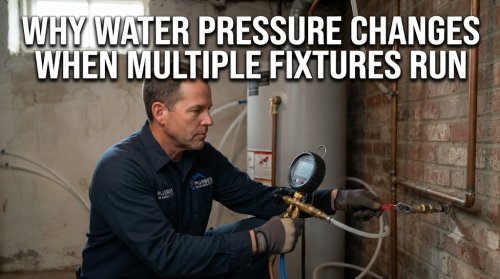
- Multiple fixtures throughout the house lose water pressure simultaneously, indicating a deep service line freeze.
Preventing Future Pipe Freezes
Mitigating future winter plumbing emergencies involves proactive preparation before the next deep freeze hits the Kansas City area:
- Insulate vulnerable areas: Wrap foam pipe insulation around water lines located in unheated crawlspaces, attics, and garages.
- Seal air leaks: Check your foundation and exterior walls for cracks or gaps near plumbing penetrations and seal them with caulk or expanding foam.
- Maintain steady indoor temperatures: Keep your thermostat set to a consistent temperature day and night during severe cold snaps, and let cabinet doors under kitchen and bathroom sinks stay open to allow warm indoor air to circulate around plumbing.
- Disconnect outdoor hoses: Remove garden hoses from outdoor spigots and shut off the interior isolation valves if your home is equipped with frost-free sillcocks.
Frequently Asked Questions
How fast can a pipe freeze in Kansas City winter weather?
When temperatures drop below 20 degrees Fahrenheit, particularly with strong wind chills, unprotected pipes in exterior walls can freeze in just a few hours.
Should I keep my faucets dripping during a freeze?
Allowing a small, continuous trickle of water to run through vulnerable faucets during extreme cold can relieve internal pressure and significantly reduce the likelihood of freezing.
What should I do if a frozen pipe bursts?
Immediately shut off the main water supply to stop flooding, open nearby faucets to drain remaining water from the system, and contact an emergency plumber in Kansas City for professional burst pipe repair.