Common Causes of Water Leaks in Kansas City Homes | Expert Plumbing Insights
Discover the most frequent causes of water leaks in Kansas City homes, from freezing winter conditions to aging plumbing systems, and learn how to protect your property.


Need a Plumber in Kansas City, MO?
Plumbing Problem? Call for professional plumbing help.
Get help with emergency plumbing, clogged drains, leaking pipes, water heaters, burst pipes and other residential plumbing problems in Kansas City, Missouri.
Need a Plumber in Kansas City, MO?
Plumbing Problem? Call for professional plumbing help.
Get help with emergency plumbing, clogged drains, leaking pipes, water heaters, burst pipes and other residential plumbing problems in Kansas City, Missouri.
Water leaks can quietly damage a residential property long before a visible puddle appears on the floor or water stains emerge on a ceiling. In the Kansas City metropolitan area, where homes range from historic properties in Midtown and Brookside to modern builds in suburban neighborhoods across Missouri and Kansas, plumbing systems face unique environmental stresses. Understanding what causes these leaks helps homeowners catch minor issues before they turn into costly structural emergencies.
1. Seasonal Temperature Fluctuations and Freezing Conditions
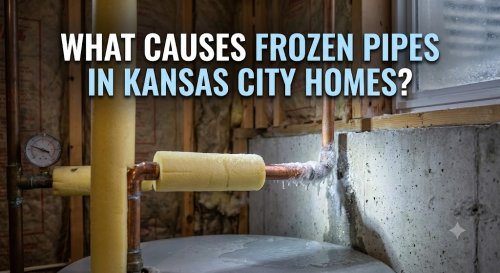
Winter weather in Kansas City introduces severe temperature drops that directly threaten residential plumbing. When temperatures fall well below freezing, water inside uninsulated pipes expands. This expansion exerts immense pressure on pipe walls, leading to splits, cracks, or complete ruptures. Even if a pipe does not burst immediately, the stress weakens joints and fittings, creating slow leaks that often go unnoticed until the ground thaws or spring rains arrive.
Pipes located in exterior walls, crawl spaces, unheated basements, and garages are especially vulnerable to freeze-induced damage. Homeowners can mitigate this risk by ensuring adequate insulation around vulnerable pipes, disconnecting garden hoses before freezing weather sets in, and keeping garage doors closed during severe cold snaps.
2. Aging Pipe Materials and Corrosion
The age and material of a home's plumbing infrastructure play a major role in its susceptibility to leaks. Older homes throughout Kansas City often contain galvanized steel or polybutylene piping. Galvanized pipes are prone to internal rust accumulation, which gradually narrows the water pathway and weakens the pipe walls from the inside out. Over decades, this corrosion results in pinhole leaks or sudden pipe failures.
Even copper pipes, which are durable and widely used, can experience pinhole leaks over time due to high water velocity, chemical imbalances in the water supply, or abrasive particles moving through the system. When an entire plumbing network reaches the end of its functional lifespan, spot repairs often provide only temporary relief, making whole-house repiping a necessary long-term solution.
3. High Water Pressure
Many property owners appreciate a strong shower, but excessively high water pressure places continuous strain on every joint, valve, and connection in a plumbing system. Municipal water supply pressures entering Kansas City homes can sometimes exceed safe operating thresholds.
When pressure remains consistently high—typically above 80 pounds per square inch (psi)—it accelerates wear and tear on washing machine hoses, water heater tanks, faucet cartridges, and supply lines. Installing a pressure-reducing valve (PRV) helps regulate the incoming water flow and protects the entire household plumbing network from premature failure.
4. Faulty Fixture Connections and Appliance Hoses
Indoor water leaks frequently originate at connection points rather than straight sections of pipe. Flexible supply lines connected to toilets, bathroom sinks, kitchen faucets, and washing machines have limited lifespans. Rubber hoses, in particular, become brittle, crack, and rupture as they age.
Routine visual inspections of under-sink plumbing, washing machine connections, and water heater supply lines allow homeowners to spot dampness, mineral buildup, or corrosion early. Replacing flexible rubber supply lines with braided stainless steel alternatives significantly reduces the likelihood of a sudden hose blowout.
5. Shifting Foundations and Soil Movement
Ground conditions in the Midwest can be challenging. Expansive clay soils found throughout parts of Kansas and Missouri swell when saturated with heavy spring rainfall and shrink significantly during hot, dry summer months. This constant cycle of soil expansion and contraction puts physical stress on underground water service lines and sewer pipes.
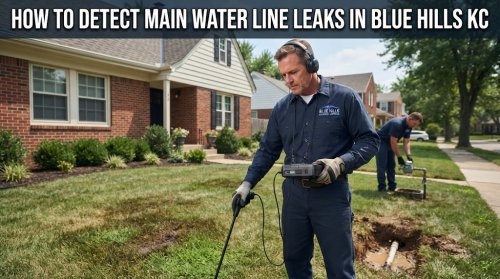
When the ground shifts, underground pipes may sag, disconnect, or crack under the weight of the settling earth. Signs of a main water line leak often include unexplained wet spots in the yard, a sudden drop in household water pressure, or an unexpectedly high water bill.
Identifying Hidden Leaks in Your Home
Not all leaks make their presence obvious. Property owners should remain vigilant for warning signs that indicate hidden water loss:
- Unexplained spikes in monthly water utility bills.
- The sound of running water when all faucets and appliances are turned off.
- Musty odors, damp carpets, or warped flooring.
- Discolored or peeling paint and drywall stains.
- Warm spots on concrete slab floors, which often indicate a hot water line leak underneath.
Professional Leak Detection and Repair
When a water leak is suspected but cannot be visually located, professional plumbing services utilize advanced diagnostic equipment—such as electronic acoustic listening devices, thermal imaging cameras, and pressure-testing gauges—to pinpoint the exact source without unnecessary exploratory demolition. Addressing water leaks promptly protects structural integrity, prevents mold growth, and preserves the long-term value of Kansas City homes.