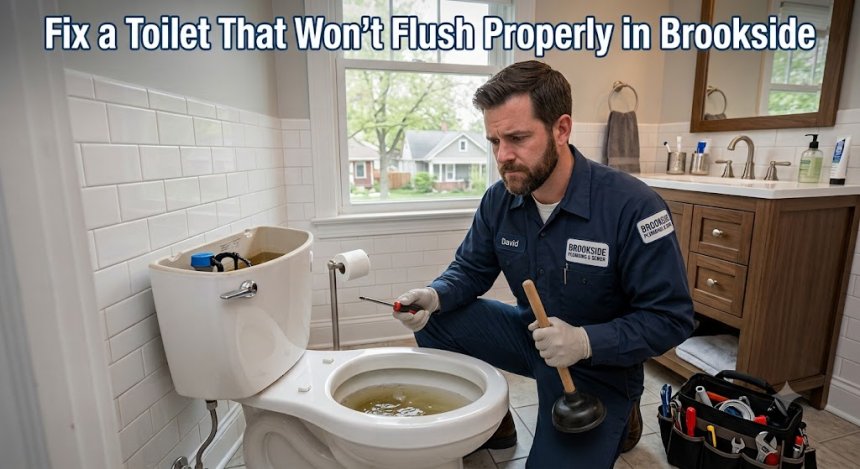
Fix a Toilet That Won't Flush Properly in Brookside
Toilet not flushing right in Brookside? Learn why weak flushes happen, safe DIY fixes, cost factors, and when to call Plumber in Kansas City.

Need a Plumber in Kansas City, MO?
Plumbing Problem? Call for professional plumbing help.
Get help with emergency plumbing, clogged drains, leaking pipes, water heaters, burst pipes and other residential plumbing problems in Kansas City, Missouri.
Need a Plumber in Kansas City, MO?
Plumbing Problem? Call for professional plumbing help.
Get help with emergency plumbing, clogged drains, leaking pipes, water heaters, burst pipes and other residential plumbing problems in Kansas City, Missouri.
How to Fix a Toilet That Won't Flush Properly in Brookside
Few household problems disrupt your morning routine faster than pushing down a toilet handle only to watch the water swirl lazily, rise dangerously close to the rim, or simply do nothing at all. In older, charming neighborhoods like Brookside, where historic architecture meets original or retrofitted plumbing infrastructure, a toilet that refuses to flush properly is a common headache for homeowners.
Whether your toilet requires a double flush to clear the bowl, takes forever to refill, or leaves waste behind, understanding what goes on behind the porcelain is the first step toward getting your bathroom back in working order. While some flush issues stem from a simple chain tangle inside the tank, others point to stubborn clogs, mineral buildup from hard water, or broader issues within your home's main drain line.
This guide covers everything you need to know about diagnosing a weak or failed flush, safe steps you can take to clear minor issues yourself, cost factors, and when it is time to call a professional plumber.
What Is a Weak or Faulty Toilet Flush?
A proper flush relies on gravity, water volume, and sudden pressure. When you press the trip lever, a chain lifts the flapper valve at the bottom of the tank. This releases several gallons of water rapidly into the bowl through the rim jets and the main siphon jet. That sudden surge creates a siphon action, pulling the contents of the bowl down through the trapway and out into your home’s drain pipes.
When a toilet fails to flush properly, that siphon action breaks down. This issue typically presents in one of four distinct ways:
-
The Weak or Lazy Flush: The water enters the bowl, but it moves slowly and lacks the force required to pull solid waste into the drain line.
-
The Partial Flush: The tank dumps only a fraction of its water, leaving you forced to hold the handle down manually or flush multiple times.
-
The Phantom or Incomplete Flush: The toilet appears to go through the motions, but the water level rises without pulling waste through the siphon trapway.
-
The Dry Handle: You press the handle, but there is no resistance, and no water enters the bowl because the internal mechanism is disconnected or the tank is empty.
Why Does This Plumbing Problem Happen?
A malfunctioning flush usually boils down to an issue in one of three areas: the tank mechanisms, the bowl design and jets, or the downstream drainage lines.
[ Tank Mechanisms ] ──> Slack Chain / Damaged Flapper ──> Low Water Volume
                                                               │
[ Siphon & Rim Jets ] ──> Mineral Scale Buildup       ──> Lost Water Velocity ──> Weak Siphon / Poor Flush
                                                               │
[ Drain & Sewer Line ] ──> Partial Clog / Root Intrusion ──> Air Backpressure
1. Hard Water and Mineral Buildup
In Kansas City and surrounding areas, hard water containing dissolved calcium and magnesium is a ongoing reality. Over time, mineral scale settles inside the small rim jets lining the underside of the toilet bowl rim, as well as the siphon jet at the bottom of the bowl. When these holes become constricted by mineral deposits, water enters the bowl too slowly to initiate a powerful siphon pull.
2. Aging and Worn Tank Components
The moving parts inside your toilet tank are constantly submerged in water and subject to chemical breakdown from toilet tablets or municipal chlorine.
-
Flapper Degradation: Over time, the rubber flapper warps, hardens, or decays. A leaking flapper prevents the tank from filling to its proper height, leaving insufficient water volume for a full flush.
-
Flapper Chain Slack: If the lift chain connecting the handle to the flapper has too much slack, pressing the handle won't lift the flapper high enough to release the required volume of water before it snaps shut.
3. Incorrect Tank Water Levels
For a siphon action to trigger, the toilet tank must hold the manufacturer's specified volume of water—usually reaching about one inch below the top of the overflow tube. If the fill valve float is adjusted too low, the tank will not hold enough water to push waste through the trapway.
4. Partial Blockages in the Trapway or Branch Line
Unlike a complete blockage that causes an immediate overflow, a partial clog acts like a restriction valve. Small toys, accumulated toilet paper, paper towels, or flushed hygiene products can lodge in the S-bend (trapway) inside the toilet base. This restriction slows down the flow, causing a lazy, incomplete flush.
5. Main Sewer Line Restrictions or Tree Root Intrusion
For homes in mature neighborhoods like Brookside, Waldo, or Armour Hills, large, beautiful trees are a major draw. However, aging clay or cast-iron sewer lines beneath the yard can develop tiny cracks. Tree roots enter these cracks looking for moisture, catching toilet paper and solids. As the line narrows, air and water cannot move freely, creating backpressure that makes upstairs or main-floor toilets flush poorly.
Warning Signs You Should Never Ignore
A weak flush is rarely an isolated event. It often serves as an early indicator of developing drain or pipe issues. Pay close attention to these warning signs:
-
Gurgling Sounds from Nearby Drains: If flushing the toilet causes your bathroom sink to gurgle or tub drain to bubble, your plumbing vents or main drain line may be blocked, trapping air in the pipes.
-
Water Rising Near the Rim: A toilet bowl filling with water to the brim before slowly draining over several minutes points to an active obstruction in the trapway or main drain.
-
Frequent Need for a Plunger: If you must plunge your toilet multiple times a week despite normal toilet paper usage, the problem lies deeper than a simple bowl clog.
-
Damp Flooring or Foul Odors around the Base: Water pooling around the toilet base after an attempted flush indicates a compromised wax ring seal, which can ruin subflooring over time.
-
Unexplained Spikes in Utility Bills: A toilet that flushes weakly because the tank water level is constantly dropping indicates a persistent internal leak, wasting hundreds of gallons of water each month.
Common Plumbing Problems Related to Flush Issues
When a toilet stops flushing effectively, it can trigger or coincide with other plumbing failures across your home:
+------------------------------------+-----------------------------------------------------+
| Related Issue                      | How It Connects to a Poor Flush                     |
+------------------------------------+-----------------------------------------------------+
| Wax Ring Failure                   | Plunging pressure forces water past the base seal.  |
| Main Sewer Line Backups            | Waste backs up into lowest fixtures (tubs/showers). |
| Vent Stack Blockages               | Trapped air prevents rapid gravity flow of water.   |
| Continuous Fill Valve Running      | Faulty flappers cause the fill valve to run constantly.|
+------------------------------------+-----------------------------------------------------+
Step-by-Step Professional Repair Process
When you call a licensed plumbing professional to address a persistent flush issue, they follow a systematic process to pinpoint and resolve the root cause:
Step 1: Visual and Mechanical Inspection
The plumber inspects the interior of the tank, measuring the water height against the overflow pipe. They examine the condition of the flapper, lift chain, fill valve, and trip lever, checking for wear or mechanical binding.
Step 2: Siphon Jet and Rim Jet Assessment
Using a small inspection mirror or flashlight, the technician checks the rim jet holes and siphon jet for mineral deposits, scale, or bio-film build-up that impedes flow velocity.
Step 3: Flow and Trapway Diagnosis
If tank mechanics are functioning correctly, the plumber uses a manual toilet auger (snake) with a protective rubber sleeve to check the toilet's internal S-trap for hidden object obstructions.
Step 4: Drain and Vent Line Evaluation
If multiple fixtures are sluggish or gurgling, the plumber expands the investigation to the main branch lines. They may perform a video camera inspection through a cleanout access point to check for root intrusion, sagging pipes, or main line blockages.
Step 5: Professional Repair or Component Replacement
Depending on the diagnosis, the plumber replaces worn tank components with high-grade flappers, installs heavy-duty fill valves, descales bowl jets, or clears main line obstructions using specialized equipment.
Step 6: System Testing and Flow Verification
The plumber performs multiple test flushes using bulk paper testing to ensure proper siphon action, checks for water leaks at the base and tank bolts, and verifies that the tank refills to the precise line required.
Step 7: Cleanup and Maintenance Advice
The workspace is cleaned, sanitized, and restored. The plumber offers localized advice regarding hard water maintenance and safe practices for your specific plumbing layout.
Can You Fix It Yourself?
Some flush issues can be resolved with simple, safe DIY adjustments. However, knowing when to put the tools down prevents accidental property damage.
Safe DIY Adjustments Homeowners Can Try
-
Adjust the Flapper Chain: Open the tank lid. If the chain is too loose, move the clip on the handle arm closer to the flapper to eliminate slack. Ensure it doesn't catch on other components.
-
Raise the Water Level: If your tank has a screw adjustment on the fill valve arm or a clip on a vertical float, adjust it so the water rises to about one inch below the top of the overflow tube.
-
Clean the Rim Jets: Use a small stiff-bristled brush and warm vinegar to clear mineral crust from the small holes under the inside rim of the bowl.
-
Use a Flange Plunger Properly: Ensure you are using a plunger with an extended rubber fold-out flange (designed for toilets, not flat sink plungers). Form a tight seal over the drain hole and stroke firmly to clear minor organic clogs.
                  SAFE DIY FIXES                              CALL A PROFESSIONAL
   +------------------------------------------+    +------------------------------------------+
   | • Adjusting flapper chain slack          |    | • Water backing up into showers/tubs     |
   | • Raising float on fill valve            |    | • Leaks or wet flooring around the base  |
   | • Cleaning rim jets with vinegar         |    | • Cracked porcelain tank or bowl         |
   | • Clearing minor clogs with toilet plunger|    | • Persistent clogs despite plunging      |
   +------------------------------------------+    +------------------------------------------+
When DIY Becomes Dangerous
Avoid pouring caustic chemical drain openers down a slow toilet. These chemicals generate intense heat that can crack vintage porcelain, warp plastic flush valves, and dissolve old lead or cast-iron joints in older homes. Furthermore, if the chemical fails to clear the clog, your bowl fills with toxic, acid-laden water that can cause severe chemical burns to anyone attempting to repair it later.
Tools Professionals Use to Diagnose and Repair Toilets
Licensed plumbers rely on professional-grade equipment to diagnose and clear flush problems quickly without damaging your home's fixtures:
-
Professional Closet Augers: Heavy-duty, flexible augers equipped with non-marring rubber guards that navigate the tight bends of porcelain trapways to clear or retrieve foreign objects.
-
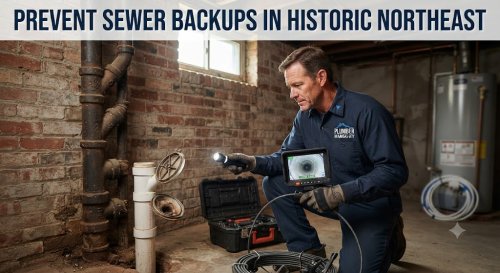
Video Pipe Inspection Cameras: Waterproof digital cameras mounted on fiber-optic cables that travel deep into your home's sewer lines to visually locate roots, collapsed pipes, or severe grease accumulation.
-
Hydro-Jetting Systems: High-pressure water jetters that scour the inner walls of drain lines, removing mineral scale, grease, and root webs without chemical use.
-
Digital Pressure Gauges: Tools used to measure incoming municipal water pressure to ensure high pressure isn't blowing out internal fill valves.
How Long Does the Repair Usually Take?
The duration of a toilet repair depends heavily on the underlying cause:
-
Simple Mechanical Fixes (15–45 Minutes): Replacing a worn flapper, adjusting chains, clearing rim jets, or resetting the fill valve level.
-
Standard Trapway Clearance (30–60 Minutes): Clearing an isolated obstruction using a professional toilet auger and verifying flow performance.
-
Toilet Removal and Wax Seal Replacement (1–2 Hours): Pulling the toilet from the floor to clear a deep object, replacing damaged closet bolts, and setting a fresh wax ring.
-
Main Sewer Line Clearing (1–3 Hours): Cable snaking or hydro-jetting an exterior main line affected by tree roots or deep debris accumulations.
Cost Factors in Toilet Repairs
Plumbing repair costs vary depending on the severity of the problem, accessibility, materials required, emergency service, property type, and local labor rates.
Understanding what goes into an estimate helps you evaluate your options:
-
Diagnostic Time: Complex or intermittent issues that require camera equipment or pipe tracing involve dedicated diagnostic labor.
-
Quality of Parts: High-performance, chemical-resistant flappers, commercial fill valves, and heavy-duty wax rings offer longer lifespans than cheap plastic alternatives.
-
Accessibility and Layout: Bathrooms in narrow spaces or older homes with non-standard pipe connections may require additional labor time to service.
-
Main Drain vs. Fixture Repair: Clearing a single toilet trapway is simpler than clearing an exterior sewer line clogged with mature root systems.
-
Repair vs. Replacement: If an older toilet has narrow trapways, cracked porcelain, or severe mineral scaling throughout its internal channels, replacing the unit entirely with a modern high-efficiency toilet may be more cost-effective long term.
Hidden Truths Homeowners Should Know
Understanding the realities of household plumbing helps you protect your home's infrastructure and avoid unnecessary expenses:
-
Small Leaks Create Heavy Bills: A silent leak caused by a deteriorating flapper can waste up to 200 gallons of water per day, leading to surprising spikes in monthly utility bills.
-
"Flushable" Wipes are Not Flushable: Despite product packaging claims, synthetic wipes do not break down like toilet paper. They snag on cast-iron pipe roughness and tree roots, causing severe drain blockages.
-
Chemical Tablets Damage Internal Parts: Drop-in bleach or blue cleaning tablets sitting in the toilet tank constantly leach strong chemicals that break down rubber flappers and plastic valves prematurely.
-
Tree Roots Seek Moisture Year-Round: Root systems can travel dozens of feet toward minor condensation drops or seam weepage in old clay pipe lines, creating recurring blockages every spring and fall.
-
Neglect Can Void Insurance Coverage: Property insurance policies often cover sudden, accidental pipe bursts, but they frequently deny claims stemming from unaddressed long-term leaks or neglected maintenance.
15 Common Mistakes Homeowners Make
-
Over-Tightening Tank Bolts: Cracking the porcelain tank by over-torquing bolts during a DIY component replacement.
-
Using Chemical Drain Openers in Toilets: Risking cracked porcelain and chemical splashes instead of using mechanical augers.
-
Ignoring a Gurgling Sink: Failing to address early warnings of main line drainage backups.
-
Hanging Heavy Items on Trip Levers: Bending internal brass handles by hanging decorative items or heavy deodorizers on the flush handle.
-
Flushing Foreign Objects: Allowing cotton swabs, dental floss, facial tissues, or wipes to enter the system.
-
Setting Tank Water Levels Too Low: Trying to save water by dropping tank levels so low that the toilet loses its siphon power.
-
Using Flat Sink Plungers on Toilets: Failing to achieve a proper seal over the toilet trap opening.
-
Plunging Too Violently: Breaking the wax ring seal under the toilet base through excessive plunging force, leading to subfloor water damage.
-
Delaying Small Repairs: Allowing a slow-draining toilet to deteriorate into a full bathroom flood.
-
Hiring Unlicensed Labor: Working with unvetted contractors who lack insurance or local code knowledge.
-
Mismatching Flapper Models: Installing generic flappers that don't match the toilet manufacturer's flush volume specs.
-
Pouring Grease Down Kitchen Sinks: Allowing fats to congeal in shared main sewer branches, which eventually slows down toilet drainage.
-
Ignoring Hard Water Deposits: Allowing scale to close up rim jets completely before taking action.
-
Using the Wrong Pipe Fitting Materials: Connecting incompatible metals beneath the floor, causing rapid galvanic corrosion.
-
Skipping Annual Inspections: Forgetting to have main drain lines inspected in properties with mature landscaping.
Practical Maintenance Tips for Homeowners
Keep your toilets flushing reliably year-round with these proactive steps:
-
Perform a Quarterly Dye Test: Drop a few drops of food coloring into your toilet tank. Wait 15 minutes without flushing. If color appears in the bowl, replace your flapper to stop hidden leaks.
-
Clean Rim Jets Annually: Scrub under the bowl rim with warm white vinegar and a small nylon brush to dissolve calcium deposits.
-
Test the Shut-Off Valve: Turn the emergency water shut-off valve behind the toilet clockwise twice a year to ensure it turns smoothly and doesn't freeze in place.
-
Clear the Tank Interior: Carefully remove the tank lid once a year to inspect rubber parts for signs of warping or decay.
-
Keep Trash Cans Nearby: Place covered waste receptacles in every bathroom to discourage guests and children from flushing non-flushable items.
-
Schedule Fall Drain Inspections: If your property features large oak or maple trees near line routes, schedule periodic main-line checkups before cold weather sets in.
When Should You Call an Emergency Plumber?
While a slow toilet can often wait for a standard appointment, certain situations require immediate professional attention:
                               EMERGENCY PLUMBING DECISION TREE

               Is the toilet overflowing with sewage or contaminated water?
                                    │
                  ┌─────────────────┴─────────────────┐
                 YES                                  NO
                  │                                   │
      [ Shut off water valve ]        Are multiple drains (tub/sink) backing up?
      [ Call Emergency Plumber ]                      │
                                        ┌─────────────┴─────────────┐
                                       YES                          NO
                                        │                           │
                          [ Main Sewer Line Issue ]      [ Standard Service Call ]
                          [ Call Emergency Plumber ]     [ DIY or Schedule Visit ]
-
Raw Sewage Backup: Sewage rising in your toilet, bathtub, or basement floor drain presents immediate health risks and requires urgent clearing.
-
Uncontrollable Water Overflow: If water is overflowing the tank or bowl and the shut-off valve under the toilet will not turn off, call for fast emergency response to prevent structural water damage.
-
Complete Loss of Wastewater Flow: If no toilets or drains in your home are functioning, your main drain stack is fully blocked.
Frequently Asked Questions
Why does my toilet flush weakly even though there is no clog?
A weak flush without an active obstruction is usually caused by low water volume in the tank, a slack flapper chain that doesn't fully open, or mineral deposits clogging the rim jets under the inside of the bowl rim.
Can a clogged drain in another room affect my toilet flush?
Yes. Your home's plumbing fixtures share a main drain and vent network. A blockage in a downstream branch line or main sewer line can trap air in the pipes, causing toilets to flush slowly or gurgle when other sinks or showers are used.
Why do I have to hold the handle down to get a full flush?
If you must hold the handle down, your flapper chain has too much slack or the flapper itself is dropping shut too quickly. Adjusting the chain length or replacing the flapper with the correct model will solve this problem.
Are chemical drain openers safe for slow-flushing toilets?
No. Chemical drain cleaners should not be used in toilets. They can crack porcelain due to intense chemical heat reactions, damage internal plastic seals, and pose severe chemical hazard risks if plunging becomes necessary later.
How do I know if the problem is inside the toilet or deep in the sewer line?
If only one toilet is flushing poorly while all other household sinks, showers, and toilets work normally, the issue is likely within that specific toilet. If multiple fixtures are slow or gurgling simultaneously, the obstruction is in your main drain or sewer line.
How often should toilet flappers be replaced?
Most rubber flappers last between 2 to 5 years. However, high mineral content in local water or the use of drop-in chemical tank cleaning tablets can cause rubber parts to degrade much faster.
Why does water keep running in the bowl long after I flush?
Continuous running water is typically caused by an improperly adjusted fill valve float setting water too high (causing it to spill into the overflow tube) or a worn flapper that no longer creates a watertight seal.
Can tree roots in my yard cause my toilet to flush poorly?
Yes. Older homes with clay, orangeburg, or cast-iron pipe networks are vulnerable to root invasion. Roots enter fine pipe seams, catching solids and slowing waste flow back to the municipal main.
Why does my toilet bowl water level drop on its own?
A dropping water level in the bowl indicates a hairline crack in the porcelain internal trapway, a blocked roof vent stack causing siphonage, or a compromised wax ring seal allowing air leakage.
How much does it cost to fix a toilet that won't flush?
Plumbing repair costs vary depending on the severity of the problem, accessibility, materials required, emergency service, property type, and local labor rates. Minor tank adjustments cost significantly less than clearing severe main sewer line root intrusions.
Why Choose Plumber in Kansas City
When dealing with stubborn toilet problems, working with a responsive local team ensures your home’s plumbing system is restored safely and correctly.
At Plumber in Kansas City, we serve homeowners and businesses throughout the metro area—including neighborhoods like Brookside, Waldo, Prairie Village, Overland Park, and Leawood.
-
Licensed & Experienced Technicians: Our team brings decades of combined hands-on plumbing knowledge to every job, correctly identifying the root cause of your flush issues.
-
Transparent Estimates: We evaluate your plumbing issues carefully and provide upfront, clear recommendations so you know what to expect before work begins.
-
Modern Diagnostic Tools: We utilize high-resolution video pipe inspection cameras and heavy-duty drain clearing equipment to address underlying drain issues efficiently.
-
Complete Plumbing Services: From simple flapper replacements to full main sewer line clearings and new fixture installations, we handle your residential and commercial needs with care.