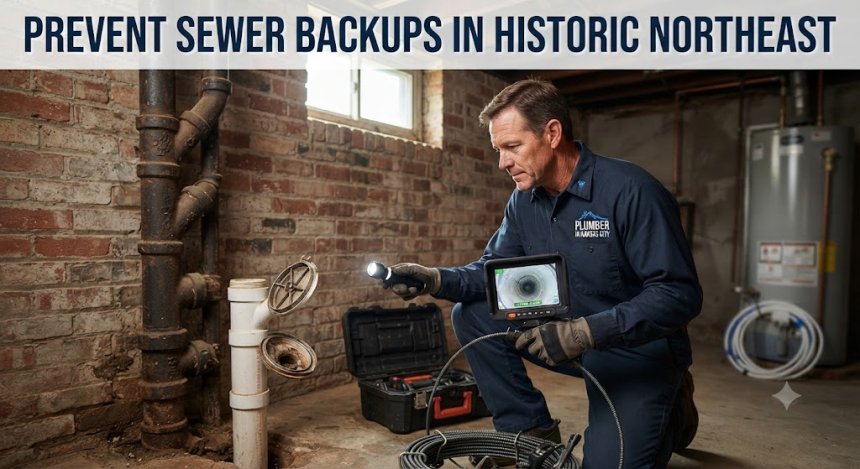
Prevent Sewer Backups in Historic Northeast
Learn how to prevent sewer backups in the Historic Northeast during heavy rain. Discover causes, professional solutions, and maintenance tips

Need a Plumber in Kansas City, MO?
Plumbing Problem? Call for professional plumbing help.
Get help with emergency plumbing, clogged drains, leaking pipes, water heaters, burst pipes and other residential plumbing problems in Kansas City, Missouri.
Need a Plumber in Kansas City, MO?
Plumbing Problem? Call for professional plumbing help.
Get help with emergency plumbing, clogged drains, leaking pipes, water heaters, burst pipes and other residential plumbing problems in Kansas City, Missouri.
How to Prevent Sewer Backups During Heavy Rain in the Historic Northeast
Experiencing wastewater backing up through your basement floor drains or toilets during a severe rainstorm is one of the most stressful emergencies a property owner can face. For residents living in the beautiful and culturally rich Historic Northeast neighborhood of Kansas City, dealing with stormwater and sanitary sewer strain is an all-too-common seasonal challenge. The Historic Northeast is celebrated for its stunning 19th and early 20th-century architecture, sprawling parks, and tight-knit community character across Jackson County. However, many homes in this historic enclave feature aging combined or lateral sewer systems that struggle to keep up with intense precipitation. When heavy downpours overwhelm capacity, water and sewage can surge backward into your living space. Plumber in Kansas City helps local property owners understand why these backups happen, what warning signs to monitor, and when it is time to call a licensed professional for advanced sewer protection.
What Is a Sewer Backup?
A sewer backup is a serious plumbing failure where municipal wastewater or stormwater is forced backward out of your drains, toilets, or cleanouts instead of flowing safely away from your property.
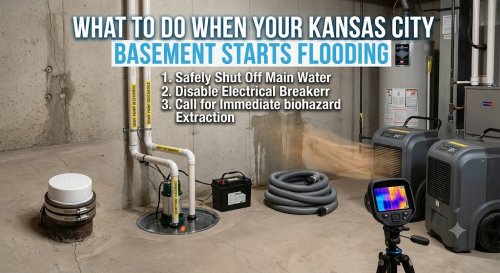
Common situations involve heavy spring or summer storms hitting the Kansas City area, causing municipal mains to fill up and force water upward into basement floor drains. Symptoms range from gurgling sounds in bathroom fixtures when it rains to foul-smelling gray water pooling across basement concrete slabs. For instance, if your Historic Northeast home features older clay tile sewer laterals, heavy rainfall combined with mature tree root intrusion can create an immediate choke point that traps wastewater and pushes it right back inside your home.
Why Does This Plumbing Problem Happen?
Sewer backups during heavy rainstorms are driven by a combination of municipal infrastructure strain, environmental factors, and aging private property lines:
-
Aging pipes: Decades-old clay or cast-iron sewer laterals cracking, collapsing, or developing structural deformations over time.
-
Corrosion: Rusted out cast-iron pipes scaling internally and catching toilet paper, grease, and debris.
-
Tree roots: Mature trees lining historic neighborhood streets sending aggressive roots into pipe joints seeking moisture.
-
Hard water: Mineral scaling narrowing pipe diameters and reducing overall wastewater carrying capacity.
-
High water pressure: While pressure affects supply lines, municipal hydraulic overload directly triggers severe backup pressure in drainage systems.
-
Improper installation: Flat sewer slope grades or misaligned pipe connections that slow down wastewater velocity.
-
Poor maintenance: Failing to clean out tree roots or grease buildup from private sewer laterals annually.
-
Seasonal weather changes: Heavy autumn leaf accumulation and torrential spring rains overwhelming storm and sanitary mains.
-
Frozen pipes: Winter freezing shifting surrounding soil and cracking underground sewer tiles before heavy spring thaws arrive.
-
Clogs and debris: Wipes, feminine products, and cooking grease forming solid blockages inside main sewer lines.
-
Sewer backups: Municipal main capacity overloads forcing water backward into connected residential service lines.
-
Worn plumbing fixtures: Damaged backwater valves or failing check valves failing to stop reverse flow.
Signs You Should Never Ignore
Recognizing the early warning indicators of a failing sewer system can prevent a minor drainage restriction from turning into a major indoor flood:
-
Water stains: Discolored rings or moisture marks around basement floor drains and lower walls.
-
Slow drains: Multiple plumbing fixtures draining sluggishly at the same time throughout the house.
-
Low water pressure: While distinct from drainage, complex plumbing issues sometimes coincide with neglected home maintenance.
-
High water bills: Unexplained usage anomalies if a broken exterior water line is interacting with saturated soil beds.
-
Damp walls: Moisture lingering around lower foundational walls near basement utility rooms.
-
Mold growth: Musty, earthy odors and mold proliferating in dark basement corners.
-
Strange noises: Gurgling or bubbling sounds coming from toilets and drains when you run the washing machine or flush.
-
Bad smells: Persistent sewage odors wafting from floor drains or yard cleanout caps.
-
Standing water: Puddles gathering around basement floor drains after a standard shower use or minor rain event.
-
Discolored water: Dark, murky water bubbling up through floor drains during heavy downpours.
Common Plumbing Problems Related to This Issue
Sewer backups are frequently linked to or accompanied by several other serious property plumbing challenges, including:
-
Pipe leaks: Saturated soil and hydrostatic pressure cracking underground water and waste lines.
-
Drain clogs: Internal branch blockages compounding main sewer line restrictions.
-
Sewer backups: Neighborhood municipal overloads directly causing private property flooding.
-
Water heater failures: Basement standing water submerging and ruining water heater burners and electrical controls.
-
Burst pipes: Ground shifting snapping brittle historic sewer connections.
-
Slab leaks: Sub-foundation soil erosion washing away support beneath concrete floors.
-
Fixture damage: Contaminated wastewater ruining lower-level bathroom vanities, flooring, and drywall.
Step-by-Step Professional Repair Process
When you contact Plumber in Kansas City to evaluate or prevent sewer backups, our licensed team follows a thorough, structured resolution process designed to protect your home:
-
Step 1 Inspection: Technicians use high-resolution drain cameras to inspect the entire length of your private sewer lateral from the house to the municipal main.
-
Step 2 Diagnosis: Professionals analyze root intrusion, cracks, bellies, or grease blockages captured on video footage.
-
Step 3 Estimate: The plumber provides a clear, transparent cost breakdown detailing recommended cleaning, hydro jetting, or trenchless repair options.
-
Step 4 Repair: Experts clear blockages, remove roots, install backwater prevention valves, or repair damaged pipe sections safely.
-
Step 5 Testing: Technicians flush the system and run flow tests to verify optimal drainage velocity.
-
Step 6 Cleanup: Professionals sanitize the work area, clear away debris, and leave your property clean and secure.
-
Step 7 Maintenance Advice: Homeowners receive customized guidance on seasonal sewer care and preventive habits.
Can You Fix It Yourself?
Many homeowners attempt to fix sluggish drains or minor backups by pouring chemical drain cleaners down toilets or renting small consumer augers from a local hardware store. While plunging a simple toilet clog is a safe DIY task, pouring harsh chemical cleaners down a slow drain is dangerous; if the chemicals do not clear the clog, they can sit in the pipe and splash back violently during professional servicing. Furthermore, homeowners should never attempt to snake main sewer lines without proper training, as improper tool handling can puncture old clay pipes. When sewer lines back up during heavy rain, professional equipment and backwater valve installations are required.
Tools Professionals Use
Professional plumbers utilize advanced diagnostic and heavy-duty remediation equipment to clear and protect sewer lines safely:
-
Drain cameras: High-definition fiber-optic cameras pushed through sewer lines to locate cracks, roots, and blockages visually.
-
Leak detection equipment: Acoustic listening devices used to trace hidden water supply weeps or underground pipe anomalies.
-
Hydro jetting: High-pressure water scrubbing equipment capable of blasting away stubborn tree roots, grease, and scale.
-
Pipe locators: Electromagnetic surface sensors used to map the exact depth and path of underground sewer laterals.
-
Pressure testing gauges: Specialized tools used to verify system integrity following major repairs.
-
Pipe inspection cameras: Specialized articulating cameras designed for tight residential branch lines.
-
Trenchless equipment: Advanced trenchless pipe lining and bursting machinery used to repair underground sewer lines without digging up your yard.
These professional instruments ensure safe, precise diagnostic work.
How Long Does the Repair Usually Take?
Resolution timelines for sewer line maintenance and backup prevention vary depending on the severity of the blockage:
-
Simple repairs: Clearing a localized root obstruction with a power snake takes 1 to 2 hours.
-
Moderate repairs: Comprehensive hydro jetting and backwater valve installation takes 2 to 4 hours.
-
Major repairs: Trenchless sewer lateral replacement or spot excavation takes 1 to 2 days.
-
Emergency repairs: Immediate after-hours dispatch for active basement flooding is handled promptly to extract water and clear lines.
Factors affecting this timeline include depth of the sewer lateral, yard landscaping obstacles, and municipal connection access points.
Cost Factors
Reputable plumbing providers never quote blind fixed rates before inspecting the property because sewer service and prevention costs depend on several critical variables:
-
Diagnostic fees: Running a video camera inspection through the main sewer lateral.
-
Parts and materials: Backwater valves, cleanout risers, PEX or PVC replacement pipe, and fittings.
-
Labor: Technician hours required for intensive hydro jetting, root cutting, or excavation.
-
Emergency service charges: After-hours, weekend, or holiday dispatch premiums for urgent storm backups.
-
Equipment needed: Deployment of high-pressure hydro jetters, camera trucks, and trenchless lining gear.
-
Permit costs: Local Kansas City municipal permits required for street or right-of-way sewer connections.
-
Replacement vs repair: Routine root clearing versus complete trenchless sewer lateral replacement.
-
Accessibility of pipes: Obstructions like mature trees, paved driveways, or finished basement walls.
Plumbing repair costs vary depending on the severity of the problem, accessibility, materials required, emergency service, property type, and local labor rates.
Hidden Truths Homeowners Should Know
Operating a historic property in the Historic Northeast comes with practical realities that every homeowner should understand:
-
Minor slow drains during heavy rainstorms are early warning signs of an impending main sewer backup.
-
Cheap temporary chemical drain cleaners nearly always fail against dense tree root mats and heavy grease blockages.
-
Standard homeowner insurance policies routinely deny coverage for flood damage caused by backed-up municipal sewers unless a specific rider is purchased.
-
Mature trees planted decades ago in neighborhood parkways continue to infiltrate private sewer lines year after year.
-
Hard water mineral deposits and grease accumulation accelerate internal pipe narrowing across older plumbing networks.
-
DIY snaking mistakes can snag underground pipe offsets and collapse fragile historic clay sewer lines.
-
Delaying sewer maintenance invites catastrophic basement flooding that ruins flooring, drywall, and personal belongings.
-
Hidden underground sewer leaks erode soil stability beneath foundations and driveways.
-
Mold and mildew develop within 24 hours of a sewage backup, posing serious indoor air quality risks.
-
Annual professional sewer inspections and cleanings save homeowners thousands of dollars in emergency restoration costs.
Taking a proactive approach preserves the safety, structural integrity, and value of your Historic Northeast property.
15 Common Mistakes Homeowners Make
Avoiding these common pitfalls protects your home's drainage network and prevents unexpected property emergencies:
-
Ignoring slow drains: Disregarding sluggish basement floor drains until heavy rain forces raw sewage inside.
-
Using chemical drain cleaners: Pouring harsh caustic chemicals into blocked drains that risk splashing or pipe damage.
-
Flushing flushable wipes: Flushing supposedly disposable wipes, paper towels, and hygiene products down toilets.
-
Pouring grease down sinks: Dumping cooking oils and bacon grease into kitchen drains where they solidify.
-
Ignoring gurgling sounds: Disregarding bubbling noises in toilets when running laundry or showering.
-
Hiring unlicensed handymen: Trusting complex sewer lateral repairs to unqualified contractors without proper licensing.
-
Skipping annual maintenance: Failing to schedule routine sewer camera inspections and root clearing.
-
Waiting until emergencies: Calling a plumber only after raw sewage floods the basement.
-
Using wrong pipe materials: Splicing incompatible plastics and metals during amateur pipe repairs.
-
Over-tightening fittings: Cracking fragile pipe connections by applying excessive wrench force.
-
Neglecting backwater valves: Failing to install check valves that block municipal backflow during storms.
-
Planting trees near lines: Placing large shade trees directly over underground sewer lateral paths.
-
Ignoring yard soggy spots: Overlooking unexplained wet depressions in the lawn above the sewer run.
-
Failing to check cleanouts: Not keeping outdoor sewer cleanout caps securely sealed and accessible.
-
Delaying professional hydro jetting: Putting off deep cleaning until roots completely crush the pipe wall.
Maintenance Tips
Keeping your sewer lines clear and protecting your home from stormwater backups requires consistent, sensible care throughout the year:
-
Schedule an annual professional video camera inspection and root-clearing service for your main sewer lateral.
-
Never pour cooking oil, grease, or coffee grounds down kitchen sink drains.
-
Avoid flushing wet wipes, paper towels, cotton balls, or hygiene products, even if labeled flushable.
-
Install a backwater prevention valve on your basement drainage system to block municipal backflow during heavy storms.
-
Keep your outdoor sewer cleanout cap tightly sealed to prevent surface debris and stormwater from entering your lateral.
-
Inspect basement floor drains regularly to ensure they are free of stored items and debris.
-
Be mindful of tree root locations when planting new trees or large shrubs near your front yard sewer path.
-
Know the exact location of your main home water shut-off and sewer cleanout access points.
-
Keep emergency plumber contact numbers readily accessible on your refrigerator.
-
Consider upgrading old clay tile sewer lines to modern, root-resistant PVC piping during major renovations.
-
Hire licensed professionals for any major sewer line repairs or trenchless lining projects.
-
Stay informed about local Kansas City sewer maintenance guidelines and municipal storm response programs.
-
Test sump pumps and battery backups twice a year if your home utilizes auxiliary flood control systems.
-
Clear autumn leaves and debris away from window wells and foundation walls to reduce ground saturation.
-
Plan ahead for plumbing checks before peak spring rain seasons arrive.
When Should You Call an Emergency Plumber?
Certain plumbing scenarios involving severe drainage and sewer failures require immediate, professional emergency intervention:
-
Sewage backup: Raw wastewater bubbling up through basement floor drains, showers, or toilets.
-
Total drainage failure: Complete inability of home plumbing fixtures to drain, resulting in wastewater pooling.
-
Overflowing toilets: Multiple toilets backing up simultaneously without responding to plunging.
-
Flooding: Water pooling rapidly across basement floors from backed-up municipal or private lines.
-
Major pipe collapses: Sudden structural failures in underground sewer laterals causing total blockage.
Immediate action mitigates catastrophic property damage, protects your family's health, and restores safe living conditions in your Historic Northeast property.
Frequently Asked Questions
-
Why is my water pressure suddenly low? Sudden low water pressure is typically caused by a failing pressure regulator, a partially closed main valve, or mineral scale accumulation inside aging pipes.
-
How much does leak detection cost? Leak detection costs vary based on property layout and accessibility, but professional acoustic tools pinpoint hidden problems accurately without destructive guesswork.
-
Can a clogged drain damage pipes? Yes, severe clogs and hydrostatic pressure can cause pipes to crack, separate at joints, or burst completely.
-
Is hydro jetting safe for old pipes? Professional plumbers inspect pipe condition first; while excellent for modern lines, highly deteriorated historic pipes require careful evaluation before jetting.
-
How do I know if my sewer line is broken? Warning signs include multiple slow drains, gurgling toilets, foul odors in the basement, and soggy lawn patches above the pipe run.
-
How long do water heaters last? Standard tank water heaters typically last between 8 to 12 years depending on maintenance, water quality, and anode rod replacement.
-
Why does my faucet drip? Faucets drip when internal rubber washers, O-rings, or ceramic cartridges wear out over time due to friction and mineral deposits.
-
What causes pipes to burst? Pipes burst due to freezing winter temperatures, severe root pressure, high water pressure, or advanced material corrosion.
-
Can plumbing leaks increase my water bill? Yes, even a minor running toilet or hidden pipe leak can waste thousands of gallons of water, driving up your utility bills significantly.
-
When should I replace plumbing instead of repairing it? If your plumbing system suffers from recurring failures, extensive corrosion, or outdated materials, full replacement is more cost-effective than continuous spot repairs.
Why Choose Our Plumbing Company
When you face challenging sewer and drainage issues in the Historic Northeast and surrounding Kansas City neighborhoods, partnering with a trusted local expert ensures peace of mind. Plumber in Kansas City is committed to delivering honest, high-quality service tailored to your property's needs.
-
Experienced licensed plumbers equipped with advanced technical training and local knowledge.
-
Honest recommendations focused on practical, long-term solutions rather than temporary band-aids.
-
Upfront estimates ensuring complete pricing transparency before any repair work begins.
-
Fast response times for urgent residential and commercial plumbing service calls.
-
Emergency availability when unexpected sewer and drainage crises strike your home.
-
Quality workmanship backed by industry best practices and respect for your property.
-
Modern equipment designed to diagnose and resolve issues with minimal disruption.
-
Customer satisfaction rooted in respectful, friendly, and reliable communication.
-
Deep local expertise serving historic Kansas City neighborhoods with pride.
Contact Plumber in Kansas City today for professional plumbing services you can trust.