"Hyde Park Home Plumbing Checklist & Buying Guide"
"Discover crucial plumbing checks before buying a historic Hyde Park home in Kansas City to avoid unexpected costly repairs and damage.",

Need a Plumber in Kansas City, MO?
Plumbing Problem? Call for professional plumbing help.
Get help with emergency plumbing, clogged drains, leaking pipes, water heaters, burst pipes and other residential plumbing problems in Kansas City, Missouri.
Need a Plumber in Kansas City, MO?
Plumbing Problem? Call for professional plumbing help.
Get help with emergency plumbing, clogged drains, leaking pipes, water heaters, burst pipes and other residential plumbing problems in Kansas City, Missouri.
What Plumbing Problems Should You Check Before Buying a Hyde Park Home?
Buying a home in the historic Hyde Park neighborhood of Kansas City is an exciting milestone. You are investing in character-rich architecture, mature landscapes, and a vibrant community. However, older homes often conceal aging infrastructure that can surprise new buyers with massive repair bills. As a trusted local Kansas City plumbing team, we regularly help prospective buyers identify hidden issues before closing the deal. Knowing what to evaluate beforehand protects your investment and ensures peace of mind.
What Is a Pre-Purchase Plumbing Inspection?
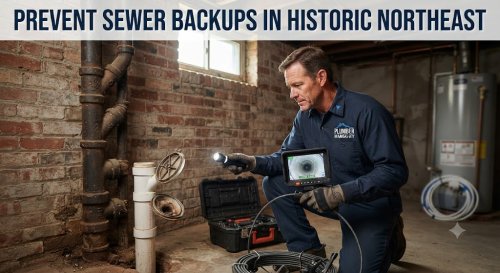
A pre-purchase plumbing inspection is a targeted evaluation of a property's water supply lines, drainage systems, sewer integrity, and fixtures performed by a licensed professional. While standard home inspections cover general conditions, they rarely inspect the interior walls or underground sewer lines. In historic neighborhoods like Hyde Park, common situations involve decades-old galvanized pipes, compromised sewer lines, and aging water heaters that require specialized technical scrutiny.
Why Does This Plumbing Problem Happen?
Plumbing issues in older properties typically result from decades of continuous use, natural material degradation, and historical building practices that no longer meet modern standards.
-
Aging Pipes: Decades of water flow wear down the internal structure of distribution lines.
-
Corrosion: Chemical reactions between minerals and metal pipes weaken walls from the inside out.
-
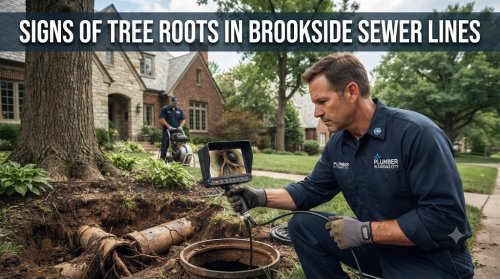
Tree Roots: Mature neighborhood trees constantly seek moisture, invading tiny cracks in underground sewer lines.
-
Hard Water: Mineral-rich local water leaves scale deposits that restrict flow and strain appliances.
-
High Water Pressure: Excessive municipal water pressure places unnecessary mechanical stress on old joints.
-
Improper Past Installations: Makeshift repairs or outdated materials installed by previous owners often fail unexpectedly.
Signs You Should Never Ignore
While touring a potential home, keep a sharp eye out for warning signs that indicate deeper plumbing failures:
-
Water Stains & Damp Walls: Signal active or past leaks hidden behind drywall, ceilings, or under floorboards.
-
Low Water Pressure: Often points to severe interior pipe scaling or partial blockages in the main supply line.
-
Discolored Water: Brown or yellow tinted water usually reveals heavy corrosion inside galvanized steel pipes.
-
Slow Drains & Bad Smells: Frequently indicate venting issues or a compromised, blocked sewer lateral.
-
Standing Water: Pooling near basement walls points to exterior drainage failure, foundation seepage, or slab leaks.
Common Plumbing Problems Related to This Issue
Purchasing an older home can expose you to a cascade of related system failures. Typical examples include sudden pipe leaks, severe chronic drain clogs, complete sewer backups, unexpected water heater failures, hidden slab leaks, and premature plumbing fixture damage.
Step-by-Step Professional Repair Process
When a licensed plumber steps in to evaluate or remedy historic plumbing issues, they follow a systematic approach:
-
Inspection: Visual and physical evaluation of all accessible piping, valves, and water-using appliances.
-
Diagnosis: Pinpointing the exact cause of pressure loss, leaks, or backups using advanced technology.
-
Estimate: Delivering a transparent, itemized cost estimate before moving forward with any service.
-
Repair: Executing repairs or replacements using modern, code-compliant materials.
-
Testing: Pressurizing and monitoring the system to guarantee absolute performance and leak prevention.
-
Cleanup: Leaving the work area meticulously clean and orderly.
-
Maintenance Advice: Providing custom tips to keep the newly serviced plumbing running smoothly.
Can You Fix It Yourself?
Homeowners can safely handle basic maintenance tasks, such as replacing a worn-out showerhead, plunging a straightforward sink clog, or swapping a standard toilet flapper. However, attempting complex fixes like main line clearing, gas line modifications, or major pipe replacement without professional training is dangerous. Improper DIY work can lead to massive water damage, code violations, and voided insurance policies, making licensed professional intervention mandatory for major issues.
Tools Professionals Use
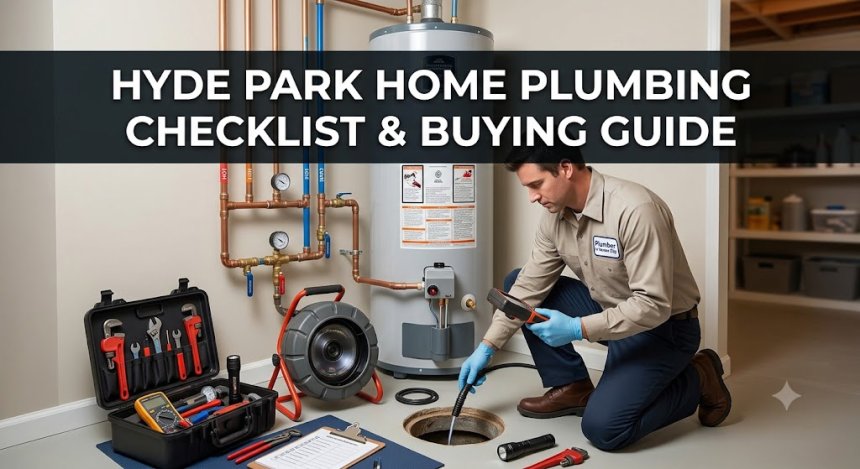
Modern plumbing relies on high-tech diagnostic equipment to eliminate guesswork and target problems accurately. Professionals use drain cameras to view interior pipe conditions, electronic leak detection equipment to trace hidden dampness, hydro jetting systems to clear severe buildup, pipe locators, pressure testing gauges, and trenchless repair equipment to fix lines without tearing up landscaping.
How Long Does the Repair Usually Take?
Repair timelines vary depending on the scope and complexity of the job. Simple fixes like replacing a shut-off valve take less than an hour, whereas moderate repairs like swapping out a standard water heater take roughly half a day. Major projects, such as a complete sewer line replacement or whole-house repiping, can span anywhere from one to three days depending on property layout and depth.
Cost Factors
Plumbing repair costs vary depending on the severity of the problem, accessibility, materials required, emergency service needs, property type, and local Kansas City labor rates. Diagnostic fees, specialty equipment utilization, parts, labor, and potential permit costs also factor into the final investment required for safe remediation.
Hidden Truths Homeowners Should Know
Small, overlooked leaks quickly escalate into expensive structural repairs, and cheap temporary fixes almost always fail under pressure. Furthermore, standard homeowners insurance policies frequently exclude damage resulting from long-term neglected maintenance. Persistent tree roots will also repeatedly damage old sewer lines until the compromised section is permanently replaced or lined.
15 Common Mistakes Homeowners Make
-
Ignoring minor drips, slow leaks, and damp spots.
-
Relying heavily on corrosive chemical drain cleaners.
-
Flushing "flushable" wipes and hygiene products.
-
Pouring cooking oil and grease down kitchen drains.
-
Disregarding rising municipal water pressure readings.
-
Hiring unlicensed handymen for complex system modifications.
-
Skipping routine annual plumbing system checkups.
-
Waiting until a complete emergency happens to call a professional.
-
Mixing incompatible pipe materials during partial renovations.
-
Over-tightening fragile, aging plumbing fittings and joints.
-
Failing to locate or test the main water shut-off valve.
-
Neglecting to protect outdoor hose bibs before winter freezes.
-
Overlooking annual water heater sediment flushing routines.
-
Using incorrect tools for basic home plumbing adjustments.
-
Delaying necessary repairs that eventually cause mold growth and rot.
Maintenance Tips for Long-Term Plumbing Health
-
Test your main water shut-off valve twice a year to ensure smooth operation.
-
Flush your water heater tank annually to remove harmful mineral sediment buildup.
-
Insulate exposed pipes in unheated basement areas before winter freezing temperatures arrive.
-
Never pour oil, coffee grounds, or grease down any household drain.
-
Install fine mesh hair catchers in all shower and bathtub drains.
-
Inspect washing machine supply hoses yearly for cracking, bubbling, or bulging.
-
Test your basement sump pump before heavy spring rains hit the Kansas City region.
-
Monitor your monthly water utility bills closely for sudden, unexplained spikes.
-
Keep large trees and deep-rooted shrubs away from known underground sewer paths.
-
Address minor running toilets immediately before they waste thousands of gallons.
-
Avoid using abrasive chemical clog removers on fragile historic piping.
-
Keep basement cleanout access points clear of storage boxes and drywall.
-
Know the exact age and material composition of your home's piping network.
-
Schedule professional preventive plumbing maintenance checkups regularly.
-
Keep emergency plumbing contact numbers saved in your phone for quick access.
When Should You Call an Emergency Plumber?
Immediate professional help is essential during critical plumbing failures. Call an emergency plumber right away if you experience a burst supply pipe, severe sewage backing up into household tubs, a total loss of running water, an overflowing toilet that will not stop, active basement flooding, or any suspected natural gas leak near appliances. Quick action minimizes structural property damage and safety risks.
Frequently Asked Questions
-
Why is my water pressure suddenly low? Low pressure usually results from severe pipe corrosion, a failing pressure reducing valve, or a hidden water leak.
-
How much does leak detection cost? Costs vary based on equipment needs and location accessibility; contact us for a transparent estimate.
-
Can a clogged drain damage pipes? Yes, excessive pressure from severe clogs can crack older, fragile pipes over time.
-
Is hydro jetting safe for old pipes? An experienced plumber must inspect pipe condition first; weak or damaged historic pipes may require alternative methods.
-
How do I know if my sewer line is broken? Frequent backups, multiple slow drains, and soggy depressions in your yard are classic warning signs.
-
How long do water heaters last? Standard tank water heaters typically last between 8 and 12 years.
-
Why does my faucet drip? Worn-out washers, O-rings, or internal valve seats usually cause persistent drips.
-
What causes pipes to burst? Freezing winter temperatures, excessive water pressure, and severe material corrosion are the primary culprits.
-
Can plumbing leaks increase my water bill? Even a small continuous leak can waste thousands of gallons and dramatically spike utility costs.
-
When should I replace plumbing instead of repairing it? Frequent recurring leaks, extensive corrosion, and outdated materials like polybutylene warrant full replacement.
Why Choose Our Plumbing Company
At Plumber in Kansas City, we pride ourselves on experienced licensed plumbers, honest recommendations, upfront estimates, fast response times, emergency availability, quality workmanship, modern equipment, and deep local expertise serving Kansas City, Jackson County, and surrounding neighborhoods like Hyde Park and Westport.
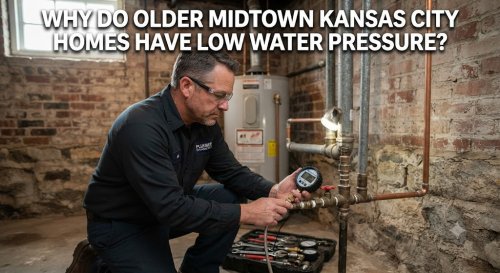
(Image Suggestion: A professional plumber inspecting historic plumbing in a Kansas City basement, featuring the title text: "Hyde Park Home Buying Plumbing Checklist")