Water Heater Not producing Enough Hot Water? KC Plumber
Is your Kansas City home running out of hot water? Learn why your water heater isn't keeping up, how to troubleshoot, and when to call a plumber.Keywords: water heater not producing enough hot water kansas city

Need a Plumber in Kansas City, MO?
Plumbing Problem? Call for professional plumbing help.
Get help with emergency plumbing, clogged drains, leaking pipes, water heaters, burst pipes and other residential plumbing problems in Kansas City, Missouri.
Need a Plumber in Kansas City, MO?
Plumbing Problem? Call for professional plumbing help.
Get help with emergency plumbing, clogged drains, leaking pipes, water heaters, burst pipes and other residential plumbing problems in Kansas City, Missouri.
Why Is My Water Heater Not Producing Enough Hot Water?
Picture this: You step into the shower after a long day in Kansas City, ready to relax. The water is perfect for a minute, and then—BAM—it’s lukewarm, or worse, ice cold. If you live in an older home in Brookside or a bustling neighborhood in Overland Park, you're not alone. This is one of the most common, and frustrating, calls we get.
This issue isn't just an inconvenience; it can be a symptom of various water heater failures that require quick attention. Homeowners often search for "why is my water heater not producing enough hot water" because they need to understand the magnitude of the problem before deciding to tackle it as a DIY project or call in a licensed plumber.
Whether it’s a standard gas tank in Midtown or an electric unit in a new build in Lee's Summit, a lack of consistent hot water can indicate everything from minor sediment buildup to component failure that requires professional replacement.
What Is a Water Heater Running Out of Hot Water?
When a water heater isn't producing enough hot water, it means the system is failing to meet the demand placed upon it. It might struggle to supply even one consistent hot shower, let alone multiple appliances running simultaneously. In the worst cases, it may produce NO hot water at all.
This isn’t just a simple issue of "hot" versus "cold." The temperature might fluctuate, the water might only get lukewarm, or the recovery time (how long it takes the tank to heat back up after use) could become excessively long. You might notice your dishwasher isn't cleaning as effectively, or your washing machine cycles are finishing colder than they should.
Why Does This Water Heater Problem Happen in Kansas City?
Several common factors, exacerbated by local conditions, cause water heaters to lose their heating efficiency:
-
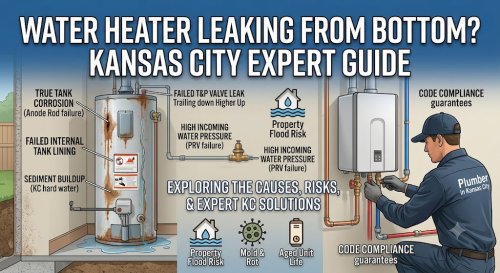
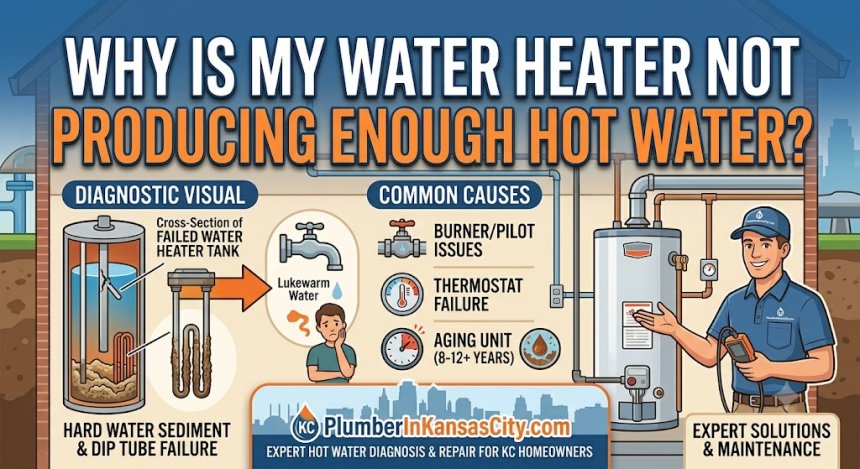
Sediment Buildup (Hard Water): This is a primary culprit in Kansas City. The water here, like in many parts of the Midwest, has a significant mineral content. Over time, these minerals, along with calcium and lime, settle at the bottom of the tank. This layer acts as an insulator, preventing the heat source from effectively reaching the water above it. The unit works harder, heats slower, and effectively holds less hot water.
-
Dip Tube Failure: This is a classic "hidden" failure. The dip tube is a plastic pipe that directs cold water coming into the tank to the bottom, where it can be heated. If this tube cracks or breaks, cold water mixes directly with the hot water near the top exit port. The result is a lukewarm, inconsistent supply.
-
Heating Element or Thermostat Failure (Electric Units): Electric heaters use upper and lower heating elements. If the lower element burns out (often from sediment buildup), the unit will only produce lukewarm water or very little. If a thermostat fails, the elements won't activate at all.
-
Burner Assembly or Thermocouple Issues (Gas Units): Gas heaters rely on a pilot light, a thermocouple (a safety device), and a burner assembly. If the pilot light goes out, the thermocouple is faulty, or the burner is clogged, the gas valve won't open to allow heating.
-
Aging Units: A standard water heater tank typically lasts 8–12 years. As they age, efficiency naturally decreases, sediment buildup becomes more severe, and component failures occur more frequently.
-
Improperly Sized Unit: Your family may have grown, or your demand may have increased. If you have a 40-gallon tank trying to supply five people with back-to-back showers, it simply won't be able to keep up, no matter how healthy the unit is.
Water Heater Warning Signs You Should Never Ignore
While the main symptom is lackluster hot water, pay close attention to these other signs, which indicate a more critical, and potentially dangerous, issue:
-
Popping, Rumbling, or Kettling Noises: This isn't your heater just working; it's the sound of water boiling underneath a layer of hardened sediment. This noise is a clear warning of excessive mineral buildup and imminent efficiency loss or component damage.
-
Rusty or Discolored Hot Water: If your hot water is rusty, but your cold water is clear, it means the internal anode rod (which protects the tank) has likely failed, and the tank itself is corroding from the inside out. Ignore this, and a catastrophic burst tank is only a matter of time.
-
Water Leaks Around the Base: Even a small puddle or dampness near the tank’s base should cause concern. It could be from a failing temperature and pressure (T&P) valve, or worse, a microscopic pinhole leak in the tank. A tank leak is not repairable.
-
Strange Smells (Rotten Eggs): If you smell sulphur or rotten eggs, especially when running hot water, it could be bacterial growth enabled by a failed anode rod, or a potential natural gas leak (if you have a gas unit).
-
Fluctuating Water Temperature: One minute it’s hot, the next it's lukewarm. This fluctuation, particularly during a shower, often points to dip tube failure or struggling heating elements.
Common Related Plumbing Problems KC Homeowners Face
A failing water heater rarely exists in a vacuum. It can trigger or be exacerbated by other issues:
-
Pipe Leaks: High water pressure or significant temperature swings can strain connections, leading to pinhole leaks in aged supply pipes.
-
Hard Water Damage to Fixtures: If sediment is clogging your heater, it’s also affecting your faucet aerators, showerheads, and appliance valves, shortening their lifespan.
-
Burst Pipes: In the extreme cold of a Kansas City winter, a failed heater in an uninsulated garage can lead to the surrounding pipes freezing and bursting.
-
Gas Line Concerns: Issues with a gas water heater can be complicated by old gas line connections, requiring a specialist.
Step-by-Step Professional Water Heater Repair Process
When you call Plumber in Kansas City for hot water issues, our licensed technicians follow a thorough process to ensure a reliable solution:
-
Step 1 Inspection: We perform a complete visual and operational check of the unit, including gas/electric connections, the thermostat settings, the T&P valve, and signs of leakage or corrosion.
-
Step 2 Diagnosis: Using specialized tools, we diagnose the precise fault—testing heating elements, checking the thermocouple, evaluating the pilot light assembly, or confirming sediment buildup.
-
Step 3 Estimate: We provide a clear, upfront estimate detailing the recommended repair (e.g., element replacement, dip tube swap, a thorough flush) or, if necessary, an honest recommendation for replacement based on the unit's age and condition.
-
Step 4 Repair: Our plumbers perform the necessary repair, using high-quality parts and adhering to strict plumbing codes. This might include replacing thermostats, elements, the dip tube, or the anode rod.
-
Step 5 Testing: We re-pressurize the tank, relight the pilot (if gas), set the thermostat, and monitor the unit to ensure it reaches the correct temperature and recovery is efficient.
-
Step 6 Cleanup: We respect your property and leave the work area tidy, disposing of old parts or equipment responsibly.
-
Step 7 Maintenance Advice: We provide specific advice on how to extend the life of your repair and maximize the longevity of your water heater, customized for local Kansas City water.
Can You Fix Your Water Heater Yourself? Safe DIY vs. Major Risks
Safe DIY Homeowners Can Try
-
Check the Power: Ensure the circuit breaker (electric) isn't tripped or the gas valve (gas) is fully open.
-
Inspect the Thermostat: Make sure the temperature is set correctly (typically 120°F–140°F).
-
Reset the High-Temperature Limit: On electric heaters, pressing the red reset button behind the access panel (after turning off the breaker!) can sometimes restore power if it tripped due to overheating.
-
Relight the Pilot Light: For gas units with a visible pilot, carefully follow the manufacturer's relighting instructions printed on the unit.
When DIY Becomes Dangerous
-
Never Open a Pressurized Tank: Attempting to remove elements, the dip tube, or the T&P valve while the tank is pressurized and hot is incredibly hazardous, risking severe burns.
-
Gas Connections: Natural gas is volatile. Improperly handling the burner assembly, gas valve, or thermocouple can lead to gas leaks and explosion risks.
-
Electrical Hazards: Working on 240-volt electric heaters requires significant electrical knowledge. Mistakenly handling live wires is life-threatening.
-
Pinhole Leaks in Tank: Pinhole leaks cannot be successfully repaired; attempting to patch a pressurized tank fails and often leads to a full tank rupture.
Tools Professionals Use for Water Heater Repair
Licensed plumbers use precise equipment to ensure an accurate and long-lasting fix:
-
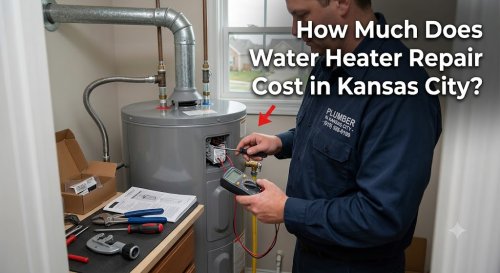
Digital Multimeters: Used to test the resistance and continuity of electric heating elements and thermostats, accurately determining component failure.
-
Manometers & Gas Pressure Gauges: Crucial for testing gas pressure in supply lines and ensuring the main burner assembly is operating efficiently and safely.
-
Dip Tube Extractors: Specialized hooks or pliers to cleanly remove a failed, brittle dip tube from the tank without damaging the opening.
-
Anode Rod Wrenches: Heavy-duty, high-leverage wrenches required to break the tight factory seal on anode rods for replacement.
-
Professional Power Flushers: Instead of just gravity draining, power flushers use high-velocity water to forcefully remove hardened sediment from the tank bottom.
How Long Does the Water Heater Repair Take?
The repair timeline depends on the diagnosis and parts availability:
-
Heating Element / Thermostat Replacement: 1–2 hours.
-
Thermocouple / Pilot Assembly Repair: 1.5–2 hours.
-
Dip Tube or Anode Rod Replacement: 1–3 hours, depending on accessibility and difficulty of removal.
-
Full Professional Tank Flush: 1 hour.
-
Catastrophic Emergency Tank Rupture Response: Immediate stabilization in 1–2 hours, followed by replacement in 4–8 hours.
Water Heater Repair Cost Factors in Kansas City
We provide upfront estimates, but final costs vary based on these elements:
-
Diagnostic Fees: A standard charge to have a licensed plumber inspect the unit and pinpoint the failure.
-
Parts and Components: The price difference between a generic thermocouple and a specialty commercial heating element can be significant.
-
Labor and Complexity: Accessible residential units take less time than hard-to-access commercial units or those requiring complex gas line work.
-
Emergency Service Charges: Calls made on weekends, holidays, or after normal business hours incur premium labor rates.
-
Replacement vs. Repair: In many cases with aging units (8+ years), investing in a full replacement is more cost-effective than continuous, expensive repairs.
-
Unit Accessibility: A water heater on a concrete pad in a basement is easier to work on than one tucked into a tight attic crawl space.
Plumbing repair costs vary depending on the severity of the problem, accessibility, materials required, emergency service, property type, and local labor rates.
Hidden Truths Every Kansas City Homeowner Should Know
-
Small Leaks Turn into Floods Overnight: A tiny puddle today means the inner tank liner has likely failed. Pinhole leaks don't hold pressure; a small leak can become a 50-gallon indoor swimming pool while you are at work.
-
Cheap Temporary Fixes Often Fail (Fast): "Fixing" elements without removing sediment or patching a T&P valve is a recipe for quick re-failure, costing you more in the long run.
-
Insurance Companies Deny Claims for Neglected Water Heaters: If a heater bursts and floods your home, but the inspector finds years of documented sediment buildup or ignored rust, insurance may deny coverage, citing neglect.
-
Sediment Buildup Decreases Efficiency dramatically: Every 1/4 inch of sediment on the tank bottom can increase energy consumption by up to 30%, adding hundreds to your Kansas City utility bills every year.
-
Hard Water Shortens Every Fixture’s Lifespan: If your water heater is failing, the same mineral content is attacking your expensive showerheads, faucet cartridges, dishwasher, and washing machine.
-
Mold Develops Within 24–48 Hours: Even a minor, unaddressed leak in a basement or garage creates an environment for hazardous mold growth that spreads quickly into your home's air supply.
15 Common Mistakes Homeowners Make That Destroy Their Water Heater
-
Ignoring rusty or discolored hot water until the tank bursts.
-
Using aggressive chemical drain cleaners on the main supply or drain lines.
-
Ignoring "popping" or rumbling sounds from the tank.
-
Setting the thermostat too high (above 140°F), which risks scalding and accelerates component wear.
-
Skipping maintenance, especially an annual professional tank flush and anode rod check.
-
Hiring unlicensed handymen for complex gas or high-voltage electrical repairs.
-
Attempting to repair a leaking inner tank, which is always futile and dangerous.
-
Installing a unit that is too small for the household’s true hot water demand.
-
Letting small drips from connections or the T&P valve persist until major failure occurs.
-
Storing paint, gasoline, or other flammable liquids next to a gas water heater.
-
Failing to know the location of the main water and gas shut-off valves.
-
Believing a tankless heater never runs out of hot water (they are flow-limited!).
-
Waiting for a complete hot water failure before scheduling an inspection.
-
Over-tightening plumbing fittings, causing cracks and slow leaks.
-
Failing to test the T&P relief valve periodically, allowing it to become blocked.
Top 20 Water Heater Maintenance Tips (and Seasonal Advice!)
-
Flush the Tank Annually: Forcefully draining sediment is crucial for local water conditions. (Seasonal: Best done in Spring after winter sediment has settled).
-
Check the Anode Rod Every 2–3 Years: Replace it before it's gone! This is the most crucial step for stopping tank corrosion.
-
Test the Temperature & Pressure (T&P) Valve: Carefully lift the handle; water should release and stop immediately. If it drips, replace it.
-
Set the Temperature to 120°F: A balanced setting that prevents scalding, saves energy, and reduces component wear.
-
Insulate the First 6 Feet of Hot Water Pipe: Reduces heat loss, making your unit work less.
-
Drain Sediment Quarterly: Do a quick 2–3 minute drain from the drain valve to keep major buildup at bay between flushes.
-
Keep the Area Clear: Maintain at least 2 feet of space around the unit for ventilation and safety.
-
Inspect Connections: Visually check the in-let/out-let, gas line, and electrical connections for any signs of corrosion or leakage.
-
Relight the Pilot Light Safely: Follow manufacturer instructions precisely; never guess.
-
Know the Main Shut-Off Valves: Learn how to quickly turn off the water and gas supply in an emergency.
-
Install a Expansion Tank: If you have a closed-loop plumbing system (common with check valves), an expansion tank absorbs thermal expansion, protecting your main unit.
-
Check for Rattling Pipes: Secure loose pipes, as constant vibration strains connections.
-
Listen for New Noises: Address popping or rumbling sounds before efficiency fails.
-
Upgrade to Braided Supply Lines: If you still have copper connections, upgrading to durable braided stainless steel can reduce leak risk.
-
Vacuum Gas Burners: (Gas Units) Carefully clear dust and debris from the burner area.
-
Seasonal Winter Prep: If your heater is in an unheated space, wrap it in a certified insulating blanket and ensure nearby pipes are insulated.
-
Check Flue for Blockage: (Gas Units) Ensure the exhaust flue is clear to prevent hazardous carbon monoxide buildup.
-
Monitor the Vent Stack: Ensure the vent on the roof isn't blocked by leaves or debris.
-
Schedule a Professional Annual Review: Get a licensed inspection to catch minor issues.
-
Upgrade to a Tankless Unit: If you are over standard tank life, consider tankless for an endless supply and lower bills.
When to Call an Emergency Plumber in Kansas City
Some hot water issues demand an immediate response, 24/7. Call a professional right away if:
-
The Tank Has Burst: Raw water is continuously flooding your basement or utility room.
-
There is NO Running Water: A water heater failure has caused a total disruption of all household water.
-
You Smell Natural Gas: Evacuate immediately and call from outside. Gas leaks around a water heater are critical.
-
The Heater is Leaking Water From the Inside: A tank leak is an active, unrepairable emergency.
A rapid response is essential to stop water damage, prevent mold growth, and avoid high-voltage or natural gas hazards in your home.
Water Heater Frequently Asked Questions (FAQ)
How do I know if my sewer line is broken?
Symptoms include persistent backups in multiple drains, unusual wet patches in the yard, lush green grass, or foul sewer odors around your foundation. (A sewer camera scope is needed for verification).
Is hydro jetting safe for old pipes?
Hydro jetting uses intense pressure and is only safe for old pipes (like clay or cast iron) if a camera inspection confirms they are structurally sound with no major collapses or extensive cracks.
How much does leak detection cost?
The cost of leak detection depends on the tools needed (thermal cameras, sonic equipment), the location of the leak (slab vs. wall), and the property’s accessibility.
Why is my water pressure suddenly low?
This could be a pressure reducing valve (PRV) failure, a hidden leak on the main supply line, a blocked aerator/showerhead, or a temporary issue with the municipal Kansas City supply.
Can a clogged drain damage pipes?
Yes, repeated clogs cause stress and can push waste through hairline cracks. Even worse, caustic chemical drain cleaners corrode pipes from the inside out, leading to failures.
How long do water heaters last?
Traditional tank-style water heaters generally last 8–12 years. Factors like hard water, maintenance, and water pressure influence the unit’s lifespan.
Why does my faucet drip?
Dripping faucets are usually caused by a worn-out rubber washer, an O-ring, or a faulty cartridge that no longer creates a watertight seal.
What causes pipes to burst?
Pipes typically burst from water freezing and expanding inside the line (common in KC winters), excessive water pressure, extreme corrosion, or physical damage.
Can plumbing leaks increase my water bill?
Absolutely. A seemingly minor pinhole leak on a pressurized supply line can waste thousands of gallons of water per month, dramatically increasing your bill.
When should I replace plumbing instead of repairing it?
If you have extensive, widespread corrosion (common in old galvanized pipes), frequent leaks in multiple areas, or aged cast-iron sewer lines that are collapsing, full replacement is a more reliable and cost-effective solution than continuous patch repairs.
Why Choose Plumber in Kansas City for Your Water Heater Needs?
We believe in radical honesty. If we inspect your aging, sediment-filled water heater, we will recommend a replacement rather than taking your money for a repair we know will fail in a few months.
-
Experienced, Licensed Plumbers: Our technicians understand the specific plumbing systems and local water quality in the Kansas City metro area.
-
Honest, Data-Driven Recommendations: We provide reliable estimates and will always recommend replacement over expensive, futile repairs when appropriate.
-
Upfront, Accurate Estimates: We detail all material, labor, and permit costs before we begin work.
-
Fast Emergency Response: We provide reliable assistance when you are facing a burst tank or NO hot water.
-
Local Kansas City Expertise: Our knowledge of local water conditions means our maintenance advice is tailored to maximize your unit’s lifespan.
When your water heater is struggling, or you simply want to ensure your family has consistent hot water, contact