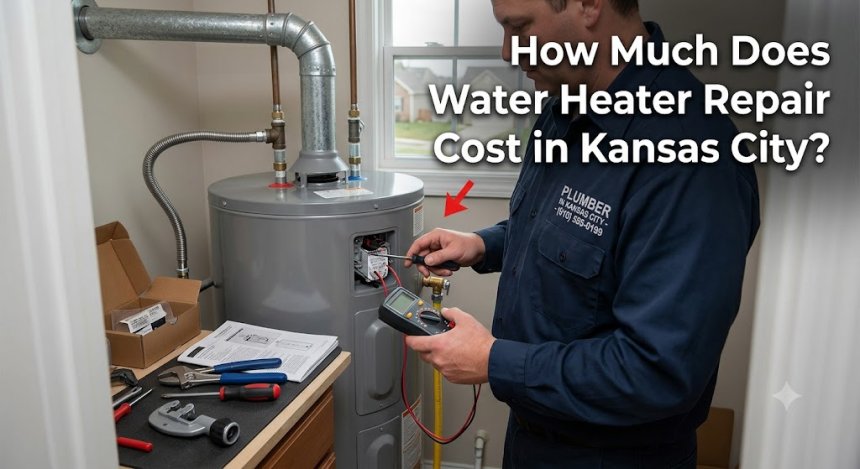
How Much Does Water Heater Repair Cost in Kansas City?
Worried about hot water issues? Discover what water heater repair costs in Kansas City. Learn about common problems, diagnostic fees, labor rates, and hidden factors that impact

Need a Plumber in Kansas City, MO?
Plumbing Problem? Call for professional plumbing help.
Get help with emergency plumbing, clogged drains, leaking pipes, water heaters, burst pipes and other residential plumbing problems in Kansas City, Missouri.
Need a Plumber in Kansas City, MO?
Plumbing Problem? Call for professional plumbing help.
Get help with emergency plumbing, clogged drains, leaking pipes, water heaters, burst pipes and other residential plumbing problems in Kansas City, Missouri.
How Much Does Water Heater Repair Cost in Kansas City?
There is rarely a good time for your water heater to fail, but it always seems to happen at the absolute worst moment. You step into the shower after a long day, expecting a warm, relaxing soak, only to be met with an icy blast. Your heart sinks. You instantly start wondering: "Is this a simple fix, or do I need a whole new unit?" And, of course, the big question: "How much is this going to cost me?"
As an experienced
In this guide, I will break down exactly what goes into water heater repair cost in Kansas City. We won't give you fake "fixed" prices, because every home’s situation is different. Instead, I’ll arm you with the knowledge you need to understand diagnostic fees, labor rates, component costs, and how to know if your unit is worth saving.
What Is the Plumbing Issue? (And Who It Affects)
A water heater failure means the appliance responsible for heating and storing your home’s domestic water supply has stopped functioning correctly. It primarily affects anyone who relies on hot water for essential daily tasks—which is, quite frankly, everyone. Homeowners, tenants, and business owners across the entire Kansas City metro area, from the Northland down to Lee’s Summit, face these issues.
It happens because water heaters are complex machines constantly subjected to high temperatures, pressure fluctuations, and corrosive minerals found in the local water supply. Immediate attention is crucial not just for your comfort, but to prevent potential hazards like water leaks (which can ruin finished basements) or, in the case of gas units, hazardous exhaust venting issues. People search for this topic intensely because they want to know how much they need to budget for the repair versus a full, multi-thousand-dollar replacement.
Why Does This Plumbing Problem Happen?
While sometimes a component simply wears out, several specific factors accelerate water heater failure:
-
Hard Water Mineral Buildup (Sediment): This is the #1 culprit in Kansas City. Minerals like calcium and magnesium settle at the bottom of the tank. This sediment creates an insulating layer that prevents the heat source (burner or element) from effectively heating the water. The unit works harder, overheats, and components fail prematurely.
-
Corrosion: Water heaters are made of metal. Even with a protective anode rod, the internal tank will eventually rust, especially if maintenance is neglected.
-
High Water Pressure: If your home's water pressure is too high, it constantly strains the tank’s seams and connections, leading to weak spots and eventual leaks.
-
Aging Unit: Most tank-style water heaters are designed to last 8 to 12 years. As they approach the end of this lifespan, failures become inevitable.
-
Component Wear: Heating elements burn out, thermostats fail, gas valves become stuck, and pilot lights go out. These are simple electronic or mechanical failures that are usually repairable.
Signs You Should Never Ignore
You don’t always wait for the water to get cold. Your unit will often give you hints that trouble is brewing:
-
No Hot Water (Obviously): This is the ultimate symptom, indicating a complete failure of the heating mechanism.
-
Lukewarm or "Run-Out-Fast" Water: This often points to a burned-out lower element (in electric units) or a failing thermostat.
-
Popping, Rumbling, or Kettling Noises: This is the classic sound of water boiling underneath a thick layer of sediment at the bottom of the tank. It means your unit is struggling severely.
-
Water Puddles Around the Base: Even a small amount of water indicates a leak from the tank, a valve, or a connection. This is often the first sign of a tank that needs replacement.
-
Rusty or Discolored Water (Hot Water Only): If your hot water is rusty but cold water is clear, it means the anode rod has likely failed and the tank itself is corroding.
-
Foul Rotten Egg Odor: This is often bacterial growth inside the tank enabled by a failed anode rod reacting with the water supply.
Common Related Plumbing Problems
When you notice a water heater issue, other related problems might be occurring or soon will be:
-
Pipe Leaks: Temperature swings can stress aged plumbing connections near the unit.
-
Burst Pipes: In the winter, a failed heater in an uninsulated garage or crawlspace can lead to the supply lines freezing and bursting.
-
Fixture Damage: If sediment is clogging your heater, it’s likely also affecting your faucet aerators and appliance valves throughout the house.
-
Sewer Backups: Though not directly related to the heater itself, we sometimes find a floor drain is backed up when we are inspecting a water heater leak in a basement.
Step-by-Step Professional Repair Process
When you call
-
Step 1 Inspection: We perform a complete visual and operational check of the unit, including gas connections (if gas), electrical wiring (if electric), the temperature and pressure (T&P) valve, and signs of corrosion or leakage.
-
Step 2 Diagnosis: This is the most crucial step. Using specialized tools, we diagnose the precise fault—testing elements for continuity, checking the thermostat settings, evaluating the thermocouple, or confirming sediment buildup.
-
Step 3 Estimate: We provide a clear, upfront estimate that details the necessary parts and expected labor time. We also provide our honest recommendation: "Is this unit repairable, or is a replacement a wiser financial choice?"
-
Step 4 Repair: Once approved, we perform the necessary repair, using high-quality components and adhering to all strict local Kansas City plumbing codes.
-
Step 5 Testing: We re-pressurize the tank, light the burner (if gas), set the thermostat, and monitor the unit to ensure it reaches temperature and cycles off correctly.
-
Step 6 Cleanup: We respect your property and leave the work area tidy, disposing of any old parts responsibly.
-
Step 7 Maintenance Advice: We provide specific advice on how to extend the life of your repair and maximize the unit’s longevity, tailored to local hard water conditions.
Can You Fix Your Water Heater Yourself? Safe DIY vs. Major Risks
Safe DIY Homeowners Can Try
-
Check the Power: Ensure the circuit breaker (electric) isn’t tripped or the gas valve (gas) is fully open.
-
Verify Thermostat Settings: Confirm the temperature is set correctly (typically 120°F – 140°F).
-
Reset the Upper Thermostat (Electric): Pressing the red reset button behind the upper access panel (after turning off the breaker!) can sometimes restore power if it tripped due to overheating.
-
Relight the Pilot Light (Gas): Carefully follow the manufacturer's relighting instructions printed directly on the unit.
When DIY Becomes Dangerous and Risks Costs
-
Never Open a Pressurized Tank: Attempting to remove elements, the dip tube, or the T&P valve while the tank is hot and under pressure is incredibly hazardous.
-
Gas Line Hazards: Working on natural gas connections requires special training and licensing. Mistaking a gas issue can lead to catastrophic leaks or explosion risks.
-
High-Voltage Electrical Dangers: Working on 240-volt electric heaters without proper knowledge can be fatal.
-
Caustic Chemical Dangers: Attempting to "dissolve" sediment with improper chemicals can ruin the tank or contaminate your fresh water supply.
Tools Professionals Use
Licensed plumbers use specialized equipment to ensure an accurate diagnosis and code-compliant repair:
-
Digital Multimeters: To test electric heating elements, thermostats, and thermocouples for proper function.
-
Manometers & Gas Pressure Gauges: Crucial for testing gas line pressure and ensuring the main burner is operating safely and efficiently.
-
Anode Rod Wrenches: Heavy-duty, long-handle wrenches are required to break the tight factory seal on old anode rods.
-
Professional Power Flushers: Instead of just gravity-draining, power flushers use high-velocity water to forcefully remove hardened sediment.
How Long Does the Repair Usually Take?
The duration of a repair depends on the diagnosis and part availability:
| Problem Complexity | Estimated Diagnostic Time | Estimated Total Repair Time |
| Simple Component Failure (Element, Thermocouple, Pilot) | 30 – 60 Minutes | 2 – 4 Hours |
| Moderate Structural Repair (Dip Tube, Anode Rod) | 1 – 2 Hours | 3 – 5 Hours |
| Major, Deep Component Failure (Gas Valve, Complex Electrical) | 1 – 2 Hours | 4 – 8 Hours (depending on parts) |
| Emergency Temporary Bypass (Leaking Tank stabilization) | 30 – 60 Minutes | 1 – 2 Hours |
A professional power flush to remove severe sediment can add another hour to the service time.
Cost Factors for Water Heater Repair in Kansas City
Providing a generic, fixed price is impossible because every failure is unique. Any company promising a "flat rate" for a hidden leak over the phone without a physical diagnosis should be approached with caution. Plumbing repair costs vary depending on the severity of the problem, accessibility, materials required, emergency service, property type, and local labor rates.
Here are the real factors that will drive your final invoice in Kansas City:
-
Diagnostic Fee: Licensed plumbing companies charge a standardized diagnostic or "service call" fee (typically $100-$200) to arrive, perform pressure tests, and verify the failure. This compensates the technician for their time and equipment used for the diagnosis, even if you decide not to proceed with the repair.
-
Diagnostic Fees and Pricing Models
-
Flat-Rate Pricing: This means the plumber will provide a single, fixed price for the entire repair (e.g., "$350 to replace both elements"). The diagnostic fee might be rolled into the flat rate or charged separately. This provides cost certainty.
-
Time & Materials (Hourly): This means you are charged for the diagnostic time plus an hourly labor rate (typically $100-$175 per hour in KC) plus the actual cost of parts. This can be less expensive for simple fixes, but costs can escalate if the repair is complex.
-
-
Components and Parts: The cost difference between a generic thermocouple and a high-efficiency electric heating element is significant. Gas valves are generally more expensive than electric elements.
-
Emergency Service Charges: Calls made after hours (e.g., 8 PM), on weekends, or holidays carry substantial emergency premiums—often $150-$250+ just to dispatch a technician, on top of the diagnostic fee and repair costs.
-
Labor Complexity: A water heater on a concrete pad in a basement is easily accessible. Addressing a failing unit tucked into a tight attic crawlspace requires significantly more labor hours and effort.
-
Replacement vs. Repair: This is the #1 cost variable. If we inspect your 10-year-old, heavily corroded tank with a failing gas valve, we will almost always recommend a replacement over an expensive, futile repair.
-
Equipment Needed: A complex gas valve replacement might require specialized manometers or gas analyzers that add specialized diagnostic line items to the invoice.
-
Accessibility and Space Constraints: If plumbing lines are deeply embedded or extremely difficult to access, this increases the labor time significantly.
Hidden Truths Kansas City Homeowners Should Know
These are the practical realities of owning a water heater:
-
Small Drips Turn into Huge Basement Floods Overnight: A tiny puddle today means the inner tank liner has likely failed. Pinhole leaks don't hold pressure; they will suddenly blow out while you are at work.
-
Cheap Temporary Fixes Often Fail (and Cost You More): Hiring an unlicensed handy-person to "fix" an element without addressing the underlying sediment is a waste of money. The new element will just burn out again in a few months.
-
Insurance Companies Deny Claims for Neglected Water Heaters: If your heater bursts and floods your finished basement, and the claims adjuster finds years of documented sediment buildup, they can deny the claim due to lack of standard property maintenance.
-
Sediment Buildup Decouples Energy Efficiency: Even if your unit "works," 1/4 inch of sediment at the bottom can increase energy consumption by 20% or more, adding hundreds to your KC utility bills every year.
-
DIY Mistakes Convert simple Repairs into Whole-House replacements: An improper electrical connection can catch fire, and an over-tightened T&P valve can snap the connection off the tank, immediately destroying the unit.
15 Common Mistakes Kansas City Homeowners Make
-
Ignoring small puddles or dampness around the base, assuming it’s just condensation.
-
Using aggressive chemical drain cleaners on the supply or drain lines.
-
Turning the temperature setting above 140°F, which risks scalding and accelerates component wear.
-
Hiring unlicensed handy-persons or unvetted contractors.
-
Skipping maintenance, especially an annual professional tank flush and anode rod check.
-
Believing a tankless heater never requires maintenance (they scale up faster than tank units!).
-
Storing paint, gasoline, or other flammable liquids next to a gas water heater.
-
Failing to know where the main water and gas shut-off valves are located.
-
Delaying repairs until a complete cold-water crisis occurs.
-
Using improper pipe materials (like improper PVC variants) for hot supply lines.
-
Ignoring rumbling or popping sounds from the tank.
-
Attempting to repair a leaking inner tank, which is futile.
-
Over-tightening plumbing fittings, causing cracks and slow leaks.
-
Letting a failed heater continue to operate, risking major structural damage to your home.
-
Failing to have a licensed inspection before investing in an expensive, futile repair on an aged unit.
Water Heater Maintenance Tips (tailored for KC)
-
Flush the Tank Annually: Forcefully draining sediment is crucial for local water conditions. Best done in the Spring after winter sediment has settled.
-
Check the Anode Rod Every 2-3 Years: Replace it before it’s gone! This is the most crucial step for stopping tank corrosion.
-
Test the T&P Relief Valve: Lift the lever; water should release and stop immediately. If it drips, replace it.
-
Set Temperature to 120°F: A balanced setting that prevents scalding, saves energy, and reduces component wear.
-
Insulate the First 6 Feet of Hot Pipe: Reduces heat loss, making your unit work less.
-
Drain Sediment Quarterly: Do a quick 2-3 minute drain to keep major buildup at bay.
-
Maintain 2 Feet of Clear Space Around the Unit: Crucial for ventilation and safety.
-
Inspect Connections Visual and feel: Look for slow weeping or white calcification.
-
Relight the Pilot Light Safely: Follow instructions exactly; never guess.
-
Learn to Shut Off Water and Gas Instantly: Practice finding and operating the valves.
-
Seasonal Winter Prep: Ensure nearby pipes are insulated in unheated areas.
-
Check the Vent Flue (Gas Units): Ensure it isn’t blocked by debris or birds.
-
Clean the Burner Assembly: Vacuum dust and debris from the burner area.
-
Upgrade to durable supply lines: If you still have old copper supply lines, upgrading to braided steel reduces leak risk.
-
Consider a Water Softener: The ultimate maintenance step for protecting all your home's water-using appliances from hard water damage.
When to Call an Emergency Plumber
Hot water issues often require immediate action. Contact
-
Raw Sewage Backup into multiple Drains: A total plumbing disruption.
-
Total Loss of Water Throughout the Whole House: Indicates a major main line failure.
-
Gas Line Concerns (Gas smell): Natural gas is volatile. Evacuate immediately and call from a neighbor’s house.
-
The Tank Has Burst: Constant, high-volume flooding that cannot be isolated.
-
The Heater is Leaking Water From the Interior: A tank leak is an unrepairable emergency.
A quick response is essential to stop water damage, prevent mold growth, and avoid electrical or gas hazards in your home.
Frequently Asked Questions
Why is my water pressure suddenly low?
This can be a failing Pressure Reducing Valve (PRV), a hidden leak on your main supply line, or even a temporary issue with the municipal Kansas City water supply.
How much does leak detection cost?
Cost depends on the tools needed (thermal cameras, acoustic equipment), the location of the leak (slab vs. wall), and accessibility. This is a separate specialized diagnostic service.
Can a clogged drain damage pipes?
Yes, repeated clogs create excessive pressure, and aggressive chemical cleaners corrode pipes from the inside out, causing failures.
Is hydro jetting safe for old pipes?
Only if a camera inspection confirms the pipe is structurally sound. Hydro jetting brittle clay or cast iron lines without a scope can destroy them.
How long do water heaters last?
Traditional tank-style heaters generally last 8-12 years. Regular maintenance (flushes and anode rods) can stretch this towards 15 years.
Why does my faucet drip?
Usually a worn-out rubber washer, an O-ring, or a failed internal cartridge that no longer creates a watertight seal.
What causes pipes to burst?
Water freezing and expanding inside (common in KC winters), excessive pressure, corrosion, or physical damage.
Can plumbing leaks increase my water bill?
Absolutely. A seemingly minor pinhole leak on a pressurized supply line can waste thousands of gallons of water per month.
When should I replace plumbing instead of repairing it?
If you have extensive galvanized pipes (common in older KC homes), frequent leaks, or aged cast iron lines that are collapsing, full replacement is a wiser long-term financial move.
Why Choose Our Plumbing Company
When you are facing a hot water emergency in the middle of a Kansas City winter, you need a plumbing company that delivers honesty, expertise, and rapid service. This is what we offer at
-
Experienced licensed plumbers: Our technicians are fully vetted, background-checked, and understanding of local codes.
-
Honest recommendations: We won’t take your money for a repair on a unit that is terminal. We will always tell you if replacement is the wiser financial decision.
-
Upfront estimates: You will always know the final cost before major work begins.
-
Fast response: We strive to stabilize your emergency quickly.
-
Emergency availability: We are here 24/7 when you need us most.
-
Quality workmanship: Our repairs are code-compliant and built to last.
-
Modern equipment: We invest in advanced tools for faster diagnostics and more precise repairs.
-
Warranty: We stand behind our work (ask for details!). Customer satisfaction is our goal.
-
Local expertise: We understand Kansas City’s water quality, soil, and unique architectural challenges.
Contact