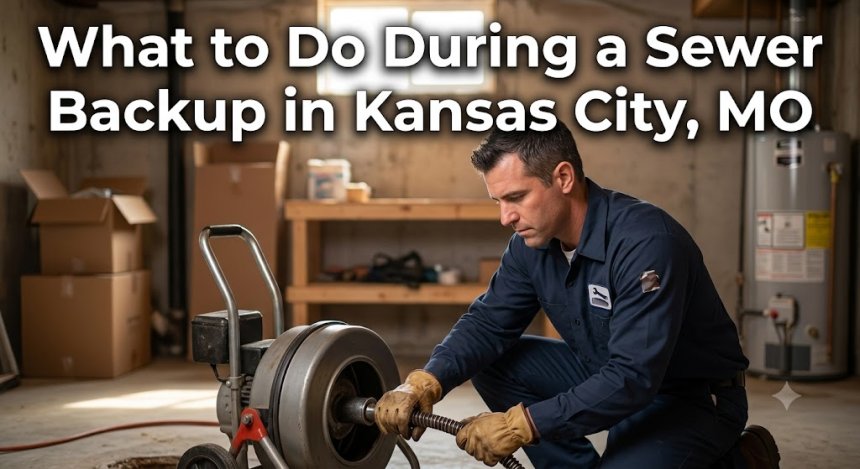
What to Do During a Sewer Backup in Kansas City, MO
Dealing with a sewer backup in Kansas City? Follow this step-by-step emergency guide covering safety steps, causes, repair costs, and prevention.

Need a Plumber in Kansas City, MO?
Plumbing Problem? Call for professional plumbing help.
Get help with emergency plumbing, clogged drains, leaking pipes, water heaters, burst pipes and other residential plumbing problems in Kansas City, Missouri.
Need a Plumber in Kansas City, MO?
Plumbing Problem? Call for professional plumbing help.
Get help with emergency plumbing, clogged drains, leaking pipes, water heaters, burst pipes and other residential plumbing problems in Kansas City, Missouri.
What to Do During a Sewer Backup in Kansas City
Few household emergencies are as distressing as discovering dark, foul-smelling wastewater bubbling up through your basement floor drains, shower basins, or toilets. A main sewer backup is not just a messy inconvenience—it poses immediate health hazards and can cause severe structural damage to your property within hours.
Homeowners and commercial property owners across Jackson, Clay, and Platte counties regularly deal with sewer backups, especially during heavy Midwestern rainstorms, seasonal freeze-thaw cycles, or in neighborhoods with historic plumbing systems like Midtown, Westport, and Brookside. Knowing how to react in the first few minutes of a main line blockage keeps your family safe, limits property destruction, and helps you avoid astronomical biohazard cleanup costs.
What Is a Sewer Line Backup?
A sewer line backup occurs when wastewater carrying greywater and blackwater cannot flow out to the municipal sewer main or septic system. Blocked by an obstruction, cracked pipe, or overloaded city main, wastewater reverses direction and forces its way back up into your home through the lowest plumbing fixtures.
                  TYPICAL HOME SEWER SYSTEM BACKUP

   [Bathroom Tubs/Toilets]       [Kitchen Sinks/Laundry]
              \                             /
               \                           /
                +-------------------------+
                            |
                    [Main Drain Stack]
                            |
       =====================x=====================  <-- BLOCKAGE HERE
                            | (Waste forced backwards)
                            v
               [Lowest Basement Floor Drain]
                   (Wastewater Backs Up!)
Common Symptoms of a Main Sewer Backup
-
Multiple Clogged Fixtures: Running the kitchen sink causes water to gurgle or rise in the downstairs bathtub.
-
Basement Floor Drain Flooding: Standing water or dark sludge accumulating around basement drains or sump pits.
-
Bubbling or Gurgling Toilets: Toilet bowls bubbling or releasing foul gas when the washing machine drains.
-
Sewer Gas Odors: A strong, pervasive rotten egg or sewage smell inside or around your property.
Why Does This Plumbing Problem Happen?
Sewer backups across Kansas City happen due to a mix of aggressive local environment factors, soil conditions, and system wear:
-
Tree Root Intrusion: Mature silver maples, oaks, and elms seek out moisture through microscopic cracks in aging sewer pipe joints, expanding into dense root masses that block waste.
-
Aging Clay and Cast-Iron Pipes: Many homes built before 1980 feature clay tile or cast-iron lines that crack, offset, or collapse over time under ground weight.
-
Shifting Kansas City Clay Soil: The high swelling potential of regional clay soils puts immense pressure on buried lines, causing pipe bellies (sagging sections that trap solids).
-
Heavy Storm Runoff & Municipal Overloads: Severe rain events can overwhelm municipal sewer systems, causing rainwater and sewage to flow backward into residential connections.
-
Fats, Oils, Grease, and "Flushable" Wipes: Solidified cooking fats combined with wipes form dense blockages that standard drain pressure cannot push through.
Signs You Should Never Ignore
Recognizing warning signs before a total sewer backup stops raw waste from entering your living space:
-
Slow-Draining Fixtures Across the House: If all sinks and tubs drain slowly simultaneously, the block is in the main line, not individual traps.
-
Water Rising in Tubs After Flushing: Flushing a toilet forces trapped air and water upward into adjacent shower drains.
-
Unexplained Lush Green Spots in the Yard: Extra green, sunken, or soggy patches of lawn directly over your lateral line indicate an underground leak.
-
Frequent Drain Clogs: Drains that clog repeatedly despite regular clearing point to structural sewer defects or deep root masses.
-
Foul Odors Near Foundation Walls: Persistent sewage smells outside or near basement walls signal line cracks.
Common Plumbing Issues Related to Sewer Backups
Sewer line failures rarely happen in isolation; they often trigger or connect to other significant plumbing hazards:
-
Main Line Collapses: Structural pipe failure under driveway or lawn areas requiring excavation or trenchless lining.
-
Slab Leaks: Broken pipes beneath concrete basement floors releasing moisture into structural foundations.
-
Fixture Damage: Wastewater back-pressure breaking toilet floor seals (wax rings) and leaking between building levels.
-
Sump Pump Overflows: Overworked pumps failing when handling heavy storm runoff mixed with wastewater.
Immediate Action Checklist: What to Do Right Now
If sewage is backing up into your property, perform these steps immediately to keep your household safe:
-
Stop Using All Water Immediately: Do not flush toilets, run faucets, use dishwashers, or operate washing machines. Every drop poured down a drain adds to the backup.
-
Keep People and Pets Away: Raw sewage carries harmful bacteria, viruses, and parasites. Evacuate wet basement areas immediately.
-
Turn Off Electrical Power to Affected Areas: If water approaches electrical outlets, appliances, or panels, turn off electricity at the main breaker box only if you can reach it safely without stepping in water.
-
Do Not Pour Chemical Drain Cleaners Down Drains: Chemicals are completely ineffective against deep sewer blockages and create dangerous chemical pools for working technicians.
-
Call a Professional Emergency Plumber: Reach out to a licensed plumbing expert immediately to inspect and clear the line.
Step-by-Step Professional Repair Process
When a licensed technician responds to your backup emergency, they follow a systematic process to clear the blockage and protect your home:
Can You Fix a Sewer Backup Yourself?
Handling a main sewer backup requires industrial-grade tools, heavy equipment, and protective gear.
-
Safe Temporary Fixes: Shutting off household water use, clearing storage items away from basement drains, and opening your main outdoor cleanout valve lid to relieve back-pressure outside the home.
-
Safe DIY Tasks: Cleaning up minor non-hazardous greywater drips using proper protective equipment (rubber boots, gloves, eye protection, and disinfectants).
-
When DIY Gets Dangerous: Never attempt to clear main sewer lines with small hand snakes or chemical store-bought liquids. Rental drain machines can kick back and cause severe physical injury, and direct exposure to blackwater sewage presents serious health risks.
Advanced Equipment Professionals Use to Resolve Sewer Backups
Modern plumbing contractors rely on specialized technology to diagnose and fix main line issues quickly:
-
High-Definition Video Inspection Cameras: Provide real-time video feeds of pipe conditions, mapping exact depth and distance to structural defects.
-
Industrial Hydro Jetters: Blast water at up to 4,000 PSI to strip grease, scour mineral scale, and cut away dense root webs without damaging pipe walls.
-
Heavy-Duty Electric Drain Augers: Utilize tempered steel blades designed to cut through tough tree root intrusions deep underground.
-
Trenchless Pipe Lining Equipment (CIPP): Inserts resin-saturated liners into damaged pipes, creating a brand-new seamless pipe inside the old one without tearing up your lawn.
How Long Does a Sewer Backup Repair Take?
| Repair Category | Scope of Work | Estimated Duration |
| Simple Clearing | Snaking out minor root intrusions or grease blockages via cleanout | 1 – 2 Hours |
| Comprehensive Cleaning | Hydro jetting line, heavy root cutting, and full camera inspection | 2 – 4 Hours |
| Trenchless Pipe Lining | CIPP epoxies curing inside existing damaged lateral pipes | 1 Day |
| Major Excavation Repair | Excavating and replacing collapsed pipe sections under yards/driveways | 1 – 3 Days |
Key Factors That Determine Repair Costs
Plumbing repair costs vary depending on the severity of the problem, accessibility, materials required, emergency service, property type, and local labor rates.
-
Diagnostic & Camera Fees: Equipment deployment to visually inspect line conditions deep underground.
-
Depth and Location of Access: Lines located under deep soil, heavy concrete driveways, or mature trees require more labor to access.
-
Clearing Method Required: Standard mechanical augering vs. high-pressure commercial hydro jetting.
-
Repair vs. Replacement: Clearing a temporary blockage costs far less than structural pipe repair, lining, or full main-line excavation.
-
After-Hours Service Charges: Emergency dispatch fees apply during late nights, weekends, or holidays.
-
Permit & Utility Marking Fees: Structural repairs that cross property lines require municipal permits and utility locator markouts.
Hidden Truths Homeowners Should Know
-
Small Leaks Become Expensive Repairs: Ignoring slow drains leads to complete underground line collapses and costly emergency restoration.
-
Cheap Temporary Fixes Often Fail: Pouring chemical drain products down a clogged main line fails to dissolve roots and corrodes your piping instead.
-
Insurance May Not Cover Neglect: Standard homeowners policies often exclude sewer backups unless you purchase a specific "Sewer and Drain Backup" rider.
-
Tree Roots Repeatedly Damage Sewer Lines: Cutting roots out of a cracked pipe only buys time—roots inevitably grow back until the pipe is sealed or replaced.
-
DIY Mistakes Increase Repair Costs: Using incorrect cable sizes inside old clay pipes can shatter brittle line walls, turning a simple clog into a full line replacement.
-
Mold Develops Rapidly: Blackwater moisture left behind after a sewer backup spawns mold colonies within 24 to 48 hours.
15 Common Mistakes Homeowners Make
-
Continuing to Run Water During a Backup: Adding wastewater to a blocked system forces sewage out onto living area floors.
-
Flushing "Flushable" Wipes: Wipes do not break down like toilet paper and stand as a top cause of main line blockages.
-
Pouring Cooking Oil Down the Sink: Liquid fats solidify inside cold sewer pipes, catching debris and forming grease caps.
-
Using Chemical Drain Cleaners: Chemicals sit in stagnant pools inside blocked main lines, corroding metal and posing risks to plumbers.
-
Ignoring Warning Gurgles: Dismissing gurgling toilets as minor quirks instead of early signs of main line blockages.
-
Hiring Unlicensed Operators: Handymen without proper drain equipment can crack brittle clay or cast-iron pipes.
-
Skipping Annual Sewer Inspections: Forgetting routine camera checkups on older properties with surrounding mature trees.
-
Waiting Until an Emergency: Delaying service until raw waste covers basement floors increases cleanup and repair bills.
-
Planting Deep-Root Trees Near Sewer Mains: Placing fast-growing trees over buried utility runs invites root intrusion.
-
Over-Tightening Access Cleanout Caps: Stripping cleanout threads or cracking plastic caps during DIY inspections.
-
Ignoring High System Water Pressure: High pressure strains internal valve seals and joints across your fixtures.
-
Covering Access Cleanout Plugs: Hiding main sewer cleanouts behind drywall or under thick flooring makes emergency access difficult.
-
Treating Toilets Like Trash Cans: Flushing paper towels, feminine hygiene products, or cotton swabs down toilets.
-
Failing to Add Sewer Insurance Riders: Assuming basic home insurance automatically covers backup damage cleanup.
-
Delaying Professional Cleanup: Allowing blackwater to linger on carpet padding, subfloors, and studs creates severe health hazards.
15 Practical Maintenance Tips for Kansas City Property Owners
-
Schedule Annual Camera Inspections: Inspect older clay lateral lines annually to spot root incursions before total blockages happen.
-
Never Flush Wipes or Trash: Flush only human waste and standard toilet paper down your toilets.
-
Dispose of Fats in the Trash: Collect cooking oils and pan grease in jars, let them cool, and throw them away in solid trash.
-
Install a Backwater Prevention Valve: A backwater valve allows waste to exit your home but closes automatically if city mains surge backward.
-
Know Where Your Main Cleanout Is: Locate your sewer access cap (usually in the basement or yard) so plumbers can clear lines quickly.
-
Perform Preventative Hydro Jetting: Jet your line every 2 to 3 years if you live on a lot with mature, water-seeking trees.
-
Keep Basement Floor Drains Clear: Ensure floor drains near water heaters and HVAC units remain uncovered and accessible.
-
Check Sump Pump Discharge Lines: Verify sump pumps discharge water far away from foundation walls to prevent soil shifting.
-
Use Mesh Drain Catchers: Place strainers in showers and sinks to capture hair and food debris.
-
Run Hot Water After Washing Dishes: Flush kitchen lines with hot water to keep grease from building up along pipe walls.
-
Inspect Outdoor Cleanout Caps: Ensure outdoor sewer cleanout caps are tight, sealed, and undamaged by lawnmowers.
-
Educate Family Members: Ensure everyone in your household knows never to flush non-dissolvable items down drains.
-
Check Sewer Backwater Valves Seasonally: Inspect and clean debris off your backwater valve flapper once a year.
-
Add a Sewer Backup Rider to Your Insurance: Contact your insurer to confirm coverage for water and sewer backup restoration.
-
Call a Professional at the First Sign of Slow Drains: Address multi-fixture slow drains early to prevent mid-storm backups.
When Should You Call an Emergency Plumber?
Contact a licensed plumbing professional immediately if you notice:
-
Raw Sewage Backups: Waste rising through basement floor drains, showers, or toilets.
-
Multiple Blocked Fixtures: Running one tap causes water to overflow out of other drains.
-
Strong Sewer Odors: Persistent sewer gas smells inside your home or near basement walls.
-
Rising Water in Basement Sump Pits: Sump pumps struggling to keep up with incoming wastewater or storm runoff.
-
Total Loss of Wastewater Drainage: Complete inability to run any water without immediate floor backups.
Frequently Asked Questions
Why is my water pressure suddenly low?
A sudden, severe drop in water pressure across your home points to an active hidden water main leak, a failed pressure-reducing valve (PRV), or a municipal line break.
How much does leak detection cost?
Diagnostic leak detection costs depend on equipment needs and line access. Advanced acoustic or thermal imaging tools pinpoint concealed slab or wall leaks accurately without damaging property.
Can a clogged drain damage my pipes?
Yes. Severe blockages trap water under high pressure while letting corrosive wastewater sit against pipe joints and walls, accelerating corrosion.
Is hydro jetting safe for old pipes?
Hydro jetting is safe when preceded by a camera inspection. If old cast iron or terra cotta lines show severe structural cracks, jetting pressures are adjusted accordingly.
How do I know if my sewer line is broken?
Common signs include recurring multi-fixture backups, sewer gas odors, extra lush lawn patches over lateral lines, or ground sinkholes.
How long do water heaters last?
Standard tank water heaters generally last 8 to 12 years. Tankless systems can last 15 to 20 years with annual maintenance and flushing.
Why does my faucet keep dripping?
Faucets drip when internal rubber O-rings degrade, brass valve seats corrode, or ceramic cartridges collect mineral deposits.
What causes pipes to burst in winter?
Water trapped inside uninsulated pipes freezes, expands, and exerts extreme internal pressure, splitting metal or plastic pipe walls.
Can plumbing leaks increase my water bill?
Yes. A running toilet or small concealed supply leak can waste hundreds of gallons per day, significantly spiking monthly utility charges.
When should I replace plumbing lines instead of repairing them?
Replace lines when pipes show widespread structural corrosion, suffer repeated leaks across the same section, or consist of obsolete materials like lead or galvanized iron.
Why Choose Plumber in Kansas City?
When facing a messy sewer backup emergency, you need rapid response, clear answers, and skilled workmanship. Plumber in Kansas City is ready to help restore safe drainage to your property:
-
Experienced Licensed Technicians: Fully certified plumbers trained in complex sewer line clearing, hydro jetting, and trenchless repairs.
-
Upfront Estimates: Transparent pricing presented before work begins—no unexpected surprises.
-
Fast Response & Emergency Availability: Available around the clock to protect your property from structural backup damage.
-
Advanced Equipment: Utilizing high-definition sewer cameras, commercial hydro jetters, and precision locating equipment.
-
Local Expertise: Proudly serving residential and commercial property owners across Kansas City and surrounding communities with quality workmanship.
Website: