Find Hidden Water Leaks in Westport Kansas City Home
Spot hidden water leaks in your Westport, Kansas City home. Learn warning signs, causes, professional detection tools, and when to call a plumber.

Need a Plumber in Kansas City, MO?
Plumbing Problem? Call for professional plumbing help.
Get help with emergency plumbing, clogged drains, leaking pipes, water heaters, burst pipes and other residential plumbing problems in Kansas City, Missouri.
Need a Plumber in Kansas City, MO?
Plumbing Problem? Call for professional plumbing help.
Get help with emergency plumbing, clogged drains, leaking pipes, water heaters, burst pipes and other residential plumbing problems in Kansas City, Missouri.
Introduction
Finding a hidden water leak inside a historic Westport home in Kansas City can feel like hunting for a needle in a haystack. For homeowners across Jackson County—from the bustling commercial streets near Westport Road to the quiet residential avenues bordering Midtown and Soulard—older homes present unique structural challenges. Vintage building materials combined with shifting Midwestern soils frequently lead to concealed plumbing failures behind walls, beneath concrete floors, or deep underground. Understanding how to track down these elusive leaks before they trigger severe structural damage or sky-high utility bills is vital for every property owner.
What Is a Hidden Water Leak?
A hidden water leak refers to any unintended escape of water from your supply or drainage lines that occurs out of plain sight.
Common situations involve hearing the faint sound of running water behind a drywall partition when all faucets are completely closed, or discovering warm spots on a basement floor directly above a hidden slab leak. Symptoms usually emerge slowly through warped hardwood flooring, peeling paint, or a sudden, unexplained spike in your municipal water bill. In Kansas City’s historic neighborhoods, these leaks often originate in aging pipes that have silently corroded or ruptured over decades of continuous use.
Why Does This Plumbing Problem Happen?
Hidden leaks rarely manifest without an underlying mechanical failure or environmental stress factor impacting your home's plumbing network.
-
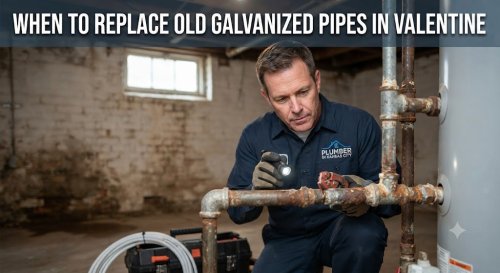
Aging pipes: Many classic Westport homes still feature original galvanized steel or cast-iron pipes that thin out and develop pinhole leaks over time.
-
Corrosion: Chemical reactions between minerals in the local water supply and metal pipes create internal pitting and eventual wall failure.
-
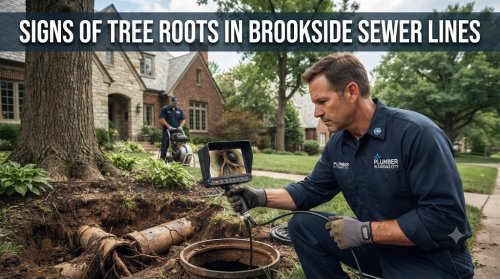
Tree roots: Aggressive roots from mature urban trees infiltrate underground service lines, cracking joints and creating hidden outdoor leaks.
-
Hard water: Mineral-heavy water deposits scale inside lines, increasing localized internal pressure and weakening pipe structures.
-
High water pressure: Excess municipal pressure forces strain against pipe joints and fittings, eventually causing silent cracks behind walls.
-
Improper installation: Past DIY repairs or substandard initial fittings can loosen or rupture years down the line under normal thermal expansion.
Signs You Should Never Ignore
Recognizing the subtle warning signs of a hidden water leak allows you to catch property damage before it requires expensive reconstruction.
-
Water stains: Discolored patches, rings, or bubbling paint on ceilings and walls indicate a steady, concealed drip from an upper floor.
-
Slow drains: While typically pointing to blockages, localized pressure loss from a leak can sometimes alter drainage dynamics.
-
Low water pressure: A sudden reduction in flow across your household fixtures often means water is escaping elsewhere before reaching the tap.
-
High water bills: A dramatic, unexplainable increase in your Kansas City water utility bill is one of the most reliable indicators of a hidden leak.
-
Damp walls or floors: Carpeting that feels inexplicably wet, or baseboards that warp and separate, point directly to moisture intrusion.
-
Mold growth: Musty odors and fuzzy mold patches behind furniture or inside closets signal chronic, hidden dampness.
-
Strange noises: Faint hissing, trickling, or hammering sounds echoing through walls when no water is running.
Common Plumbing Problems Related to This Issue
Concealed water leaks frequently trigger secondary structural and mechanical issues throughout residential properties.
-
Pipe leaks: Small pinholes quickly widen under continuous water pressure into major splits or full pipe ruptures.
-
Drain clogs: Escaping water washes away surrounding soil, causing sewer and drain lines to sag, offset, and clog easily.
-
Slab leaks: Water escaping beneath concrete foundations erodes sub-base materials, causing uneven flooring and structural settling.
-
Water heater failures: Tanks working overtime to supply water lost to a leak experience premature heating element and structural burnout.
-
Fixture damage: Continuous pressure drops force valves and internal cartridges to strain, leading to premature mechanical failure.
Step-by-Step Professional Repair Process
When you hire a licensed Kansas City plumbing team to locate and fix a hidden leak, they follow a systematic, non-destructive methodology.
-
Step 1 Inspection: Plumbers review your water meter and conduct a thorough visual sweep of all accessible plumbing fixtures and basements.
-
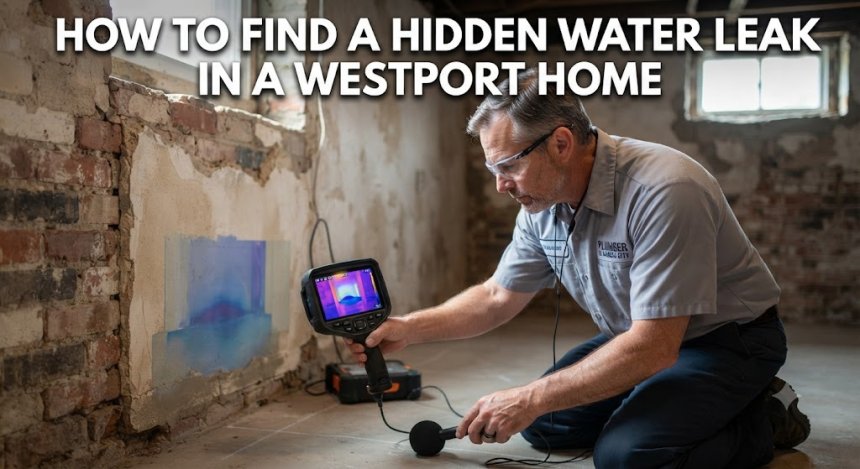
Step 2 Diagnosis: Technicians deploy advanced acoustic listening tools and thermal cameras to pinpoint the precise location of the hidden moisture source.
-
Step 3 Estimate: You receive a clear, upfront breakdown of the required repair strategy, replacement parts, and associated costs before work begins.
-
Step 4 Repair: The professional executes the fix, whether that involves performing a targeted wall opening, repiping a damaged section, or executing a trenchless repair.
-
Step 5 Testing: Pressure gauges and meter checks are re-run to confirm that the water system holds pressure and the leak is completely eliminated.
-
Step 6 Cleanup: The work area is meticulously tidied up, ensuring your living space is left clean and orderly.
-
Step 7 Maintenance Advice: Your plumber provides practical guidance on how to monitor your system and prevent future concealed leaks.
Can You Fix It Yourself?
Homeowners frequently wonder whether finding and repairing a hidden leak is a viable do-it-yourself weekend project.
-
Safe DIY solutions: You can perform a basic water meter test by turning off all indoor and outdoor taps, then checking if the meter's leak indicator dial is spinning.
-
Visual checks: Inspecting under sinks, around water heater bases, and along accessible basement ceiling joists can reveal minor visible drips.
-
When DIY becomes dangerous: Cutting blindly into drywall, drilling into concrete slabs, or trying to patch pressurized main supply lines without proper tools can cause catastrophic indoor flooding.
-
When professional plumbing is necessary: Any leak hidden behind finished walls, beneath concrete floors, or along underground service lines requires certified professional detection equipment and expertise.
Tools Professionals Use
Modern plumbing relies on high-tech diagnostic equipment to locate hidden leaks accurately without tearing apart your home.
-
Acoustic leak detectors: Highly sensitive listening microphones amplify the sound of water hissing or escaping through tiny pipe fractures underground or inside walls.
-
Thermal imaging cameras: Infrared cameras detect temperature variations behind drywall and flooring caused by pooling or flowing water.
-
Pipe inspection cameras: Fiber-optic scopes navigate inside drainage and sewer lines to reveal hidden cracks, root intrusions, and structural damage.
-
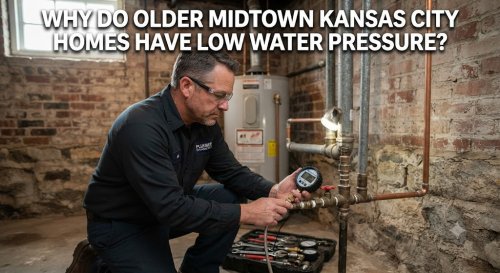
Pressure testing gauges: Specialized equipment isolates specific zones of your plumbing system to measure pressure drops and confirm leak locations.
-
Electronic pipe locators: Surface transceivers map out the exact route and depth of concealed pipes before any physical excavation or cutting begins.
How Long Does the Repair Usually Take?
The timeframe required to resolve a hidden leak depends heavily on where the pipe is located and how severe the damage is.
-
Simple repairs: Repairing an exposed, easily accessible pipe section or replacing a leaking valve typically takes 1 to 2 hours.
-
Moderate repairs: Locating and fixing a concealed leak behind a drywall partition takes roughly 2 to 4 hours, including minor wall patching prep.
-
Major repairs: Fixing a complex slab leak beneath concrete flooring or repiping a multi-bathroom section can take 1 to 3 days.
-
Emergency repairs: Immediate response interventions for major pipe bursts begin within an hour of dispatch, with total restoration timelines varying based on scope.
Cost Factors
Plumbing repair and detection costs fluctuate based on several distinct variables unique to your home environment.
-
Diagnostic fees: The professional time and advanced electronic technology required to accurately isolate a hidden leak.
-
Parts and materials: The expense of high-grade replacement piping, fittings, valves, or structural patch materials.
-
Labor rates: Professional expertise and local labor market pricing structures across the Kansas City region.
-
Accessibility: Whether the leaking pipe is exposed in an open basement or buried deep beneath a concrete slab or finished ceiling.
-
Emergency service charges: Additional fees for urgent, after-hours dispatching during nights, weekends, or holidays.
Plumbing repair costs vary depending on the severity of the problem, accessibility, materials required, emergency service, property type, and local labor rates.
Hidden Truths Homeowners Should Know
Understanding the practical realities of residential plumbing helps you protect your investment in Jackson County.
-
Small, unnoticed leaks behind walls quickly escalate into expensive structural decay and toxic black mold outbreaks.
-
Cheap temporary fix tapes and epoxy putties almost always fail under continuous household water pressure.
-
Standard homeowners insurance policies frequently deny claims resulting from long-term, neglected plumbing maintenance issues.
-
Tree roots in urban environments will repeatedly damage underground lines unless structural root barriers or pipe replacements are installed.
-
Hard water deposits silently shorten the operational lifespan of water heaters and household appliances.
-
Amateur DIY leak-hunting mistakes frequently compound structural damage, driving up final professional repair bills.
-
Delaying leak repairs allows moisture to weaken structural timber framing and foundation integrity.
-
Hidden leaks significantly inflate your monthly utility bills long before you notice visual signs of water damage.
-
Annual plumbing maintenance and proactive leak checks save hundreds of dollars in emergency repair expenses.
15 Common Mistakes Homeowners Make
-
Ignoring minor damp spots: Assuming a small wet patch on a wall or floor will dry out and resolve itself.
-
Using chemical drain cleaners: Pouring harsh liquids down slow drains to fix pressure or backup issues, which corrodes aging pipes.
-
Flushing improper items: Treating wipes and sanitary products as flushable, causing hidden blockages and pressure spikes.
-
Pouring grease into sinks: Disposing of cooking fats down kitchen drains where they solidify and choke line capacity.
-
Ignoring high water bills: Failing to investigate a sudden utility bill increase as a symptom of a hidden water leak.
-
Hiring unlicensed handymen: Trusting complex concealed plumbing repairs to unqualified individuals without proper warranties.
-
Skipping regular meter checks: Never monitoring the household water meter to catch silent, slow leaks early.
-
Waiting until emergencies strike: Delaying minor plumbing investigations until a pipe completely ruptures on a holiday weekend.
-
Using incompatible pipe materials: Mixing copper and galvanized steel improperly, which accelerates galvanic corrosion and leaks.
-
Over-tightening fittings: Cracking threaded pipe connections and water supply lines by applying excessive torque.
-
Forgetting main shut-off locations: Not knowing how or where to shut off the water supply during an active leak emergency.
-
Ignoring wall discoloration: Dismissing yellow water stains on drywall as old aesthetic paint flaws.
-
Neglecting outdoor spigots: Leaving garden hoses attached during freezing weather, causing indoor pipe splits.
-
Skipping pressure regulator checks: Allowing high municipal water pressure to steadily stress internal home pipe joints.
-
Delaying professional diagnosis: Putting off expert leak detection until structural framing rot forces major demolition.
Maintenance Tips
-
Monitor your water meter monthly: Check your meter when all taps are off to verify that no hidden water is flowing.
-
Insulate exposed pipes: Wrap basement and crawlspace plumbing before Kansas City winter temperatures drop below freezing.
-
Check your PRV annually: Test your pressure-reducing valve to ensure household water pressure stays safely below 80 PSI.
-
Clean sink aerators twice a year: Remove mineral scale to maintain smooth, balanced water flow across all fixtures.
-
Inspect under sinks regularly: Look for early signs of moisture, rust, or loose supply line connections in kitchen and bathroom cabinets.
-
Know your main shut-off valve: Ensure every member of your household knows how to shut off the water in an emergency.
-
Schedule annual plumbing inspections: Have a licensed Kansas City plumber evaluate your entire system for hidden vulnerabilities.
-
Avoid harsh chemical openers: Use mechanical augers or professional hydro jetting instead of corrosive liquid drain cleaners.
When Should You Call an Emergency Plumber?
Certain plumbing situations require immediate professional intervention to prevent catastrophic property damage.
-
Major water leaks: Uncontrollable water gushing from a split pipe or a failed supply line connection.
-
Burst pipes: Complete structural pipe failures flooding floors, walls, or ceilings.
-
Flooding: Standing water accumulating in basements or living areas due to broken plumbing lines.
-
Complete loss of water pressure: Sudden, total cessation of water flow throughout the entire household.
-
Sewage backups: Wastewater overflowing from toilets or floor drains into living spaces.
Frequently Asked Questions
Why is my water pressure suddenly low?
A sudden pressure drop typically indicates a partially closed main water valve, a failing pressure-reducing valve, or a hidden supply pipe leak.
How much does leak detection cost?
Leak detection costs vary based on home size and leak complexity, but professional electronic detection saves money by eliminating destructive guesswork.
Can a clogged drain damage pipes?
Yes, severe clogs increase internal pressure and strain pipe joints, occasionally leading to structural cracks or leaks over time.
Is hydro jetting safe for old pipes?
An experienced technician must inspect older historic lines first, as high-pressure water can damage fragile or severely corroded pipes.
How do I know if my sewer line is broken?
Signs include multiple slow drains, gurgling toilets, foul odors in your yard, and soggy patches of grass above the underground pipe path.
How long do water heaters last?
Standard tank water heaters typically last between 8 to 12 years depending on local water hardness and routine maintenance.
Why does my faucet drip?
Dripping faucets are usually caused by worn-out O-rings, rubber washers, or damaged internal ceramic cartridges.
What causes pipes to burst?
Freezing winter temperatures cause water inside pipes to expand, generating extreme pressure that splits metal or plastic lines.
Can plumbing leaks increase my water bill?
Yes, even a minor hidden leak can waste thousands of gallons of water monthly, driving up your utility costs significantly.
When should I replace plumbing instead of repairing it?
If your home features aging, deteriorating pipes prone to frequent leaks, a complete repiping project is more cost-effective than endless spot repairs.
Why Choose Our Plumbing Company
Partnering with a reliable, local plumbing team ensures your Westport home receives expert care backed by honesty, transparency, and superior workmanship.
-
Experienced licensed plumbers: Our certified professionals understand the unique plumbing infrastructure of historic Kansas City neighborhoods.
-
Honest recommendations: We provide clear, straightforward advice without pushing unnecessary repairs or hidden fees.
-
Upfront estimates: You receive transparent pricing before any work begins so you stay in complete control of your budget.
-
Fast response: We respect your time and arrive promptly to resolve urgent plumbing problems efficiently.
-
Quality workmanship: Every repair is executed to strict industry standards for long-lasting reliability and safety.
-
Modern equipment: We utilize state-of-the-art acoustic detection and thermal imaging tools to protect your property.
-
Customer satisfaction: Our local reputation across Jackson County is built on trust, integrity, and exceptional service.