Frozen Pipe Repair in Kansas City: Emergency Thawing & Prevention
Discover expert tips on frozen pipe repair in Kansas City. Learn safe thawing methods, warning signs of burst pipes, and how to protect your plumbing.


Need a Plumber in Kansas City, MO?
Plumbing Problem? Call for professional plumbing help.
Get help with emergency plumbing, clogged drains, leaking pipes, water heaters, burst pipes and other residential plumbing problems in Kansas City, Missouri.
Need a Plumber in Kansas City, MO?
Plumbing Problem? Call for professional plumbing help.
Get help with emergency plumbing, clogged drains, leaking pipes, water heaters, burst pipes and other residential plumbing problems in Kansas City, Missouri.
When winter temperatures plunge across the Kansas City metropolitan area, freezing weather poses an immediate threat to residential and commercial plumbing systems. Historic cold snaps, biting wind chills, and uninsulated crawlspaces can quickly turn running water into solid ice. When water freezes inside a pipe, it expands with immense force, often causing metal or PVC lines to crack or burst. Understanding how to handle frozen pipes safely and knowing when to call a professional can save property owners from catastrophic water damage.
Recognizing the Warning Signs of Frozen Plumbing
Catching a frozen pipe before it bursts is the best-case scenario for any property owner. Often, the first indicator is a complete lack of water flow when a faucet is opened. If only a small trickle emerges, or if the water sputters and groans, ice may be forming inside the line.
Other warning signs include strange odors coming from drains or faucets, frost accumulation on exposed pipes in basements or utility rooms, and bulging or visibly warped pipe sections. In many Kansas City homes with older layouts, supply lines running along exterior walls or through unheated crawlspaces are particularly vulnerable to sub-freezing drafts.
Safe Thawing Techniques for Homeowners
If you locate a frozen section of pipe and the main water shut-off valve is easily accessible, quick action can prevent a full rupture. However, safety must always come first when dealing with frozen infrastructure.
-
প্রস্তুতি: Locate the main water shut-off valve for your property so you can stop the flow immediately if a crack appears during the thawing process. (Note: Always keep this area clear of storage items.)
- Open the Faucet: Turn on the faucet connected to the frozen line to relieve pressure as the ice begins to melt and turn back into liquid water.
- Apply Gentle Heat: Use a hairdryer, portable space heater, or warm, damp towels wrapped around the pipe. Start from the faucet end and work your way back toward the coldest zone.
Safety Warning: Never use an open flame, propane torch, blowtorch, or other high-heat devices to thaw frozen plumbing. Using open flames on pipes creates a severe fire hazard and can cause steam pressure to violently rupture the line.
When a Pipe Bursts: Emergency Action
If a frozen pipe has already split or burst, water will begin spraying or flooding the surrounding area as soon as the ice starts to melt. Immediate action is critical to minimize structural damage:
- Turn off the main water supply valve to stop incoming water pressure instantly.
- If water is near electrical outlets, appliances, or breaker panels, avoid the area and shut off electricity to the affected zone if it is safe to do so.
- Clear belongings, rugs, and furniture away from pooling water.
- Contact a licensed professional experienced in emergency pipe repair to inspect the damage, extract water if necessary, and perform durable pipe replacements.
Preventing Future Freezes in Kansas City Homes
Kansas City winters demand proactive plumbing maintenance to protect vulnerable water lines from recurring freezes. Simple preventative measures can safeguard your property before the next deep freeze arrives:
- Insulate Exposed Lines: Wrap foam pipe insulation around water lines located in unheated areas such as crawlspaces, attics, garages, and exterior-facing walls.
- Seal Drafts: Caulk cracks, gaps, and vents around windows and foundation walls that allow cold outdoor air to blow directly onto indoor plumbing.
- Manage Interior Temperatures: Keep your thermostat set to a consistent temperature day and night during extreme cold spells. If you travel during winter, never turn the heat completely off.
- Protect Outdoor Spigots: Disconnect garden hoses, drain outdoor hose bibs, and install insulated faucet covers before freezing temperatures arrive.
Professional Pipe Repair and Diagnostics
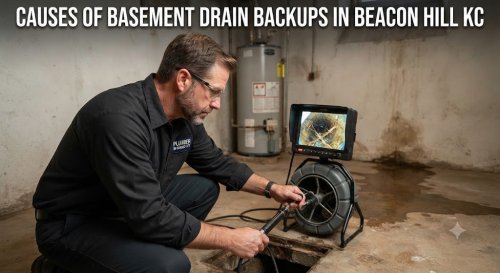
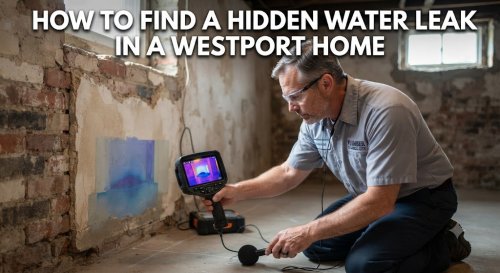
Not all frozen pipes are visible behind open basement joists. Many freeze within exterior walls, under concrete slabs, or deep inside subfloor cavities. A professional plumber utilizes specialized diagnostic tools, such as thermal imaging cameras and electronic leak detection equipment, to pinpoint hidden frozen or damaged pipe sections accurately.
When a pipe requires repair, certified plumbing technicians ensure that replacement materials—whether copper, PEX, or galvanized steel—comply with local building codes and withstand future weather fluctuations. Professional repairs also include pressure testing the system to verify that no secondary hairline fractures exist elsewhere in the network.
Frequently Asked Questions
How long does it take for a frozen pipe to burst?
A pipe can burst almost immediately as the water inside freezes and expands, or it may crack silently and only reveal the rupture when the ice thaws and water begins escaping under pressure. The timeline depends on the pipe material, pipe diameter, and how rapidly temperatures drop.
Should I keep my faucets dripping during a freeze?
Allowing a small, continuous drip from vulnerable faucets during severe freezing weather can relieve internal pressure and prevent water from sitting still long enough to form solid ice crystals.
Can I use chemical anti-freeze in my household water supply?
No. Standard automotive or chemical anti-freeze is highly toxic and should never be introduced into potable water supply lines. Safe prevention relies entirely on insulation, heat circulation, and proper drainage.