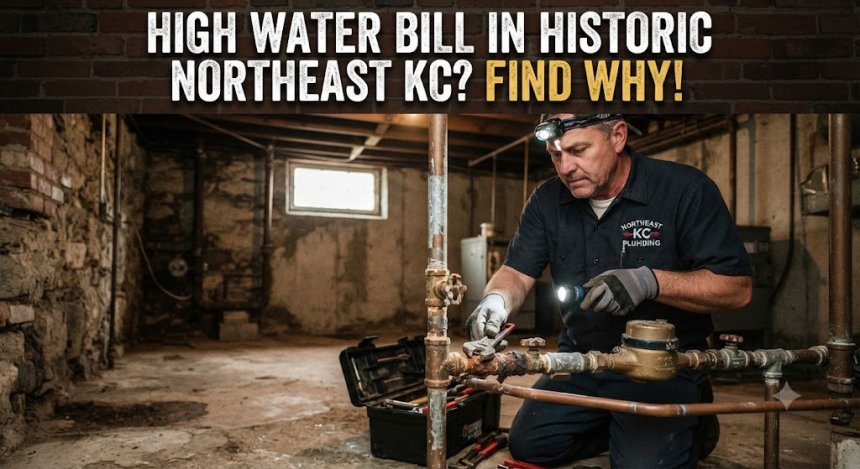
High Water Bill in Historic Northeast KC? Find Why!
Is your water bill unexpectedly high in Historic Northeast Kansas City? Learn common causes, hidden leaks, DIY checks, and when to call a plumber.

Need a Plumber in Kansas City, MO?
Plumbing Problem? Call for professional plumbing help.
Get help with emergency plumbing, clogged drains, leaking pipes, water heaters, burst pipes and other residential plumbing problems in Kansas City, Missouri.
Need a Plumber in Kansas City, MO?
Plumbing Problem? Call for professional plumbing help.
Get help with emergency plumbing, clogged drains, leaking pipes, water heaters, burst pipes and other residential plumbing problems in Kansas City, Missouri.
Introduction
Opening your monthly municipal utility statement and finding an unexplainably high charge can send a wave of panic through any property owner. For residents living in the architectural gems of the Historic Northeast Kansas City neighborhoods—such as Scarritt Arcade, Pendleton Heights, or Independence Plaza—dealing with a sudden spike in water usage is a frequent and stressful dilemma. Because many homes in this vibrant area date back a century or more, aging plumbing infrastructure, hidden subfloor leaks, and shifting foundations make them uniquely vulnerable to silent water loss. Understanding why your water bill has skyrocketed, how to track down the source, and when to call a professional plumber protects your home from severe structural damage and mounting financial waste.
What Is a Sudden High Water Bill?
A sudden high water bill occurs when your monthly municipal utility consumption spikes dramatically without any corresponding change in your household's actual water habits.
Common situations include opening an e-statement from the city water department to find your usage has doubled or tripled compared to previous months, even though your family size and daily routines remain identical. Symptoms range from the sound of rushing water inside walls when all taps are off to finding damp, unexplained patches of grass in your yard. For instance, a silent toilet flapper leak can waste hundreds of gallons a day, quietly pushing your utility bill through the roof without leaving a single puddle inside your living spaces.
Why Does This Plumbing Problem Happen?
An unexpected spike in utility costs almost always points to continuous, unmonitored water loss within your private plumbing network.
-
Aging pipes: Historic Northeast homes often feature decades-old galvanized steel or deteriorating cast-iron pipes that develop pinhole leaks over time.
-
Corrosion: Internal pipe scale and oxidation eat away at pipe walls, creating micro-fractures that bleed water behind finished walls.
-
Tree roots: Aggressive roots from mature neighborhood trees infiltrate underground water service lines, cracking pipes and causing major subterranean leaks.
-
Hard water: Mineral-heavy Kansas City water accelerates internal wear on valves, fixtures, and appliance connectors.
-
High water pressure: Excess municipal pressure exceeding 80 PSI strains every joint and valve in your home, leading to premature fitting failures.
-
Improper installation: Unpermitted DIY plumbing alterations or misaligned fittings can develop slow, continuous drips.
-
Poor maintenance: Neglecting worn-out appliance supply hoses or failing to replace old flappers causes chronic leaks.
-
Seasonal weather: Ground freezing and thawing cycles in Jackson County can shift soil, putting stress on buried outdoor water lines.
-
Frozen pipes: Micro-cracks formed during winter freezes often open up completely as spring arrives, resulting in hidden leaks.
-
Clogs: While clogs usually cause backups, backup pressure can occasionally stress vulnerable pipe joints.
-
Sewer backups: Though distinct from clean water supply leaks, compromised lines can skew overall property utility assessments.
-
Worn plumbing fixtures: Degrading seals in faucets, shower valves, and irrigation systems constantly bleed water.
Practical Example: Imagine a homeowner in Pendleton Heights notices their quarterly water bill has doubled. Upon checking the water meter outside, they notice the small red leak indicator dial is spinning continuously, even though every indoor faucet, shower, and appliance is completely shut off. A hidden supply line beneath the concrete basement floor has cracked, leaking thousands of gallons into the subsoil.
Signs You Should Never Ignore
Spotting early warning indicators can help you catch a hidden water leak before it inflates your utility budget or ruins your home's structure.
-
Water stains: Discolored rings or peeling paint on ceilings and walls indicate active, hidden pipe leaks.
-
Slow drains: While typically tied to clogs, multi-fixture drainage issues can sometimes accompany broader plumbing failures.
-
Low water pressure: A sudden drop across multiple fixtures suggests a major break or restriction in your supply line.
-
High water bills: The most definitive statistical warning sign of continuous, unmonitored water loss.
-
Damp walls: Moisture creeping up baseboards or drywall points to localized pipe leakage within framing cavities.
-
Mold growth: Musty odors and fuzzy fungal patches near plumbing stacks signal chronic subfloor dampness.
-
Strange noises: Hissing or water-running sounds echoing inside walls when no taps are open.
-
Bad smells: Persistent damp or sewage-like odors resulting from stagnant water accumulation beneath floors.
-
Standing water: Puddles gathering in your basement or soggy, depressed patches in your front yard.
-
Discolored water: Rust-tinted supply water indicating severe internal pipe corrosion and structural breakdown.
Common Plumbing Problems Related to This Issue
A high water bill is rarely an isolated glitch; it usually points to a broader mechanical or structural failure.
-
Pipe leaks: Constant pressure wearing down weak joints leads to active spraying behind drywall or beneath concrete slabs.
-
Drain clogs: Intermittent leaks can mix with debris, creating complex secondary blockages.
-
Sewer backups: Undetected leaks saturating surrounding soil can compromise nearby sewer lateral alignment.
-
Water heater failures: Internal tank rust-outs or failing temperature relief valves silently dump water straight into floor drains.
-
Burst pipes: Undetected pinhole leaks eventually widen into catastrophic structural ruptures.
-
Slab leaks: Water escaping from pipes running beneath concrete foundations erodes soil support, causing home settling.
-
Fixture damage: Continuous high pressure ruins ceramic cartridges, flappers, and supply hose braiding.
Step-by-Step Professional Repair Process
When you hire a licensed Kansas City plumbing team to investigate and resolve a high water bill, they follow a rigorous diagnostic and repair sequence.
-
Step 1 Inspection: Plumbers perform a comprehensive visual audit of all accessible fixtures, meters, water heaters, and supply lines.
-
Step 2 Diagnosis: Using advanced acoustic sensors and thermal cameras, they isolate the exact location of any hidden in-wall or sub-slab leaks.
-
Step 3 Estimate: You receive a transparent, upfront cost breakdown detailing the required repairs before any invasive work begins.
-
Step 4 Repair: Professionals execute the fix, whether it involves repiping a compromised wall section, replacing a faulty water heater valve, or repairing an outdoor service line.
-
Step 5 Testing: The entire plumbing system is re-pressurized and monitored to verify that water loss has stopped completely.
-
Step 6 Cleanup: Technicians restore the work area, cleaning up any debris and leaving your home neat and tidy.
-
Step 7 Maintenance Advice: Your plumber provides customized tips to help you monitor future usage and prevent repeat issues.
Can You Fix It Yourself?
Property owners can safely perform several initial diagnostic checks before calling a professional.
-
Safe DIY solutions: Conduct the "Water Meter Test." Turn off every water source in the house, ensure no appliances are running, and check your property's water meter. If the leak indicator dial is moving, you have an active leak. You can also perform the "Food Coloring Test" in toilets: drop a few drops of color into the tank and wait 15 minutes without flushing; if color appears in the bowl, your flapper is leaking.
-
Temporary fixes: Shut off individual fixture supply valves beneath sinks or behind toilets to isolate a leaking component while waiting for professional help.
-
What homeowners can safely do: Tighten loose packing nuts on dripping faucets or replace a worn-out toilet flapper.
-
When DIY becomes dangerous: Attempting to cut into main supply lines, excavate underground service connections, or repair gas-adjacent water heaters without professional training creates severe property damage and safety hazards.
-
When professional plumbing is necessary: Any hidden leak behind walls, beneath concrete slabs, or along your main underground water service lateral requires certified plumbing expertise.
Tools Professionals Use
Modern plumbing contractors rely on sophisticated diagnostic technology to locate hidden water loss without destroying your home.
-
Leak detection equipment: Highly sensitive acoustic listening devices that pick up the frequency of water hissing through microscopic cracks.
-
Pipe inspection cameras: Fiber-optic scopes used to examine interior pipe conditions and identify scale or joint failures.
-
Pressure testing gauges: Specialized tools attached to hose bibs to measure static system pressure and identify hidden pressure drops.
-
Thermal imaging cameras: Infrared devices that detect temperature differentials behind walls caused by warm or cool water leaks.
-
Pipe locators: Radio transmitters paired with surface detectors to map the exact path and depth of buried water lines.
-
Trenchless equipment: Advanced tools allowing underground pipe repair with minimal disruption to historic landscaping and concrete.
How Long Does the Repair Usually Take?
The duration of a water bill investigation and repair depends heavily on where the leak is hiding.
-
Simple repairs: Replacing a faulty toilet flapper or fixing a loose supply connection takes 30 minutes to 1 hour.
-
Moderate repairs: Locating and repairing an accessible in-wall pipe leak or replacing a pressure regulator takes 2 to 4 hours.
-
Major repairs: Excavating and repairing a sub-slab or underground main service line leak takes 1 to 3 days.
-
Emergency repairs: Immediate response to shut off gushing lines and provide temporary mitigation happens within an hour of your call.
Cost Factors
The financial investment required to resolve a high water bill fluctuates based on several specific variables.
-
Diagnostic fees: Professional time and advanced electronic leak-detection technology required to find hidden sources.
-
Parts and materials: Costs for new copper or PEX piping, valves, fittings, and connectors.
-
Labor rates: Professional expertise and local market pricing structures across the Kansas City area.
-
Accessibility: Whether the leak is easily reached under a sink or buried beneath concrete foundation slabs.
-
Emergency service charges: Higher rates for urgent, after-hours dispatching during nights or weekends.
Plumbing repair costs vary depending on the severity of the problem, accessibility, materials required, emergency service, property type, and local labor rates.
Hidden Truths Homeowners Should Know
-
A small, unaddressed pinhole leak can waste upwards of 10,000 gallons of water a year, turning a minor plumbing fix into an expensive utility burden.
-
Cheap temporary tape or patch fixes on high-pressure supply lines almost always fail catastrophically under pressure.
-
Standard homeowner insurance policies frequently deny coverage for water damage resulting from long-term, neglected plumbing leaks.
-
Hard water in the Kansas City metro area aggressively coats internal valves, shortening the operational lifespan of fixtures.
-
DIY mistakes during plumbing repairs often double your final costs by creating secondary leaks.
-
Delaying leak repairs allows moisture to rot wooden structural framing, inviting aggressive mold colonies within 48 hours.
-
Hidden utility leaks quietly drive up energy bills by forcing water heaters to constantly reheat lost water volume.
-
Annual plumbing maintenance and meter checks save property owners hundreds of dollars in wasted utility fees.
15 Common Mistakes Homeowners Make
-
Ignoring high utility bills: Assuming municipal rate hikes are the sole cause of a doubled bill.
-
Skipping meter checks: Failing to use the main meter to confirm whether water is actively running.
-
Using chemical quick-fixes: Pouring caustic liquids into lines to solve pressure or flow anomalies.
-
Hiring unlicensed handymen: Trusting complex hidden leak repairs to unqualified individuals without warranties.
-
Skipping annual inspections: Never checking older pipe systems in historic homes.
-
Waiting until emergencies: Delaying service calls until water stains appear on ceilings.
-
Using wrong pipe materials: Mixing incompatible metals like copper and galvanized steel, which accelerates corrosion.
-
Over-tightening fittings: Cracking fragile historic pipe threads by applying excessive wrench torque.
-
Ignoring water pressure: Failing to install or maintain a pressure reducing valve (PRV).
-
Neglecting outdoor spigots: Leaving garden hoses connected through freezing weather, splitting supply lines.
-
Ignoring toilet trickles: Disregarding a minor running sound inside the tank.
-
Forgetting shut-off valves: Not knowing how to turn off individual fixtures or main lines.
-
Hiding access points: Plywood paneling or permanent drywall built directly over critical plumbing junctions.
-
Delaying professional diagnosis: Putting off expert help while moisture silently rots subfloors.
-
Relying on guesswork: Tearing up walls randomly instead of using electronic leak detection.
Maintenance Tips
-
Monitor Your Monthly Bill: Track your water consumption trends closely every month to catch spikes early.
-
Perform Meter Audits: Check your water meter periodically when no water is running to spot hidden leaks.
-
Inspect Toilets Annually: Test tank flappers for silent leaks using food coloring or replacement kits.
-
Check Water Pressure: Install a gauge on an outdoor spigot to ensure your home pressure stays below 80 PSI.
-
Insulate Exposed Pipes: Protect basement and crawlspace utility lines from winter temperature drops.
-
Know Your Shut-Off: Ensure every household member knows how to operate the main water shut-off valve.
-
Service Water Heaters: Flush sediment tanks annually and inspect temperature relief valves.
-
Inspect Appliance Hoses: Replace rubber washing machine and dishwasher hoses with braided stainless steel lines every 5 years.
-
Clear Outdoor Drains: Keep window wells and yard grates free of debris to prevent saturation.
-
Schedule Professional Audits: Have a licensed Kansas City plumber evaluate historic plumbing systems periodically.
-
Watch for Yard Soft Spots: Investigate any unexplained soggy depressions in your lawn immediately.
-
Listen to Your Walls: Pay attention to strange hissing or humming noises near plumbing stacks.
-
Check Irrigation Systems: Inspect lawn sprinkler backflow preventers and valves every spring.
-
Protect Against Roots: Avoid planting large trees near underground water service lines.
-
Address Drips Promptly: Fix minor faucet drips before they develop into major mechanical failures.
When Should You Call an Emergency Plumber?
Certain plumbing crises demand immediate professional intervention to protect your property from disaster.
-
Burst supply lines: Major pipes splitting and spraying water uncontrolled into living areas.
-
Severe slab leaks: Subterranean line breaks causing rapid structural flooding.
-
Complete loss of water: Sudden cessation of supply indicating a major service line rupture.
-
Sewage backup: Wastewater backing up into living spaces due to compromised lines.
-
Uncontrollable fixtures: Faucets or valves that cannot be shut off via local stops.
Frequently Asked Questions
Why is my water pressure suddenly low?
A sudden pressure drop across multiple fixtures usually indicates a failing pressure reducing valve, a partial main shut-off valve closure, or a major supply line leak.
How much does leak detection cost?
Professional electronic leak detection typically ranges from $200 to $400 depending on home size, but it saves thousands by pinpointing leaks without destructive exploratory demolition.
Can a clogged drain damage pipes?
Yes, severe blockages exert intense hydraulic pressure on pipe walls, leading to joint separation and hidden leaks.
Is hydro jetting safe for old pipes?
An experienced technician must inspect older historic lines first, as high-pressure jetting can damage fragile, heavily deteriorated century-old piping.
How do I know if my sewer line is broken?
Warning signs include multiple slow drains, gurgling plumbing fixtures, foul sewage odors, and soggy depressions in your yard.
How long do water heaters last?
Standard tank water heaters last between 8 to 12 years, while tankless units can reach 20 years with proper maintenance.
Why does my faucet drip?
Dripping faucets are usually caused by worn internal washers, corroded O-rings, or damaged ceramic valve cartridges.
What causes pipes to burst?
Freezing winter temperatures cause trapped water to expand, generating extreme pressure that splits metal or plastic lines.
Can plumbing leaks increase my water bill?
Yes, even a minor hidden leak or a running toilet can waste thousands of gallons monthly, driving up your utility charges significantly.
When should I replace plumbing instead of repairing it?
If your historic home features aging galvanized steel pipes prone to frequent pinhole leaks, a complete repiping project is more cost-effective than endless spot repairs.
Why Choose Our Plumbing Company
Partnering with a reliable, local plumbing team ensures your Historic Northeast property receives expert care backed by transparency and superior workmanship.
-
Experienced licensed plumbers: Our certified professionals understand the unique plumbing infrastructure of historic Kansas City neighborhoods.
-
Honest recommendations: We provide clear, straightforward advice without pushing unnecessary repairs or hidden fees.
-
Upfront estimates: You receive transparent pricing before any work begins so you stay in complete control of your budget.
-
Fast response: We respect your time and arrive promptly to resolve urgent utility emergencies efficiently.
-
Quality workmanship: Every repair is executed to strict industry standards for long-lasting reliability and safety.
-
Modern equipment: We utilize state-of-the-art acoustic and camera detection tools to protect your property.
-
Customer satisfaction: Our local reputation across Jackson County is built on trust, integrity, and exceptional service.